

Commentary
Beirut’s desire to break free from Iranian hegemony may push it into a situation where it has to accept Israel’s hegemony.
Michael Young
{
  "authors": [],
  "type": "pressRelease",
  "centerAffiliationAll": "dc",
  "centers": [
    "Carnegie Endowment for International Peace"
  ],
  "collections": [],
  "englishNewsletterAll": "asia",
  "nonEnglishNewsletterAll": "",
  "primaryCenter": "Carnegie Endowment for International Peace",
  "programAffiliation": "AP",
  "programs": [
    "Asia"
  ],
  "projects": [],
  "regions": [
    "North America",
    "United States",
    "China"
  ],
  "topics": [
    "Economy",
    "Trade"
  ]
}
REQUIRED IMAGE
Although its economy will remain strong during the global financial crisis, China’s leaders should not see the situation as a failure of capitalism, concluded Albert Keidel in a recent speech before the U.S.–China Business Council. Instead, both China and the United States should learn from the crisis and improve their political and economic systems.
WASHINGTON, Oct 27—Although its economy will remain strong during the global financial crisis, China’s leaders should not see the situation as a failure of capitalism, concluded Albert Keidel in a recent speech before the U.S.–China Business Council. Instead, both China and the United States should learn from the crisis and improve their political and economic systems.
The lessons to be learned apply more to the world’s advanced economies than they do to China, which is still in the early stages of economic and political modernization. For the United States and other mature industrial powers, this crisis is an opportunity to improve the competitive and democratic capitalist model.
Recommendations for the United States
Recommendations for China
Keidel concludes:
“For well over a hundred years, financial market regulation has improved most when crises have shown its shortcomings. This current crisis will clearly be just another chapter in the gradual, and uneven, process of making an ever increasingly sophisticated financial system function more fairly and more efficiently. This is the most helpful—and most accurate—interpretation of the crisis’ long-term significance. As an outsider to the crisis, China could play the role of objective commentator and strengthen confidence worldwide in the eventual if not speedy recovery all over the world.”
###

Carnegie does not take institutional positions on public policy issues; the views represented herein are those of the author(s) and do not necessarily reflect the views of Carnegie, its staff, or its trustees.
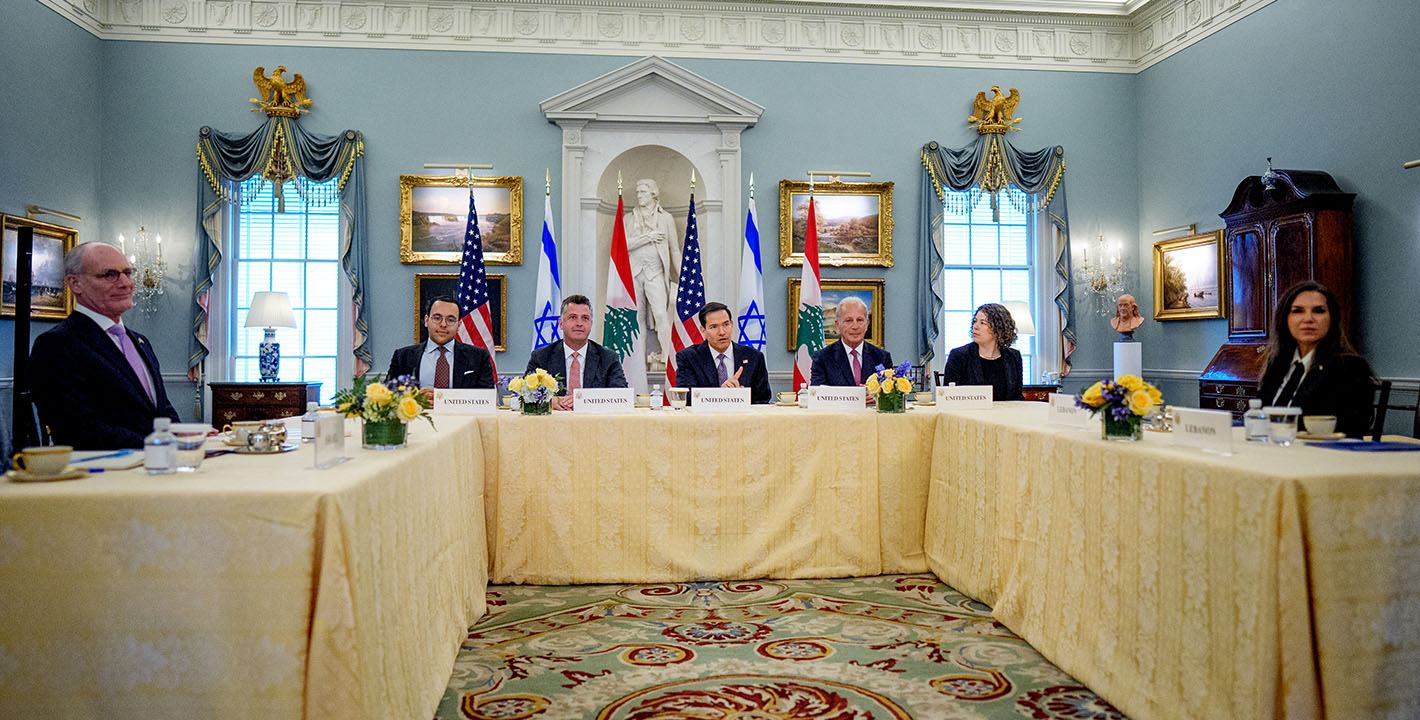
Beirut’s desire to break free from Iranian hegemony may push it into a situation where it has to accept Israel’s hegemony.

Michael Young
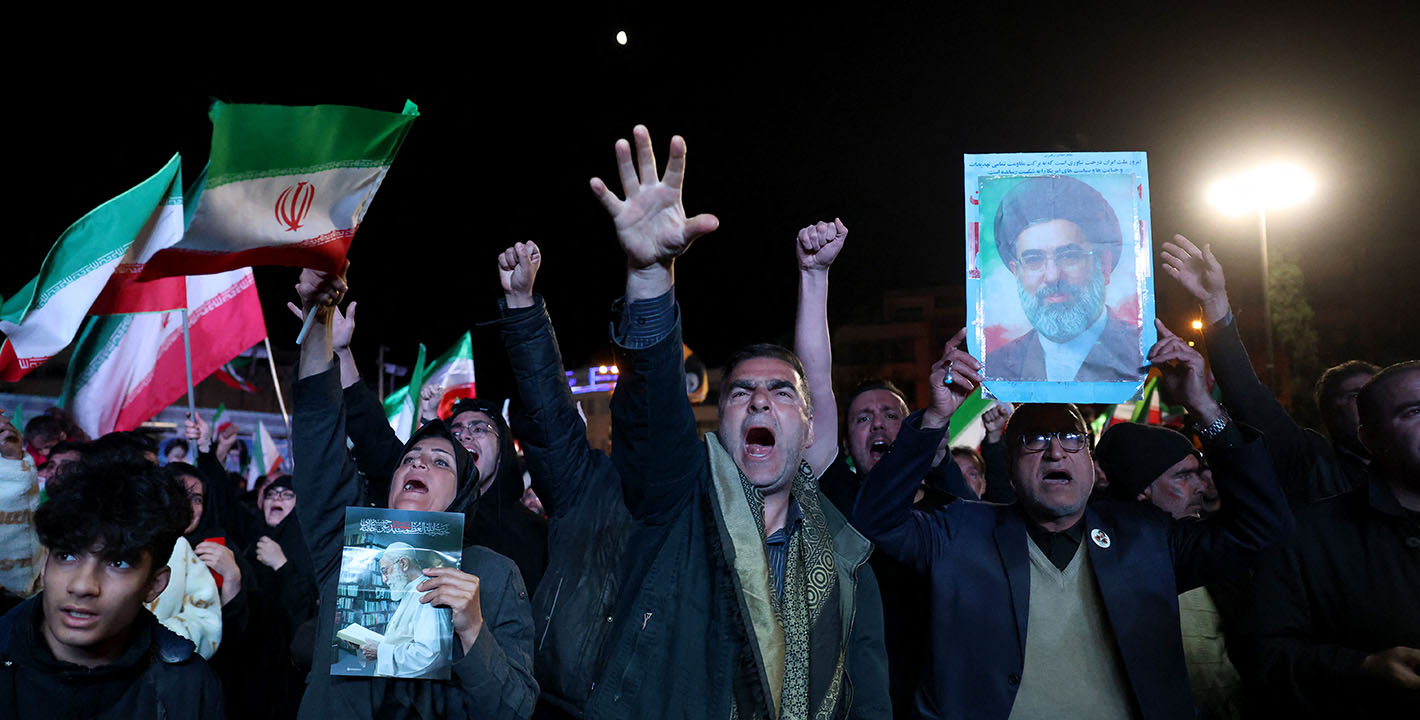
Spot analysis from Carnegie scholars on events relating to the Middle East and North Africa.
Michael Young
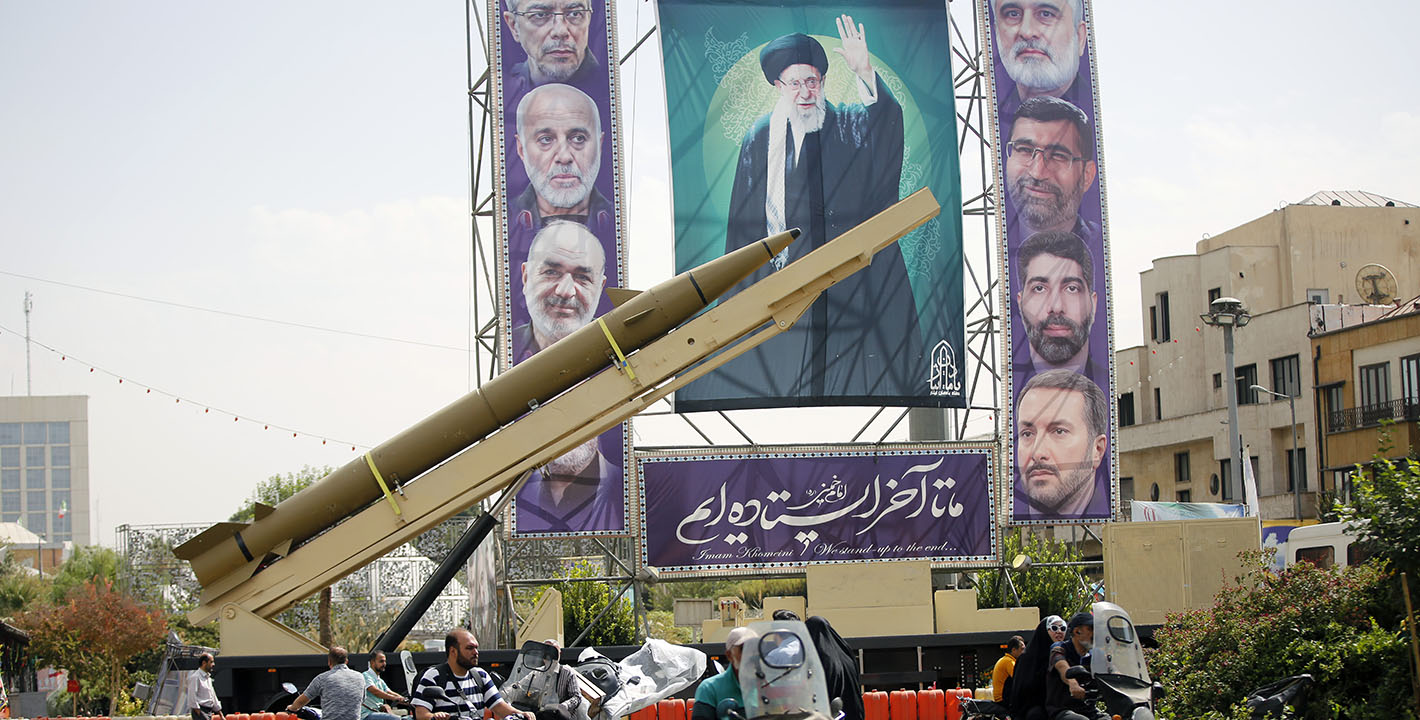
In an interview, Hamidreza Azizi discusses how Tehran has adapted in real time to the conflict with the United States and Israel.
Michael Young
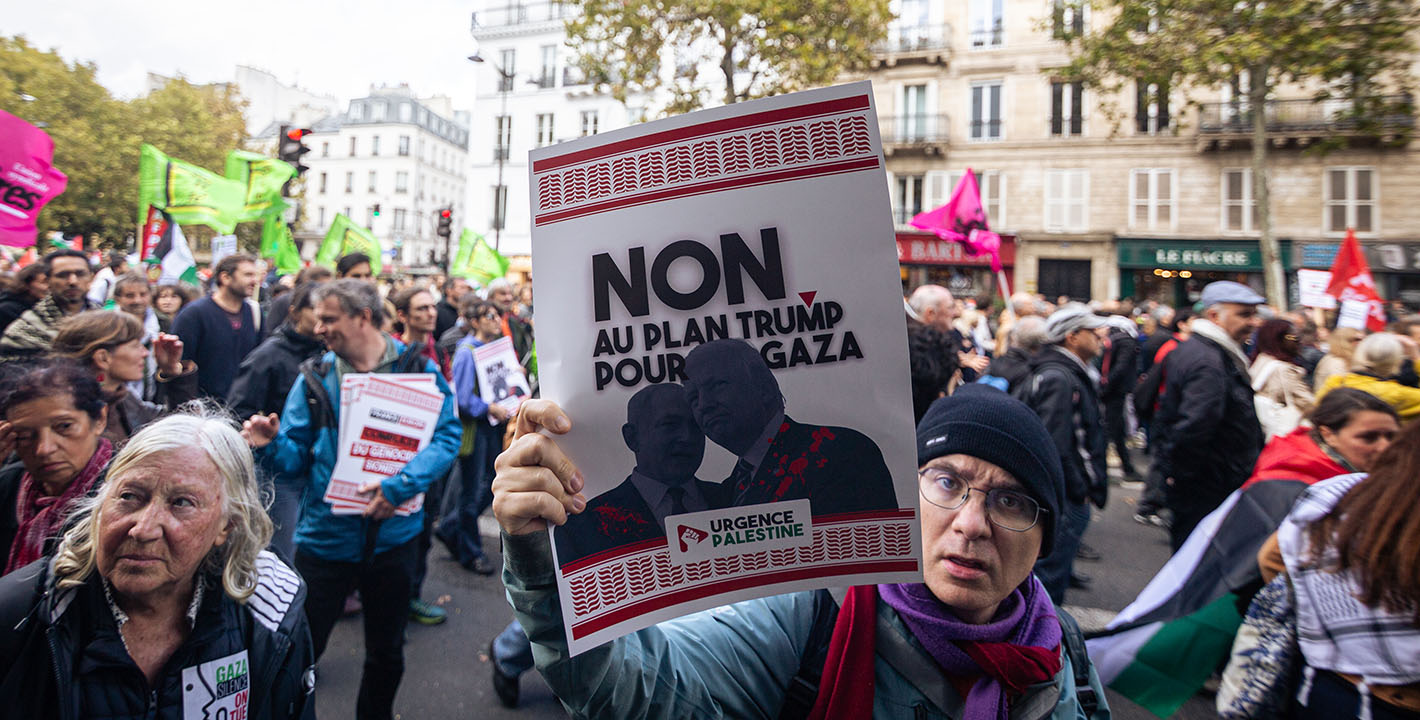
The simple conclusion is that the scheme will bring neither peace nor prosperity, but will institutionalize devastation.

Nathan J. Brown

In an interview, Roger Diwan discusses where the global economy may be going in the third week of the U.S.-Israeli war with Iran.

Nur Arafeh