

Paper
Ariel (Eli) Levite, Toby Dalton
{
  "authors": [
    "Ariel (Eli) Levite"
  ],
  "type": "legacyinthemedia",
  "centerAffiliationAll": "dc",
  "centers": [
    "Carnegie Endowment for International Peace"
  ],
  "collections": [
    "U.S. Nuclear Policy"
  ],
  "englishNewsletterAll": "ctw",
  "nonEnglishNewsletterAll": "",
  "primaryCenter": "Carnegie Endowment for International Peace",
  "programAffiliation": "NPP",
  "programs": [
    "Nuclear Policy"
  ],
  "projects": [],
  "regions": [
    "North America",
    "United States"
  ],
  "topics": [
    "Nuclear Policy",
    "Nuclear Energy"
  ]
}
Source: Getty
The roots of the nuclear order's unraveling can be traced to four distinct factors that have evolved over the last six decades: weaknesses in the original NPT formula, changes in the global distribution of power, nuclear weapons technology proliferation, and complacency with the current regime.
Source: Ifri Security Studies Center Proliferation Paper No. 24

The paper further analyzes what could precipitate a new nuclear age around 2010. Levite argues that such a "fourth nuclear age" would likely be characterized by either a nuclear anarchy, which he believes has become the default option, or a more benign nuclear order manifested by lower numbers of weapons and stringent controls and restrictions on remaining nuclear arsenals and activities. He concludes by considering the more pressing requirements for regaining nuclear stability.
Click here for other Proliferation Papers published by the Institut Français des Relations Internationales' (Ifri) Security Studies Center.

Senior Fellow, Nuclear Policy Program, Technology and International Affairs Program
Levite was the principal deputy director general for policy at the Israeli Atomic Energy Commission from 2002 to 2007.
Recent Work

Ariel (Eli) Levite, Toby Dalton
Ariel (Eli) Levite, Toby Dalton
Carnegie does not take institutional positions on public policy issues; the views represented herein are those of the author(s) and do not necessarily reflect the views of Carnegie, its staff, or its trustees.

By failing to address Palestinian representation, the current process is bound to lead to just another temporary arrangement.

Nathan J. Brown

Morocco and Algeria, each in its own way, are having to navigate the global economic fallout of the U.S.-Israeli military campaign against Iran.

Yasmine Zarhloule
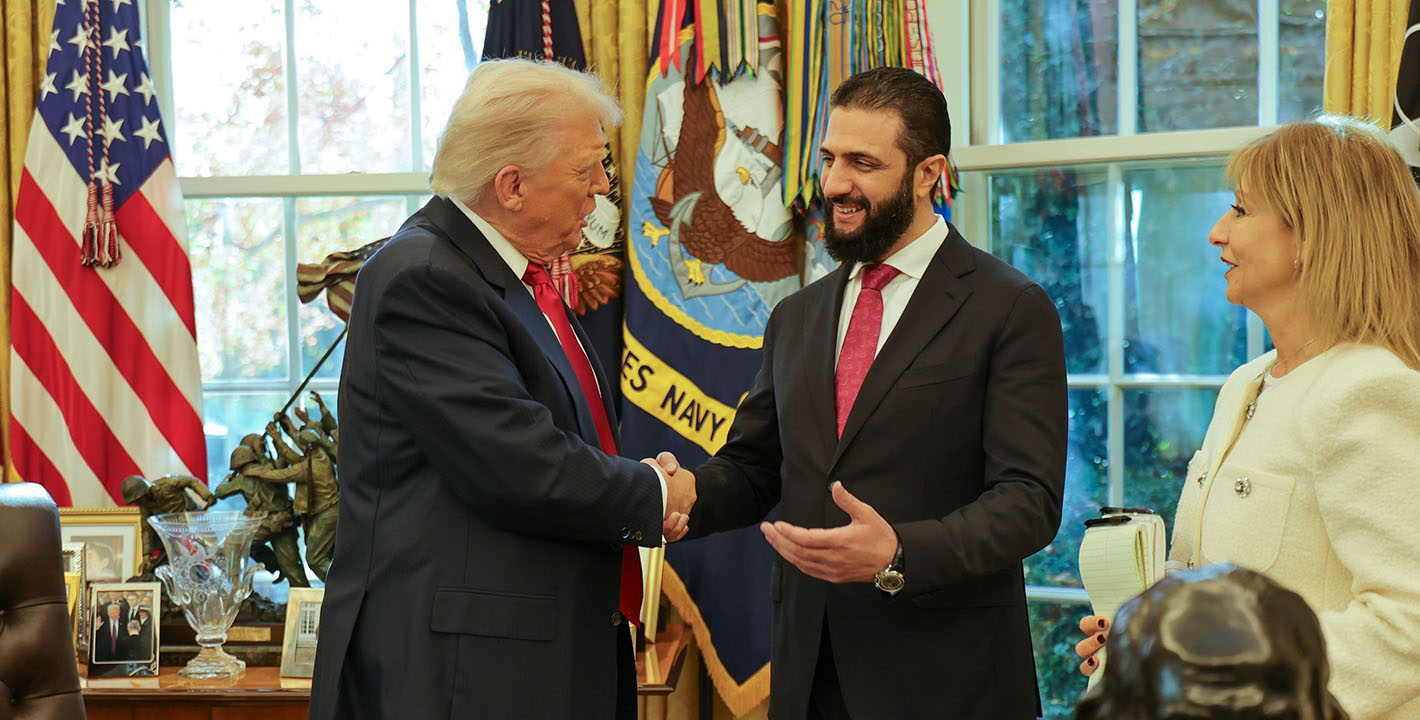
Any move by the United States to make good on Trump’s suggestion that Washington persuade Damascus to confront Hezbollah militarily would have catastrophic consequences.

Kheder Khaddour
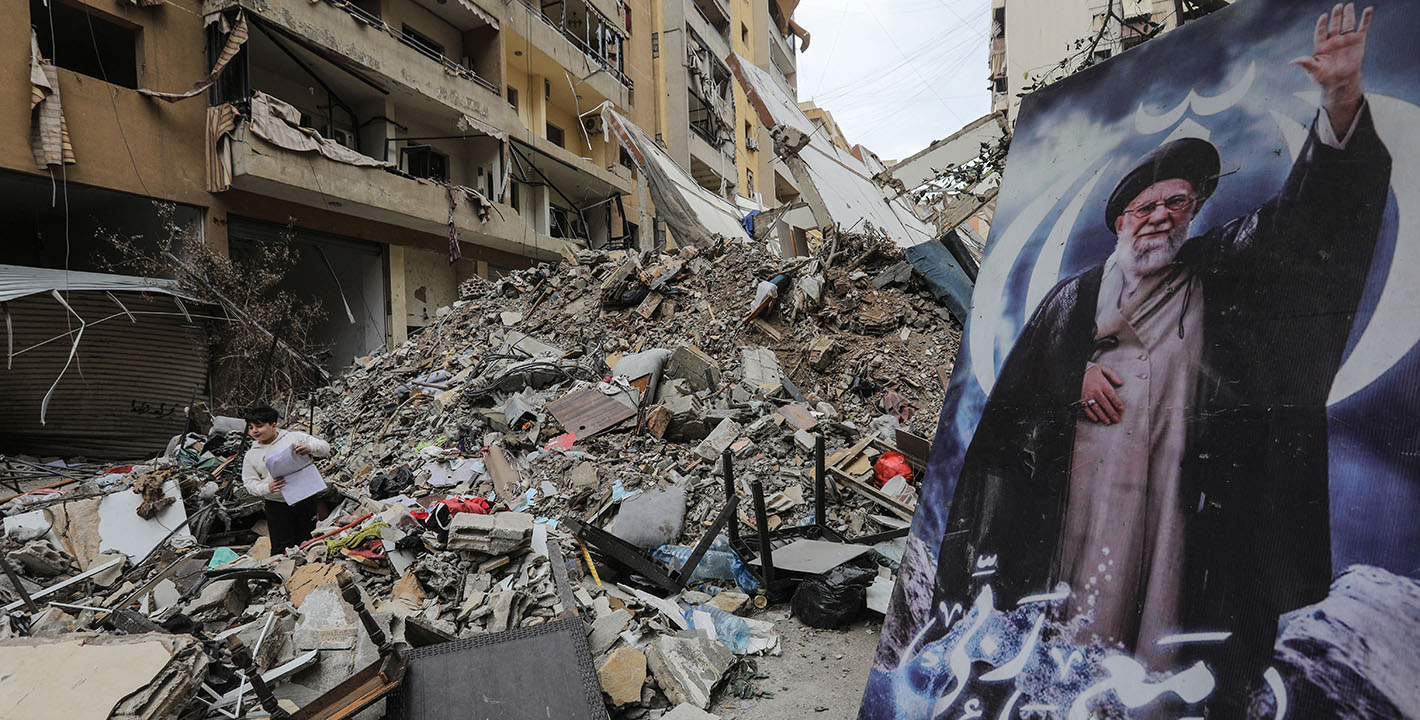
As talks begin between Washington and Tehran, Beirut has an opening to advance a regional plan for the party’s disarmament.

Michael Young
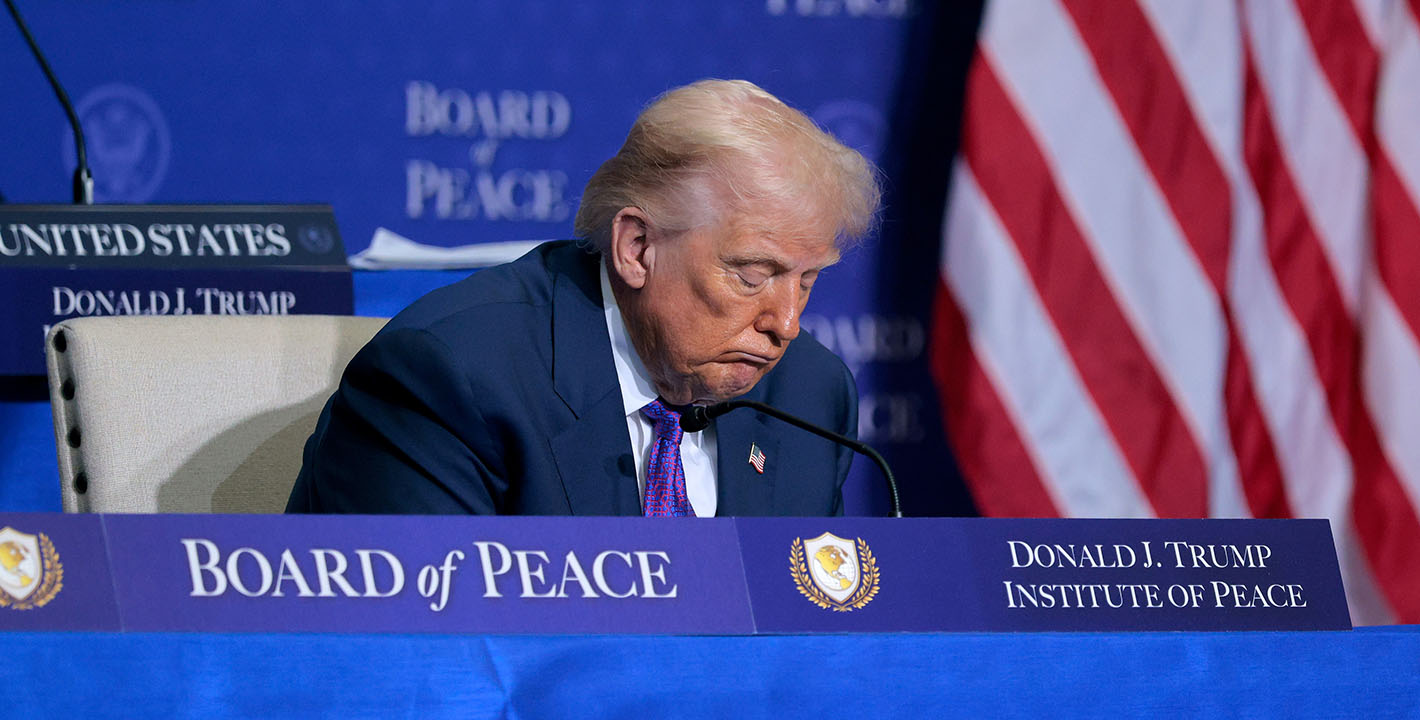
What is behind Marco Rubio’s announcement that the body is now an international nongovernmental organization?
Zaha Hassan