

Commentary
Baku may allow radical nationalists to publicly discuss “reunification” with Azeri Iranians, but the president and key officials prefer not to comment publicly on the protests in Iran.
Bashir Kitachaev
Source: Getty
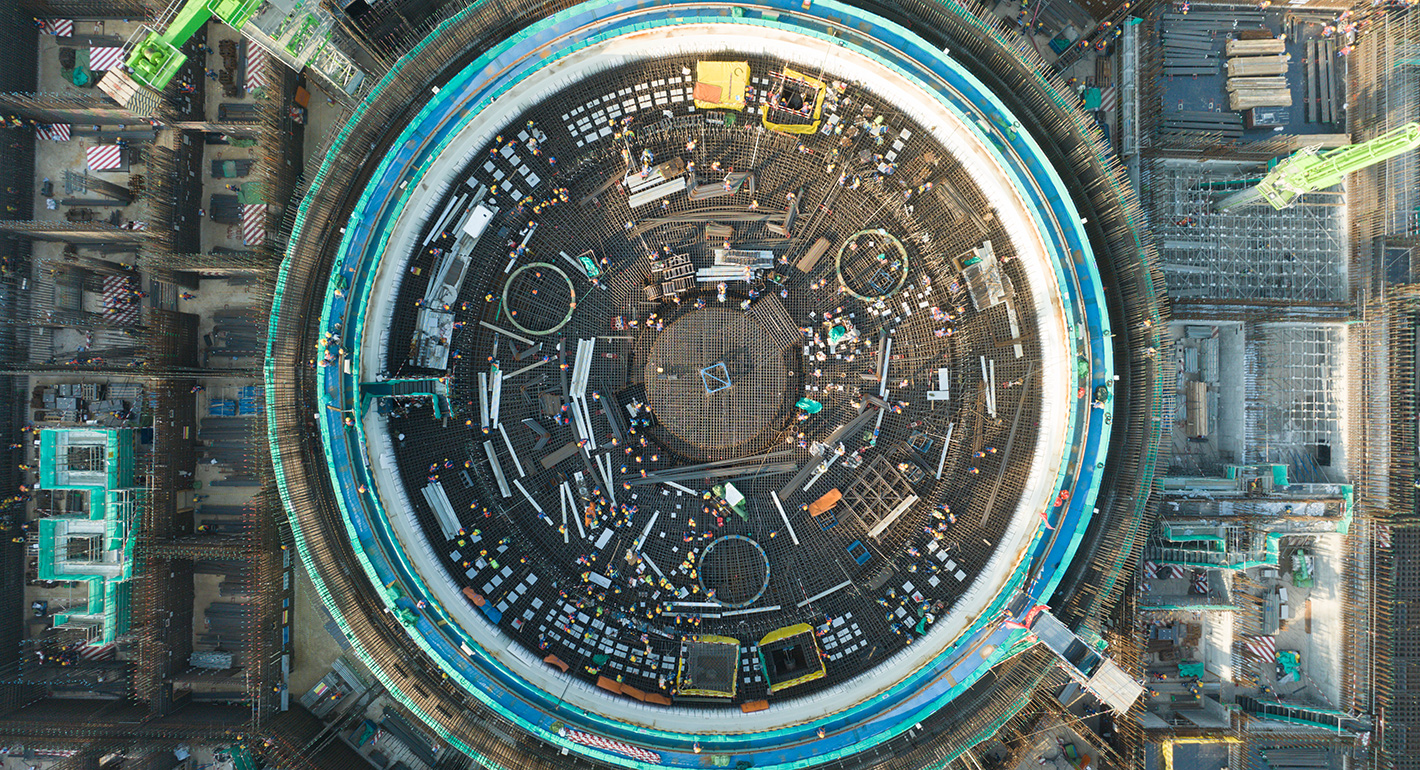
These principles aim to codify core responsible practices and establish a common universal platform of high-level guidelines necessary to build trust that a nuclear energy resurgence can deliver its intended benefits.
A dramatic rise in demand for energy is driving resurgent global interest in nuclear power. Many are drawn by its capacity to generate large scale, carbon-free baseload electricity over decades. Numerous countries are expanding, starting, or exploring nuclear power. Some governments have pledged to triple or even quadruple nuclear generation by 2050 , with aims to strengthen energy security, boost economic and industrial development, and mitigate energy poverty while reducing reliance on fossil fuels.
Yet the foundation for a broad global expansion of nuclear power is shaky. Nuclear energy projects carry a number of specific risks: huge upfront costs, time lag to energy delivery, and potential for cost overruns and constructions delays. Though some new designs promise to mitigate these risks through revolutionary construction and operation plans, their economic and business viability is as yet unproven. For these reasons, governments, financiers and lenders, utilities, and consumers have been shy about turning enthusiasm into bankable contracts.
Beyond these specific risks, the domestic and global politics of nuclear energy remain fraught. Most countries are struggling to find politically and environmentally sound and proliferation-resistant paths to handle irradiated nuclear fuel and waste. International political discord is eroding the trust and cooperation necessary to mitigate spillover effects that could emanate from a nuclear incident, especially in light of the traumatic nuclear accidents that linger in public memory. The occupation of a Ukrainian nuclear power plant highlights the risks of nuclear facilities being targeted in conflict. And there is manifest interest in several prominent countries in military use of nuclear energy or nuclear weapons. Nuclear energy issues are also often lamentably caught up in debates about disarmament, nonproliferation, and geopolitics more broadly.
In light of these challenges and risks, strengthening the political foundation for nuclear energy is critical if it is to deliver on aspirations for a global resurgence and to meet the expectations of parties pursuing it for peaceful or other non-weapons purposes. In the first instance, this requires ascertaining that international nuclear practices, instruments, institutions, and norms are fit for purpose and designed to deliver on the promise of safe, sustainable, clean, and abundant nuclear energy over the long term. Broadly, there is need for a common basis of nuclear norms and standards. These can and should build on existing frameworks and institutions, but ultimately will need to grow beyond them, to bridge institutional silos and political divides, not least between nuclear technology holders and nuclear aspirants, and between states with nuclear weapons and those without.
To that end, and to support those who wish to enjoy the benefits of nuclear energy while seeking to minimize the various risks, we recommend that countries pursue a common political agenda for nuclear energy. Specifically, we propose some overarching principles for responsible peaceful use of nuclear energy to establish as a first step to overcome international disagreement and focus states on their shared interests and points of agreement. Ideally these principles will inspire agreement and facilitate cooperation among all pertinent stakeholders in relevant international settings. These include political gatherings, such as the United Nations General Assembly, the Nuclear Non-Proliferation Treaty Review Conference, the G20, and COP, as well as professional ones like the IAEA General Conference and meetings of the Nuclear Energy Agency, World Association of Nuclear Operators, and others.
Developed through a series of dialogues convened in New York with officials from a broad range of governments and iterated with expert colleagues, the following set of draft Principles for Responsible Nuclear Conduct (PRNC) recognize the centrality of trust in the responsible handling of nuclear technology. Trust is necessary for societies to meaningfully benefit from nuclear energy, given its unique potency and the interdependence of the numerous enterprises involved.
In this context, the principles aim to codify core responsible practices and establish a common universal platform of high-level policy guidelines that cut across institutional and professional silos and affirm actions that would enable states and industry to harness nuclear power and other nuclear applications for peaceful uses. The principles also implicitly seek to discourage behaviors that could undermine these benefits for some or all stakeholders, or, worse, result in a nuclear catastrophe. The PRNC focus on peaceful uses of nuclear energy but are informed by a clear understanding of the inherent dual-use nature of nuclear technology, its associated international and national governance, and how it is situated in the contemporary international security environment.
Securing agreement on each principle individually could be a fraught exercise given the complexity of today’s international politics. However, in a concise package that largely builds upon and integrates established norms, practices, and institutions, it may be easier to accommodate the varied interests of states and to endorse the principles as critical pillars for a nuclear community that meets global demands and performs predictably for the decades that these technologies operate.
While rapid unilateral pledges endorsing these principles are welcome, the most expedient path to promoting broad adherence is to anchor them in a prominent international political setting.
We are grateful for and wish to acknowledge the cooperation and facilitation of the Permanent Mission of Romania to the United Nations in New York in developing the PRNC, as well as constructive engagement with the principles by governmental and multilateral bank representatives at a retreat hosted at the Greentree Estate in November 2025. The contents of this article are solely the responsibility of the authors.

Senior Fellow, Nuclear Policy Program, Technology and International Affairs Program
Levite was the principal deputy director general for policy at the Israeli Atomic Energy Commission from 2002 to 2007.

Senior Fellow and Co-director, Nuclear Policy Program
Toby Dalton is a senior fellow and co-director of the Nuclear Policy Program at the Carnegie Endowment. An expert on nonproliferation and nuclear energy, his work addresses regional security challenges and the evolution of the global nuclear order.
Carnegie does not take institutional positions on public policy issues; the views represented herein are those of the author(s) and do not necessarily reflect the views of Carnegie, its staff, or its trustees.

Baku may allow radical nationalists to publicly discuss “reunification” with Azeri Iranians, but the president and key officials prefer not to comment publicly on the protests in Iran.

Bashir Kitachaev
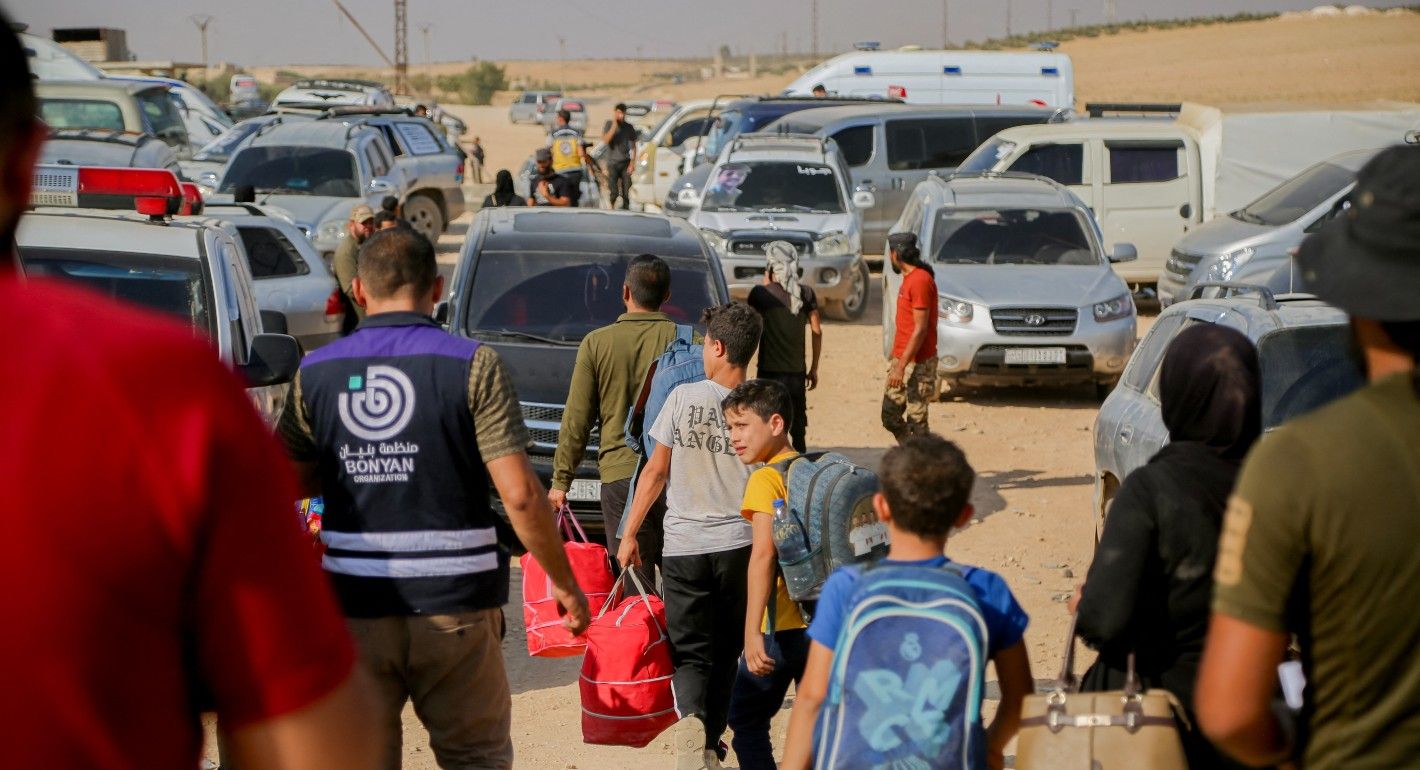
A humanitarian crisis in Lebanon deepens, and Syrian refugees face a perilous choice: remain in a war-torn environment or return to Syria where they risk encountering significant dangers and discrimination. There are significant challenges and risks to their search for safety in Syria.
Haid Haid
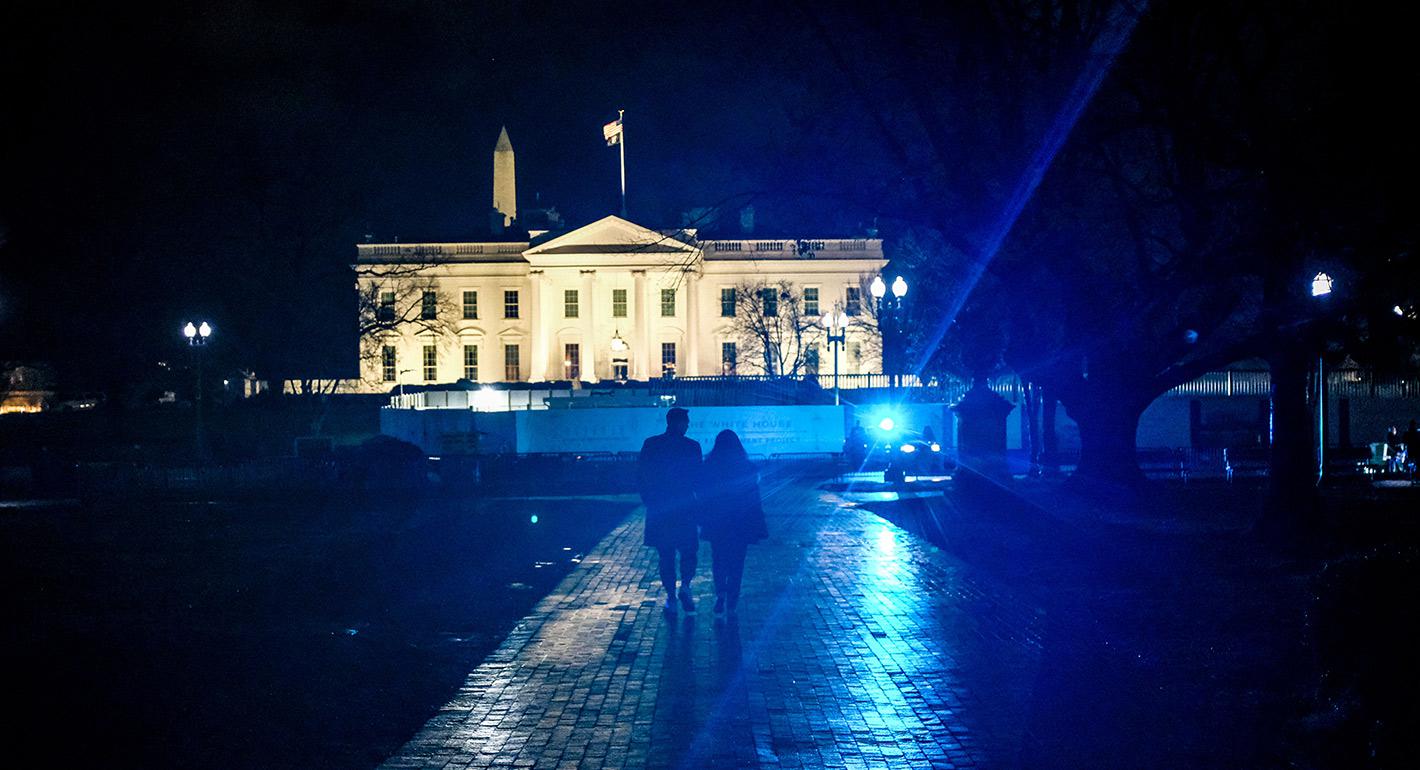
A major war with Iran is by no means inevitable. But the killing of Gen. Qassem Soleimani is a roll of the dice that just might take us there.

Aaron David Miller
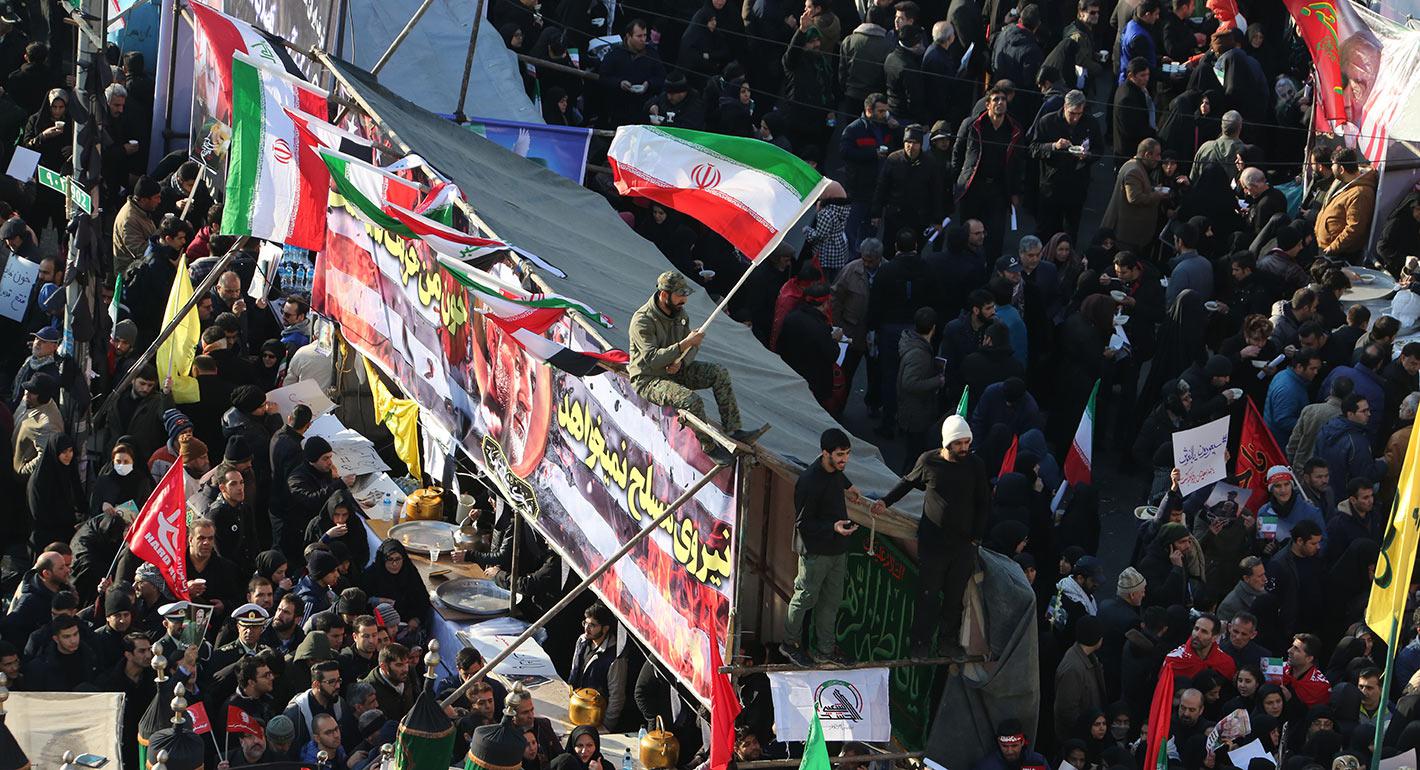
Soleimani was respected and feared, seen as either the evil mastermind behind policies of death and destruction or the genius architect of Iran’s expansionist policies.

Kim Ghattas
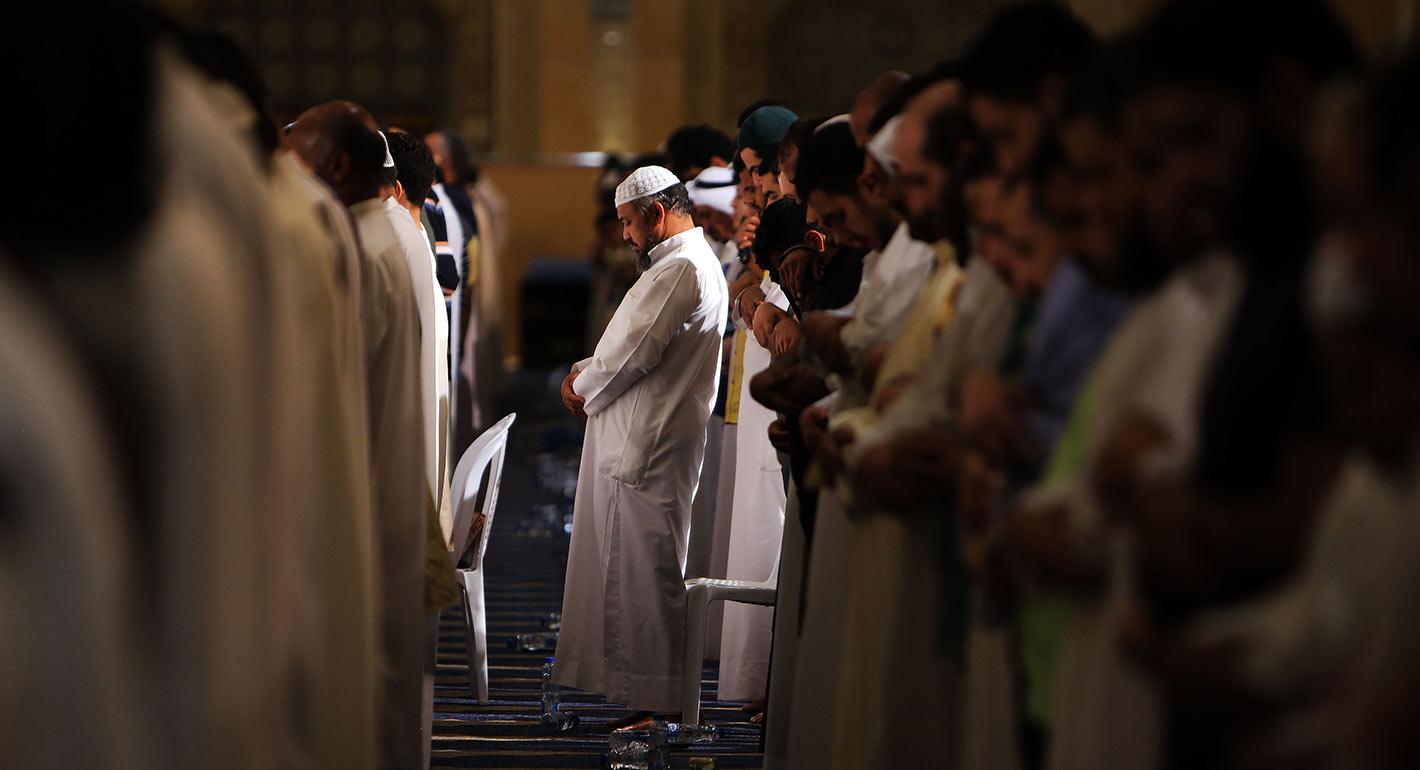
The representation of religion in mainstream media often leaves a great deal to be desired. When it comes to Islam, it is often abysmal.

H. A. Hellyer