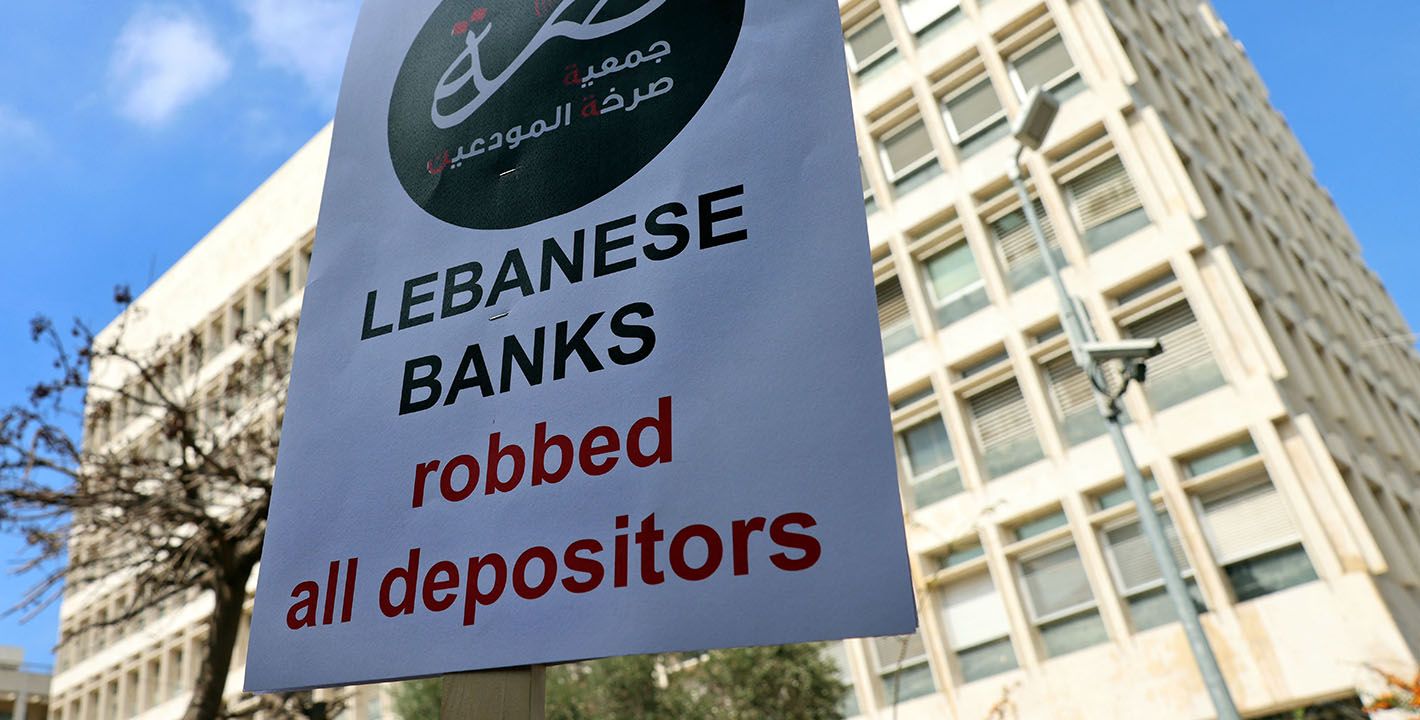
In an interview, Ishac Diwan looks at the merits and flaws in the draft legislation distributing losses from the financial collapse.
Michael Young
{
"authors": [],
"type": "pressRelease",
"centerAffiliationAll": "",
"centers": [
"Carnegie Endowment for International Peace"
],
"collections": [],
"englishNewsletterAll": "",
"nonEnglishNewsletterAll": "",
"primaryCenter": "Carnegie Endowment for International Peace",
"programAffiliation": "",
"programs": [],
"projects": [],
"regions": [
"North America",
"South America"
],
"topics": [
"Economy",
"Trade"
]
}REQUIRED IMAGE
A Doha trade agreement or a major trade pact with other developing countries, including China, would provide a small boost to Brazil’s economy.
WASHINGTON, Apr 9—A Doha trade agreement or a major trade pact with other developing countries, including China, would provide a small boost to Brazil’s economy, according to a new report from the Carnegie Endowment, the International Labour Office, and the UN Development Program.
After eight years of strong growth, Brazil has emerged as a key player in global trade negotiations and an advocate for a greater role for emerging powers in international economic policy making. At the same time, Brazilian policy makers face complex challenges as they try to grow their economy in ways that will increase employment and living standards. Carnegie’s Sandra Polaski and co-authors from the ILO and the UNDP examine the trade policy choices Brazil faces and their impact for household incomes, employment, and production at the national and regional levels.
Key points:
The authors conclude:
“As Brazil continues to integrate more deeply into the changing world economy, it is instructive to compare the relative impact of its trade policy choices, as well as the effects of the shocks it may experience as a result of greater integration…. As policy is debated, it is important that the pattern of gains and losses and the resulting adjustment costs be taken fully into account.”
###
AUTHORS
NOTES
Carnegie does not take institutional positions on public policy issues; the views represented herein are those of the author(s) and do not necessarily reflect the views of Carnegie, its staff, or its trustees.
In an interview, Ishac Diwan looks at the merits and flaws in the draft legislation distributing losses from the financial collapse.
Michael Young
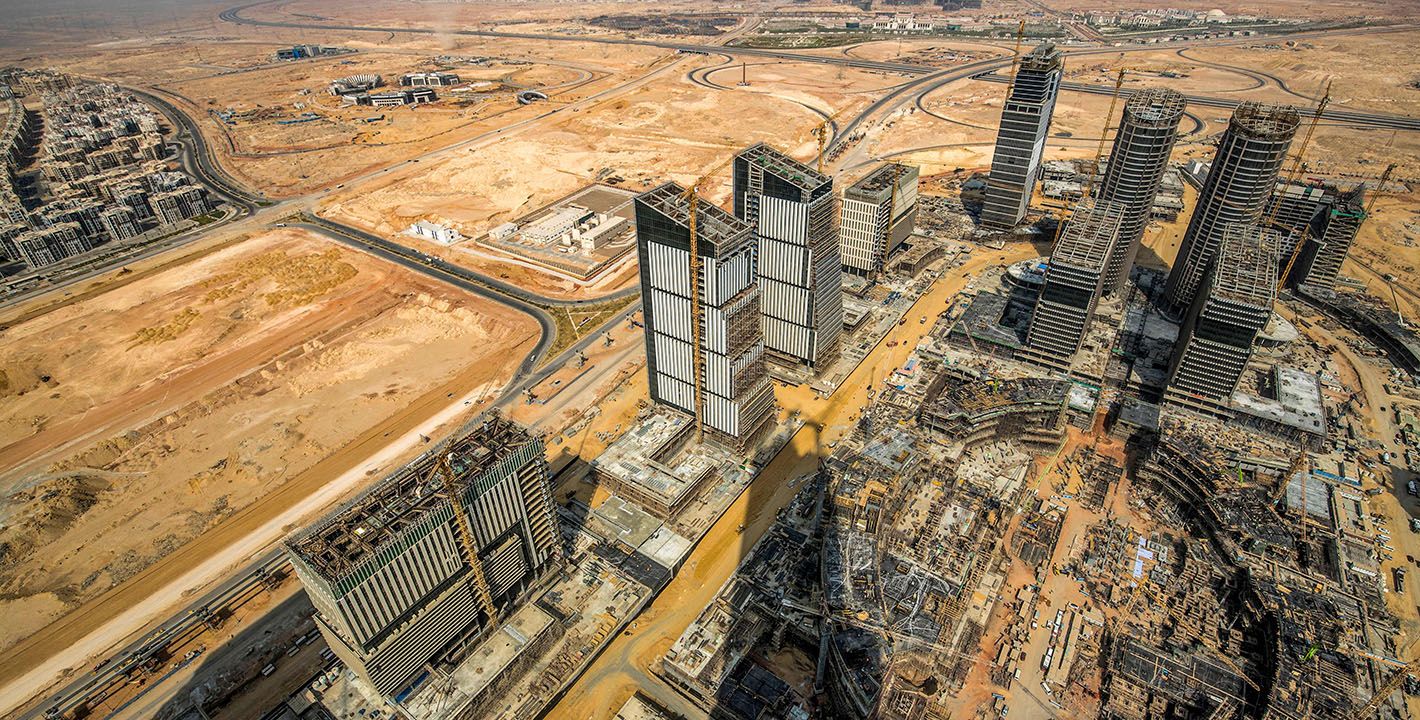
Mustaqbal Misr has expanded its portfolio with remarkable speed, but a lack of transparency remains.
Yezid Sayigh
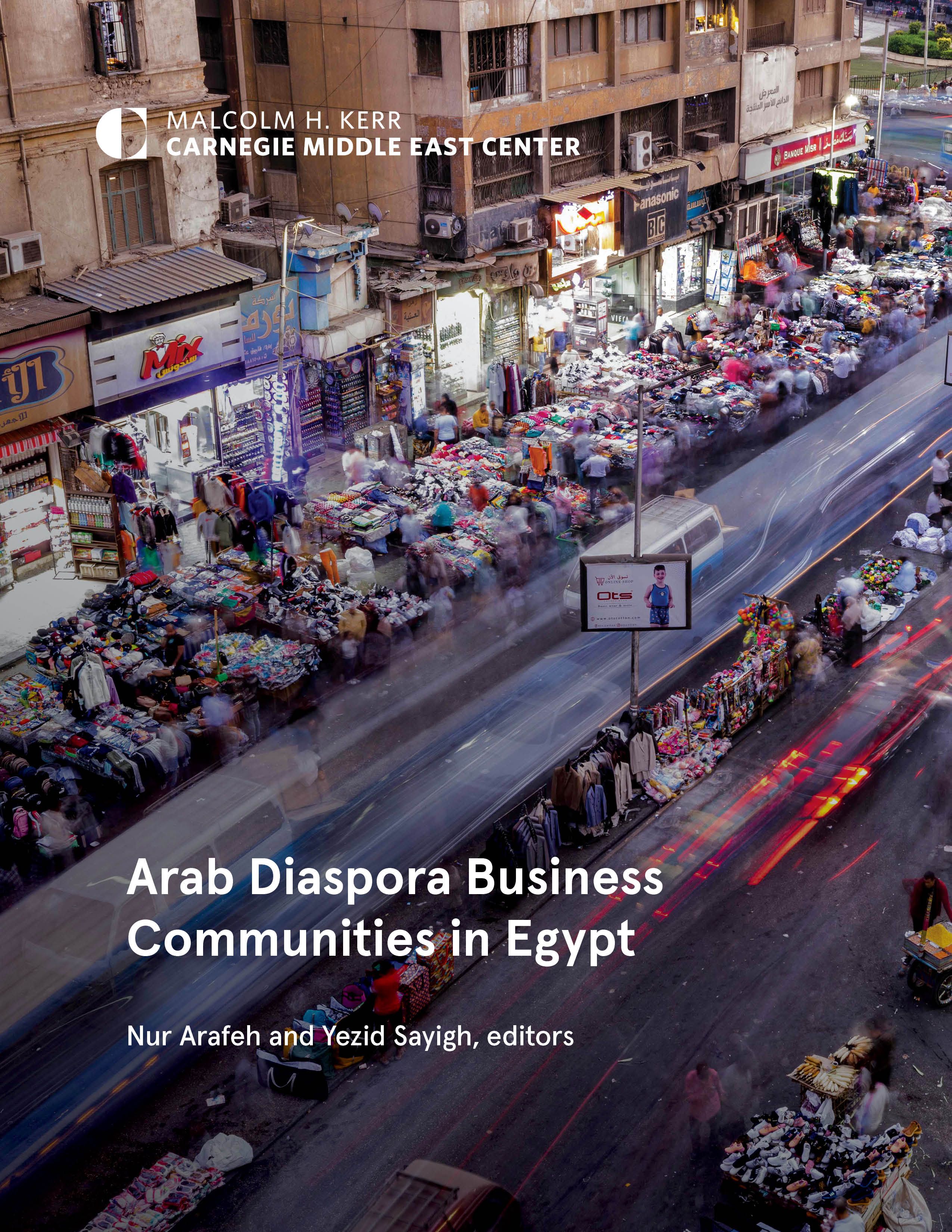
Arab diaspora business communities in Egypt often mirror the same systemic challenges facing Egyptian businesses.
Nur Arafeh, Yezid Sayigh, Qaboul al-Absi, …
Largely characterized thus far by a single-minded focus on extractivism, Riyadh must commit to greater equitability in its approach to investment and development deals with Sudan, Ethiopia, and Eritrea.
Hesham Alghannam
Once Israel’s war in the territory is brought to an end, the foundational principles guiding reconstruction should be Palestinian self-determination, local agency, and sovereignty.
Nur Arafeh, Mandy Turner