

Commentary
In an interview, Rozina Ali discusses her new book on the rise and manifestations of Islamophobia in the United States.
Michael Young
{
  "authors": [],
  "type": "pressRelease",
  "centerAffiliationAll": "",
  "centers": [
    "Carnegie Endowment for International Peace"
  ],
  "collections": [],
  "englishNewsletterAll": "",
  "nonEnglishNewsletterAll": "",
  "primaryCenter": "Carnegie Endowment for International Peace",
  "programAffiliation": "",
  "programs": [],
  "projects": [],
  "regions": [
    "United States"
  ],
  "topics": [
    "Economy",
    "Foreign Policy"
  ]
}
REQUIRED IMAGE
Sandra Polaski, director of the Carnegie Endowment’s Trade, Equity, and Development Program, has been sworn in as deputy undersecretary for international affairs at the U.S. Department of Labor’s Bureau of International Labor Affairs (ILAB).
WASHINGTON, May 4—Sandra Polaski, director of the Carnegie Endowment’s Trade, Equity, and Development Program, has been sworn in as deputy undersecretary for international affairs at the U.S. Department of Labor’s Bureau of International Labor Affairs (ILAB).
Welcoming the announcement, the president of the Endowment, Jessica T. Mathews, said:
“For seven years Sandra’s empirical and painstaking research has focused on the consequences of trade policy for household incomes, working people, and the poor. Her work has challenged received wisdom, provoked much-needed debate, and provided an invaluable resource to policy makers in developing countries, the United States, and Europe. At such an uncertain time for the globalized economy and the importance of trade in its recovery, Sandra is brilliantly suited to her new job. I know she will continue her exceptional record and be a leading voice on some of the most critical issues facing this country and the world.”
Polaski is a leading international expert on trade, development, and employment policies, and author of numerous studies, including: Winners and Losers: Impact of the Doha Round on Developing Countries, Brazil in the Global Economy: Measuring the Gains From Trade, and India's Trade Policy Choices.
As the secretary of state’s special representative for international labor affairs from 1999 to 2002, Polaski integrated labor and employment issues into U.S. trade and foreign policy and served as the lead adviser on labor provisions in the U.S.–Jordan Free Trade Agreement and the U.S.–Cambodia Textile Agreement, considered models for future agreements. Previously she served as director of research at the secretariat of the North American Commission for Labor Cooperation, a NAFTA-related intergovernmental organization.
Polaski holds degrees from the University of Dayton, University of Wisconsin, and Johns Hopkins University School of Advanced International Studies (SAIS).
###
NOTES
Carnegie does not take institutional positions on public policy issues; the views represented herein are those of the author(s) and do not necessarily reflect the views of Carnegie, its staff, or its trustees.
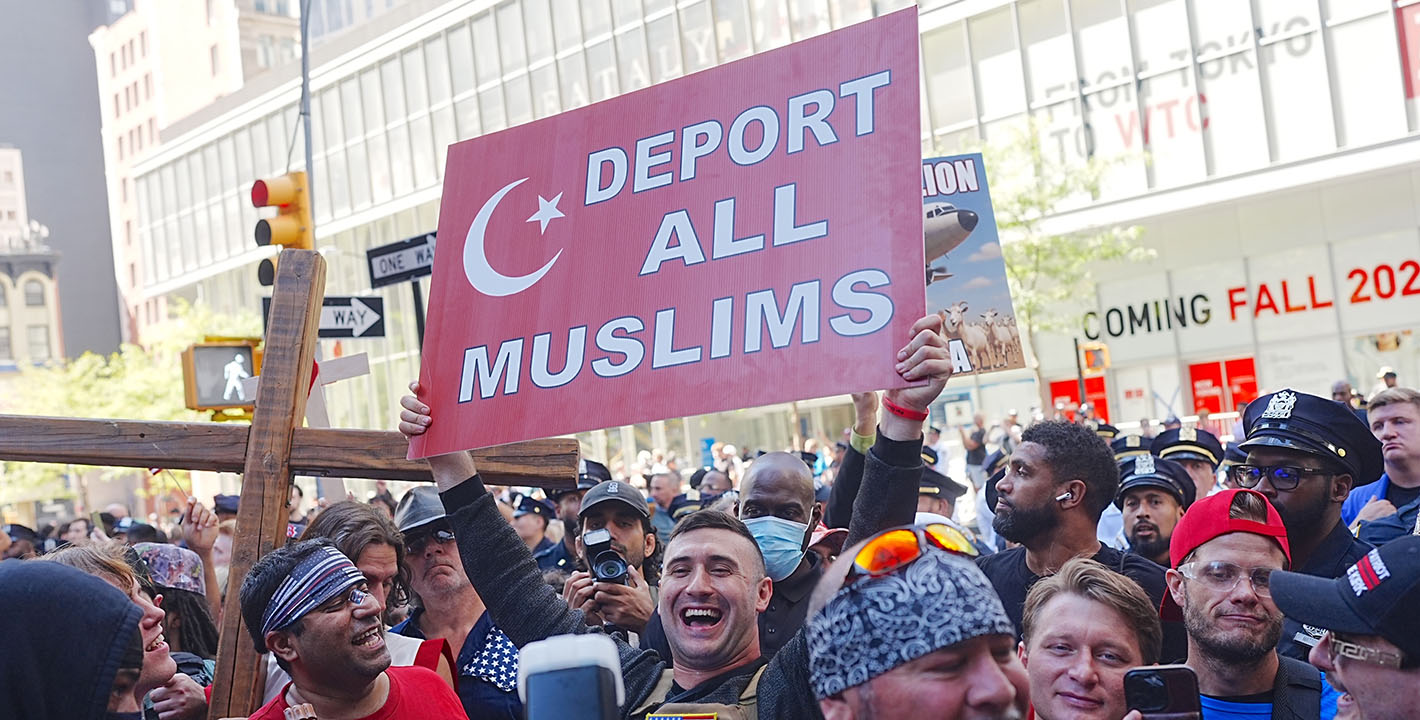
In an interview, Rozina Ali discusses her new book on the rise and manifestations of Islamophobia in the United States.

Michael Young

In an interview, Ian Lustick and Eli Clifton discuss their new book on why a prominent ally has so much influence in America.
Michael Young

As the U.S. stumbles in its war with Iran, we are likely to see an acceleration of its disengagement from the region.
Michael Young

Middle Eastern states should welcome an accelerated U.S. disengagement from their region.
Michael Young

In an interview, former ambassador Charles Freeman assesses the Trump administration’s war against Iran.
Michael Young