

Q&A
Aaron David Miller, Karim Sadjadpour, Robin Wright
{
  "authors": [
    "Karim Sadjadpour"
  ],
  "type": "legacyinthemedia",
  "centerAffiliationAll": "dc",
  "centers": [
    "Carnegie Endowment for International Peace"
  ],
  "collections": [],
  "englishNewsletterAll": "menaTransitions",
  "nonEnglishNewsletterAll": "",
  "primaryCenter": "Carnegie Endowment for International Peace",
  "programAffiliation": "MEP",
  "programs": [
    "Middle East"
  ],
  "projects": [],
  "regions": [
    "North America",
    "United States",
    "Middle East",
    "Iran"
  ],
  "topics": [
    "Political Reform",
    "Foreign Policy"
  ]
}
Source: Getty
In the aftermath of Iran's disputed election the opposition has grown bolder, seeking to fundamentally change the system of government by abolishing or seriously weakening unelected leadership positions, including that of the Supreme Leader, whose authority has never been challenged before.
Source: NPR's Fresh Air

Having expelled most foreign reporters, the Iranian regime is using overwhelming force in an attempt to crush the opposition and maintain their grip on power. But the rank-and-file of the Revolutionary Guards may resist orders to crack down harder on demonstrators, potentially fracturing an important pillar of Khamenei and Ahmadinejad’s authority.
In the aftermath of the elections the opposition has grown bolder, seeking to fundamentally change the system of government by abolishing or seriously weakening unelected leadership positions, including that of the Supreme Leader, whose authority has never been challenged before. Before the June 12 elections, opposition supporters hoped for change within the confines of the Islamic Republic’s current system.
Mousavi himself has evolved since the elections, from an uncharismatic Revolution elder to a defiant opposition leader who enjoys a symbiotic relationship with the protesters. The size of the crowds in the street enable his defiance; his willingness to stand up to Supreme Leader Ayatollah Khamenei energizes the crowd and has earned him tremendous respect.

Senior Fellow, Middle East Program
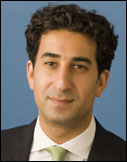
Karim Sadjadpour is a senior fellow at the Carnegie Endowment for International Peace, where he focuses on Iran and U.S. foreign policy toward the Middle East.
Recent Work


Aaron David Miller, Karim Sadjadpour, Robin Wright
Aaron David Miller, David Petraeus, Karim Sadjadpour
Carnegie does not take institutional positions on public policy issues; the views represented herein are those of the author(s) and do not necessarily reflect the views of Carnegie, its staff, or its trustees.
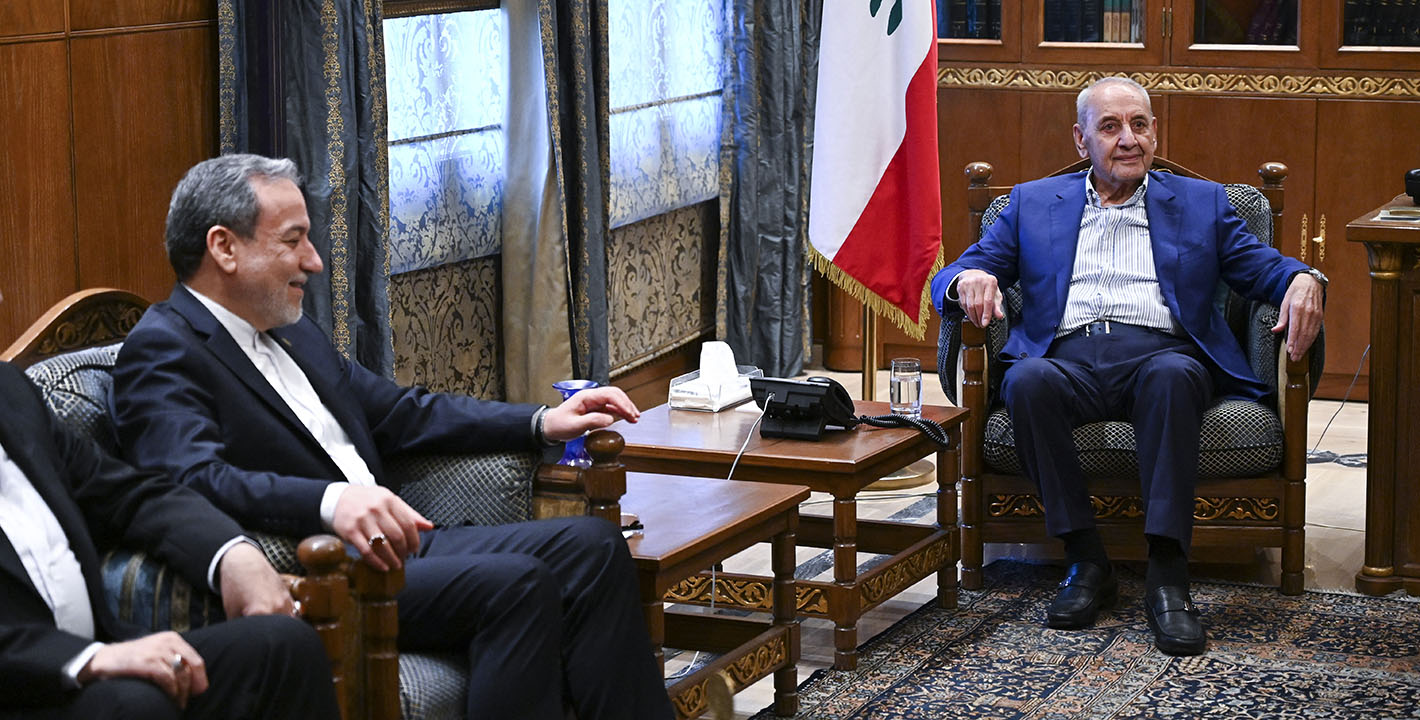
A prerequisite of serious talks is that the country’s leadership consolidates majority national support for such a process.

Michael Young
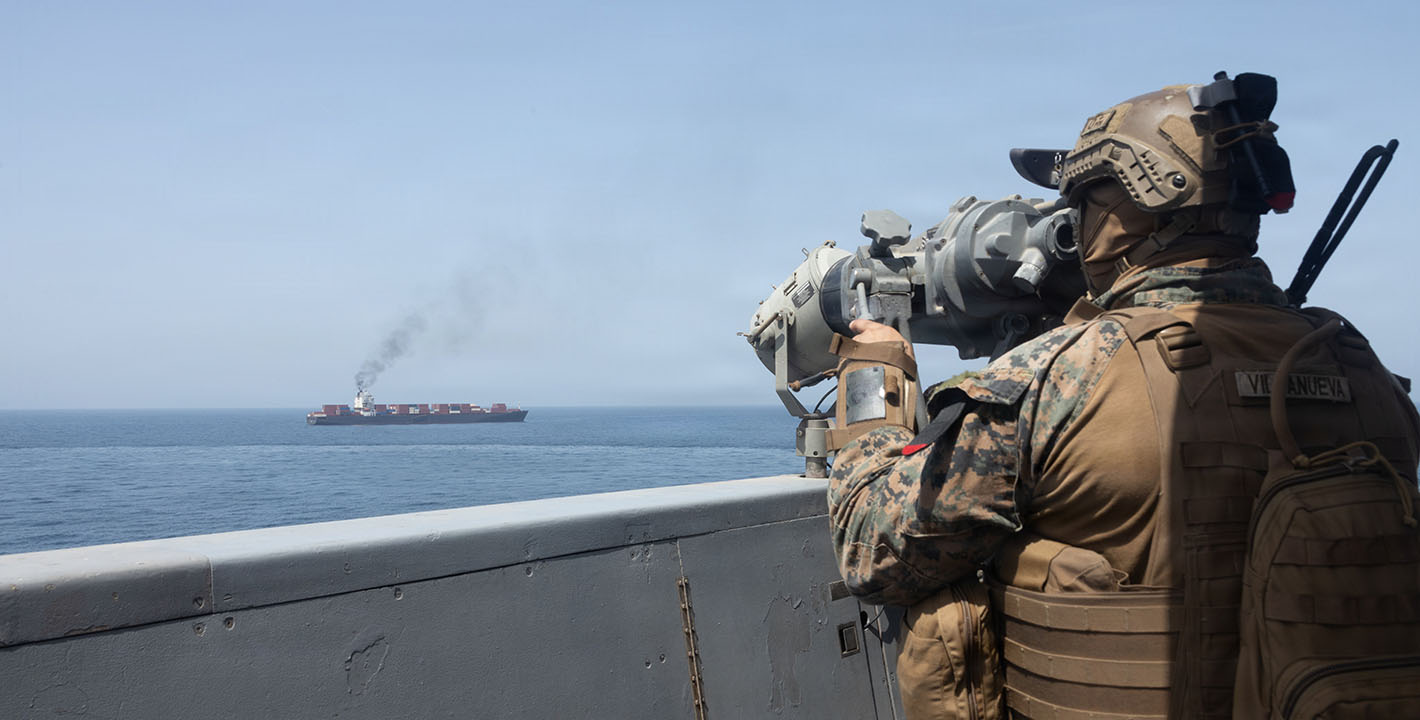
In an interview, Jim Lamson discusses the ongoing regional conflict and sees an unclear picture when it comes to winners and losers.
Michael Young
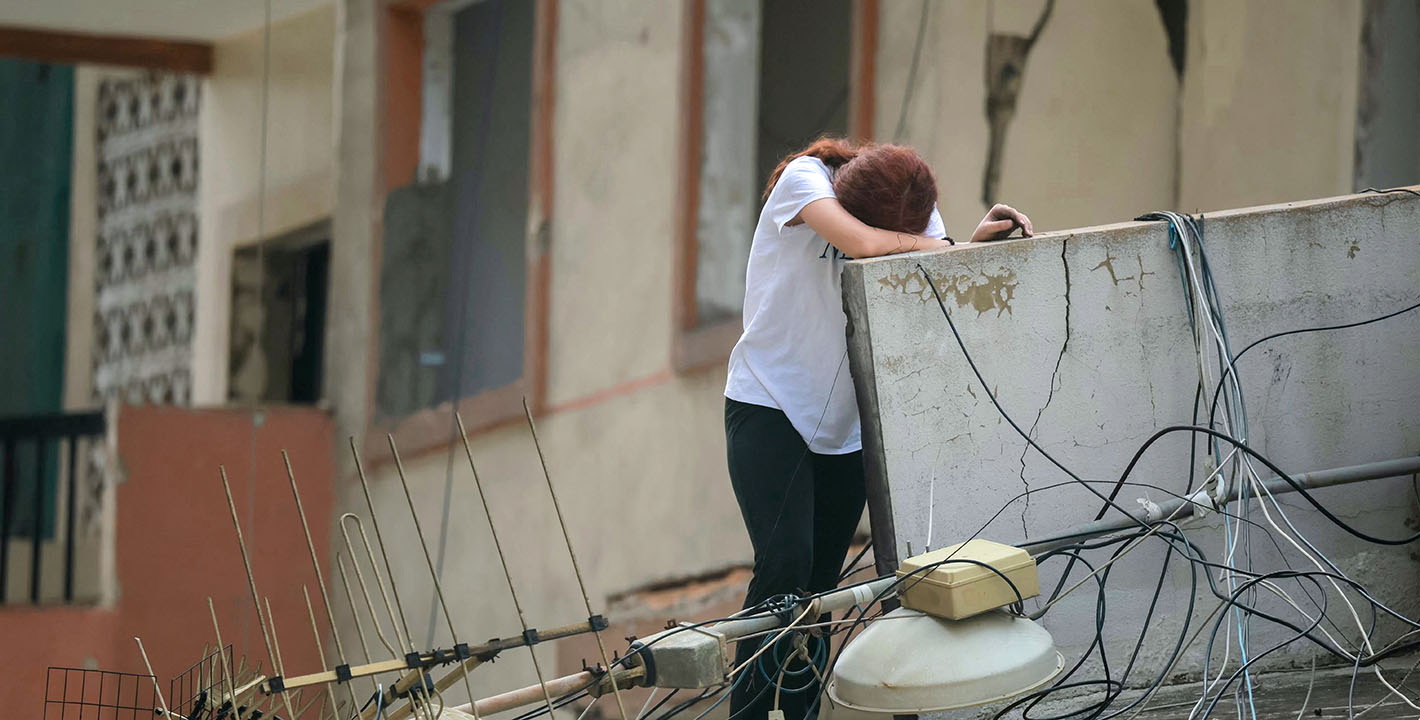
Unless Beirut lowers expectations, any setbacks will end up bolstering Hezbollah’s narrative.

Mohanad Hage Ali
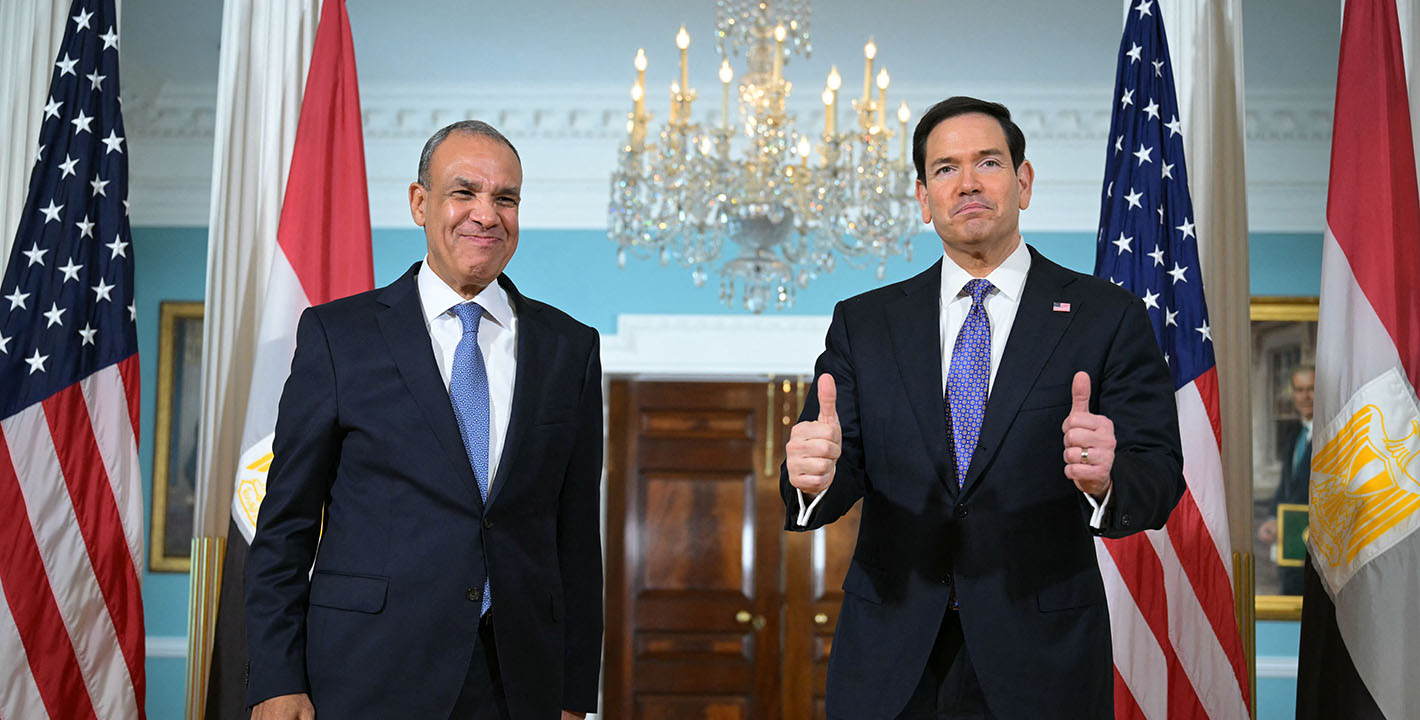
Cairo’s efforts send a message to the United States and the region that it still has a place at the diplomatic table.

Angie Omar
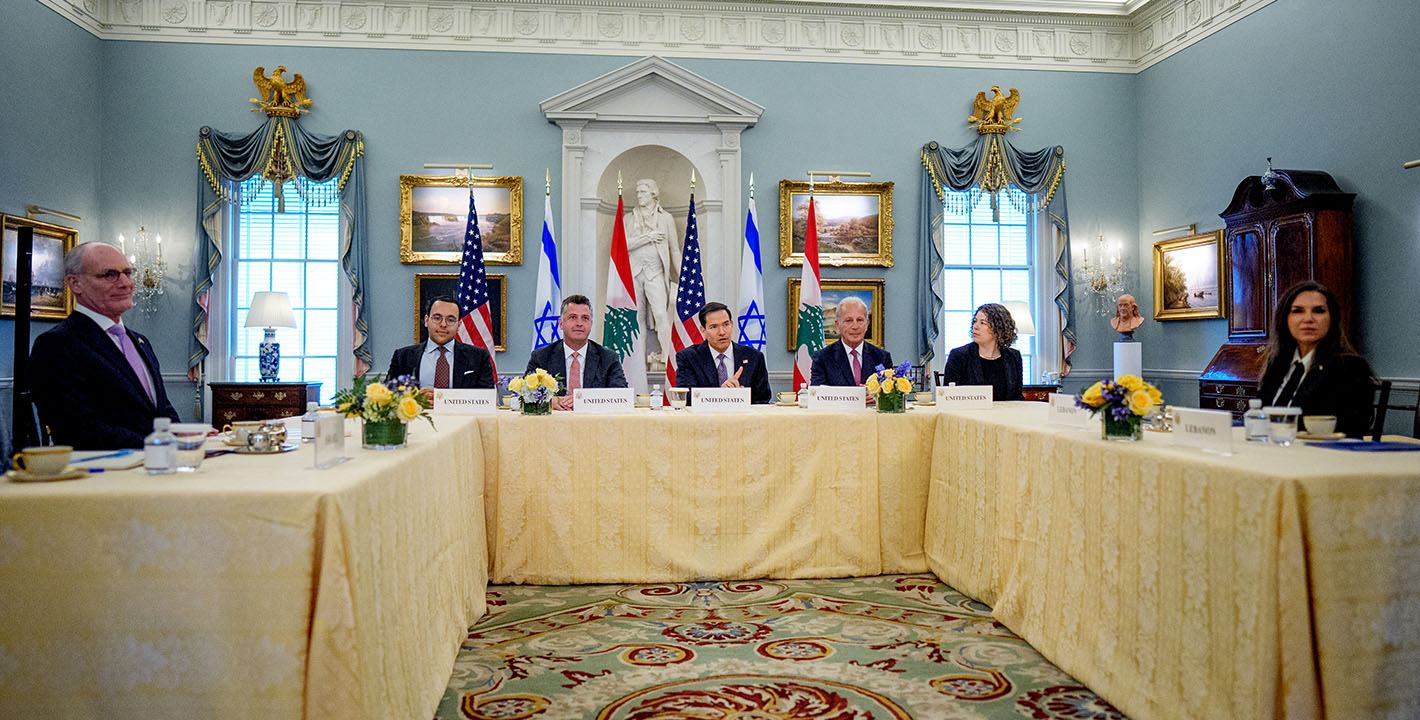
Beirut’s desire to break free from Iranian hegemony may push it into a situation where it has to accept Israel’s hegemony.
Michael Young