• Research
  • Diwan
  • About
  • Experts
Carnegie Middle East logoCarnegie lettermark logo
LebanonIran
{
  "authors": [
    "James M. Acton"
  ],
  "type": "legacyinthemedia",
  "centerAffiliationAll": "dc",
  "centers": [
    "Carnegie Endowment for International Peace"
  ],
  "collections": [
    "Korean Peninsula"
  ],
  "englishNewsletterAll": "",
  "nonEnglishNewsletterAll": "",
  "primaryCenter": "Carnegie Endowment for International Peace",
  "programAffiliation": "NPP",
  "programs": [
    "Nuclear Policy"
  ],
  "projects": [],
  "regions": [
    "East Asia",
    "South Korea",
    "North Korea"
  ],
  "topics": [
    "Nuclear Policy"
  ]
}
Source: Getty

In The Media

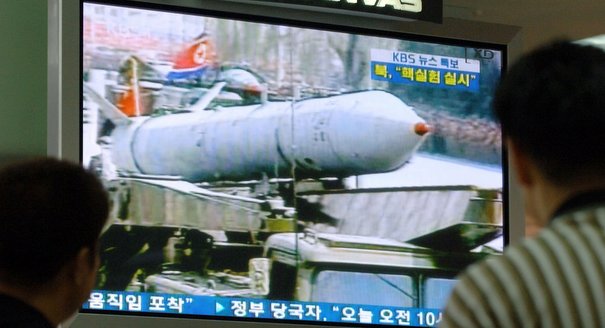
Verifying North Korea's Nuclear Programme: Technical Options and Policy Choices

This paper, presented at the Institute of Nuclear Materials Management (INMM) 50th Annual Meeting, considers the challenges and policy choices associated with verifying a North Korean declaration about its past nuclear activities.

Link Copied
By James M. Acton
Published on Jul 12, 2009

Source: INMM Conference Paper

Verifying North Korea's Nuclear Programme: TechnicThis paper considers the challenges and policy choices associated with verifying a North Korean declaration about its past nuclear activities. In terms of the plutonium programme, there are two key choices facing policy makers. First, in light of North Korea’s reported statement that its October 2006 test involved only 2 kg of plutonium, is the IAEA’s standard definition of a significant quantity appropriate? Second, using open source information, this paper argues that the uncertainty in the material unaccounted for, σ(MUF), will be between 5 and 10 kg, depending on the degree of cooperation afforded by North Korea. In order to ensure that verification produces a conclusive answer, the magnitude of σ(MUF) will necessitate some combination of decreasing the detection probability and increasing the false alarm rate from their standard IAEA values, or adopting entirely different criteria against which to assess North Korean compliance. The paper also includes a discussion of the process for verifying the absence or existence of a clandestine uranium enrichment programme by formulating it as a Bayesian inference problem. This framework, together with an analysis of the politics of inspections at undeclared locations suggests that, unless detailed intelligence pinpointing the location of a clandestine centrifuge facility is available, inspection rights at undeclared facilities may be of limited utility.

About the Author

James M. Acton

Jessica T. Mathews Chair, Co-director, Nuclear Policy Program

Acton holds the Jessica T. Mathews Chair and is co-director of the Nuclear Policy Program at the Carnegie Endowment for International Peace.

    Recent Work

  • Other
    Unpacking Trump’s National Security Strategy
      • Cecily Brewer
      • +18

      James M. Acton, Saskia Brechenmacher, Cecily Brewer, …

  • Commentary
    Trump Has an Out on Nuclear Testing. He Should Take It.

      James M. Acton

James M. Acton
Jessica T. Mathews Chair, Co-director, Nuclear Policy Program
James M. Acton
Nuclear PolicyEast AsiaSouth KoreaNorth Korea

Carnegie does not take institutional positions on public policy issues; the views represented herein are those of the author(s) and do not necessarily reflect the views of Carnegie, its staff, or its trustees.

More Work from Malcolm H. Kerr Carnegie Middle East Center

  • Commentary
    China’s Evolving Economic and Security Role in the Middle East

    The advantage that China has over other global powers, especially America, is that its foreign policy is closely aligned with those of many of the Middle Eastern countries.

      Jin Liangxiang, Maha Yahya, Hesham Alghannam
  • Article
    The Geopolitics of Economic Development in the Middle East

    To create an environment more conducive to cooperation and development, U.S. and Chinese efforts should seek the endorsement of neighboring countries and regional organizations. Otherwise, regional and geopolitical rivalries will remain barriers.
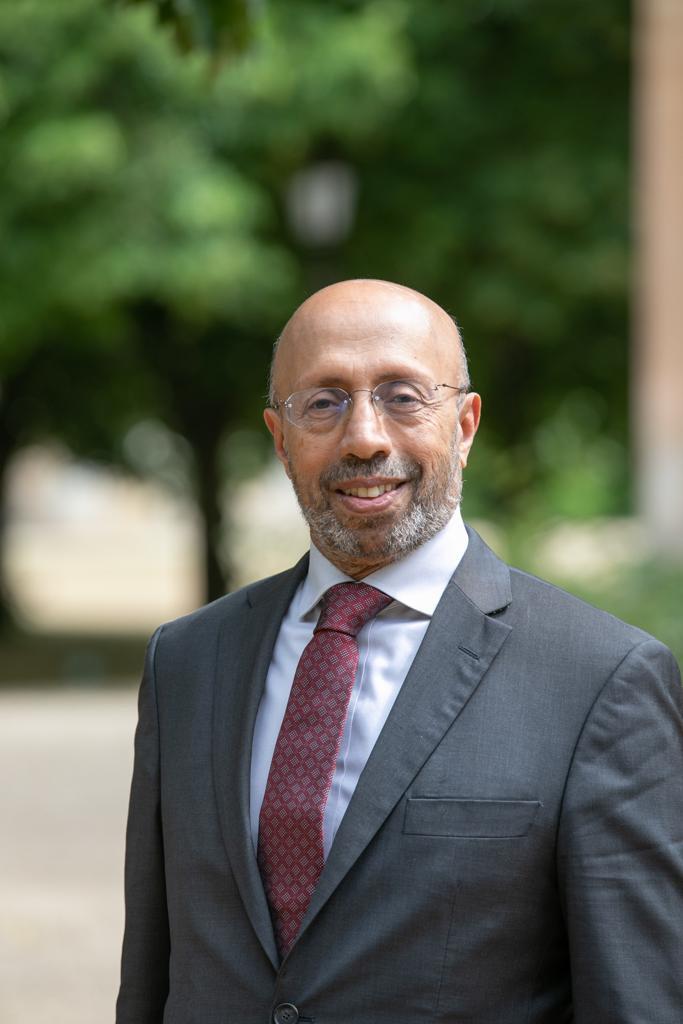
      Abdullah Baabood
  • Commentary
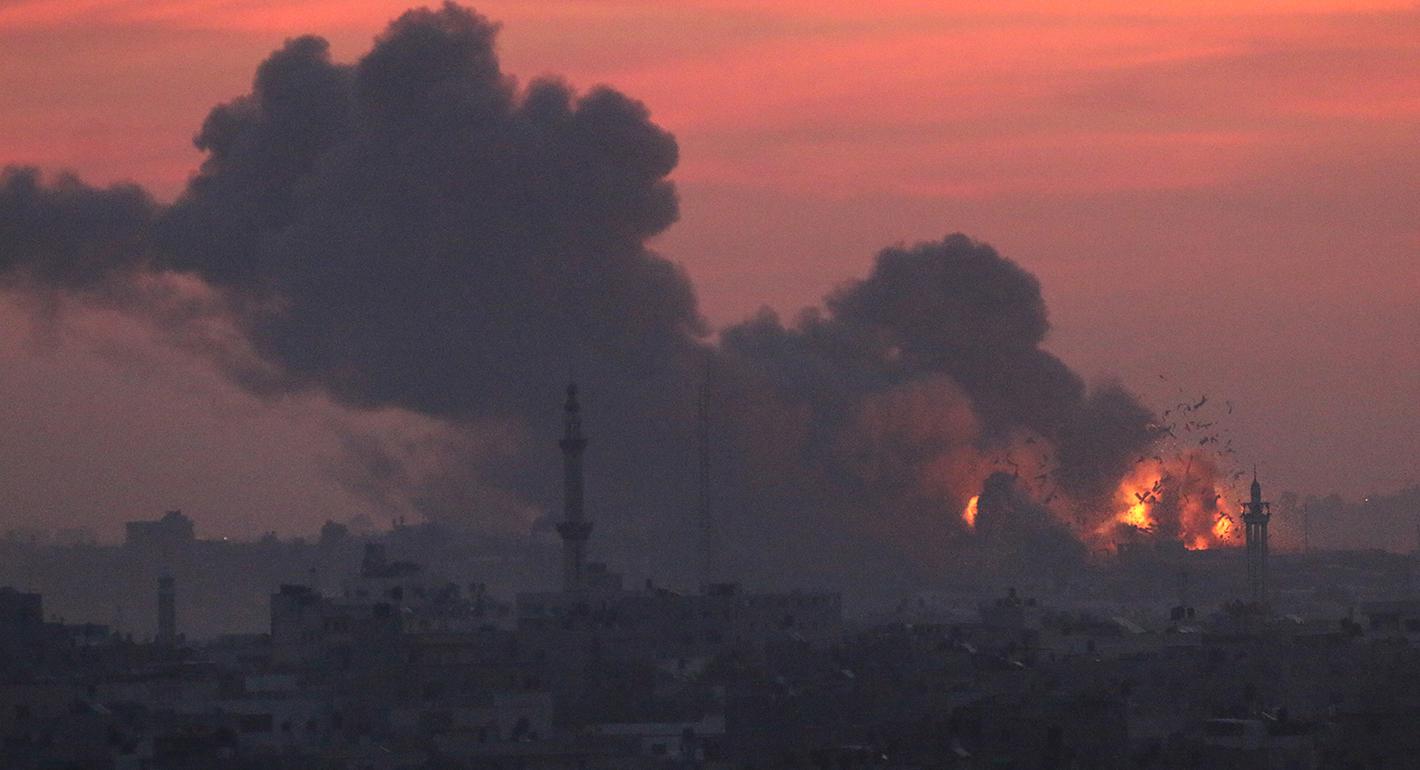
    The Gaza War and the Rest of the World

    Scholars from Carnegie’s global network comment on how the ongoing conflict between Israelis and Palestinians is affecting their areas of interest, and what the implications of this may be.


      • +11

      Maha Yahya, Rosa Balfour, Judy Dempsey, …
  • Commentary
    Diwan
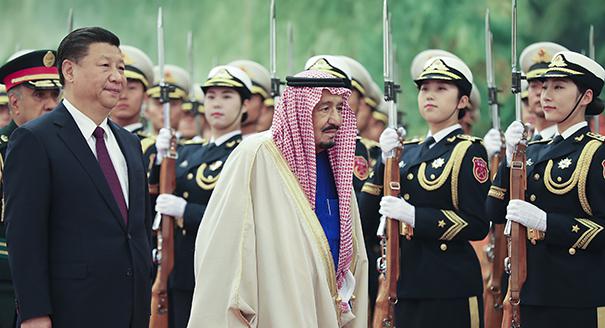
    China’s Middle Eastern Moment

    In an interview, Abdullah Baabood discusses Beijing’s evolving role in the Gulf region, where its priority is stability.

      Michael Young

  • Article
    Why China Is Emerging as a Main Promoter of Stability in the Strait of Hormuz

    Because of its reliance on the Gulf region for much of its oil and gas, China has a strong interest in preserving security in the region, an early example of which was its mediation of the recent Saudi Arabia-Iran reconciliation.

      Abdullah Baabood

Get more news and analysis from
Malcolm H. Kerr Carnegie Middle East Center
Carnegie Middle East logo, white
  • Research
  • Diwan
  • About
  • Experts
  • Projects
  • Events
  • Contact
  • Careers
  • Privacy
  • For Media
Get more news and analysis from
Malcolm H. Kerr Carnegie Middle East Center
© 2026 Carnegie Endowment for International Peace. All rights reserved.