

Q&A
Christopher Boucek
{
  "authors": [
    "Christopher Boucek"
  ],
  "type": "legacyinthemedia",
  "centerAffiliationAll": "dc",
  "centers": [
    "Carnegie Endowment for International Peace"
  ],
  "collections": [],
  "englishNewsletterAll": "menaTransitions",
  "nonEnglishNewsletterAll": "",
  "primaryCenter": "Carnegie Endowment for International Peace",
  "programAffiliation": "MEP",
  "programs": [
    "Middle East"
  ],
  "projects": [],
  "regions": [
    "Saudi Arabia"
  ],
  "topics": [
    "Security"
  ]
}
Source: Getty
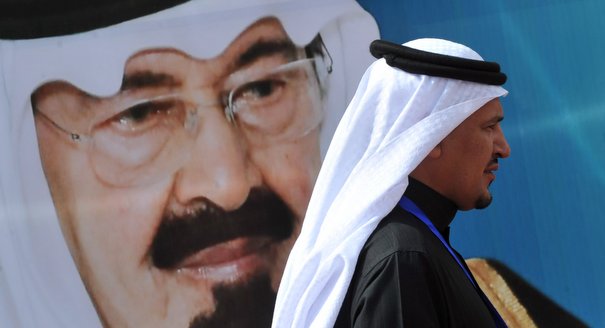
Despite recent research, much remains unknown Saudi prisons, rehabilitation centers, and courtrooms.
Source: Jurist

As of March 2009 - according to the Ministry of Interior - there were approximately 4,200 people detained in Saudi Arabia on charges connected to security and terrorism. This is reportedly down from a high of somewhere around 12,000 people held at the height of the security clampdown several years ago. Saudi officials have stated that over 11,400 people have been interrogated and released. Before September 11th, 2001, there were just under 200 people held in Saudi prisons on allegations of terrorism.
Prolonged detention will continue to be a major issue in counter-terrorism, not just in Saudi Arabia but everywhere terrorists are detained. There are currently no good methods to determine when to let a security detainee out of custody. There is an urgent need to develop comprehensive risk assessment tools to evaluate security detainees prior to release. Until we have such risk assessment tools, the issue of continued detention will persist.
For the past several years, Saudi officials have discussed plans to try accused terrorists under Islamic law in open court. A total of 991 individuals were to go on trial in connection with a number of domestic terrorist attacks. In July it was announced that a special court had convicted 330 people; several suspects were also acquitted. This was the first official confirmation that the trials had commenced. Very little information has been forthcoming about the trials, procedures, or the evidence used. Since the verdicts were announced, the names, charges, and sentences of the convicted have not been released. Despite earlier assertions to the contrary, it seems that foreign observers were not permitted to attend the trials.
The report also observes that many of those that have been released through Saudi Arabia's rehabilitation program were not engaged in violence, but were sympathizers or logistics and support personnel. However, this is not necessarily a deficiency in the Saudi approach. Individuals that have participated in violence within the kingdom are not released through the Counseling Program. All of the senior experienced operational leaders in the country have either been killed or captured. Focusing on lower-level operatives has worked to prevent supporters and sympathizers from moving closer to violence and filling those gaps.
Former Associate, Middle East Program
Boucek was an associate in the Carnegie Middle East Program where his research focused on security challenges in the Arabian Peninsula and Northern Africa.
Recent Work
Christopher Boucek

Christopher Boucek, Karim Sadjadpour
Carnegie does not take institutional positions on public policy issues; the views represented herein are those of the author(s) and do not necessarily reflect the views of Carnegie, its staff, or its trustees.
This will be the region’s most representative tournament, amid broad changes in its footballing landscape.
Issam Kayssi
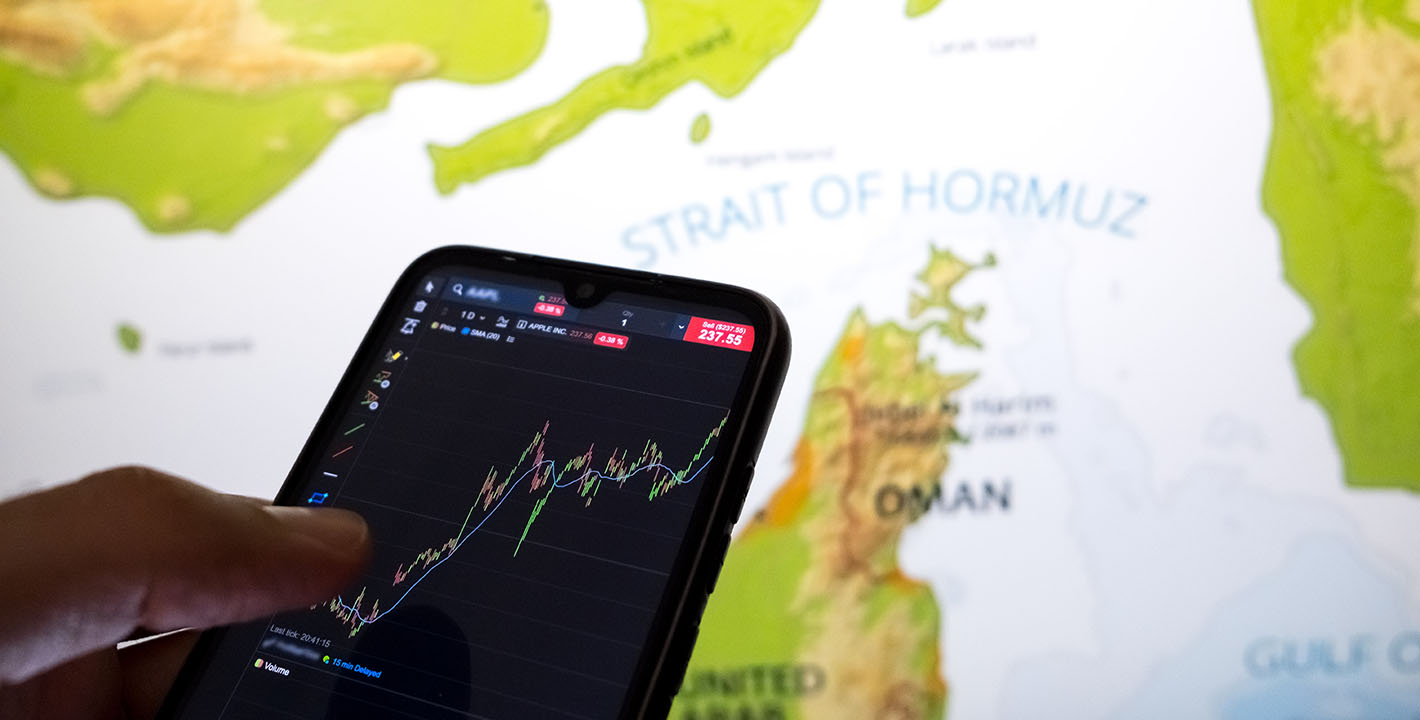
In an interview, Roger Diwan discusses where the global economy may be going in the third week of the U.S.-Israeli war with Iran.
Nur Arafeh
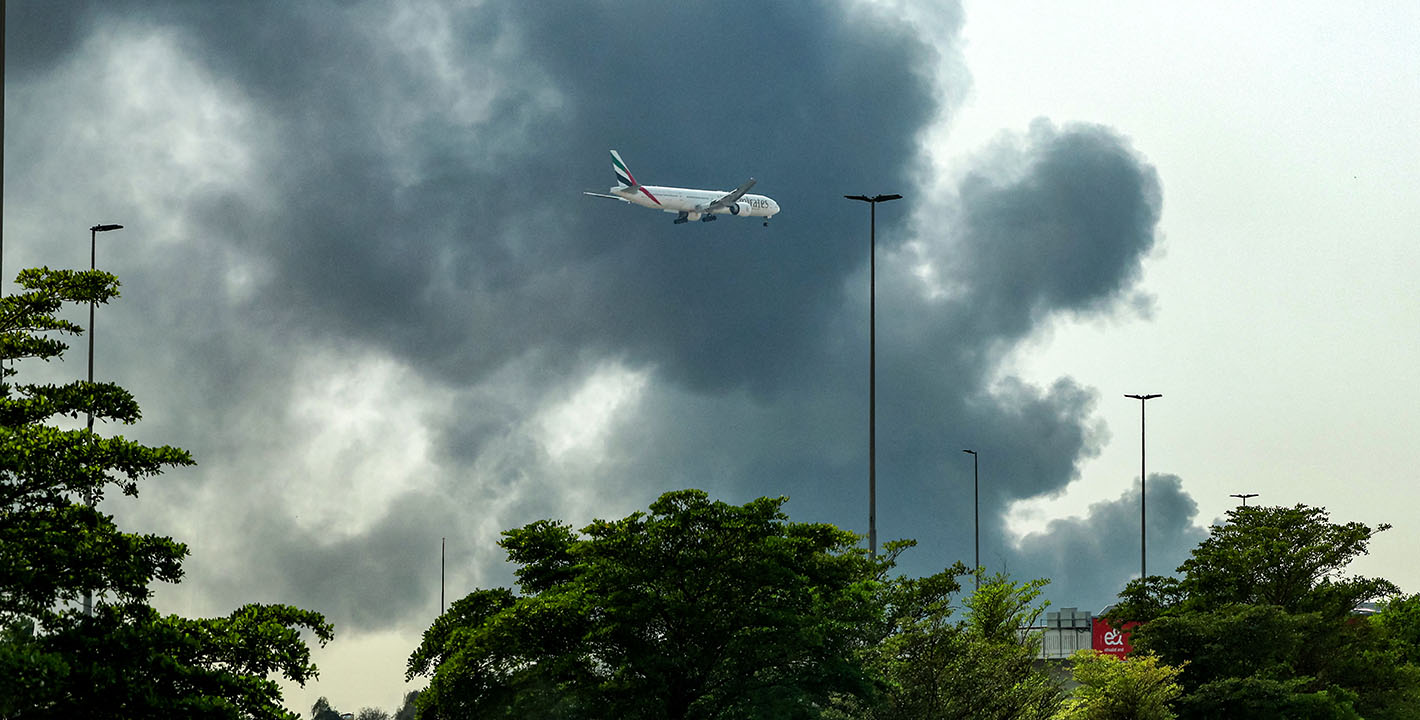
In an interview, Andrew Leber discusses the impact the U.S. and Israeli war against Iran is having on Arab Gulf states.

Michael Young

In an interview, Hassan Mneimneh discusses the ongoing conflict and the myriad miscalculations characterizing it.
Michael Young

Just look at Iraq in 1991.

Marwan Muasher