

Q&A
Christopher Boucek
{
  "authors": [
    "Christopher Boucek"
  ],
  "type": "legacyinthemedia",
  "centerAffiliationAll": "dc",
  "centers": [
    "Carnegie Endowment for International Peace"
  ],
  "collections": [],
  "englishNewsletterAll": "menaTransitions",
  "nonEnglishNewsletterAll": "",
  "primaryCenter": "Carnegie Endowment for International Peace",
  "programAffiliation": "MEP",
  "programs": [
    "Middle East"
  ],
  "projects": [],
  "regions": [
    "Saudi Arabia"
  ],
  "topics": [
    "Security"
  ]
}
Source: Getty
Saudi Arabia is a major U.S. ally among Arab nations, yet most Americans know little about its modern system of governance or its ruling monarchy. Under reformer King Abdullah, Saudi society is changing.
Source: WAMU's Kojo Nnamdi Show

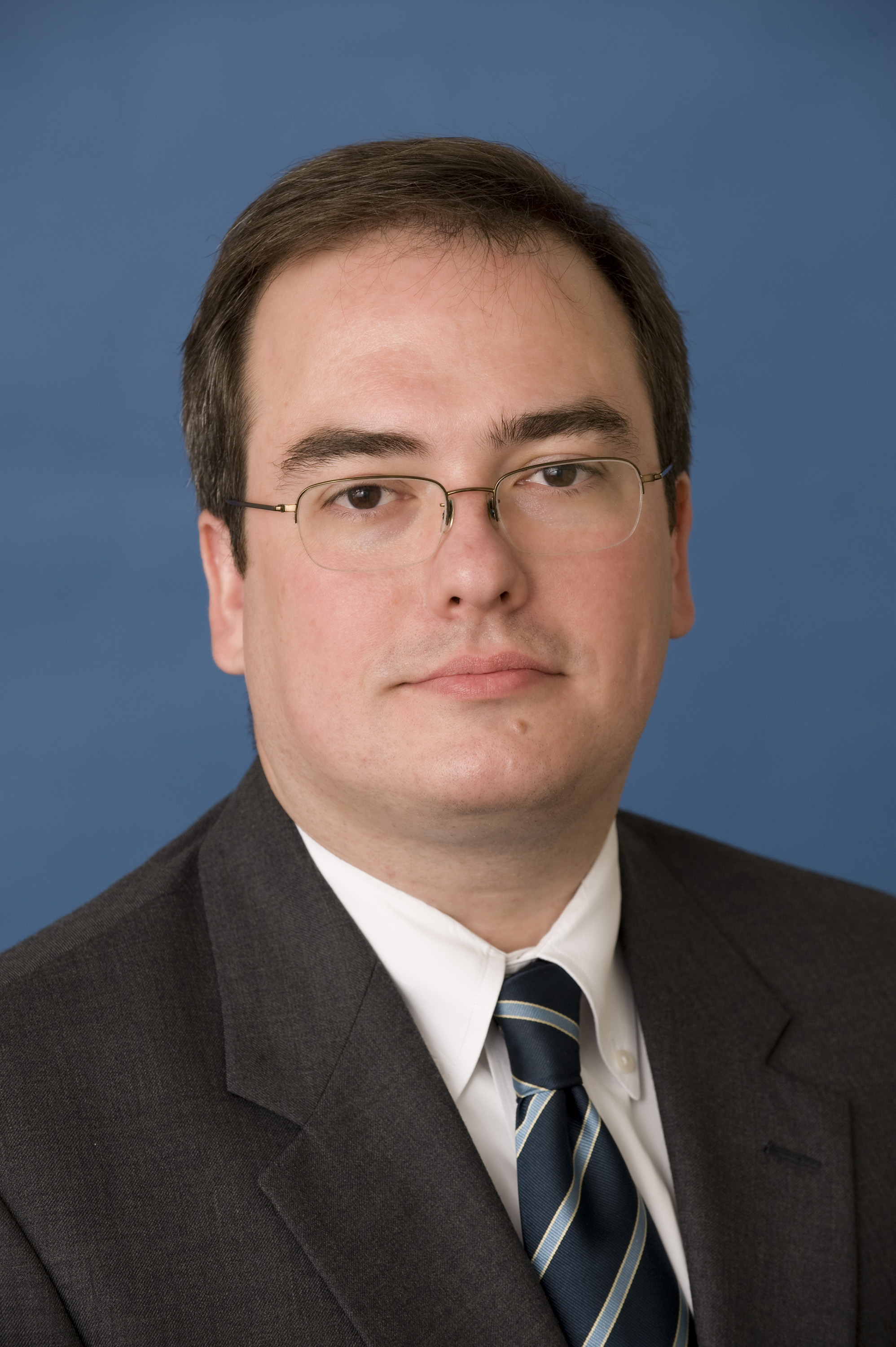
Former Associate, Middle East Program
Boucek was an associate in the Carnegie Middle East Program where his research focused on security challenges in the Arabian Peninsula and Northern Africa.
Recent Work
Christopher Boucek

Christopher Boucek, Karim Sadjadpour
Carnegie does not take institutional positions on public policy issues; the views represented herein are those of the author(s) and do not necessarily reflect the views of Carnegie, its staff, or its trustees.
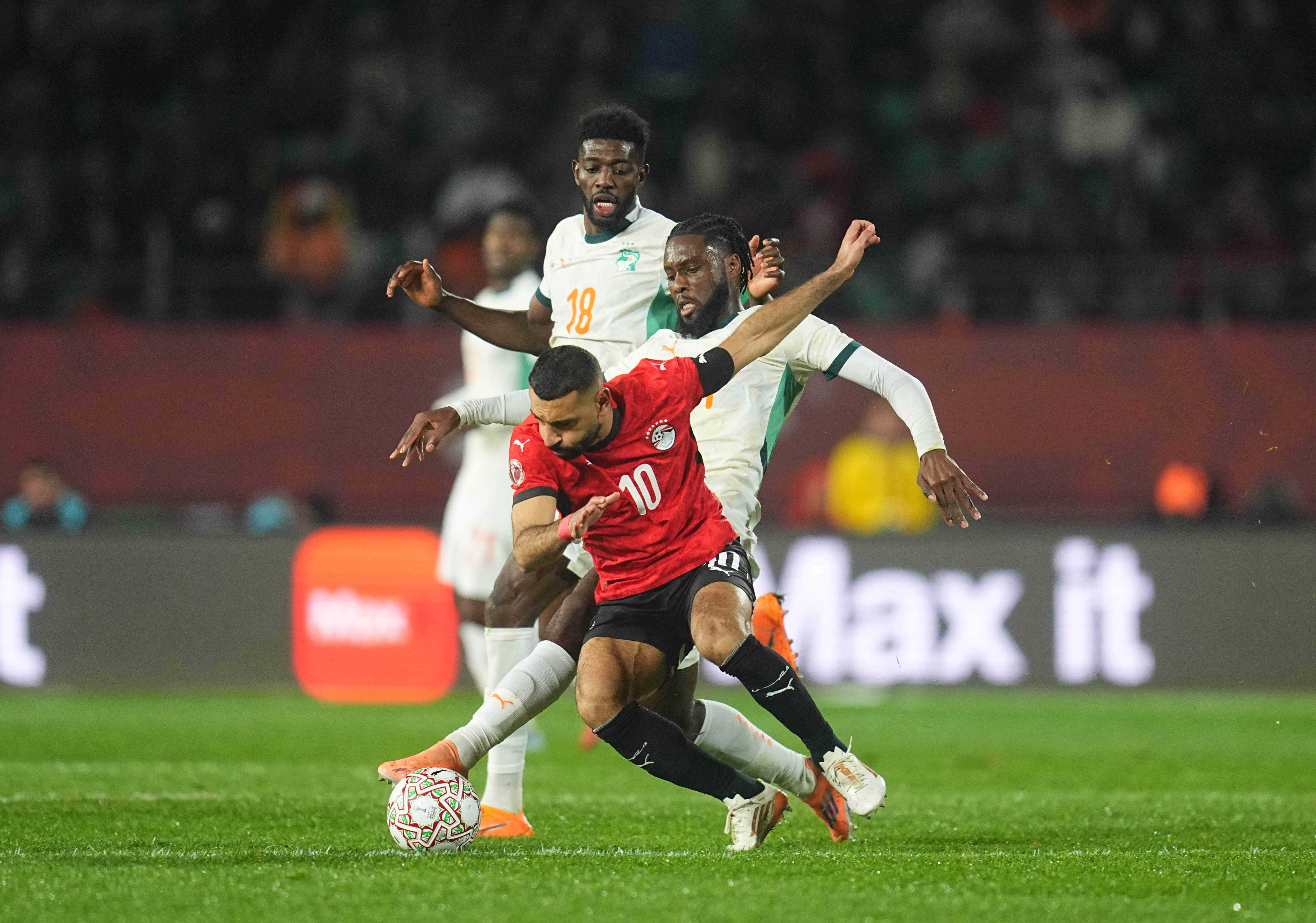
This will be the region’s most representative tournament, amid broad changes in its footballing landscape.

Issam Kayssi
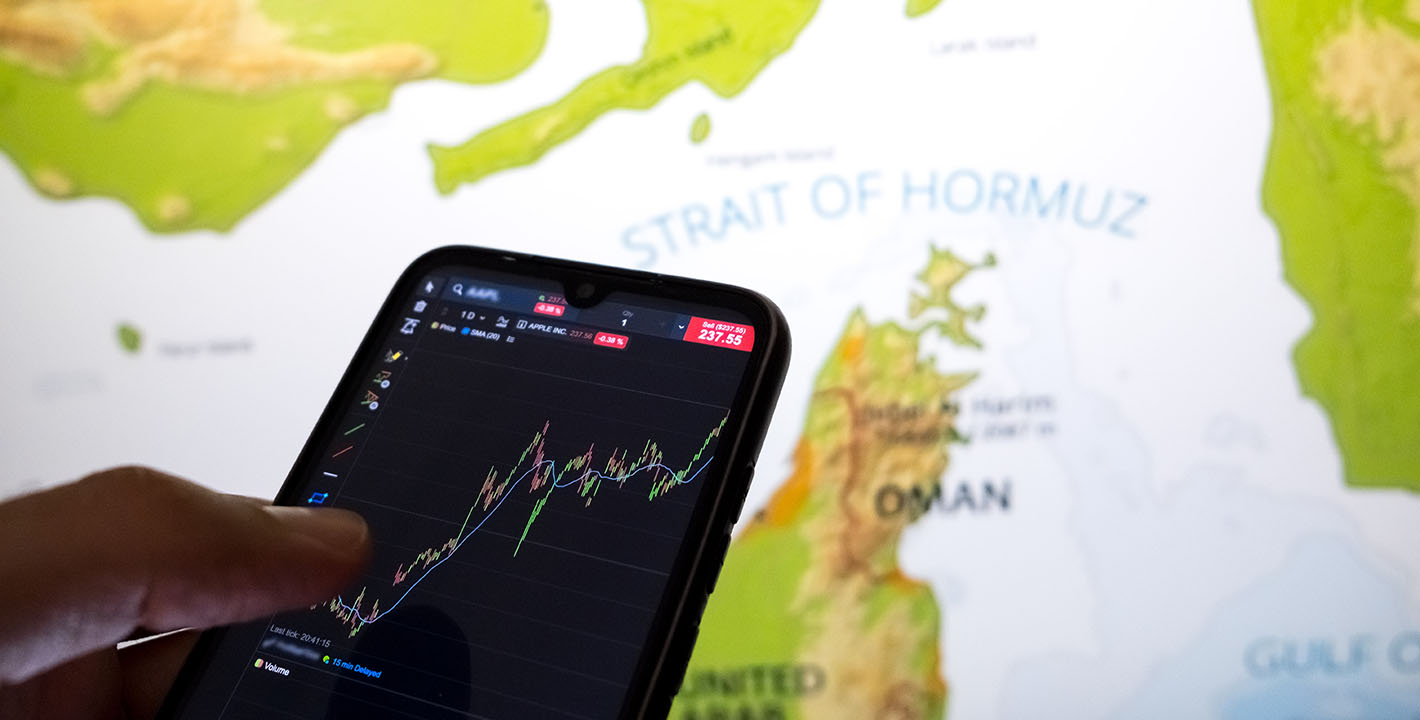
In an interview, Roger Diwan discusses where the global economy may be going in the third week of the U.S.-Israeli war with Iran.
Nur Arafeh
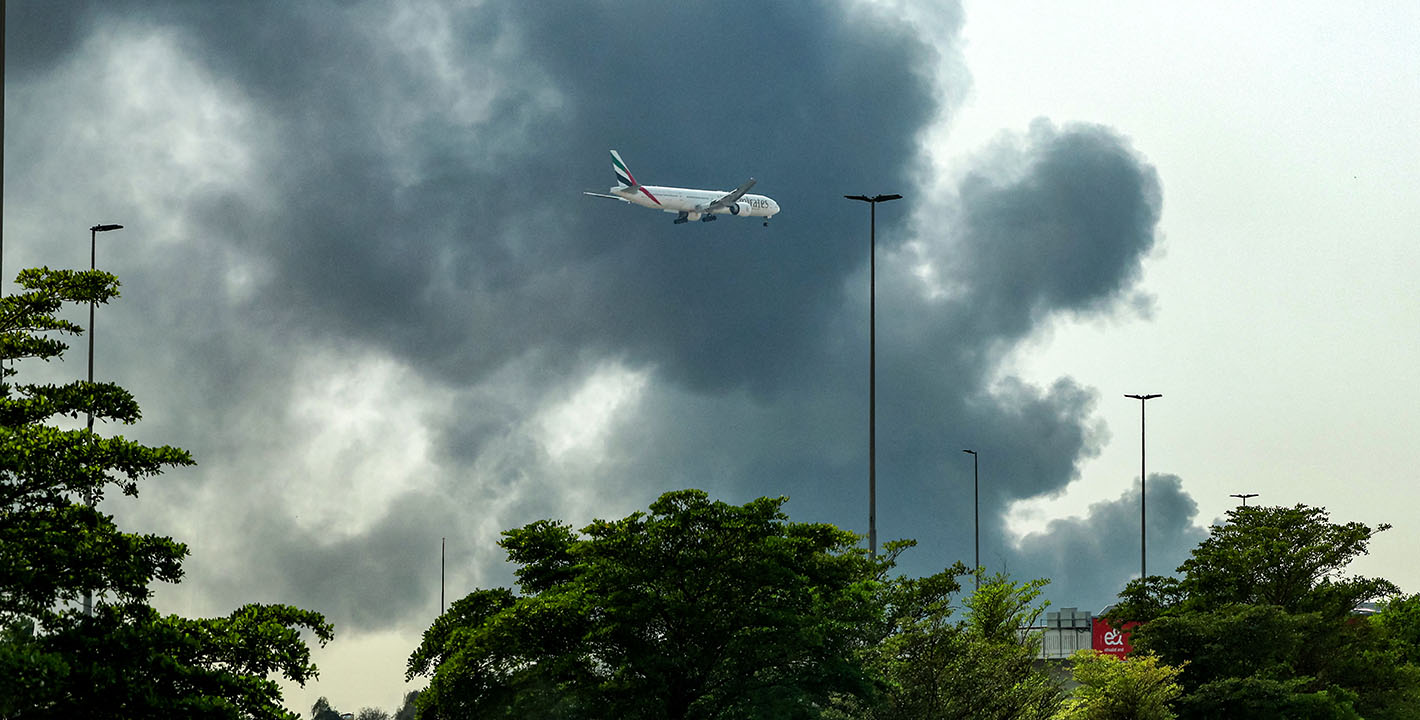
In an interview, Andrew Leber discusses the impact the U.S. and Israeli war against Iran is having on Arab Gulf states.

Michael Young

In an interview, Hassan Mneimneh discusses the ongoing conflict and the myriad miscalculations characterizing it.
Michael Young

Just look at Iraq in 1991.

Marwan Muasher