

Article
Pierre Goldschmidt
{
  "authors": [
    "Pierre Goldschmidt"
  ],
  "type": "legacyinthemedia",
  "centerAffiliationAll": "dc",
  "centers": [
    "Carnegie Endowment for International Peace"
  ],
  "collections": [],
  "englishNewsletterAll": "ctw",
  "nonEnglishNewsletterAll": "",
  "primaryCenter": "Carnegie Endowment for International Peace",
  "programAffiliation": "NPP",
  "programs": [
    "Nuclear Policy"
  ],
  "projects": [],
  "regions": [
    "North America",
    "South America"
  ],
  "topics": [
    "Nuclear Policy",
    "Nuclear Energy"
  ]
}
Source: Getty
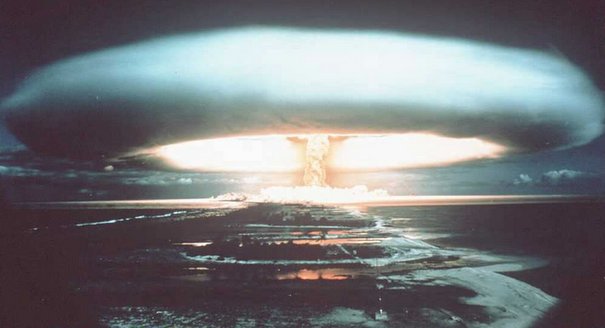
Brazil's refusal to implement the Additional Protocol to its safeguards agreement with the IAEA weakens the nonproliferation regime as a whole. Brazil should lead by example and sign and ratify the Protocol before the opening of the 2010 NPT Review Conference.
Source: Paper presented in Rio de Janeiro

Brazil’s refusal to implement the Additional Protocol to its safeguards agreement with the IAEA weakens the nonproliferation regime as a whole and blocks the Nuclear Suppliers Group from making the Additional Protocol an export condition for sensitive nuclear fuel cycle-related activities. Moreover, a PhD thesis recently published in Brazil on numerical simulations of thermonuclear detonations and ensuing statements by high-ranking Brazilian officials about lending support to the development of nuclear weapons have been particularly worrisome. As a great nation and a key member of the IAEA, Brazil should lead by example and comply with IAEA General Conference resolutions by signing and ratifying the IAEA’s Additional Protocol, hopefully before the opening of the 2010 NPT Review Conference.
Additional resources from the seminar are now available at the NPSGlobal website.
Former Nonresident Senior Associate, Nuclear Policy Program
Goldschmidt was a nonresident senior associate at the Carnegie Endowment.
Recent Work
Pierre Goldschmidt
Pierre Goldschmidt
Carnegie does not take institutional positions on public policy issues; the views represented herein are those of the author(s) and do not necessarily reflect the views of Carnegie, its staff, or its trustees.
In an interview, Marc Lynch discusses his new book decrying the post-1990 U.S.-dominated order in the Middle East.

Michael Young
The interaction of national armed forces and private business sectors offers a useful lens for viewing the politics of numerous countries of the so-called Global South. A rising trend of military political activism—often accompanied by military commercial activity—underlines the importance of drivers and outcomes in these relationships.

Yezid Sayigh, Hamza Meddeb
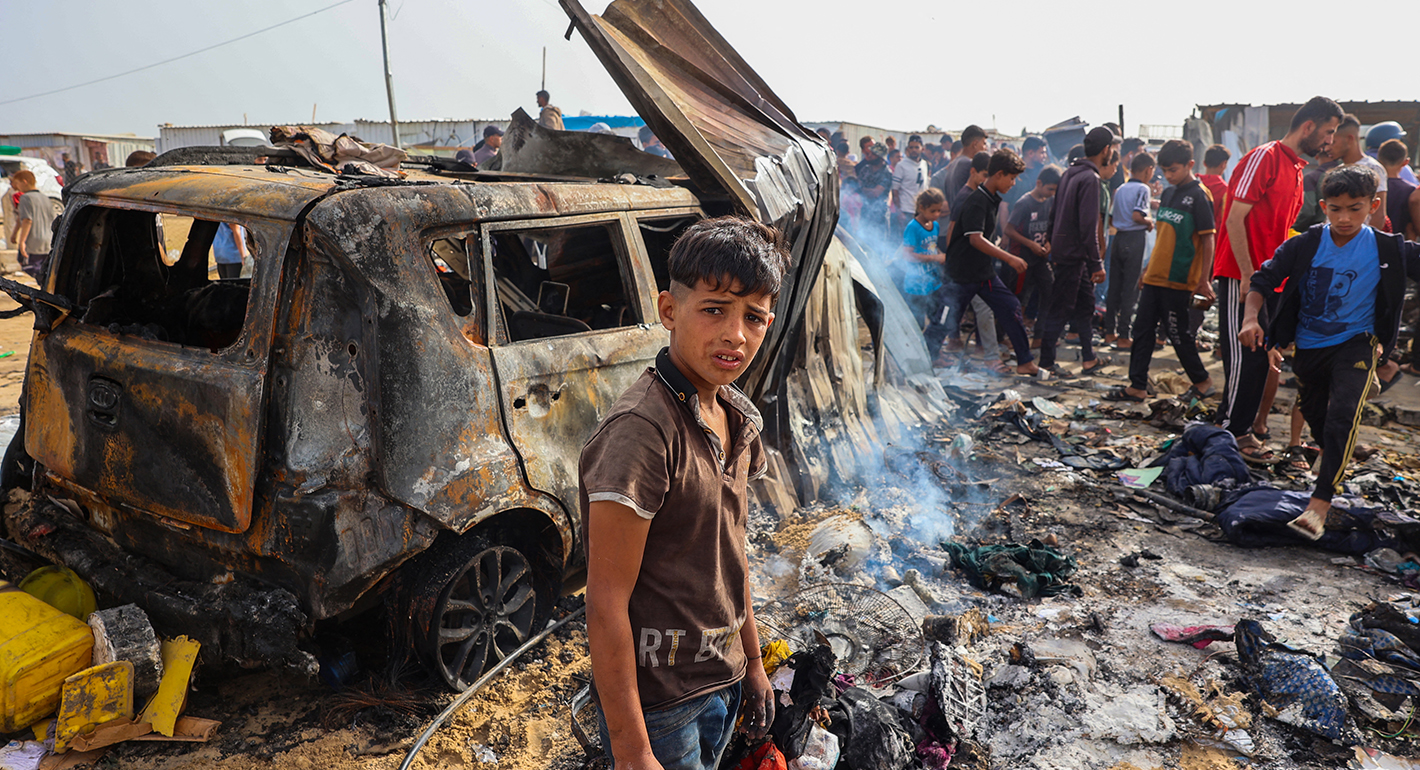
The Biden administration’s plan for the “day after” in Gaza would be disastrous without the promise of Palestinian statehood.
Yezid Sayigh
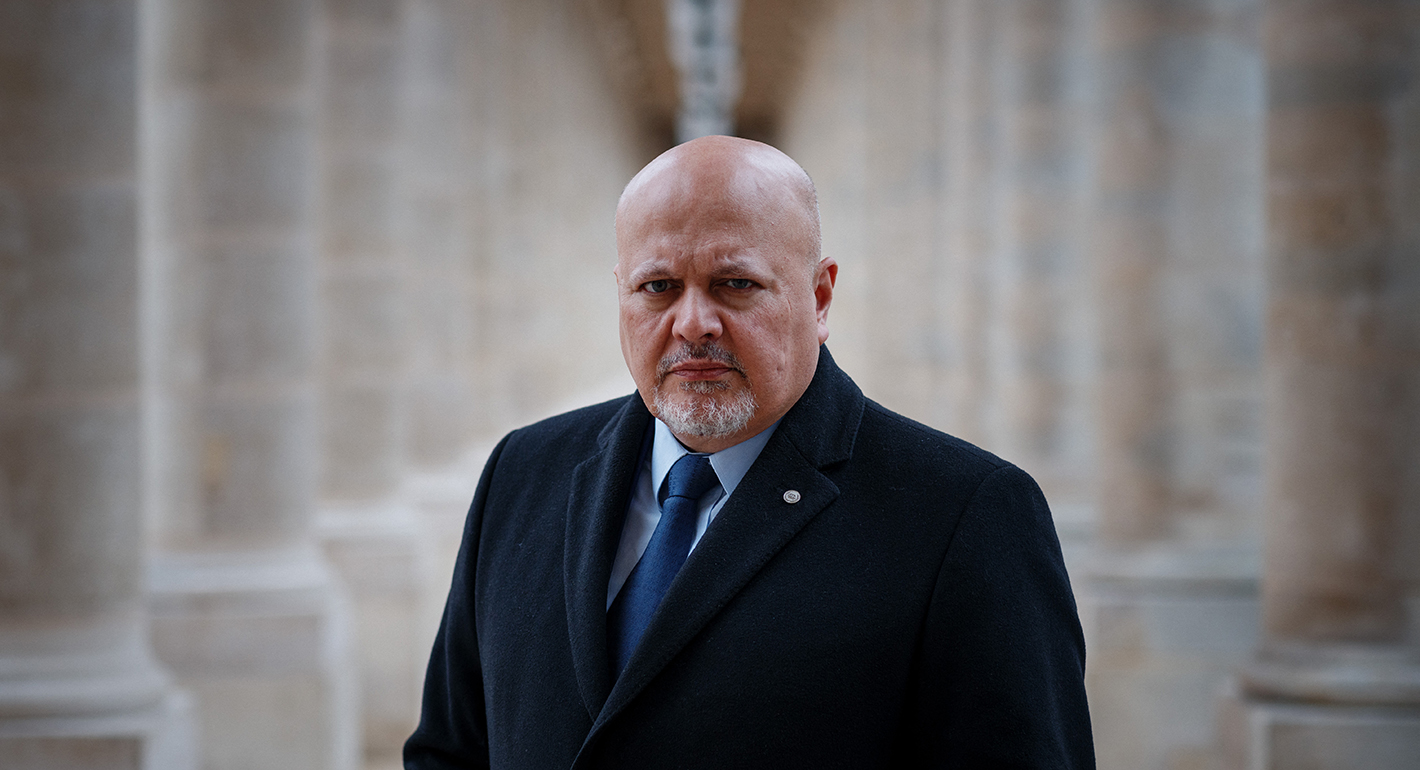
In an interview, H. A. Hellyer talks about international justice as the ICC prosecutor seeks to pursue Israeli officials.
Michael Young

Antony Blinken took his guitar to Kyiv to lift the spirits of Ukrainians, but Arabs are apparently denied his tunes.
Michael Young