

In The Media
Shahram Chubin
{
  "authors": [
    "Shahram Chubin"
  ],
  "type": "legacyinthemedia",
  "centerAffiliationAll": "dc",
  "centers": [
    "Carnegie Endowment for International Peace"
  ],
  "collections": [
    "U.S. Nuclear Policy"
  ],
  "englishNewsletterAll": "ctw",
  "nonEnglishNewsletterAll": "",
  "primaryCenter": "Carnegie Endowment for International Peace",
  "programAffiliation": "NPP",
  "programs": [
    "Nuclear Policy"
  ],
  "projects": [],
  "regions": [
    "North America",
    "United States",
    "Middle East",
    "Iran"
  ],
  "topics": [
    "Nuclear Policy",
    "Nuclear Energy"
  ]
}
Source: Getty
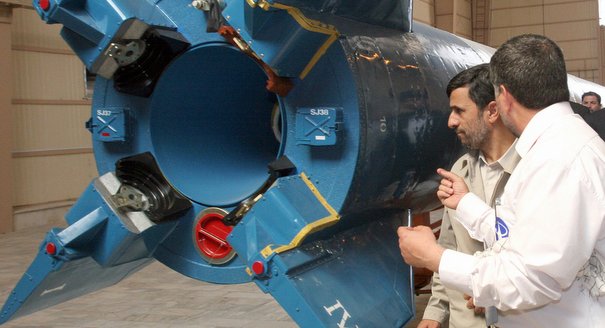
International threats and sanctions unify Iranians behind an unloved regime while inducements threaten the regime's foundations, which are built on hostility to the world, embattlement, and "resistance."
Source: Washington Quarterly

The dilemma today for the United States is that neither the military nor the diplomatic track appears likely to yield results soon. This dilemma is further accentuated since the June 12, 2009 elections highlighted the fractures in Iranian elite, as well as society, and the current regime's sickening repression of the public. The elections also brought forth the regime’s newfound interest in at least tactically engaging the West, as in Geneva in October 2009. By engagement, the regime not only hopes to deflect external pressures, but also to gain a measure of legitimacy and to dishearten its political opponents.
Former Nonresident Senior Fellow, Nuclear Policy Program
Chubin, who is based in Geneva, focuses his research on nonproliferation, terrorism, and Middle East security issues. He was director of studies at the Geneva Centre for Security Policy, Switzerland, from 1996 to 2009.
Recent Work
Shahram Chubin
Shahram Chubin
Carnegie does not take institutional positions on public policy issues; the views represented herein are those of the author(s) and do not necessarily reflect the views of Carnegie, its staff, or its trustees.
Spot analysis from Carnegie scholars on events relating to the Middle East and North Africa.

Michael Young
The party’s objectives involve tying together the Lebanese and Iranian fronts, while surviving militarily and politically at home.
Mohamad Fawaz
In an interview, Hamidreza Azizi discusses how Tehran has adapted in real time to the conflict with the United States and Israel.
Michael Young
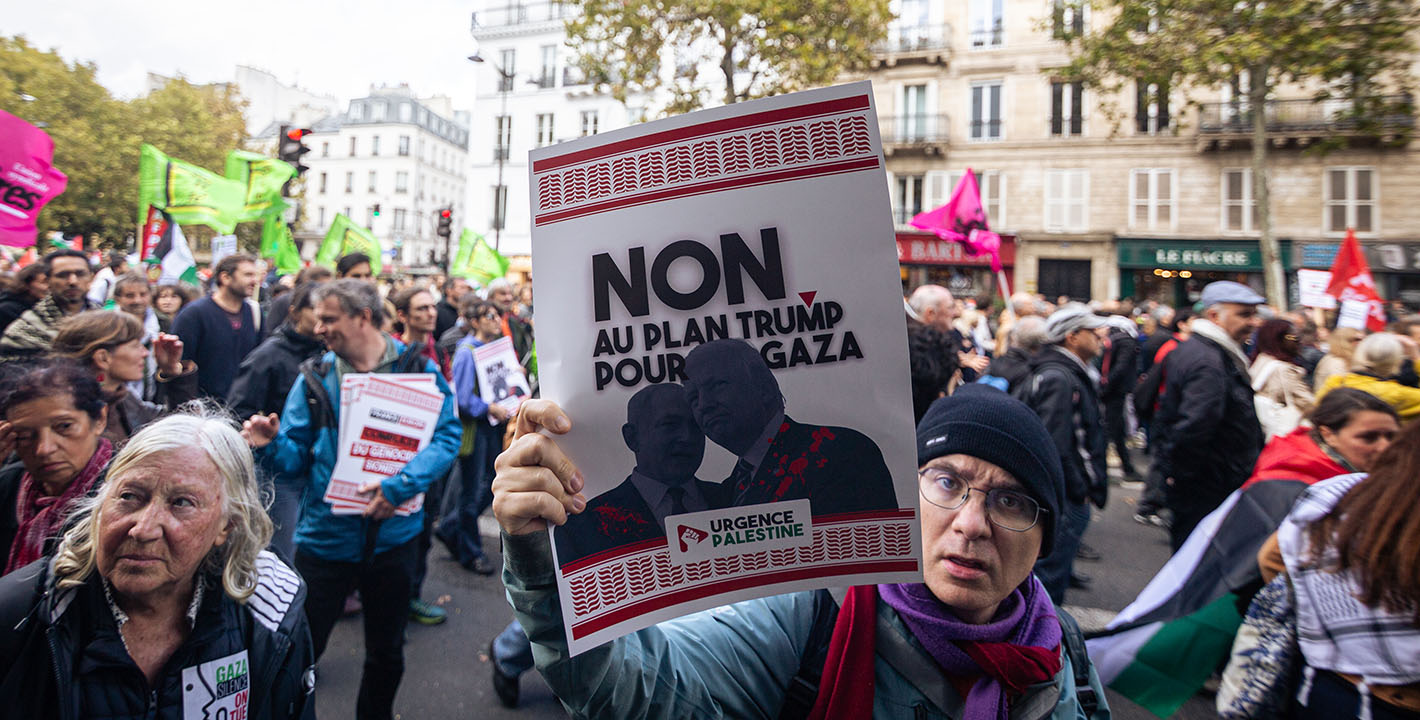
The simple conclusion is that the scheme will bring neither peace nor prosperity, but will institutionalize devastation.

Nathan J. Brown
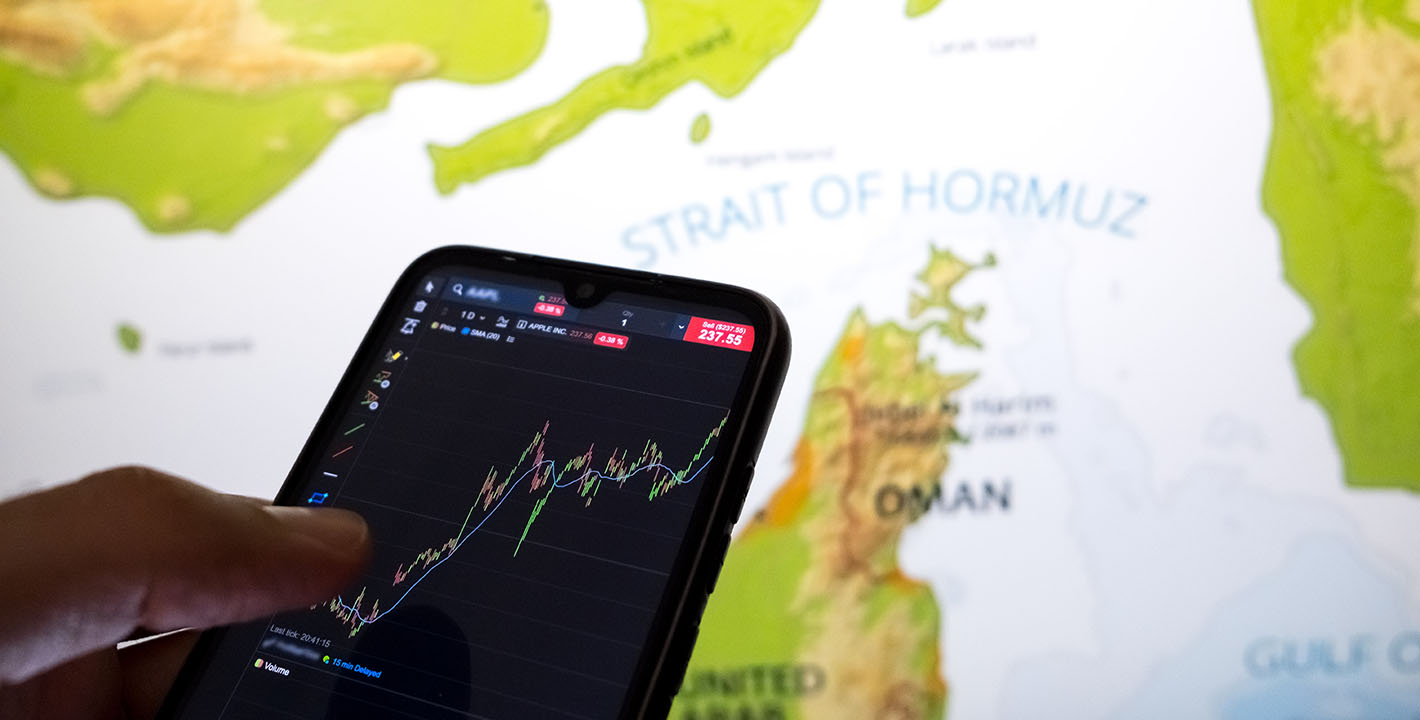
In an interview, Roger Diwan discusses where the global economy may be going in the third week of the U.S.-Israeli war with Iran.
Nur Arafeh