

In The Media
Michele Dunne, Robert Kagan
{
  "authors": [
    "Robert Kagan"
  ],
  "type": "legacyinthemedia",
  "centerAffiliationAll": "",
  "centers": [
    "Carnegie Endowment for International Peace"
  ],
  "collections": [],
  "englishNewsletterAll": "",
  "nonEnglishNewsletterAll": "",
  "primaryCenter": "Carnegie Endowment for International Peace",
  "programAffiliation": "",
  "programs": [],
  "projects": [],
  "regions": [
    "North America",
    "United States"
  ],
  "topics": [
    "Foreign Policy"
  ]
}
Source: Getty
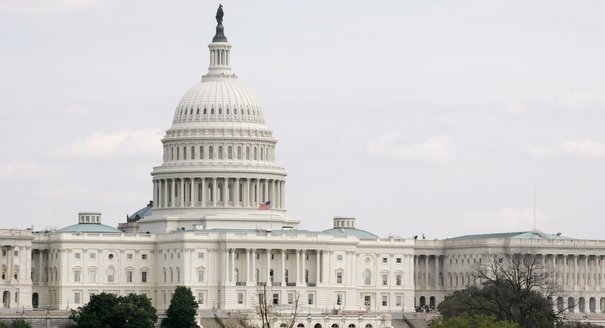
The brevity of President Obama’s remarks on foreign policy issues in the State of the Union speech have caused some to question whether the increasing importance of domestic issues will come at the expense of international involvement.
Source: PBS NewsHour

On the subject of foreign policy, the speech is very disappointing. Obviously, the president wanted the focus to be domestic, so the foreign policy and defense section is the dullest boilerplate. No new initiatives. No change in rhetoric. Indeed, practically no rhetoric at all. It is almost as if the president was turning the nation inward and stepping away from international involvement. There is no mention of Europe (except as a place where trains run fast), which Europeans will notice. No mention of Japan. And only one use of the word "allies," in the context of Afghanistan. The perception that the Obama administration is pulling away from our allies, which is becoming widespread, will be strengthened by this speech.
As to the wars in Iraq and Afghanistan, the speech is about withdrawal, not commitment. As for Iran, there is no mention of the Iranian opposition, the illegitimate Iranian elections, and only the briefest of references to human rights in Iran. Perhaps the world will understand that Obama felt he had to focus on the domestic issues. But it will be hard to avoid the perception that Obama, having little to show for his foreign policy efforts in the first year, has decided to downplay foreign policy. This is worrying.
Former Senior Associate
Kagan, author of the recent book, The Return of History and the End of Dreams (Knopf 2008), writes a monthly column on world affairs for the Washington Post and is a contributing editor at both the Weekly Standard and the New Republic.
Recent Work

Michele Dunne, Robert Kagan
Robert Kagan, Michele Dunne
Carnegie does not take institutional positions on public policy issues; the views represented herein are those of the author(s) and do not necessarily reflect the views of Carnegie, its staff, or its trustees.

In an interview, Rozina Ali discusses her new book on the rise and manifestations of Islamophobia in the United States.

Michael Young

In an interview, Ian Lustick and Eli Clifton discuss their new book on why a prominent ally has so much influence in America.
Michael Young

As the U.S. stumbles in its war with Iran, we are likely to see an acceleration of its disengagement from the region.
Michael Young

Middle Eastern states should welcome an accelerated U.S. disengagement from their region.
Michael Young

In an interview, former ambassador Charles Freeman assesses the Trump administration’s war against Iran.
Michael Young