

Q&A
Christopher Boucek
{
  "authors": [
    "Christopher Boucek"
  ],
  "type": "legacyinthemedia",
  "centerAffiliationAll": "dc",
  "centers": [
    "Carnegie Endowment for International Peace"
  ],
  "collections": [],
  "englishNewsletterAll": "menaTransitions",
  "nonEnglishNewsletterAll": "",
  "primaryCenter": "Carnegie Endowment for International Peace",
  "programAffiliation": "MEP",
  "programs": [
    "Middle East"
  ],
  "projects": [],
  "regions": [
    "Middle East",
    "Yemen"
  ],
  "topics": [
    "Political Reform",
    "Security",
    "Foreign Policy"
  ]
}
Source: Getty
Yemen’s mounting security and economic issues require an international approach. Ultimately, aid to Yemen must address the long term stability issues the country is facing, not just American or regional security concerns.
Source: C-SPAN's Washington Journal
Yemen faces a unique set of problems that are set to converge at the same time. The country is quickly running out of money, oil (which provides 80% of its income), and water. Sana’a, the capital of Yemen, may be the first modern capital to run out of water. The population is set to double in 20 years and unemployment is at 35 percent, on par with Great Depression numbers. All of these economic issues are exacerbated by rampant corruption and inflation. Moreover, Yemen faces major security challenges from a civil war in the north, a secessionist movement in the south, and a resurgent al-Qaeda.
The weak central government in Yemen does not have full control over all the territory in the country and it is in these under governed places that al-Qaeda has taken refuge, according to Christopher Boucek. Although al-Qaeda has recently become resurgent in the troubled country, ultimately these “long term economic issues will sink Yemen, not al-Qaeda,” notes Boucek. Boucek suggests that “Yemen’s problems need an international solution, there is not a solely American or regional solution” to the multiple problems the country faces.

Former Associate, Middle East Program
Boucek was an associate in the Carnegie Middle East Program where his research focused on security challenges in the Arabian Peninsula and Northern Africa.
Recent Work
Christopher Boucek
Christopher Boucek, Karim Sadjadpour
Carnegie does not take institutional positions on public policy issues; the views represented herein are those of the author(s) and do not necessarily reflect the views of Carnegie, its staff, or its trustees.

In an interview, Ian Lustick and Eli Clifton discuss their new book on why a prominent ally has so much influence in America.
Michael Young
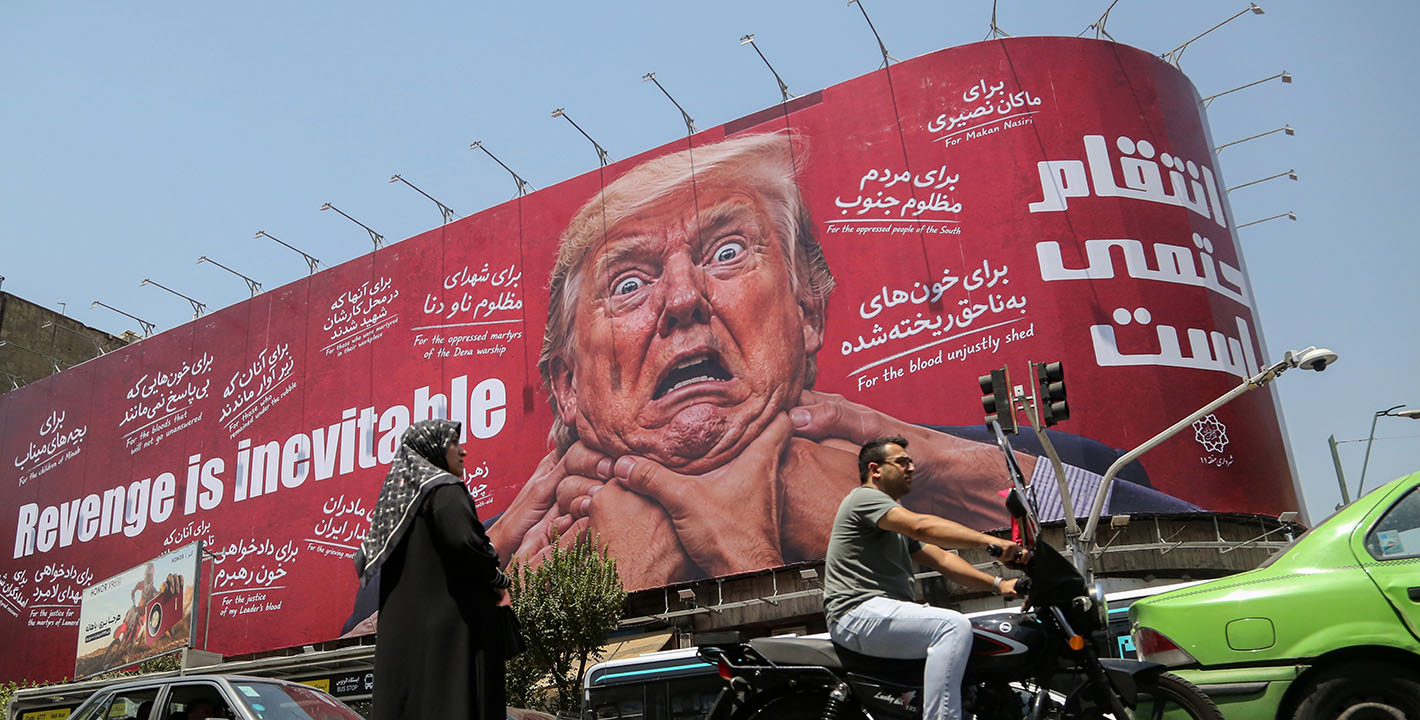
As the U.S. stumbles in its war with Iran, we are likely to see an acceleration of its disengagement from the region.
Michael Young
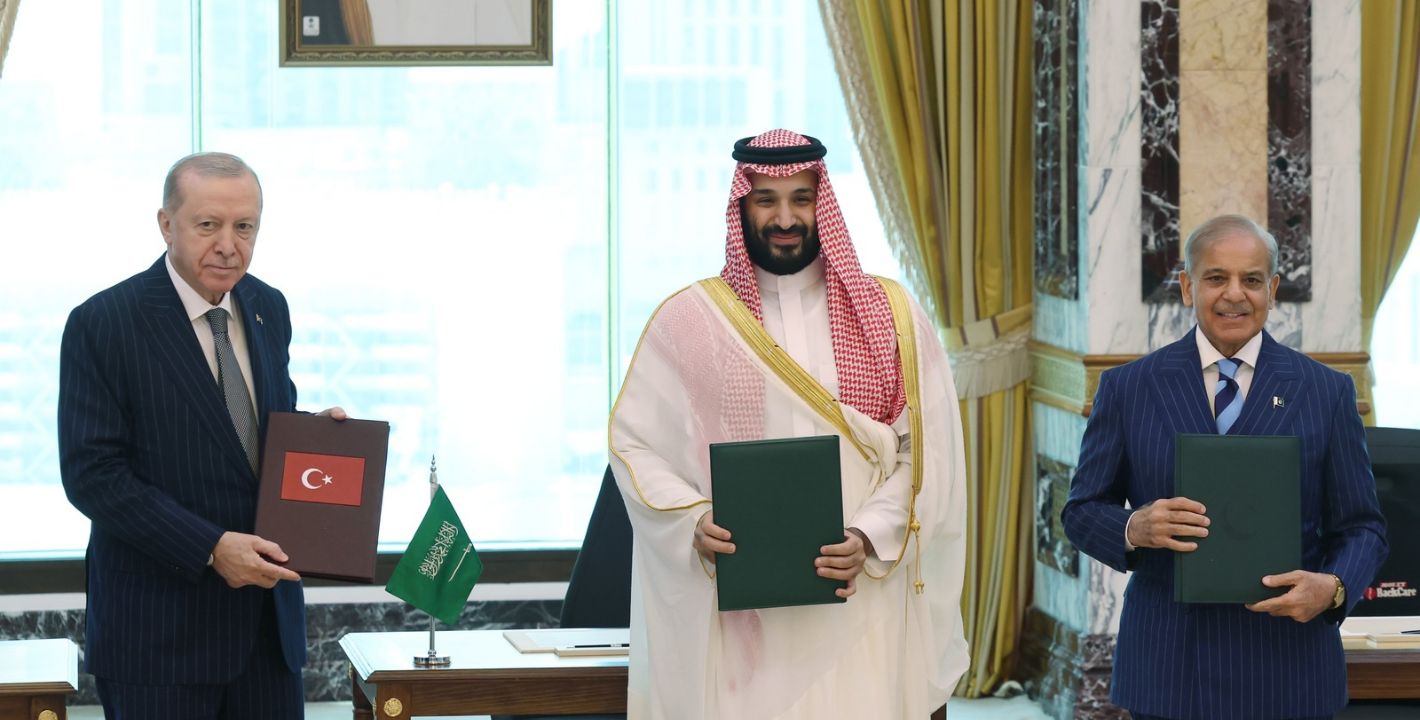
The accord represents a pivotal moment in the region to avert a security vacuum in the Gulf.

Azeema Cheema, Mohanad Hage Ali
In an interview, Jason Burke discusses his sweeping account of the “revolutionists” who so shaped the 1970s and early 1980s.
Michael Young
By failing to address Palestinian representation, the current process is bound to lead to just another temporary arrangement.

Nathan J. Brown