

Commentary
Uri Dadush
{
  "authors": [
    "Uri Dadush"
  ],
  "type": "legacyinthemedia",
  "centerAffiliationAll": "",
  "centers": [
    "Carnegie Endowment for International Peace"
  ],
  "collections": [],
  "englishNewsletterAll": "",
  "nonEnglishNewsletterAll": "",
  "primaryCenter": "Carnegie Endowment for International Peace",
  "programAffiliation": "",
  "programs": [],
  "projects": [],
  "regions": [
    "Western Europe",
    "United Kingdom",
    "France",
    "Germany",
    "North America"
  ],
  "topics": [
    "Economy"
  ]
}
Source: Getty
Greece is now facing a sovereign debt crisis that is calling into question the viability of the Euro itself. While there are no easy solutions to this crisis, both Germany and the IMF must provide Greece with the support it needs.
Source: CrossTalk
Greece is now facing a sovereign debt crisis that is calling into question the viability of the euro. Uri Dadush argues that, while there are no easy solutions to this crisis, Greece must receive support from both Germany and the IMF. Although some have argued that such support would create an issue of moral hazard in the Euro area, wherein countries would be more willing to take risks because they know they would have support from other EU members and the IMF if they fail, Dadush notes that the problem is often overstated. No country “will look forward, in any conceivable way, to having a massive financial crisis,” he pointed out, regardless of the support that may follow.

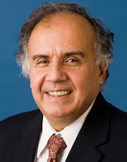
Former Senior Associate, International Economics Program
Dadush was a senior associate at the Carnegie Endowment for International Peace. He focuses on trends in the global economy and is currently tracking developments in the eurozone crisis.
Recent Work
Uri Dadush
Uri Dadush
Carnegie does not take institutional positions on public policy issues; the views represented herein are those of the author(s) and do not necessarily reflect the views of Carnegie, its staff, or its trustees.

The armed forces champion a form of capitalism that is generating revenue, but its reliance on rent faces diminishing returns, leaving the country with massive sunk costs and deferred returns, deepening dependency on external borrowing.

Yezid Sayigh
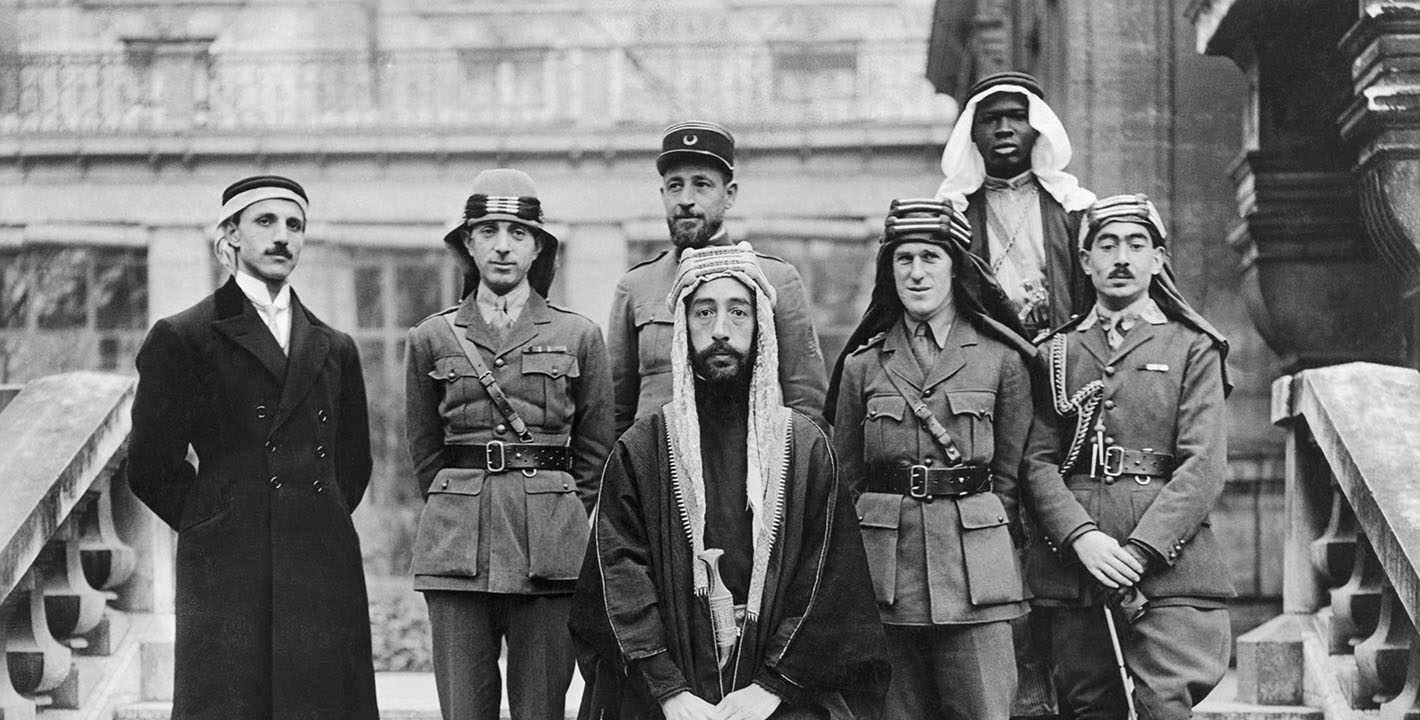
In an interview, Elizabeth Thompson recalls how the country formulated a liberal constitution in 1920, before being denied by France and Britain.

Michael Young
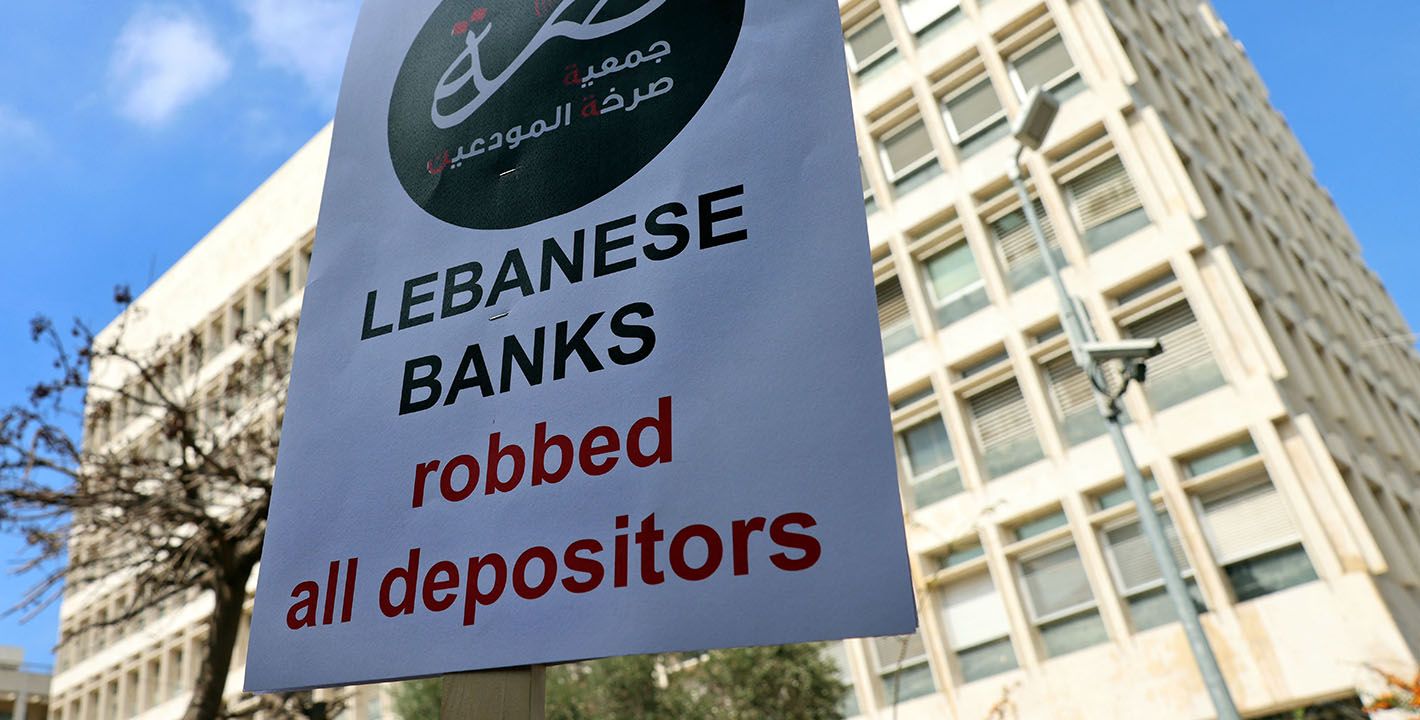
In an interview, Ishac Diwan looks at the merits and flaws in the draft legislation distributing losses from the financial collapse.
Michael Young
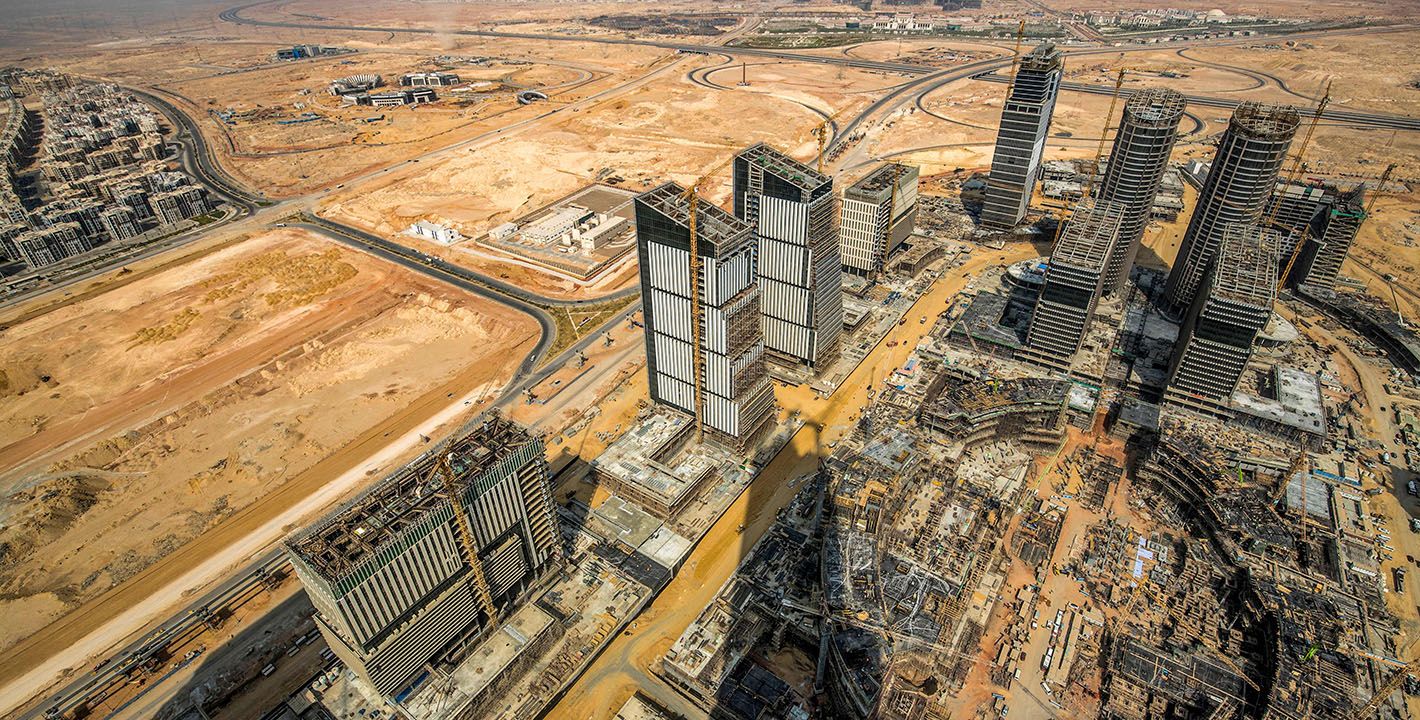
Mustaqbal Misr has expanded its portfolio with remarkable speed, but a lack of transparency remains.
Yezid Sayigh
Arab diaspora business communities in Egypt often mirror the same systemic challenges facing Egyptian businesses.
Nur Arafeh, Yezid Sayigh, Qaboul al-Absi, …