

Commentary
Amr Hamzawy
{
  "authors": [
    "Amr Hamzawy"
  ],
  "type": "legacyinthemedia",
  "centerAffiliationAll": "",
  "centers": [
    "Carnegie Endowment for International Peace",
    "Malcolm H. Kerr Carnegie Middle East Center"
  ],
  "collections": [],
  "englishNewsletterAll": "",
  "nonEnglishNewsletterAll": "",
  "primaryCenter": "Carnegie Endowment for International Peace",
  "programAffiliation": "",
  "programs": [],
  "projects": [],
  "regions": [
    "Egypt"
  ],
  "topics": [
    "Political Reform"
  ]
}
Source: Getty
President Mubarak has neither a vice president nor an established successor, and his increasing health problems are causing many Egyptians to fear that his illness or death could create a power vacuum that would threaten the stability of Egypt and the entire region.
Source: Al Jazeera's Inside Story
Egyptian President Hosni Mubarak’s latest health issues have brought further scrutiny on Egypt’s political future and the question of succession. Presently, all signs point to Mubarak running again in the 2011 presidential election. Amr Hamzwy argues that “the focus of the debate needs to be on the openings for political competition.” Opposition parties need to begin preparing not only for the elections in 2011, but also for the parliamentary elections to be held later this year.
Hamzawy suggests that public debate is too closely focused on the issues of presidential succession and personalities, namely President Mubarak, his son Gamal, and former IAEA Chief Mohammed Elbaradei. No one is discussing the platform of the ruling National Democratic Party or its performance since the last elections in 2005. “The focus on personalities and who is saying what is not good for Egyptian politics,” warns Hamzawy.

Director, Middle East Program
Amr Hamzawy is a senior fellow and the director of the Carnegie Middle East Program. His research and writings focus on Egypt’s and other middle powers’ involvement in regional security in the Middle East, particularly through collective diplomacy and multilateral conflict resolution
Recent Work
Amr Hamzawy
Amr Hamzawy
Carnegie does not take institutional positions on public policy issues; the views represented herein are those of the author(s) and do not necessarily reflect the views of Carnegie, its staff, or its trustees.
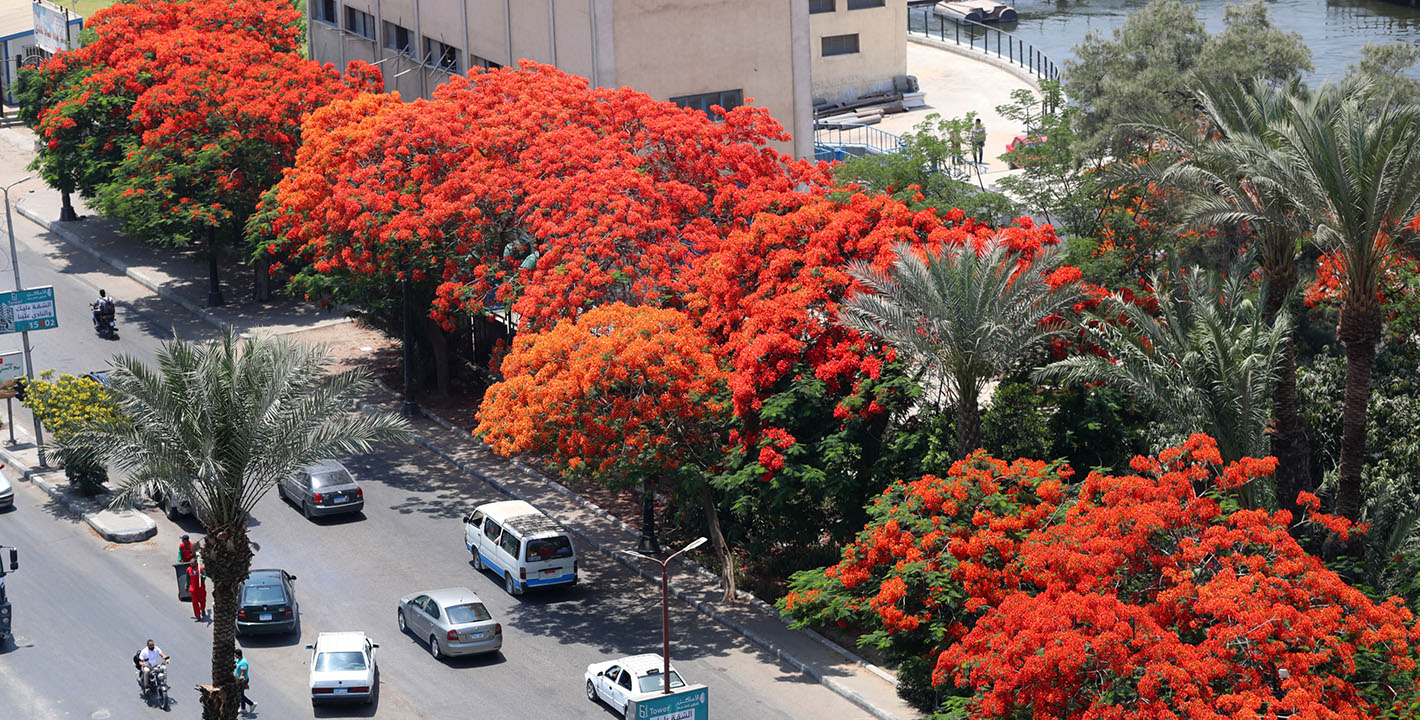
In Egypt’s dense cities, the disappearance of foliage has health implications and punishes daily commuters.

Angie Omar

Huawei pushed hard to enter the Egyptian data centers market, until the Americans made a better offer.
Angie Omar

The armed forces champion a form of capitalism that is generating revenue, but its reliance on rent faces diminishing returns, leaving the country with massive sunk costs and deferred returns, deepening dependency on external borrowing.

Yezid Sayigh
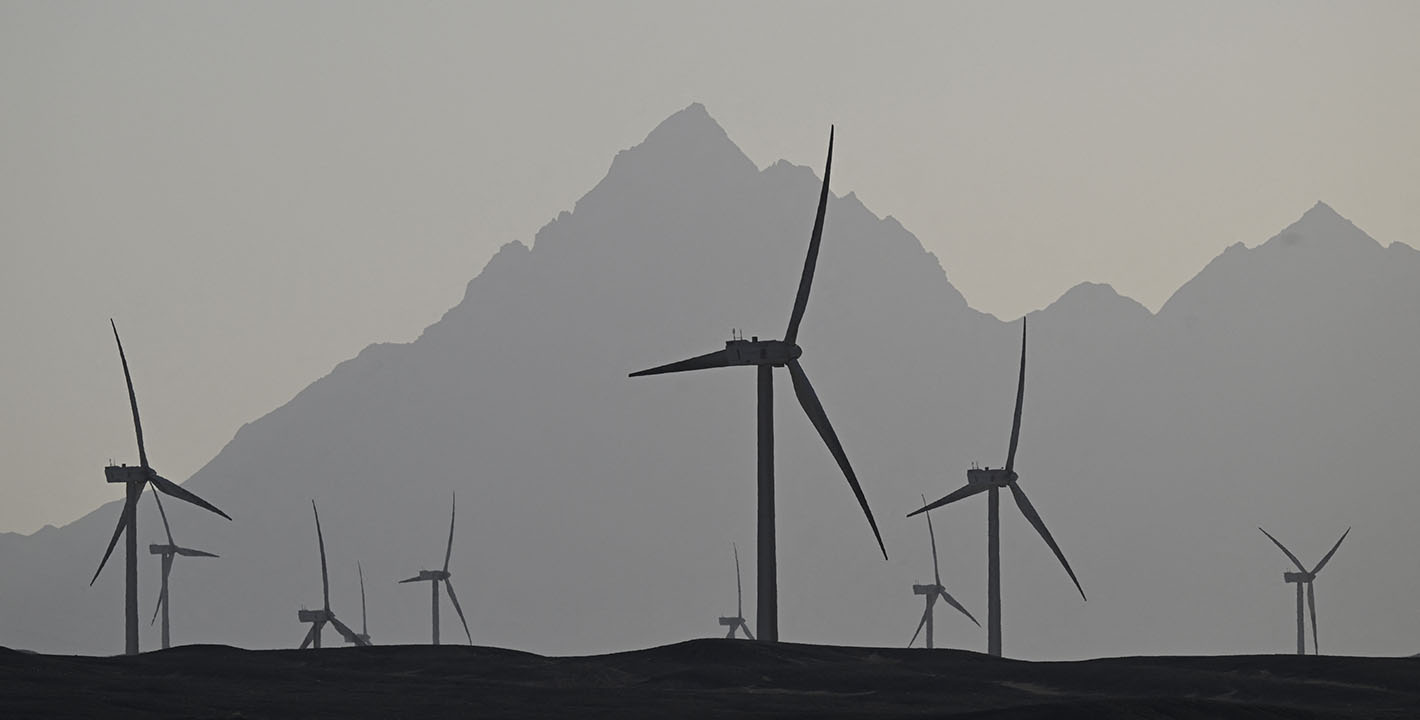
There is a disturbing structural parallel between the old global energy economy and the new green transition.
Angie Omar
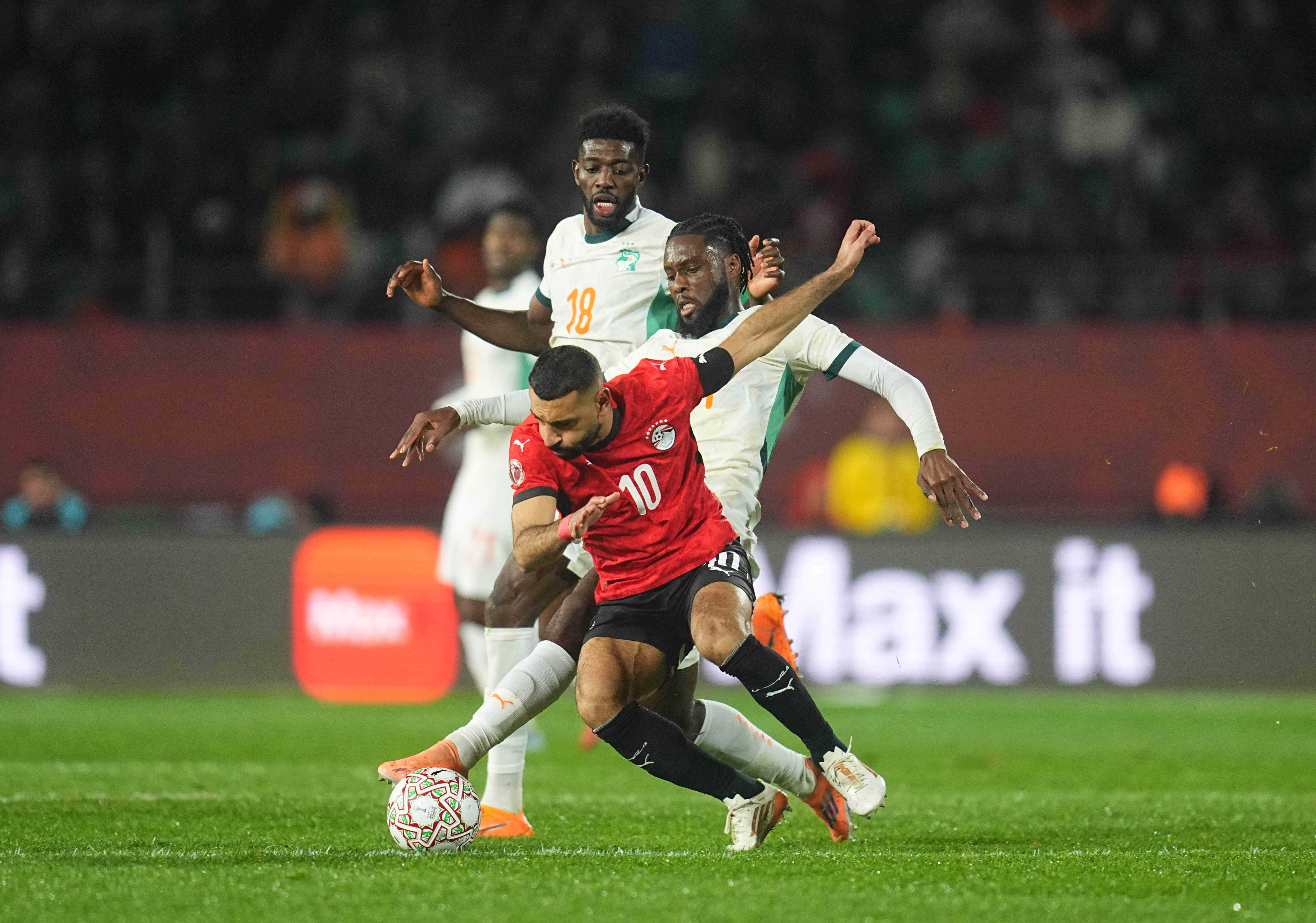
This will be the region’s most representative tournament, amid broad changes in its footballing landscape.
Issam Kayssi