

Commentary
Mustaqbal Misr has expanded its portfolio with remarkable speed, but a lack of transparency remains.
Yezid Sayigh
{
  "authors": [],
  "type": "pressRelease",
  "centerAffiliationAll": "dc",
  "centers": [
    "Carnegie Endowment for International Peace"
  ],
  "collections": [],
  "englishNewsletterAll": "menaTransitions",
  "nonEnglishNewsletterAll": "",
  "primaryCenter": "Carnegie Endowment for International Peace",
  "programAffiliation": "MEP",
  "programs": [
    "Middle East"
  ],
  "projects": [],
  "regions": [
    "Egypt"
  ],
  "topics": []
}
REQUIRED IMAGE
The Egyptian Muslim Brotherhood has begun to scale back its political engagement, and instead will focus on a traditional religious, educational, and social agenda. The consequence will be an even greater lack of political competition.
BEIRUT, March 10—The Egyptian Muslim Brotherhood has begun to scale back its political engagement because the results have been few, government repression continues, and other opposition groups mistrust the movement. Instead it will focus on a traditional religious, educational, and social agenda. The consequence will be an even greater lack of political competition, according to a new paper by Amr Hamzawy and Nathan J. Brown.
In a detailed profile of the Muslim Brotherhood’s activities over the last decade, Hamzawy and Brown examine the Brotherhood’s relations with the Mubarak regime and other opposition groups, its legislative priorities and accomplishments, and its internal debate over the value of political participation.
Key Conclusions:
“With the Brotherhood’s retreat, a fleeting opportunity that seemed to arise in the middle of the decade for building a more pluralistic political system and for an open political contest between competing visions for Egypt’s future appears to have been lost,” the authors conclude.
###
NOTES
The Carnegie Middle East Center is a politically independent think tank concerned with the challenges of political and socio-economic development, peace, and security in the greater Middle East. It works in coordination with Carnegie's Middle East Program to provide analysis and recommendations in both English and Arabic that are deeply informed by knowledge and views from the region. Carnegie also offers the Arab Reform Bulletin, a monthly analysis of political reform in the Middle East.
Carnegie does not take institutional positions on public policy issues; the views represented herein are those of the author(s) and do not necessarily reflect the views of Carnegie, its staff, or its trustees.
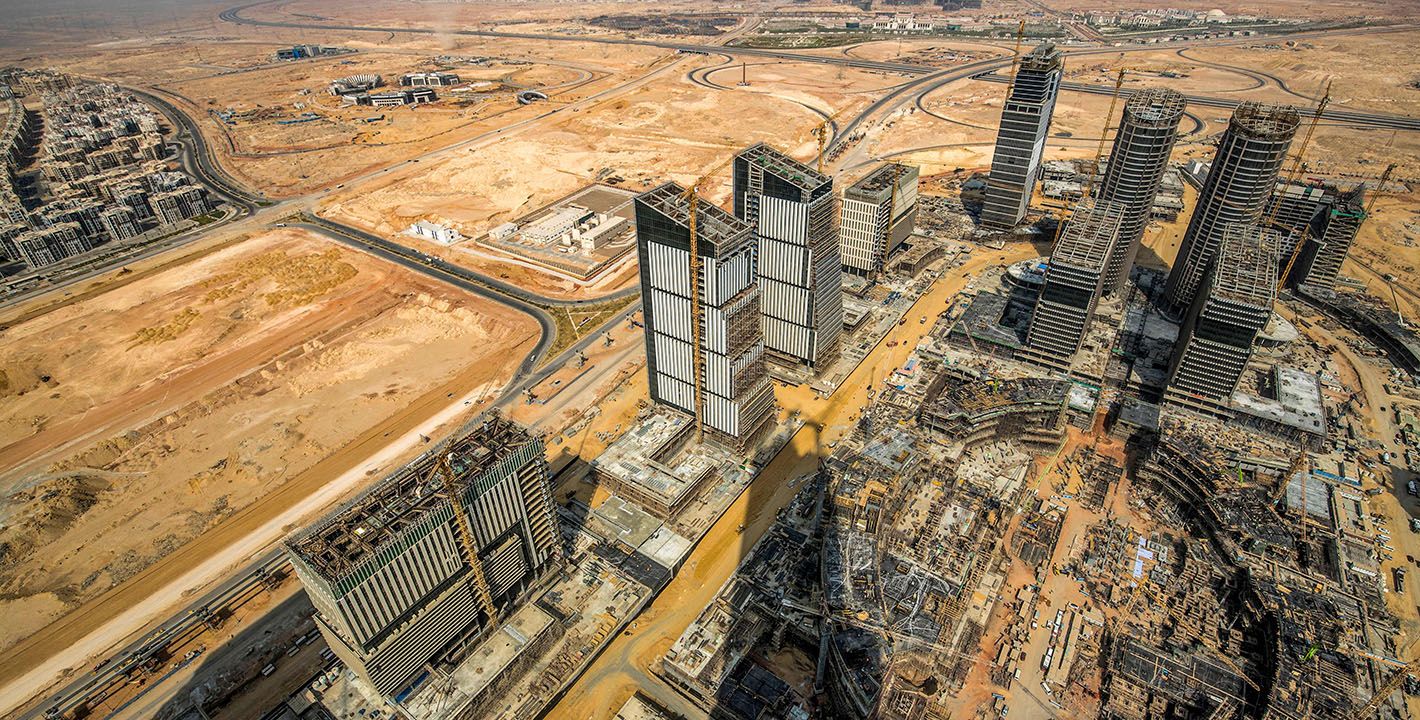
Mustaqbal Misr has expanded its portfolio with remarkable speed, but a lack of transparency remains.

Yezid Sayigh
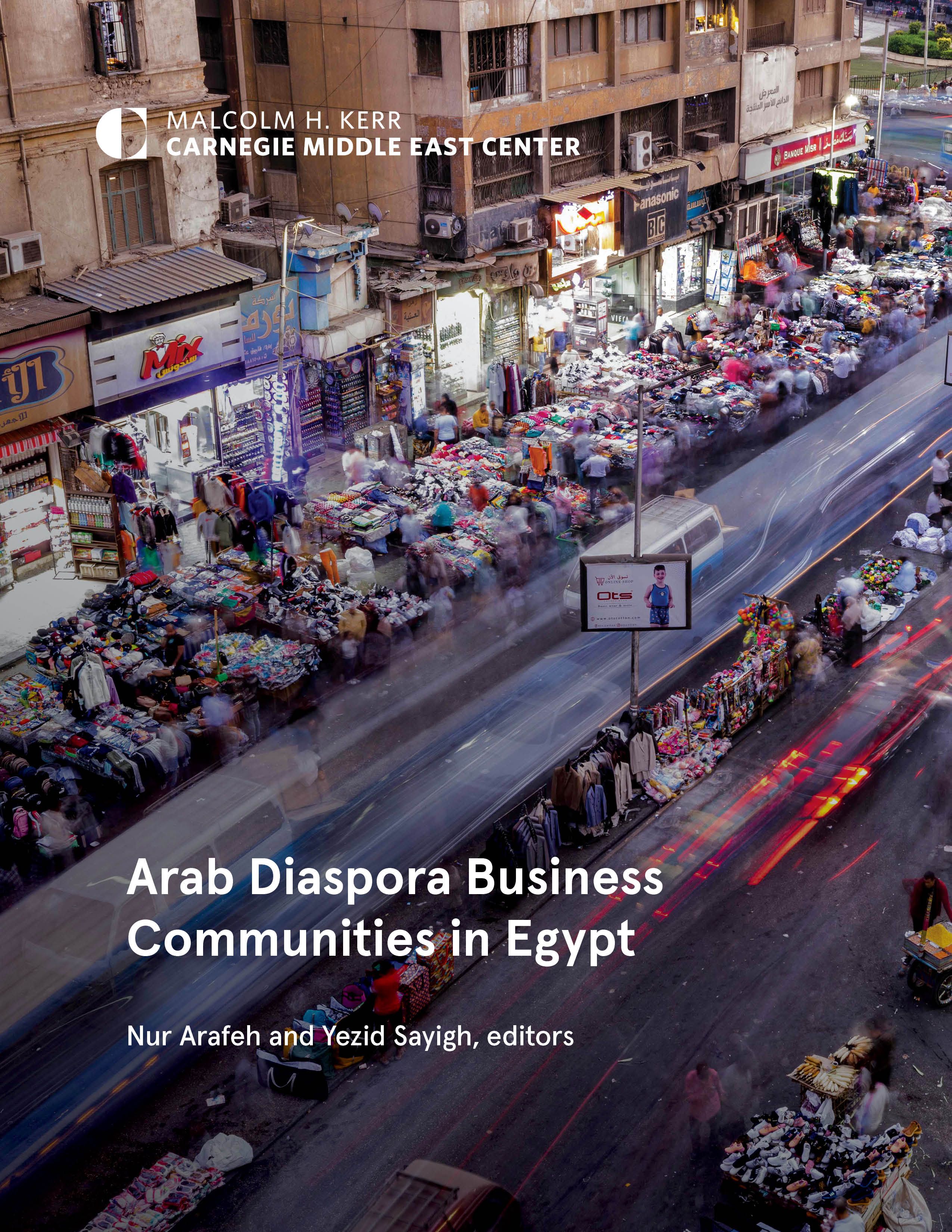
Arab diaspora business communities in Egypt often mirror the same systemic challenges facing Egyptian businesses.
Nur Arafeh, Yezid Sayigh, Qaboul al-Absi, …
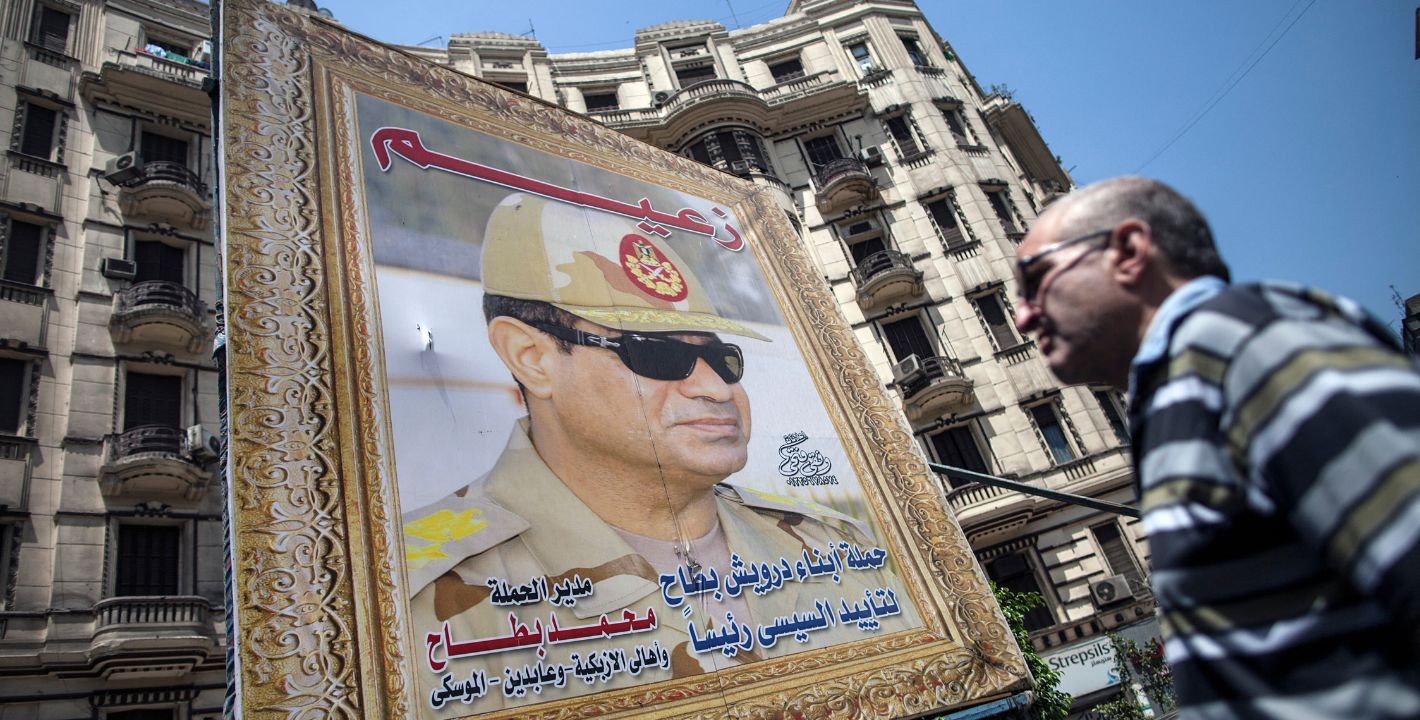
The president has blocked the emergence of new power centers within the Egyptian regime.
Yezid Sayigh
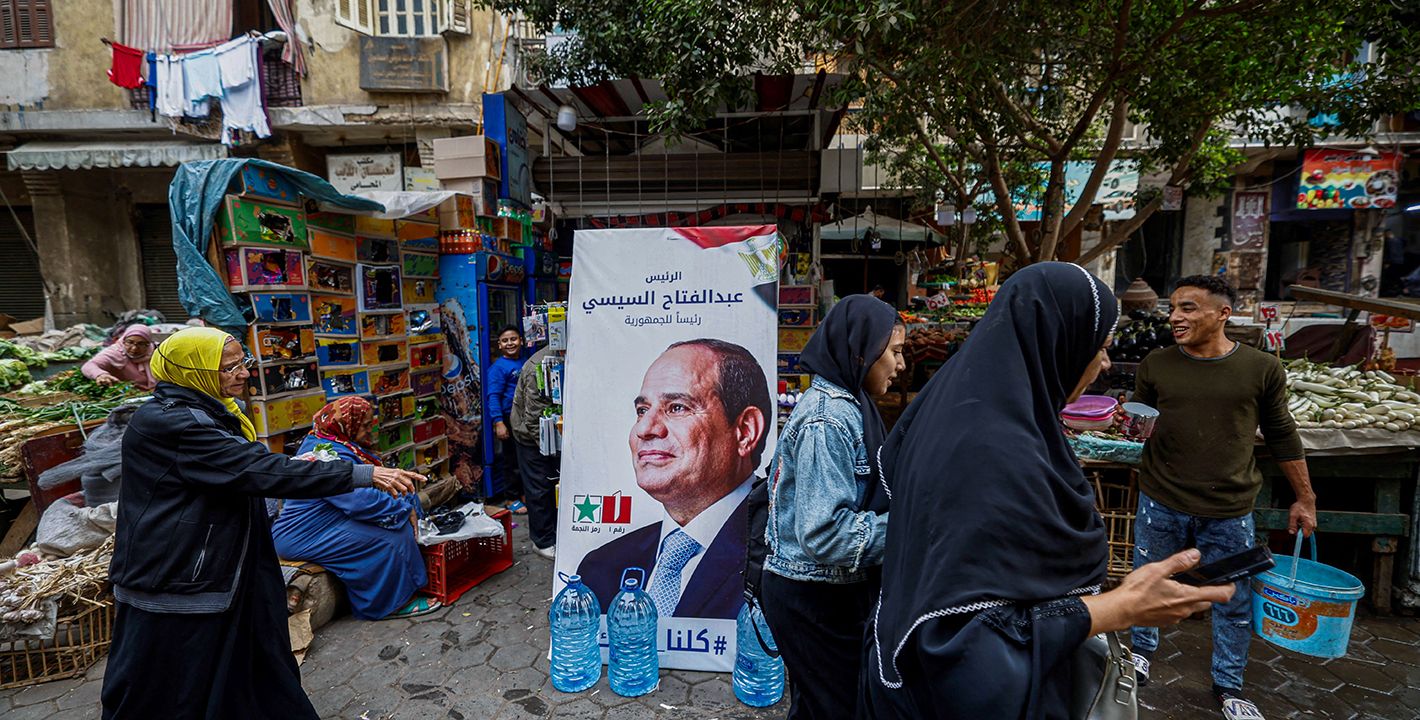
Egyptian President Abdel-Fattah el-Sisi is building a new republic defined by a social ethos of “nothing for free,” a new form of state capitalism, and hyperpresidential powers set within a military guardianship that secures his regime but leaves it unable to resolve political, economic, and social challenges.
Yezid Sayigh
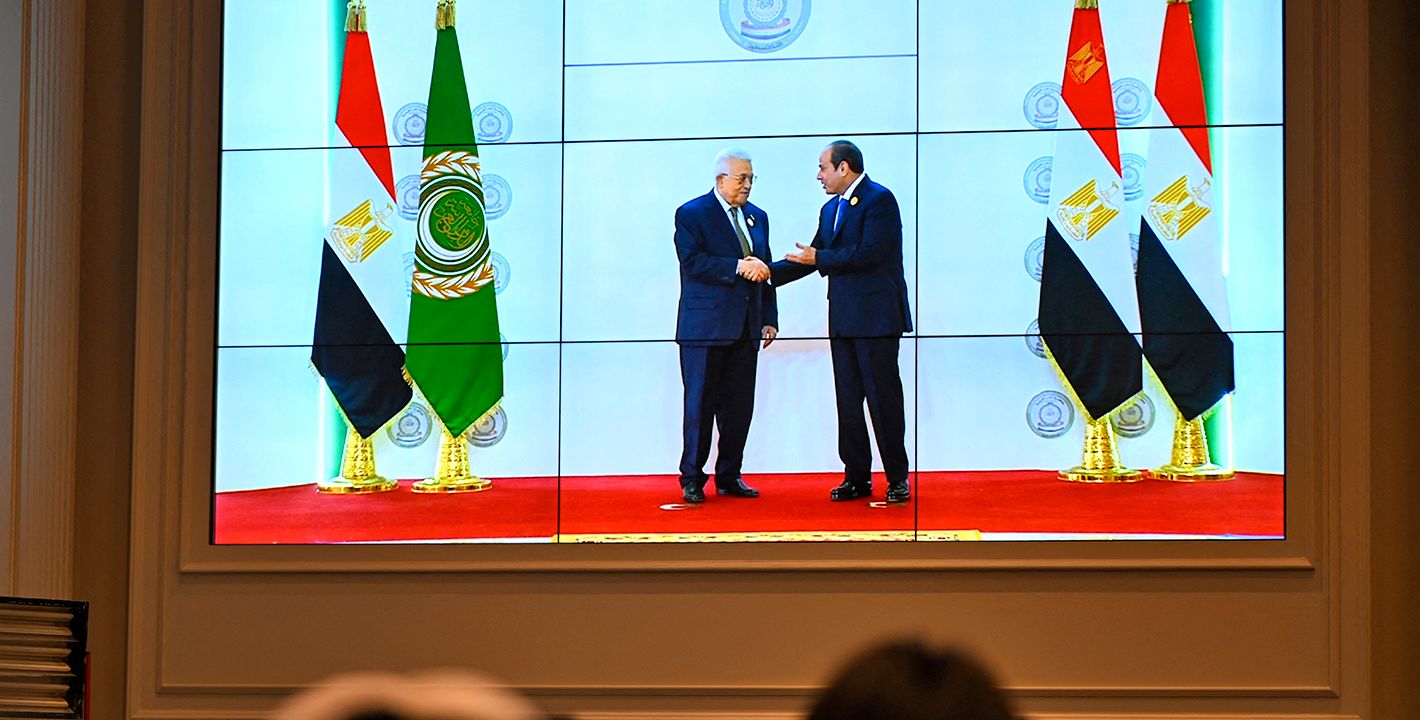
In an interview, Marwan Muasher discusses the Arab proposal to rebuild Gaza, and its repercussions.
Ghida Tayara, Jasmine Khelil