• Research
  • Diwan
  • About
  • Experts
Carnegie Middle East logoCarnegie lettermark logo
PalestineSyria
{
  "authors": [],
  "type": "pressRelease",
  "centerAffiliationAll": "dc",
  "centers": [
    "Carnegie Endowment for International Peace"
  ],
  "collections": [],
  "englishNewsletterAll": "menaTransitions",
  "nonEnglishNewsletterAll": "",
  "primaryCenter": "Carnegie Endowment for International Peace",
  "programAffiliation": "MEP",
  "programs": [
    "Middle East"
  ],
  "projects": [],
  "regions": [
    "Yemen"
  ],
  "topics": [
    "Security"
  ]
}
REQUIRED IMAGE

REQUIRED IMAGE

Press Release

Yemen’s civil war in Saada exacerbates its security and economic crises

The Yemeni government has been mired in an unwinnable and sporadic civil conflict in the northern governorate of Saada since 2004. This war has weakened the central government, accelerated the economic crisis, and threatened global stability by emboldening al-Qaeda.

Link Copied
Published on May 5, 2010

WASHINGTON, May 5—The Yemeni government has been mired in an unwinnable and sporadic civil conflict in the northern governorate of Saada since 2004. This war has weakened the central government, accelerated the economic crisis, and threatened global stability by emboldening al-Qaeda, concludes a new paper by Christopher Boucek.

Key conclusions about the conflict in Saada:

  • Fighting likely to continue. The current cease-fire agreed to in February 2010 is likely to fail as the central government shows little interest in addressing the core grievances of the rebelling Houthis.
  • Priorities are misguided. The Southern secessionist movement is Yemen’s more serious security threat, but the regime is more involved in Saada for two key reasons: the government believes the war is winnable, and uses the military operations in the North to send a message to agitators in the South.
  • Costs are escalating. In six years the war evolved from a local insurrection into a national challenge, devastating the economy and consuming crucial resources.
  • Burdens disproportionately felt by noncombatants. The six rounds of fighting came with high humanitarian costs. Hostilities displaced over 250,000 people, killed hundreds or thousands (the exact number of casualties is unknown), and destroyed significant civilian infrastructure.
  • Conflict expands beyond borders. When Saudi Arabia’s military entered the conflict in November 2009 following Houthi incursions, conditions went from bad to worse. But there is no evidence that the conflict in Saada is a proxy war between Saudi Arabia and Iran as is commonly asserted.

“The government’s uncompromising position in Saada has exacerbated local grievances and rapidly accelerated Yemen’s economic crisis,” writes Boucek. “Without a serious international effort at mediation, further fighting is inevitable—and poses a serious threat to Yemeni stability.”

###


NOTES
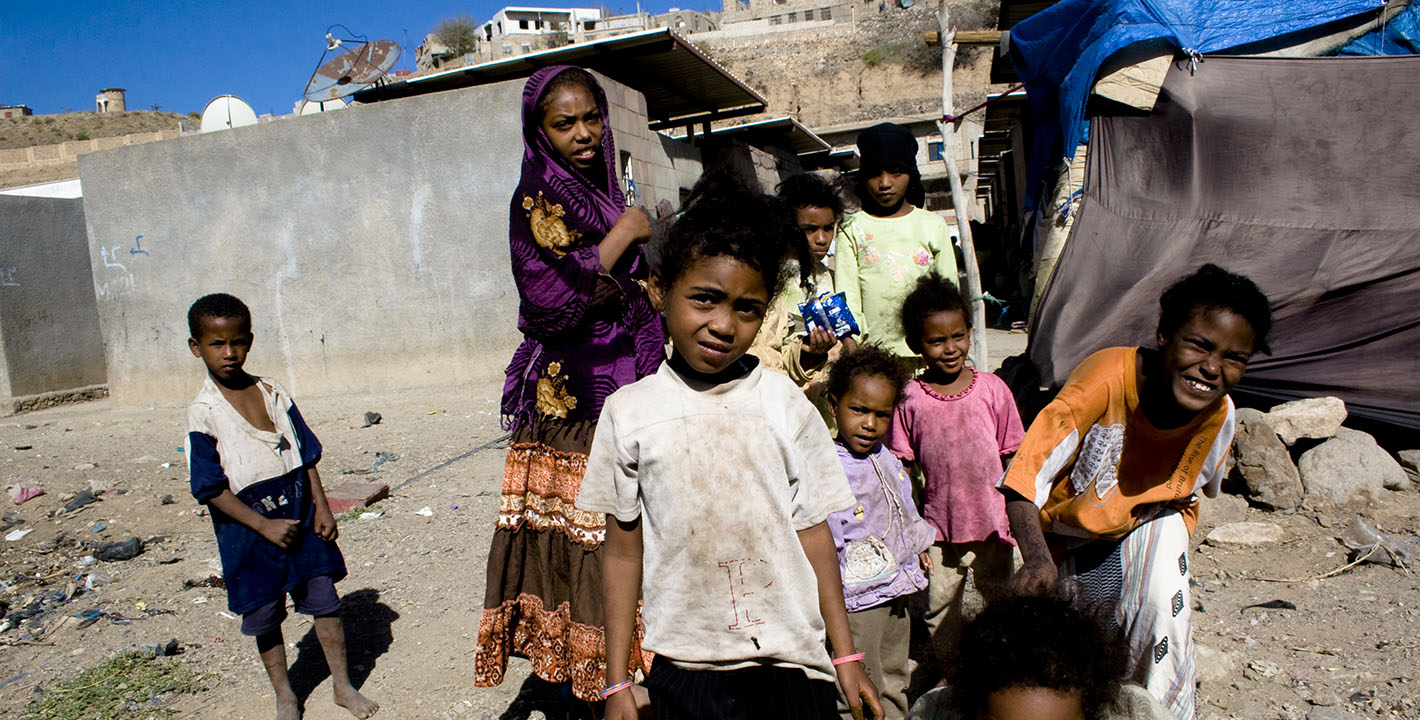
  • Click here to read the paper online

  • Yemen: On the Brink is a new four-part Carnegie series that takes an in-depth look at the daunting challenges facing the country—now a near-perfect haven for al-Qaeda—and recommends how the international community should respond to the civil war in the north, secessionist movement in the south, rapidly dwindling resources, rampant poverty, and a weak and corrupt government. The series follows the groundbreaking September 2009 paper Yemen: Avoiding a Downward Spiral, which detailed the confluence of crises confronting the troubled state.
  • Christopher Boucek is an associate in the Carnegie Middle East Program where his research focuses on regional security challenges. He is also an associate fellow with the Royal United Services Institute for Defense and Security Studies in London. Previously, he was a postdoctoral researcher at Princeton University and lecturer in politics at the Woodrow Wilson School, and a security editor with Jane’s Information Group.
  • The Carnegie Middle East Program combines in-depth local knowledge with incisive comparative analysis to examine economic, socio-political, and strategic interests in the Arab world to provide analysis and recommendations in both English and Arabic that are deeply informed by knowledge and views from the region.
  • The Carnegie Middle East Center based in Beirut, Lebanon, aims to better inform the process of political change in the Middle East.
  • Carnegie's Arab Reform Bulletin analyzes political reform in the Middle East.
  • Press Contact: David Kampf, 202/939-2233, pressoffice@ceip.org
SecurityYemen

Carnegie does not take institutional positions on public policy issues; the views represented herein are those of the author(s) and do not necessarily reflect the views of Carnegie, its staff, or its trustees.

More Work from Malcolm H. Kerr Carnegie Middle East Center

  • Commentary
    Carnegie Politika
    Baku Proceeds With Caution as Ethnic Azeris Join Protests in Neighboring Iran

    Baku may allow radical nationalists to publicly discuss “reunification” with Azeri Iranians, but the president and key officials prefer not to comment publicly on the protests in Iran.

      Bashir Kitachaev
  • Commentary
    Diwan
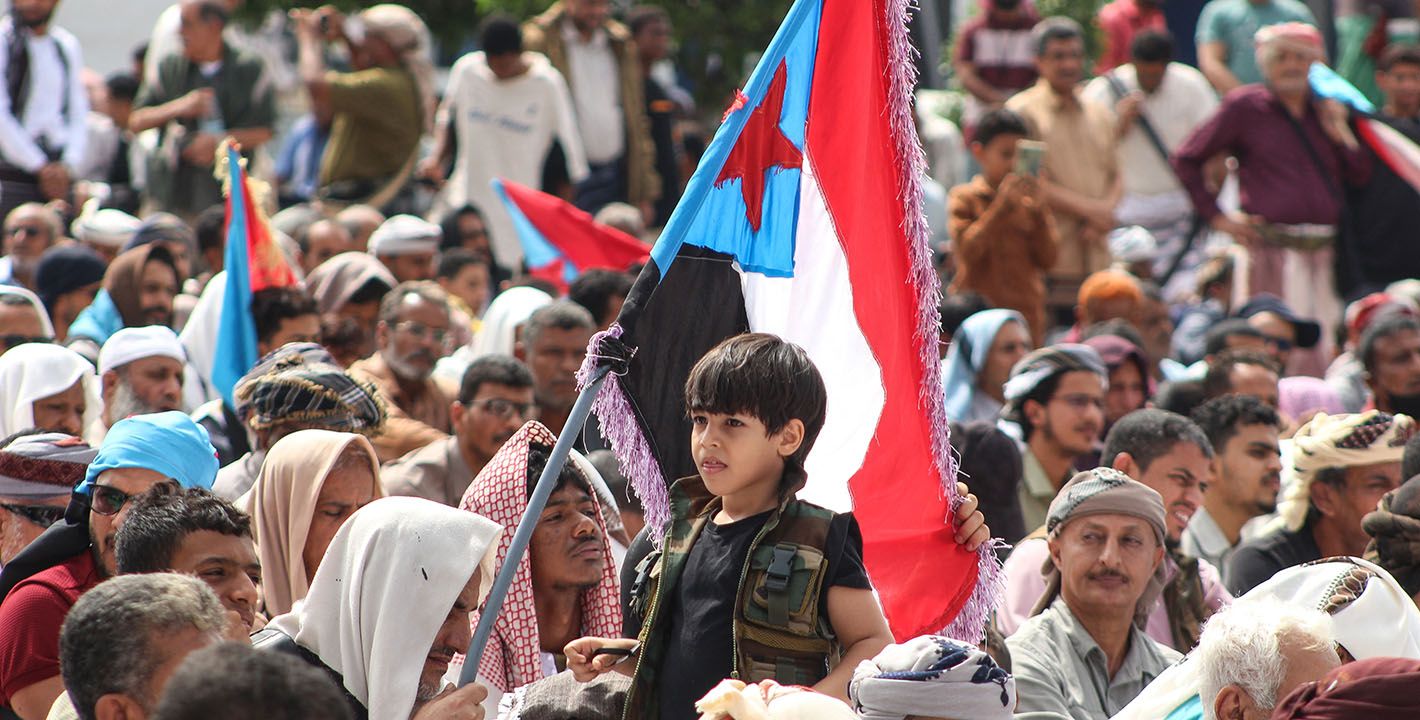
    Where Might Developments in Yemen Lead?

    In an interview, Ibrahim Jalal discusses the Southern Transitional Council’s recent takeover of Hadhramawt and Mahra.

      Michael Young
  • Research
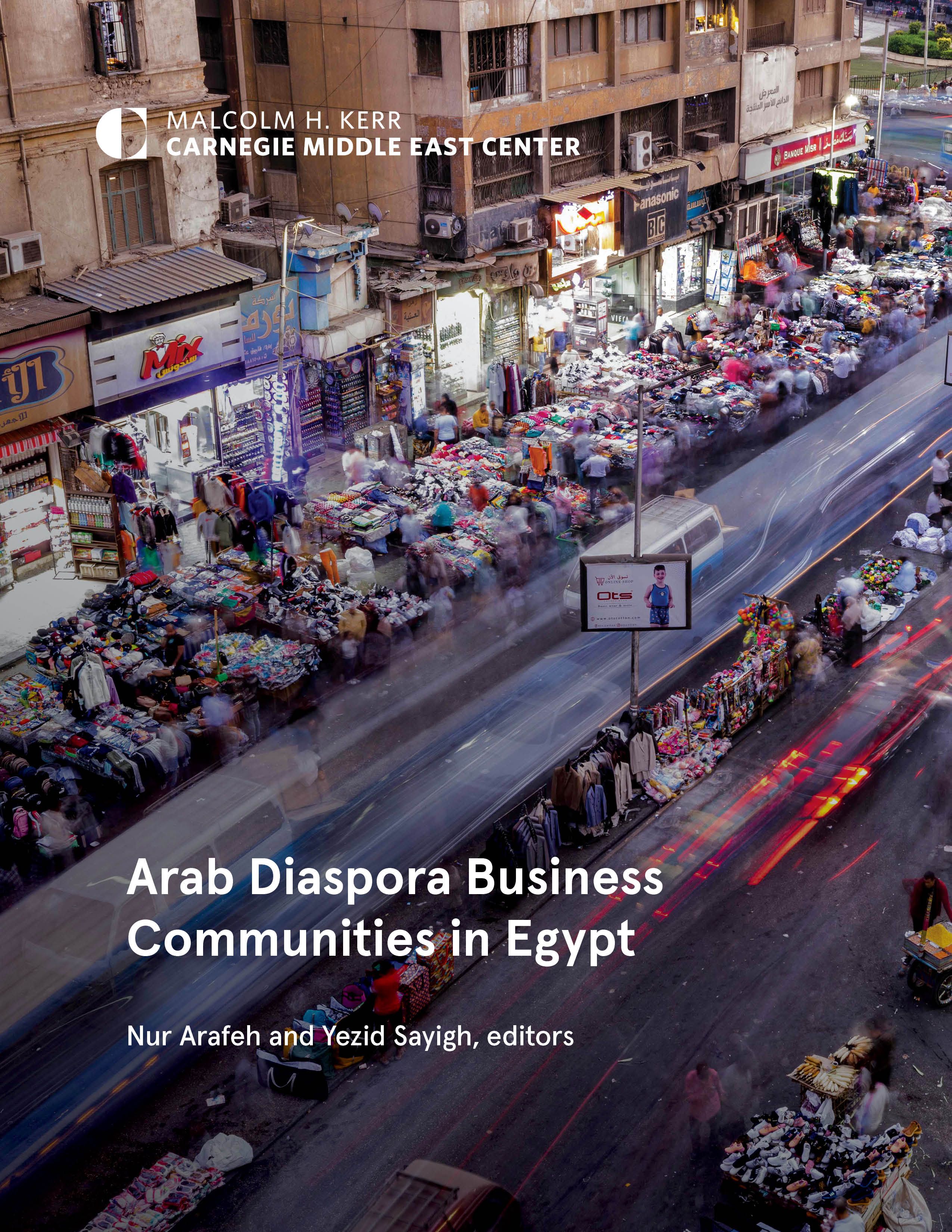
    Arab Diaspora Business Communities in Egypt

    Arab diaspora business communities in Egypt often mirror the same systemic challenges facing Egyptian businesses.


      • +4

      Nur Arafeh, Yezid Sayigh, Qaboul al-Absi, …

  • Several Iraqi men in traditional attire sit cross legged on a rug.
    Article
    In Iraq and Yemen, Climate Activism Requires Both Defiance and Adaptation

    In fragmented political contexts, climate activism is a way to contest both ecological harm and the structures of violence and neglect that allow it to persist.

      Issam Kayssi, Mohanad Hage Ali

  • Commentary
    Diwan
    Beirut Can Do More on Tom Barrack’s Proposal

    In addressing Hezbollah’s disarmament, the Lebanese state must start by increasing its own leverage.

      Michael Young

Get more news and analysis from
Malcolm H. Kerr Carnegie Middle East Center
Carnegie Middle East logo, white
  • Research
  • Diwan
  • About
  • Experts
  • Projects
  • Events
  • Contact
  • Careers
  • Privacy
  • For Media
Get more news and analysis from
Malcolm H. Kerr Carnegie Middle East Center
© 2026 Carnegie Endowment for International Peace. All rights reserved.


