• Research
  • Diwan
  • About
  • Experts
Carnegie Middle East logoCarnegie lettermark logo
LebanonIran
{
  "authors": [],
  "type": "pressRelease",
  "centerAffiliationAll": "",
  "centers": [
    "Carnegie Endowment for International Peace"
  ],
  "collections": [],
  "englishNewsletterAll": "",
  "nonEnglishNewsletterAll": "",
  "primaryCenter": "Carnegie Endowment for International Peace",
  "programAffiliation": "",
  "programs": [],
  "projects": [],
  "regions": [
    "Eastern Europe",
    "Western Europe",
    "France",
    "Germany",
    "North America"
  ],
  "topics": [
    "Economy"
  ]
}
REQUIRED IMAGE

REQUIRED IMAGE

Press Release

Carnegie issues special report on the euro crisis

In a special report and interactive website, Carnegie experts examine the causes of the euro crisis, provide country case studies, and offer policy recommendations for the affected European countries, Germany, and the United States.

Link Copied
Published on Jun 3, 2010

WASHINGTON, June 3—The debt crisis that began in Greece quickly engulfed Europe and now threatens the global recovery and the future of the euro. Despite unprecedented support from the European Union and International Monetary Fund, the euro crisis is far from over.

In a new special report and interactive website, Carnegie experts examine the causes of the crisis, provide country case studies, and offer policy recommendations for the affected European countries, Germany, and the United States. 

Key points

  • Loss of competitiveness. Even though high and rising public debt levels in vulnerable countries—Greece, Ireland, Italy, Portugal, and Spain—are the clearest signs of the euro crisis, the root of the problem is a loss of competitiveness. The loss of competitiveness compared with northern European countries, particularly Germany, ranges between 15 and 30 percent measured by unit labor costs and comes directly from the demand boom that came on the heels of the adoption of the euro.  
  • Governments grew too large. Relative to the ability of their economies to grow and develop a sustainable tax base, the governments in these countries grew too large. Greece’s fiscal mismanagement aggravated the situation and the country will likely need to restructure its debts or have them forgiven.
  • Remedies must respond to underlying causes. While cutting government spending is an important step, it is even more critical to design measures that reestablish the competitiveness of vulnerable countries. In order to reorient toward exports, it is necessary to cut wages and reform labor and product markets to make the economy more flexible. But, these reforms will be deflationary and take years to put in place. To avoid deflation and ease economic adjustments, the euro will need to fall in value, expansionary monetary policies should be adopted, and Germany will need to stimulate demand.
  • Global implications. The euro crisis carries serious implications for the entire world. If the debt crisis spreads to Spain and Italy, a second global financial crisis is possible. Slower growth in Europe and a lower euro will hurt the rest of the world’s exports, but the greatest risk stems from the European banks that are most exposed to vulnerable sovereign borrowers.

“While the adoption of the euro brought important benefits, including lower interest rates and reduced transaction costs, it also created major distortions that now need to be corrected at great cost,” says Uri Dadush, the report’s lead author. “Failure to deal with these problems could lead to some countries leaving the euro area.”

###


NOTES

  • Click here to access the report and interactive website
  • The Carnegie International Economics Program monitors and analyzes short- and long-term trends in the global economy, including macroeconomic developments, trade, commodities, and capital flows, and draws out policy implications. The current focus of the Program is the global financial crisis and the policy issues raised. Among other research, the Program examines the ramifications of the rising weight of developing countries in the global economy.
  • The International Economic Bulletin draws on the expertise of Carnegie's global centers to provide a candid view of the economic crisis and its political implications. Addressing the momentous challenges of the economic downturn will require objectivity, and the ability to analyze the political dimensions of reforms around the world.
  • Press Contact: David Kampf, 202/939-2233, pressoffice@ceip.org

CONTRIBUTORS

  • Uri Dadush is senior associate and director of Carnegie's International Economics Program

  • Moisés Naím is the editor-in-chief of Foreign Policy magazine

  • Sergei Aleksashenko, former deputy minister of finance of the Russian Federation and former deputy governor of the Russian central bank, is a scholar-in-residence in the Carnegie Moscow Center's Economic Policy Program

  • Paola Subacchi is the research director in international economics at Chatham House in London

  • Shimelse Ali is an economist in Carnegie's International Economics Program

  • Vera Eidelman is the managing editor of Carnegie's International Economic Bulletin

  • Bennett Stancil is a junior fellow in Carnegie's International Economics Program

EconomyEastern EuropeWestern EuropeFranceGermanyNorth America

Carnegie does not take institutional positions on public policy issues; the views represented herein are those of the author(s) and do not necessarily reflect the views of Carnegie, its staff, or its trustees.

More Work from Malcolm H. Kerr Carnegie Middle East Center

  • Commentary
    Diwan
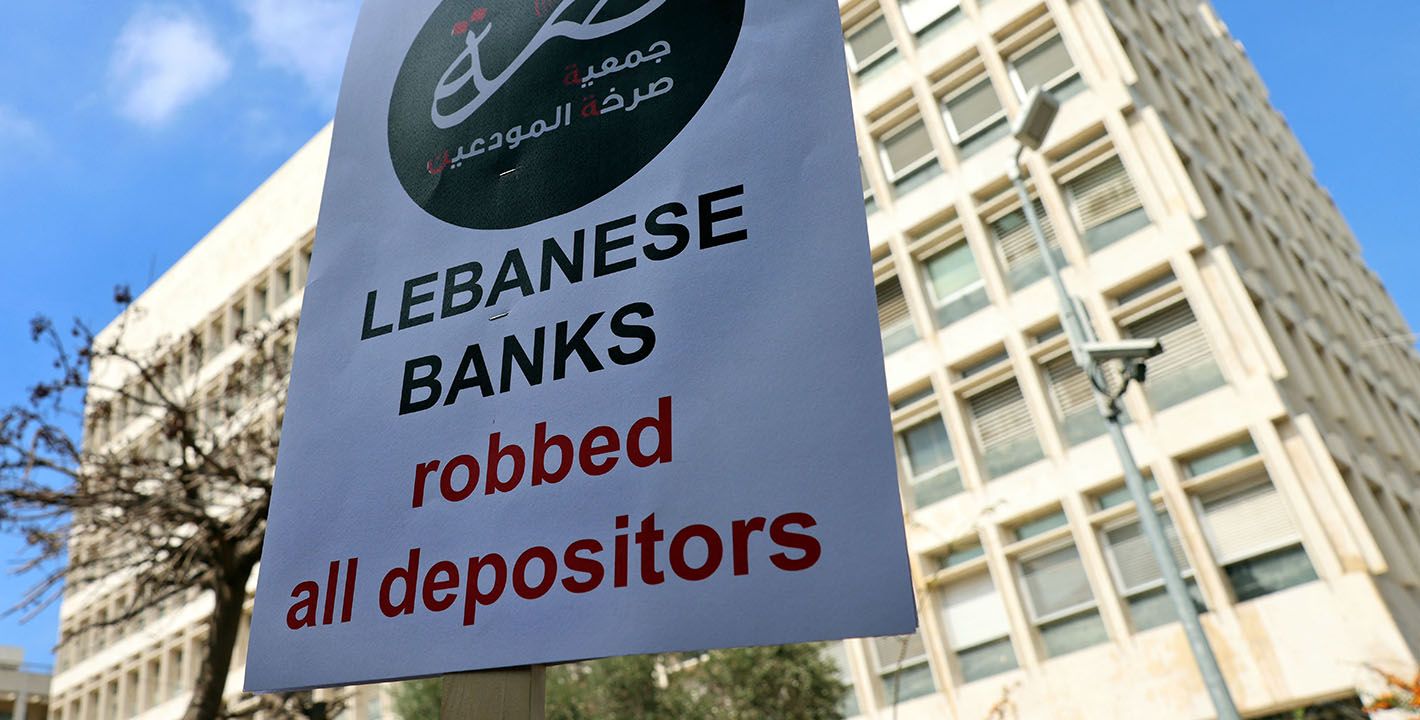
    Unpacking Lebanon’s Gap Law

    In an interview, Ishac Diwan looks at the merits and flaws in the draft legislation distributing losses from the financial collapse.

      Michael Young

  • Commentary
    Diwan
    Has Sisi Found a Competent Military Entrepreneur?

    Mustaqbal Misr has expanded its portfolio with remarkable speed, but a lack of transparency remains.

      Yezid Sayigh

  • Research
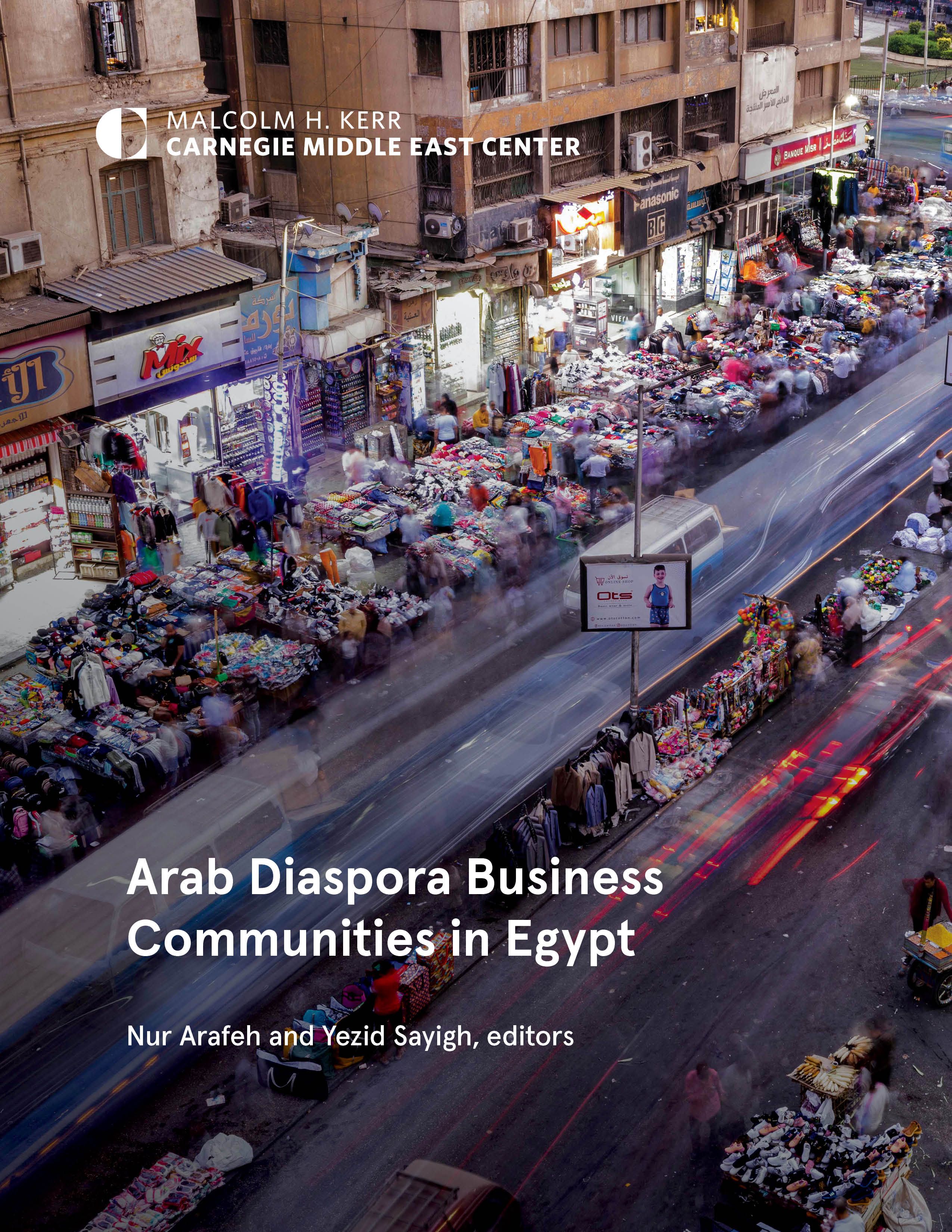
    Arab Diaspora Business Communities in Egypt

    Arab diaspora business communities in Egypt often mirror the same systemic challenges facing Egyptian businesses.

      • +4

      Nur Arafeh, Yezid Sayigh, Qaboul al-Absi, …

  • Article
    Saudi Arabia in Africa: Sound Economic and Geopolitical Strategy, or Resource Exploitation?

    Largely characterized thus far by a single-minded focus on extractivism, Riyadh must commit to greater equitability in its approach to investment and development deals with Sudan, Ethiopia, and Eritrea.

      Hesham Alghannam

  • A picture taken from a position at the Israeli border with the Gaza Strip shows the destruction due to Israeli bombardment in the besieged Palestinian territory on May 18, 2025
    Article
    Destruction, Disempowerment, and Dispossession: Disaster Capitalism and the Postwar Plans for Gaza

    Once Israel’s war in the territory is brought to an end, the foundational principles guiding reconstruction should be Palestinian self-determination, local agency, and sovereignty.

      Nur Arafeh, Mandy Turner

Get more news and analysis from
Malcolm H. Kerr Carnegie Middle East Center
Carnegie Middle East logo, white
  • Research
  • Diwan
  • About
  • Experts
  • Projects
  • Events
  • Contact
  • Careers
  • Privacy
  • For Media
Get more news and analysis from
Malcolm H. Kerr Carnegie Middle East Center
© 2026 Carnegie Endowment for International Peace. All rights reserved.