

Article
Pieter Bottelier
{
  "authors": [
    "Pieter Bottelier"
  ],
  "type": "other",
  "centerAffiliationAll": "dc",
  "centers": [
    "Carnegie Endowment for International Peace",
    "Carnegie Europe"
  ],
  "collections": [],
  "englishNewsletterAll": "asia",
  "nonEnglishNewsletterAll": "",
  "primaryCenter": "Carnegie Endowment for International Peace",
  "programAffiliation": "AP",
  "programs": [
    "Asia"
  ],
  "projects": [],
  "regions": [
    "East Asia",
    "China",
    "Asia"
  ],
  "topics": [
    "Political Reform",
    "Economy"
  ]
}
Source: Getty
The central bank of China has cautiously begun to tighten monetary policy in response to a massive residential property bubble, demonstrating Beijing’s belief that it has both the policy tools and the political will to control the bubble and avoid a burst.
With an overheating economy and an expanding bubble in residential property, China began tightening its monetary policy in early 2010. Pieter Bottelier writes that an uncontrolled collapse of the housing market is unlikely if Beijing can effectively cool speculative demand for housing. Still, China should remain wary of the potentially destabilizing social consequences associated with unaffordable housing.
“Given the scarcity of land and high population density in eastern China, residential property prices will tend to be high relative to incomes, even if there is a market correction in the near-term,” writes Bottelier. “Widespread discontent over housing affordability could become a source of social instability and is for that reason very much on the government’s radar screen.”

Former Nonresident Scholar, International Economics Program
Bottelier was a nonresident scholar in Carnegie’s International Economics Program and senior adjunct professor of China studies at the School of Advanced International Studies (SAIS), the Johns Hopkins University. His work currently focuses on China’s economic reform and development.
Recent Work
Pieter Bottelier
Pieter Bottelier
Carnegie does not take institutional positions on public policy issues; the views represented herein are those of the author(s) and do not necessarily reflect the views of Carnegie, its staff, or its trustees.

The armed forces champion a form of capitalism that is generating revenue, but its reliance on rent faces diminishing returns, leaving the country with massive sunk costs and deferred returns, deepening dependency on external borrowing.

Yezid Sayigh
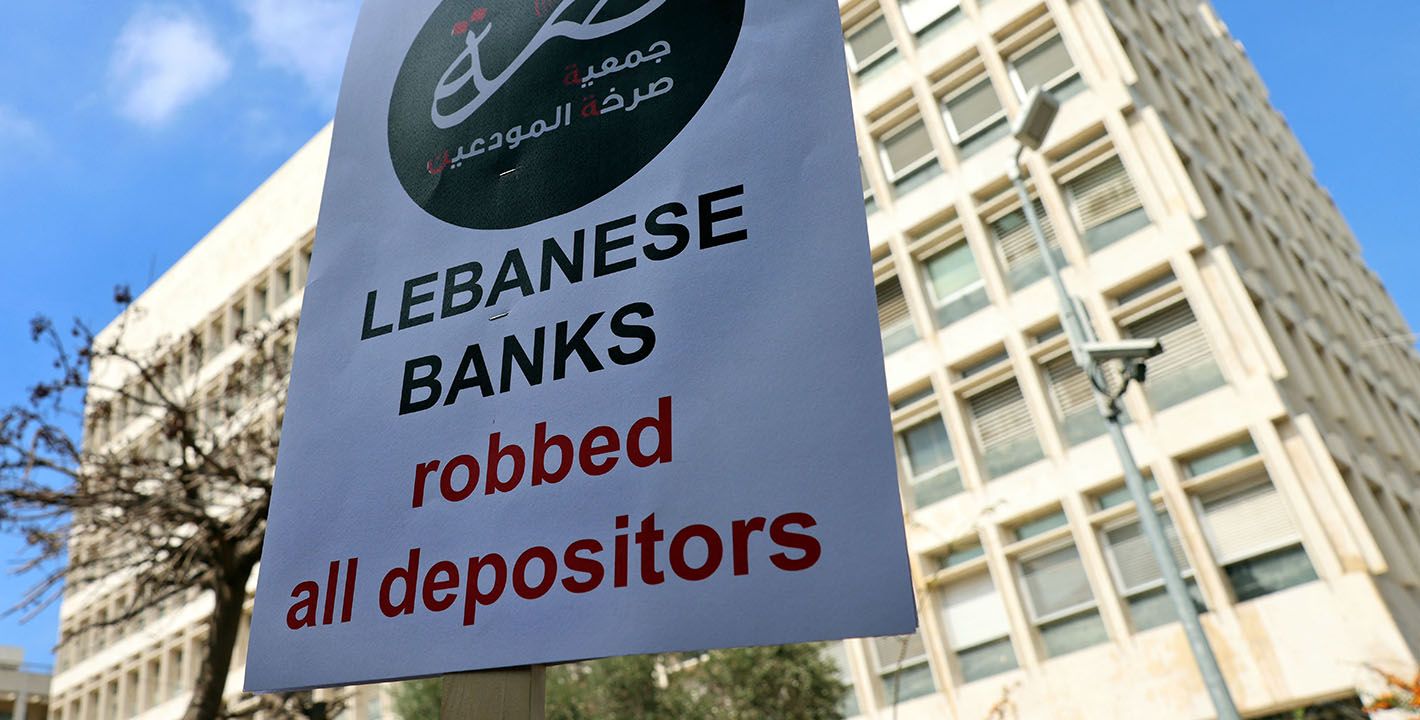
In an interview, Ishac Diwan looks at the merits and flaws in the draft legislation distributing losses from the financial collapse.

Michael Young

Mustaqbal Misr has expanded its portfolio with remarkable speed, but a lack of transparency remains.
Yezid Sayigh

Arab diaspora business communities in Egypt often mirror the same systemic challenges facing Egyptian businesses.

Nur Arafeh, Yezid Sayigh, Qaboul al-Absi, …

Largely characterized thus far by a single-minded focus on extractivism, Riyadh must commit to greater equitability in its approach to investment and development deals with Sudan, Ethiopia, and Eritrea.

Hesham Alghannam