• Research
  • Diwan
  • About
  • Experts
Carnegie Middle East logoCarnegie lettermark logo
LebanonIran
{
  "authors": [],
  "type": "pressRelease",
  "centerAffiliationAll": "dc",
  "centers": [
    "Carnegie Endowment for International Peace"
  ],
  "collections": [],
  "englishNewsletterAll": "ctw",
  "nonEnglishNewsletterAll": "",
  "primaryCenter": "Carnegie Endowment for International Peace",
  "programAffiliation": "SAP",
  "programs": [
    "South Asia"
  ],
  "projects": [],
  "regions": [
    "South Asia",
    "Pakistan"
  ],
  "topics": [
    "Political Reform"
  ]
}
REQUIRED IMAGE

REQUIRED IMAGE

Press Release

Police reform in Pakistan will increase security and the strength of the civilian government

Pakistan’s police force has historically been constrained by the military and intelligence agencies and often politicized as an instrument of repression against opposition groups. Reforming civilian security forces will diminish Islamabad’s dependence on the military and increase the legitimacy of the regime.

Link Copied
Published on Jul 14, 2010

WASHINGTON, July 14—Pakistan’s police force has historically been constrained by the military and intelligence agencies and often politicized as an instrument of repression against opposition groups. In a new paper, Frédéric Grare writes that reforming civilian security forces will diminish Islamabad’s dependence on the military and increase the legitimacy of the regime.

Recommendations for Pakistani policy makers

  • Remove military oversight of the police. The armed forces’ involvement in selecting police leaders will ultimately lead to the militarization of the police.
  • Guarantee police receiving U.S. assistance serve only as police. The United States and other donors need to be reassured that their money is being spent as intended. When officers are redirected to military operations or counterterrorism it diverts the time and resources needed to develop into a successful institution.
  • Utilize lessons from good models. The National Highways and Motorways Police is a branch that has not been politicized and has avoided the leadership and funding problems experienced by other agencies. This model should be emulated.

Recommendations for U.S. policy makers

  • Implement the Kerry-Lugar-Berman bill. The civilian assistance legislation sponsored by Senators Kerry and Lugar and Congressman Berman provides a promising framework but is limited by competing objectives. Long-term goals of political and democratic reform are at odds with the short-term goal of gaining cooperation from the Pakistani army in the fight against terrorism.
  • Support the strengthening of police capabilities. Many officers resent their dependence on an army that tends to monopolize resources and impedes their room to maneuver. The United States should help provide the training and resources for them to operate independently.

“Police reform should not be allowed to serve as an alibi for the Pakistani intelligence agencies’ selective fight against terrorism,” writes Grare. “Only under these conditions will the Pakistani police become an effective instrument for fighting terrorism and a contributor to security and stability in Pakistan and beyond.”

###


NOTES

  • Click here to read the paper online
  • Frédéric Grare is a nonresident senior associate in Carnegie’s South Asia Program. His research focuses on South Asia security issues and the search for a security architecture. He also works on the tension between stability and democratization in Pakistan, including civil-military relations, the challenge of sectarian conflict, and Islamic political mobilization. Grare has written extensively on security issues, Islamist movements, and sectarian conflict in Pakistan and Afghanistan.
  • The Carnegie South Asia Program informs policy debates relating to the region’s security, economy, and political development. From the war in Afghanistan to Pakistan’s internal dynamics to U.S. engagement with India, the Program’s renowned team of experts offer in-depth analysis derived from their unique access to the people and places defining South Asia’s most critical challenges.
  • Press Contact: Kendra Galante, 202-939-2233, pressoffice@ceip.org
Political ReformSouth AsiaPakistan

Carnegie does not take institutional positions on public policy issues; the views represented herein are those of the author(s) and do not necessarily reflect the views of Carnegie, its staff, or its trustees.

More Work from Malcolm H. Kerr Carnegie Middle East Center

  • Commentary
    Sada
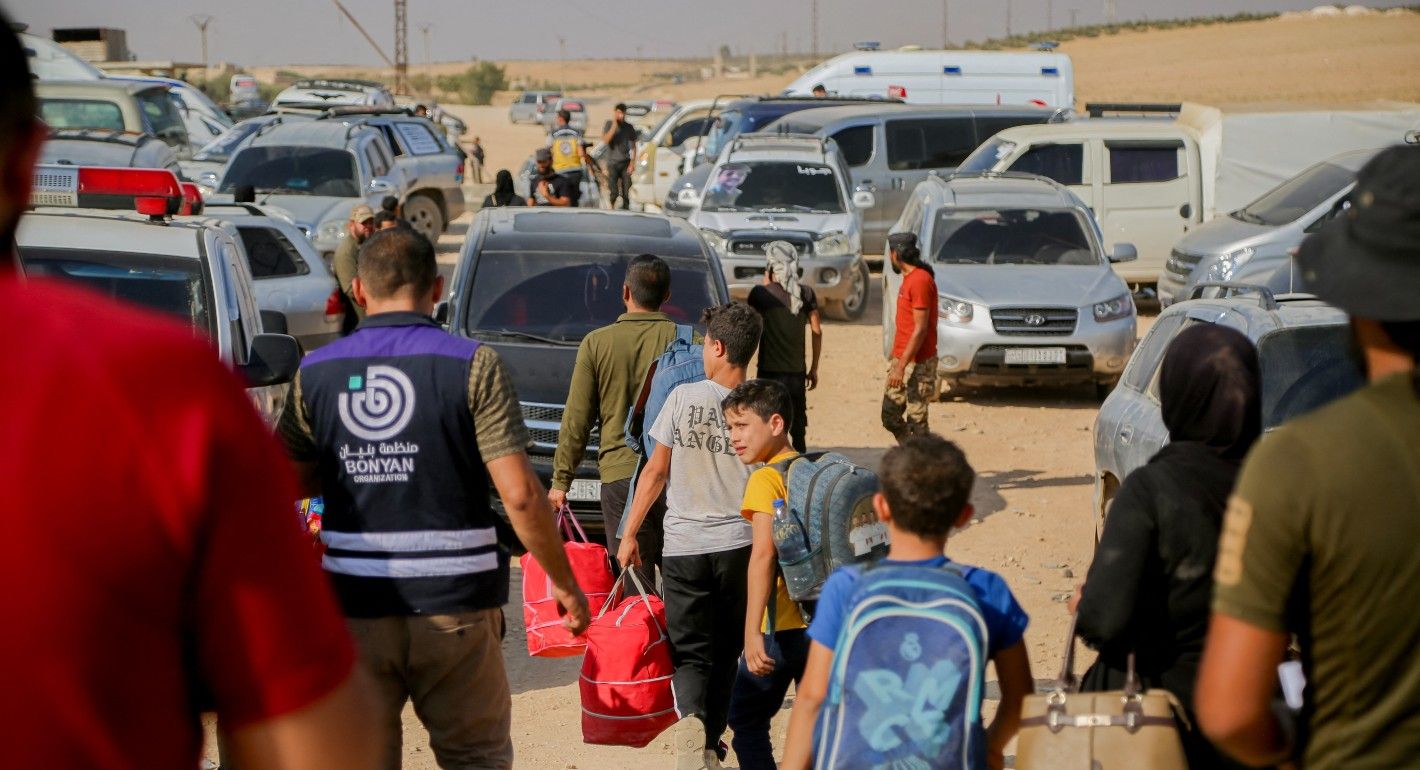
    Navigating Danger: Syrian Refugees in Lebanon Risk Returning

    A humanitarian crisis in Lebanon deepens, and Syrian refugees face a perilous choice: remain in a war-torn environment or return to Syria where they risk encountering significant dangers and discrimination. There are significant challenges and risks to their search for safety in Syria.

      Haid Haid
  • Paper
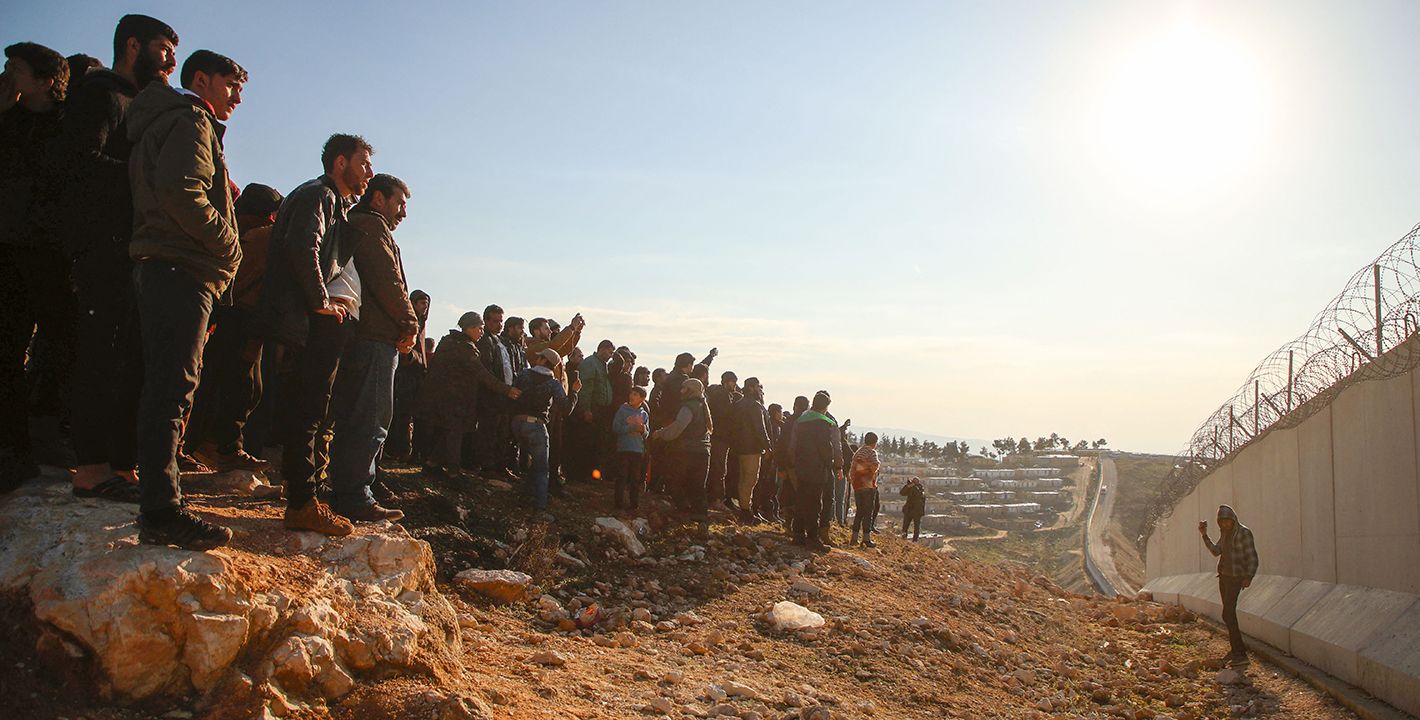
    Borders Without a Nation: Syria, Outside Powers, and Open-Ended Instability

    In Syria’s border regions, changes in demographics, economics, and security mean that an inter-Syrian peace process will require consensus among main regional powers that Syria must remain united, that no one side can be victorious, and that perennial instability threatens the region.

      Kheder Khaddour, Armenak Tokmajyan

  • Research
    The Military and Private Business Actors in the Global South: The Politics of Market Access

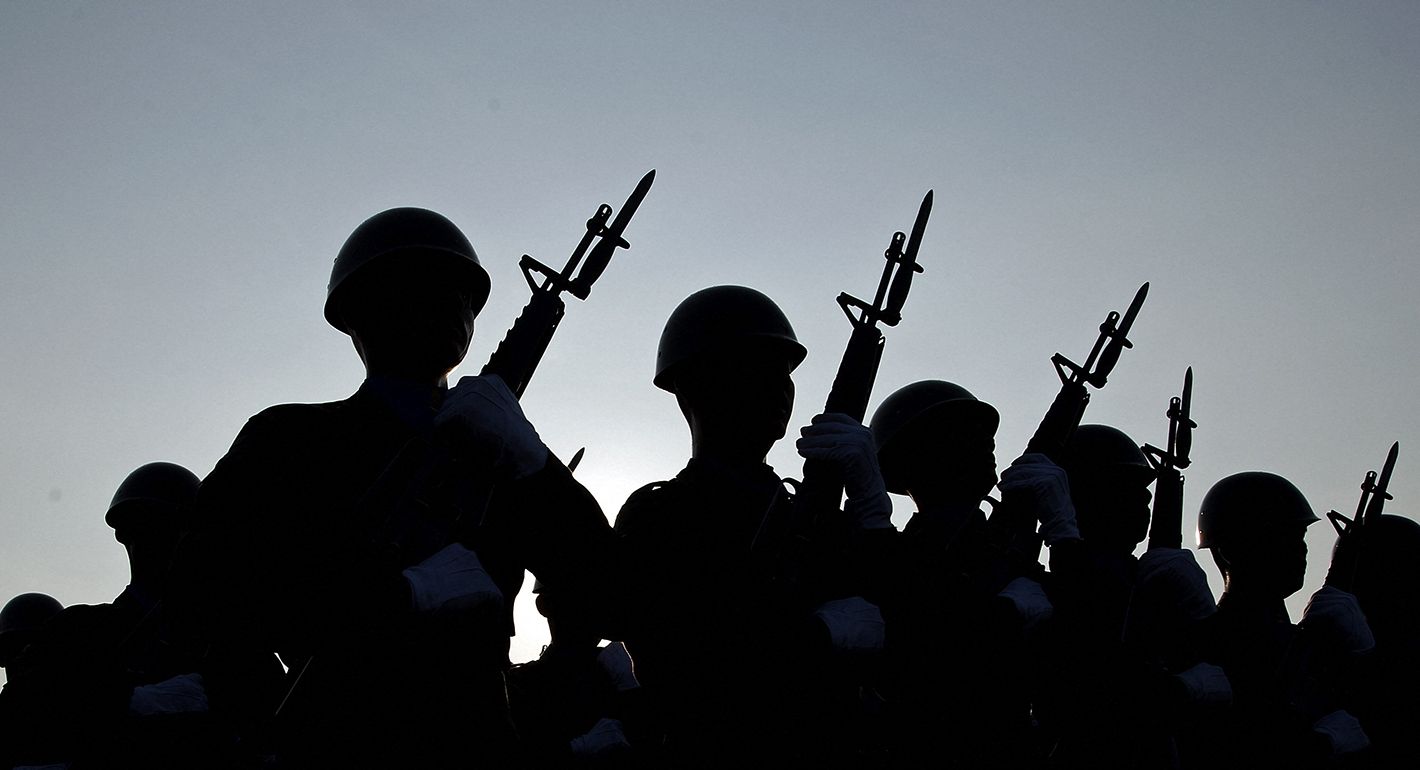
    The interaction of national armed forces and private business sectors offers a useful lens for viewing the politics of numerous countries of the so-called Global South. A rising trend of military political activism—often accompanied by military commercial activity—underlines the importance of drivers and outcomes in these relationships.

      Yezid Sayigh, Hamza Meddeb

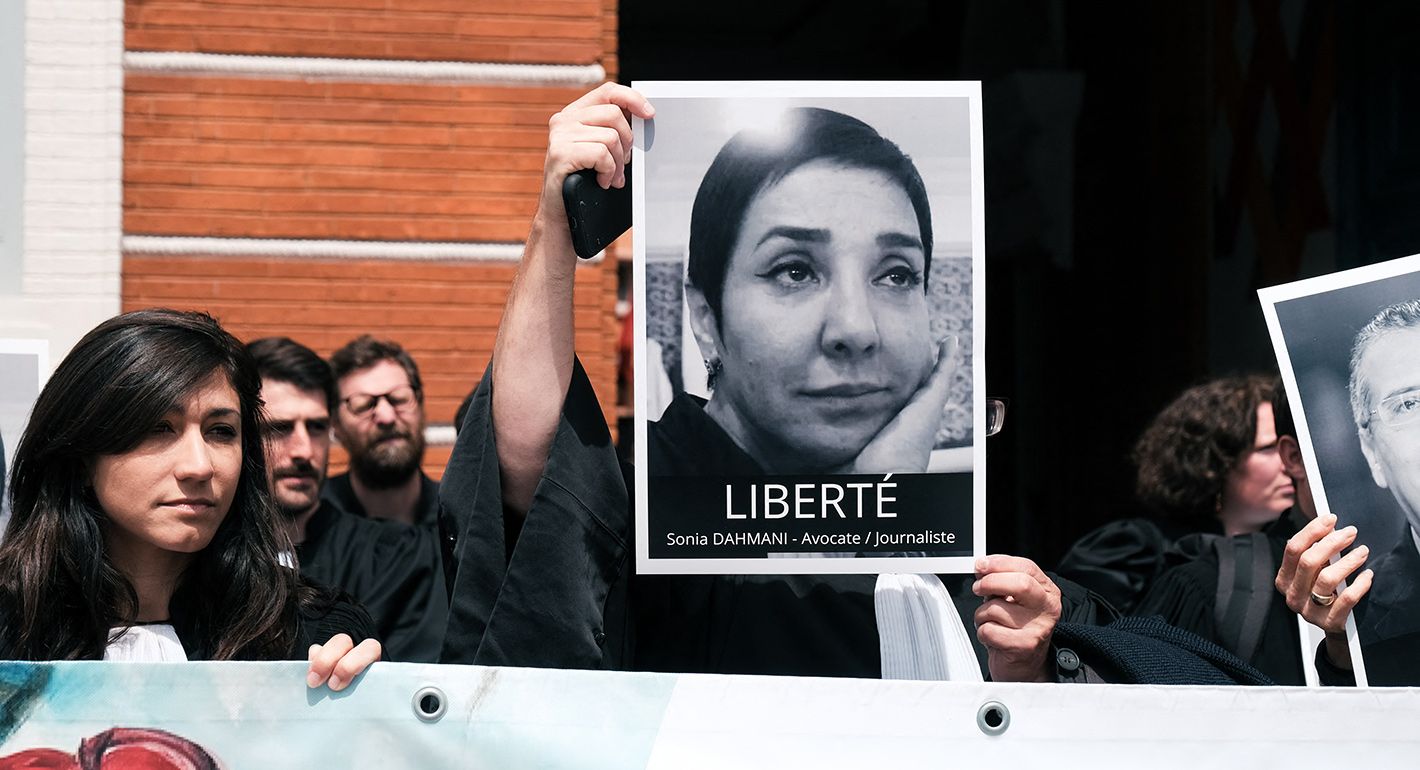
  • Rally organized by lawyers from the Toulouse Bar to protest against the arrest of their Tunisian colleague Sonia Dahmani and journalists, in front of the consulate in Toulouse, southwest of France, on May 16, 2024
    Commentary
    Diwan
    Why Tunisia Lost Faith in Democracy

    For many in the society, the post-Ben Ali years were mainly about successive economic crises and political instability.

      Jasmine Khelil

  • Commentary
    Diwan
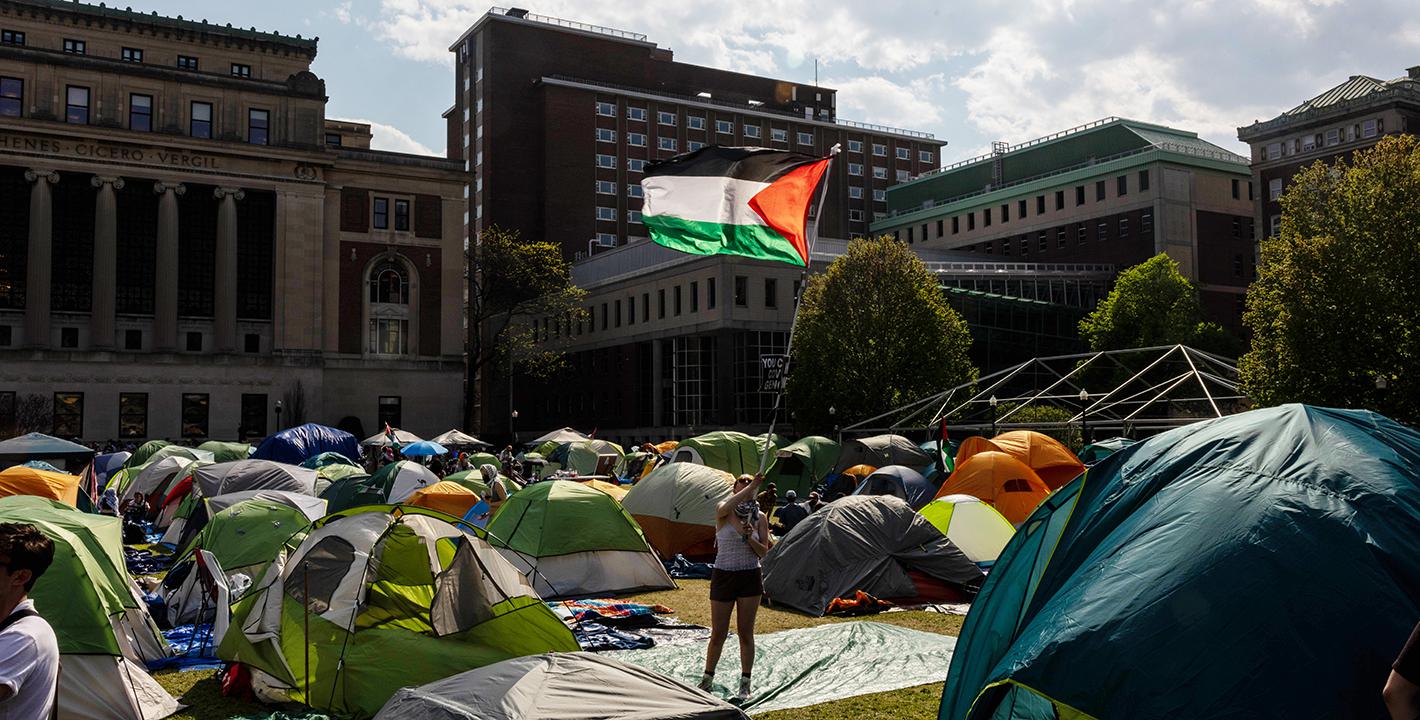
    Gaza and the Revolt in U.S. Colleges

    As students around the United States and Europe protest, the relationship of Western elites with Israel is being redefined.

      Michael Young

Get more news and analysis from
Malcolm H. Kerr Carnegie Middle East Center
Carnegie Middle East logo, white
  • Research
  • Diwan
  • About
  • Experts
  • Projects
  • Events
  • Contact
  • Careers
  • Privacy
  • For Media
Get more news and analysis from
Malcolm H. Kerr Carnegie Middle East Center
© 2026 Carnegie Endowment for International Peace. All rights reserved.