• Research
  • Diwan
  • About
  • Experts
Carnegie Middle East logoCarnegie lettermark logo
LebanonIran
{
  "authors": [],
  "type": "pressRelease",
  "centerAffiliationAll": "",
  "centers": [
    "Carnegie Endowment for International Peace"
  ],
  "collections": [],
  "englishNewsletterAll": "",
  "nonEnglishNewsletterAll": "",
  "primaryCenter": "Carnegie Endowment for International Peace",
  "programAffiliation": "",
  "programs": [],
  "projects": [],
  "regions": [
    "North America",
    "South America",
    "East Asia",
    "Eastern Europe"
  ],
  "topics": [
    "Economy",
    "Trade"
  ]
}
REQUIRED IMAGE

REQUIRED IMAGE

Press Release

Regional trade agreements fuel economic growth

With global trade talks stalled and lower demand from major economies, regional trade agreements are emerging as a way for middle-income countries to increase trade, spur growth, and lower unemployment rates. In a new report, Alejandro Foxley analyzes how three regions—Eastern Europe, Latin America, and East Asia—are increasing trade within their borders and building a broader free trade system.

Link Copied
Published on Sep 16, 2010

WASHINGTON, September 16—With global trade talks stalled and lower demand from major economies that were hit hard by the global economic crisis, regional trade agreements are emerging as a way for middle-income countries to increase trade, spur growth, and lower unemployment rates. In a new report, Alejandro Foxley analyzes how three regions—Eastern Europe, Latin America, and East Asia—are increasing trade within their borders and building a broader free trade system.

Using the findings from three vastly different experiences, Foxley says that regional trade agreements work best when participating countries have few political differences, coordinate their monetary and fiscal policies, and embrace globalization. And bottom-up approaches in which companies develop regional supply chains are more effective in improving regional integration than top-down approaches imposed by governments.

Policy Recommendations:

  • Eastern Europe: The European Union—which bought 80 percent of Eastern Europe’s exported goods in 2008—can spur further regional growth by implementing policies that reduce deficits and regain lost competitiveness.
  • Latin America: With their relatively strong fiscal positions, Latin American countries can expand on existing agreements by ending administrative restrictions and tariffs and coordinating investment in transportation, energy, and telecommunications.
  • East Asia: Despite a high number of trade agreements that make it difficult to resolve disputes and navigate the relevant rules, East Asia enjoys a successful trading history. The region should now expand its trade bloc to include China, Japan, and South Korea.

“Pursuing stronger regional trade agreements can help form the building blocks for global free trade deals,” Foxley writes. “Increasing trade will not only help middle-income economies develop but also drive growth around the world as the financial crisis recedes.”

###


NOTES

Click here to read the full report.

Alejandro Foxley is a senior associate in the Carnegie International Economics Program. Before joining Carnegie, Foxley was minister of foreign affairs of the Republic of Chile (2006–2009). Between 1998 and 2006, he was a senator of Chile, serving as chairman of the Finance Committee and the Permanent Joint Budget Committee.  Previously, he was also Chile’s minister of finance and concurrently served as a governor of the Inter-American Development Bank and the World Bank (1990–1994).

The Carnegie International Economics Program monitors and analyzes short- and long-term trends in the global economy, including macroeconomic developments, trade, commodities, and capital flows, and draws out policy implications. The initial focus of the Program will be the global financial crisis and the policy issues raised. Among other research, the Program will examine the ramifications of the rising weight of developing countries in the global economy.

Press Contact: Kendra Galante, 202-939-2289, pressoffice@ceip.org
 

EconomyTradeNorth AmericaSouth AmericaEast AsiaEastern Europe

Carnegie does not take institutional positions on public policy issues; the views represented herein are those of the author(s) and do not necessarily reflect the views of Carnegie, its staff, or its trustees.

More Work from Malcolm H. Kerr Carnegie Middle East Center

  • Paper
    Egypt’s Military Landlord Economy and its Limitations

    The armed forces champion a form of capitalism that is generating revenue, but its reliance on rent faces diminishing returns, leaving the country with massive sunk costs and deferred returns, deepening dependency on external borrowing.

      Yezid Sayigh

  • Article
    From Hormuz to the Maghreb: The Geopolitical Reach of a Gulf Crisis

    Morocco and Algeria, each in its own way, are having to navigate the global economic fallout of the U.S.-Israeli military campaign against Iran.

      Yasmine Zarhloule

  • Commentary
    Diwan
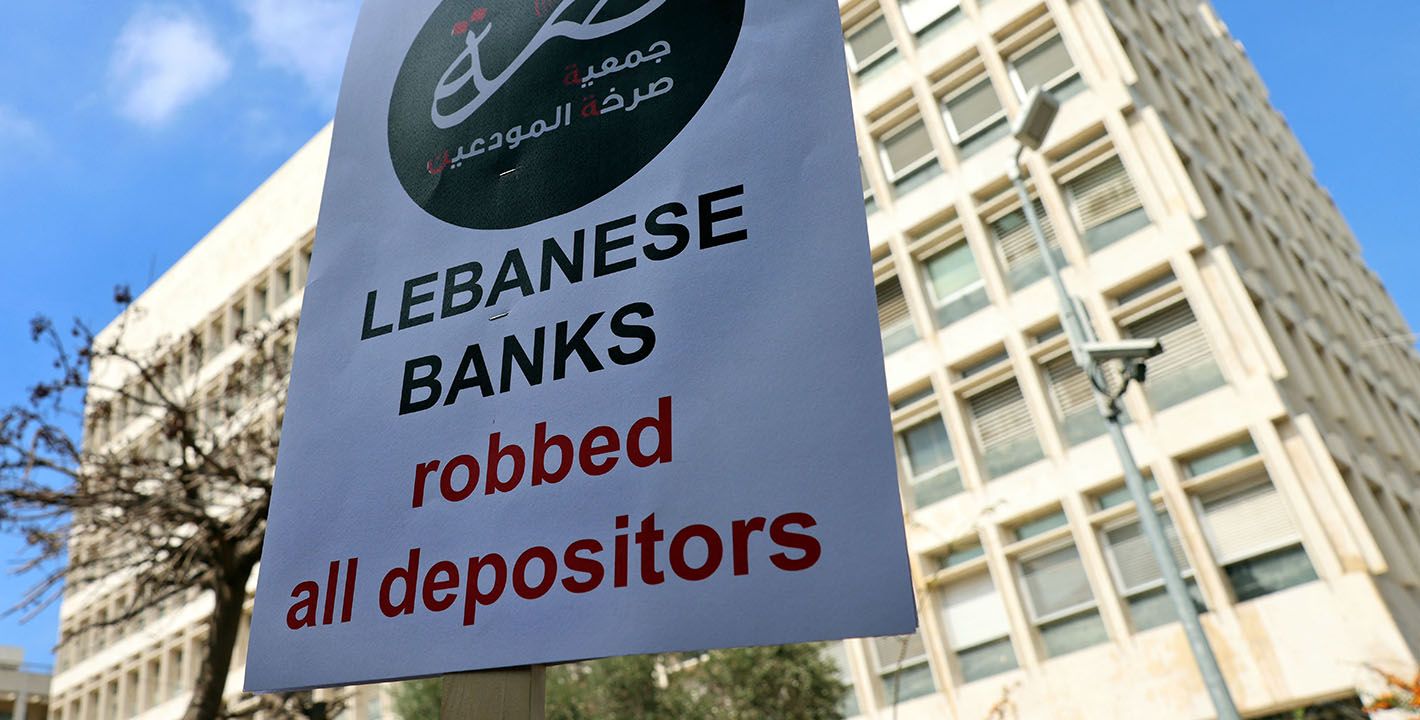
    Unpacking Lebanon’s Gap Law

    In an interview, Ishac Diwan looks at the merits and flaws in the draft legislation distributing losses from the financial collapse.

      Michael Young

  • Commentary
    Diwan
    Has Sisi Found a Competent Military Entrepreneur?

    Mustaqbal Misr has expanded its portfolio with remarkable speed, but a lack of transparency remains.

      Yezid Sayigh

  • Research
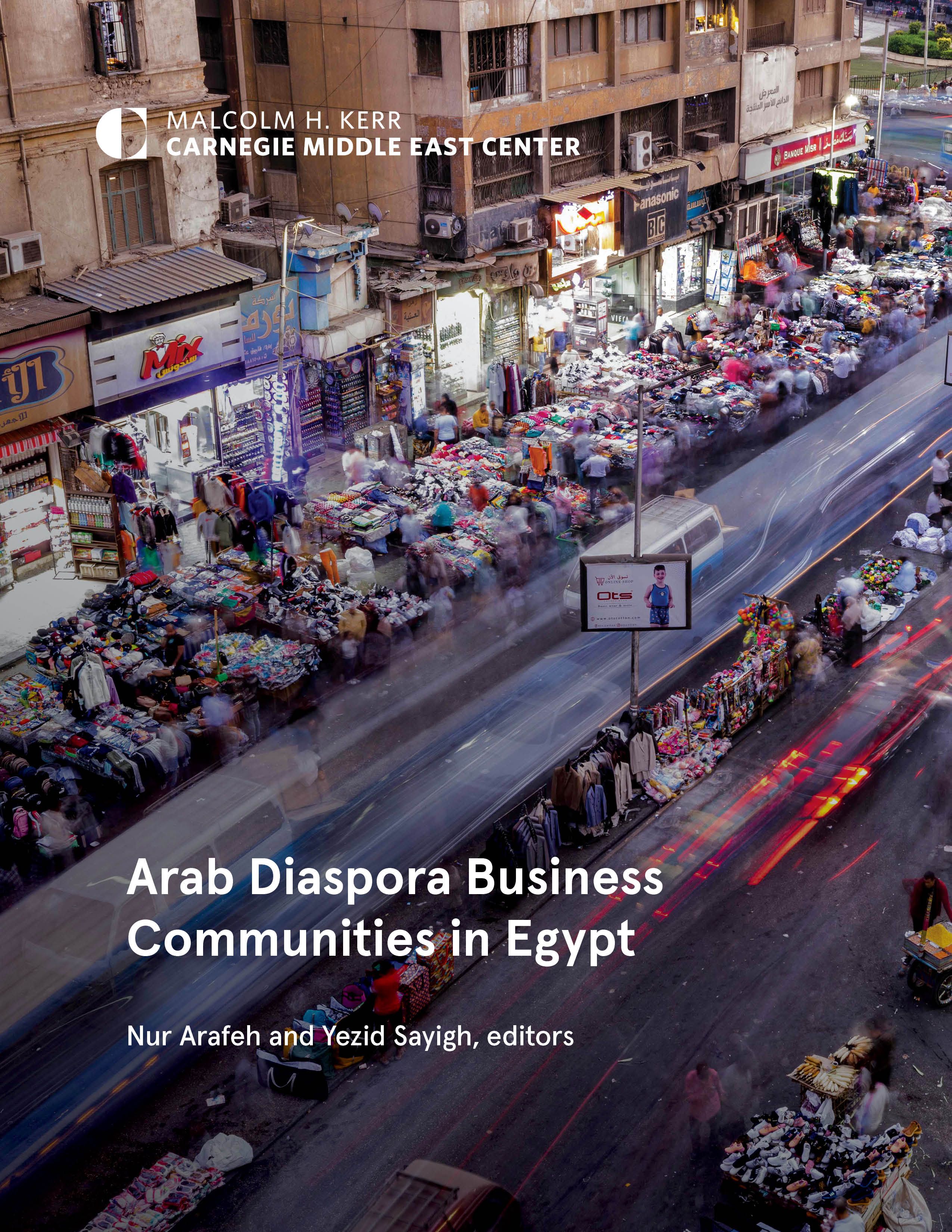
    Arab Diaspora Business Communities in Egypt

    Arab diaspora business communities in Egypt often mirror the same systemic challenges facing Egyptian businesses.

      • +4

      Nur Arafeh, Yezid Sayigh, Qaboul al-Absi, …

Get more news and analysis from
Malcolm H. Kerr Carnegie Middle East Center
Carnegie Middle East logo, white
  • Research
  • Diwan
  • About
  • Experts
  • Projects
  • Events
  • Contact
  • Careers
  • Privacy
  • For Media
Get more news and analysis from
Malcolm H. Kerr Carnegie Middle East Center
© 2026 Carnegie Endowment for International Peace. All rights reserved.