

Commentary
In an interview, Mayssoun Sukarieh discusses youths in the region, and how they are being defined and reshaped.
Yasmine Zarhloule
{
  "authors": [],
  "type": "other",
  "centerAffiliationAll": "",
  "centers": [
    "Carnegie Endowment for International Peace"
  ],
  "collections": [],
  "englishNewsletterAll": "",
  "nonEnglishNewsletterAll": "",
  "primaryCenter": "Carnegie Endowment for International Peace",
  "programAffiliation": "",
  "programs": [],
  "projects": [],
  "regions": [
    "North Africa",
    "Egypt"
  ],
  "topics": []
}
Source: Getty
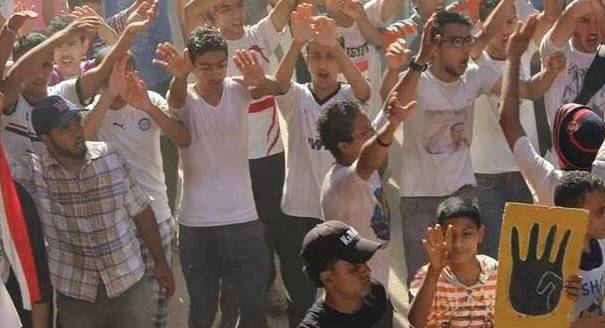
A backgrounder on the Wasat Party.
This resource was published on 09/16/2010 and is not updated to reflect changing circumstances.
Al-Wasat, as its name indicates, is a moderate Islamist party, originally a spin-off from the Muslim Brotherhood that was finally allowed to register in 2011 after fifteen years of unsuccessful efforts. It was first a member of the Democratic Alliance, but left on October 2, 2011. The party was in talks to join the Third Way Alliance and the Islamist Alliance but decided to compete in the 2011-2012 parliamentary elections on an unaffiliated independent list.
Abu al-‘Ila Madi: Founder and president
Essam Sultan: Leading party member
Salah ‘Abd al-Karim: Leading party member and member of the party’s political bureau
Al-Wasat was founded in 1996 when several young but well-respected members of the Muslim Brotherhood broke away from the organization to form a political party. Abu al-‘Ila Madi took charge of the newly formed party and was assisted by fellow Brotherhood defectors Salah ‘Abd al-Karim and Essam Sultan. The party’s religious ideology is drawn from the Wasatiyya (Centrist) school of thought, a liberal interpretive tradition in Islamic thinking that is firmly anchored in Islamic law but seeks to interpret its principles in a manner consistent with the values of a liberal democratic system.
The party immediately ran into trouble with both the government and the Muslim Brotherhood. The founders were accused by the Mubarak regime of setting up a front for the banned Muslim Brotherhood, while the leadership of the Muslim Brotherhood promptly expelled all members who joined the new organization. Al-Wasat applied for legal party status in 1996, 1998, 2004, and 2009, but their applications were denied for a variety of reasons until the 2011 uprising. Despite its lack of legal status during that period, al-Wasat sought to cooperate with other parties and organizations in efforts to bring about political reform.
Carnegie does not take institutional positions on public policy issues; the views represented herein are those of the author(s) and do not necessarily reflect the views of Carnegie, its staff, or its trustees.
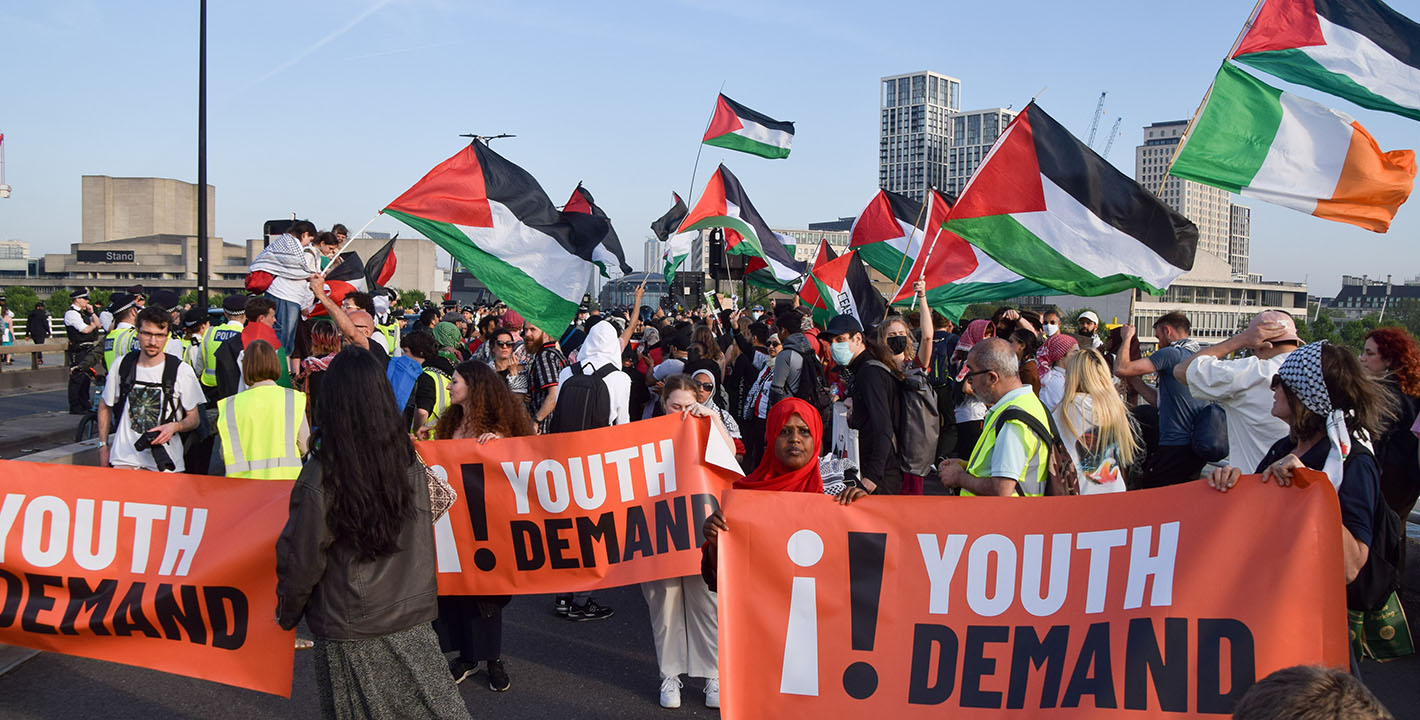
In an interview, Mayssoun Sukarieh discusses youths in the region, and how they are being defined and reshaped.

Yasmine Zarhloule
Spot analysis from Carnegie scholars on events relating to the Middle East and North Africa.

Yezid Sayigh

The armed forces champion a form of capitalism that is generating revenue, but its reliance on rent faces diminishing returns, leaving the country with massive sunk costs and deferred returns, deepening dependency on external borrowing.
Yezid Sayigh

This will be the region’s most representative tournament, amid broad changes in its footballing landscape.

Issam Kayssi
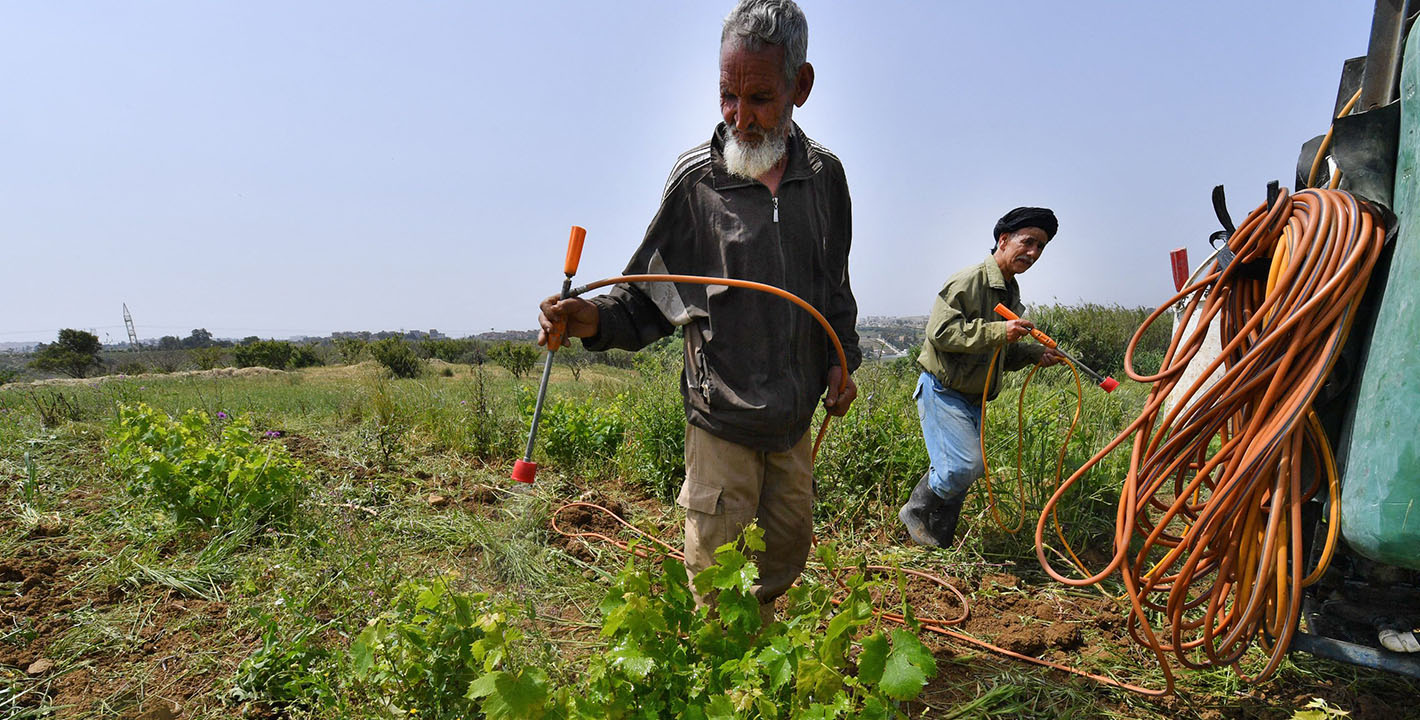
Understanding how farmers in the Oued Sahel-Soummam Valley grapple with climate change is essential for addressing the paradoxes through which adaptation, operating at both individual and institutional levels, deepens the region’s vulnerability and erodes the social fabric and agrarian identity that once defined life.

Ilyssa Yahmi