

Commentary
In an interview, Abhinav Pandya discusses the multiple facets of India’s ties with the Middle East.
Armenak Tokmajyan
{
  "authors": [],
  "type": "pressRelease",
  "centerAffiliationAll": "dc",
  "centers": [
    "Carnegie Endowment for International Peace"
  ],
  "collections": [],
  "englishNewsletterAll": "ctw",
  "nonEnglishNewsletterAll": "",
  "primaryCenter": "Carnegie Endowment for International Peace",
  "programAffiliation": "SAP",
  "programs": [
    "South Asia"
  ],
  "projects": [],
  "regions": [
    "South Asia",
    "India"
  ],
  "topics": []
}
REQUIRED IMAGE
President Obama departs for India in November on his first presidential visit to the world’s largest democracy.
WASHINGTON, October 28—President Obama departs for India next week on his first presidential visit to the world’s largest democracy. In a new paper, Ashley J. Tellis writes that Obama has a unique opportunity to cement a global partnership with a rapidly emerging power—and India has the potential to be America’s most important strategic partner. A strong bilateral relationship with New Delhi will help Washington manage China’s rise, promote democracy globally, and protect broader American interests.
Key Recommendations for the United States:
"By reaffirming the U.S. commitment to aid India’s growth in power and emphasizing America’s fellowship with India, Obama can help bring the two countries together on shared interests and move their relationship forward significantly," Tellis writes.
NOTES
Click here to read the full paper
Ashley J. Tellis is a senior associate in the Carnegie South Asia Program. He specializes in international security, defense, and Asian strategic issues and was intimately involved in the negotiations associated with the U.S.–India civil nuclear agreement. Previously, he was a senior adviser to the U.S. ambassador to India and was a special assistant to the president and senior director for strategic planning and Southwest Asia in the National Security Council.
The Carnegie South Asia Program informs policy debates relating to the region's security, economy, and political development. From the war in Afghanistan to Pakistan's internal dynamics to U.S. engagement with India, the Program's renowned team of experts offer in-depth analysis derived from their unique access to the people and places defining South Asia's most critical challenges.
Press Contact: Kendra Galante, 202-939-2233, pressoffice@ceip.org
Carnegie does not take institutional positions on public policy issues; the views represented herein are those of the author(s) and do not necessarily reflect the views of Carnegie, its staff, or its trustees.
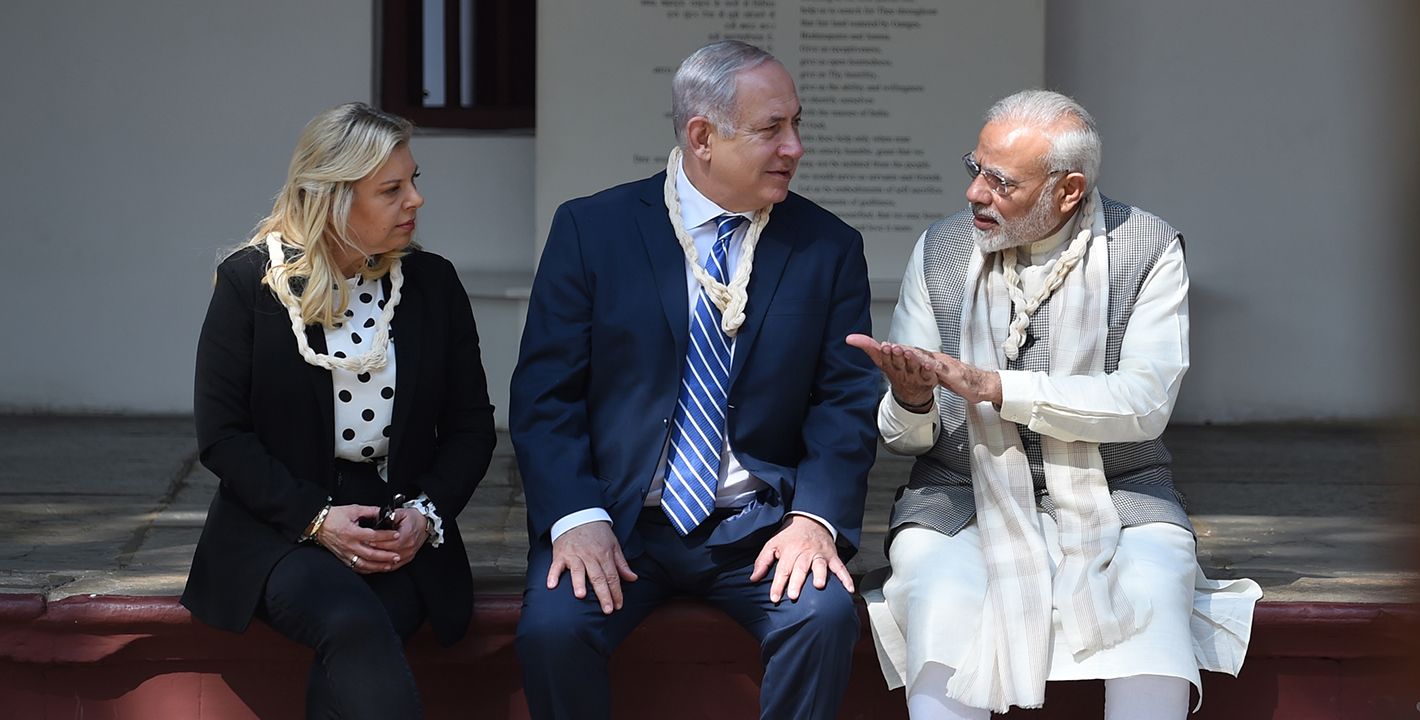
In an interview, Abhinav Pandya discusses the multiple facets of India’s ties with the Middle East.

Armenak Tokmajyan
The interaction of national armed forces and private business sectors offers a useful lens for viewing the politics of numerous countries of the so-called Global South. A rising trend of military political activism—often accompanied by military commercial activity—underlines the importance of drivers and outcomes in these relationships.

Yezid Sayigh, Hamza Meddeb

The Gulf Cooperation Council has shifted its energy export focus to Asia, particularly India and China. This is part of a broader shift as GCC members look to expand their geopolitical alliances away from the West.

Alexandre Kateb
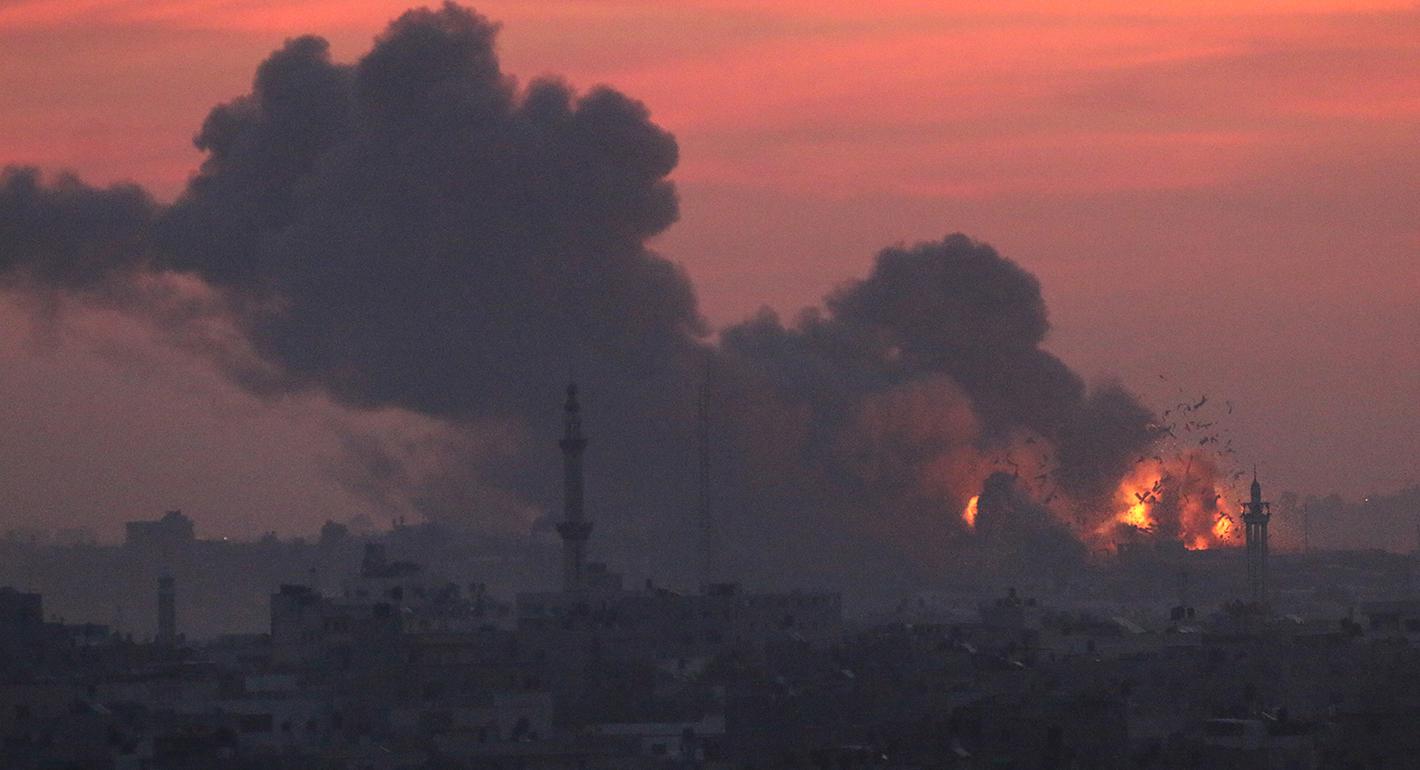
Scholars from Carnegie’s global network comment on how the ongoing conflict between Israelis and Palestinians is affecting their areas of interest, and what the implications of this may be.



Maha Yahya, Rosa Balfour, Judy Dempsey, …
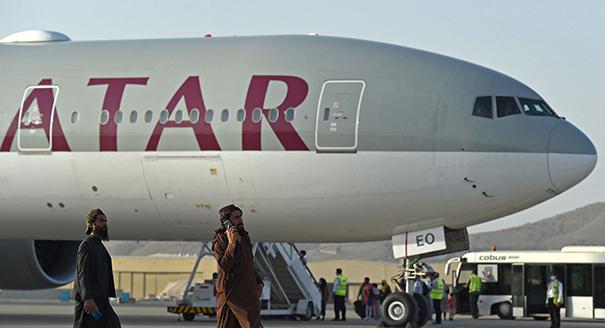
Turkey’s success in finding a role in Afghanistan could bring its leadership valuable benefits.

Marc Pierini