

Article
Pieter Bottelier
{
  "authors": [
    "Pieter Bottelier"
  ],
  "type": "legacyinthemedia",
  "centerAffiliationAll": "dc",
  "centers": [
    "Carnegie Endowment for International Peace"
  ],
  "collections": [],
  "englishNewsletterAll": "asia",
  "nonEnglishNewsletterAll": "",
  "primaryCenter": "Carnegie Endowment for International Peace",
  "programAffiliation": "AP",
  "programs": [
    "Asia"
  ],
  "projects": [],
  "regions": [
    "East Asia",
    "China",
    "North America"
  ],
  "topics": [
    "Economy"
  ]
}
Source: Getty
China recently surprised many economists by raising its official loan interest rate in an effort to ward off higher inflation and prevent the further development of a potentially dangerous property bubble.
Source: Voice of America

Pieter Bottelier, Senior adjunct professor of China studies at Johns Hopkins University says China raised the interest rates to try to ward off some serious economic problems. Those problems, he says, are much higher inflation than the government feels comfortable with and a property bubble of quite significant proportions and potentially dangerous for the economy. He says the interest rate hike reflects a high level of concern about inflation and was an effort to bring an overheating economy down to earth.
Oh! It is undoubtedly serious. It's a major phenomenon, but it's not national. It's essentially limited to the major cities on the east coast and a few tier one interior cities and Hainan Island. The national averages do not show the bubble phenomenon.
I think that's all part of it. It's very complex, but the interest rate adjustment is, I think, clearly intended to help cool down the economy and achieve a soft landing. The economy had been overheating since the second-half of 2009. But, by itself, if will not accomplish that, that miracle. There is, in my view, a high probability that China's economy will continue to grow fairly fast, but not at these terrible rates we have seen in recent years. My expectation is that the growth rate, partly because of natural pressures, partly because the government, I think, wants to achieve it, will come down in the next several years to a more sustainable level of around 7 percent.
The adjustment in interest rates is not going to do anything automatically for the exchange rate. If they want to continue moving in the right direction and achieve greater independence for domestic monetary policy they will have to make the rate more flexible. That's what they said they would do. But, there's no immediate connection between the interest rate adjustment and the exchange rate.
Former Nonresident Scholar, International Economics Program
Bottelier was a nonresident scholar in Carnegie’s International Economics Program and senior adjunct professor of China studies at the School of Advanced International Studies (SAIS), the Johns Hopkins University. His work currently focuses on China’s economic reform and development.
Recent Work
Pieter Bottelier
Pieter Bottelier
Carnegie does not take institutional positions on public policy issues; the views represented herein are those of the author(s) and do not necessarily reflect the views of Carnegie, its staff, or its trustees.

Huawei pushed hard to enter the Egyptian data centers market, until the Americans made a better offer.

Angie Omar

The armed forces champion a form of capitalism that is generating revenue, but its reliance on rent faces diminishing returns, leaving the country with massive sunk costs and deferred returns, deepening dependency on external borrowing.

Yezid Sayigh
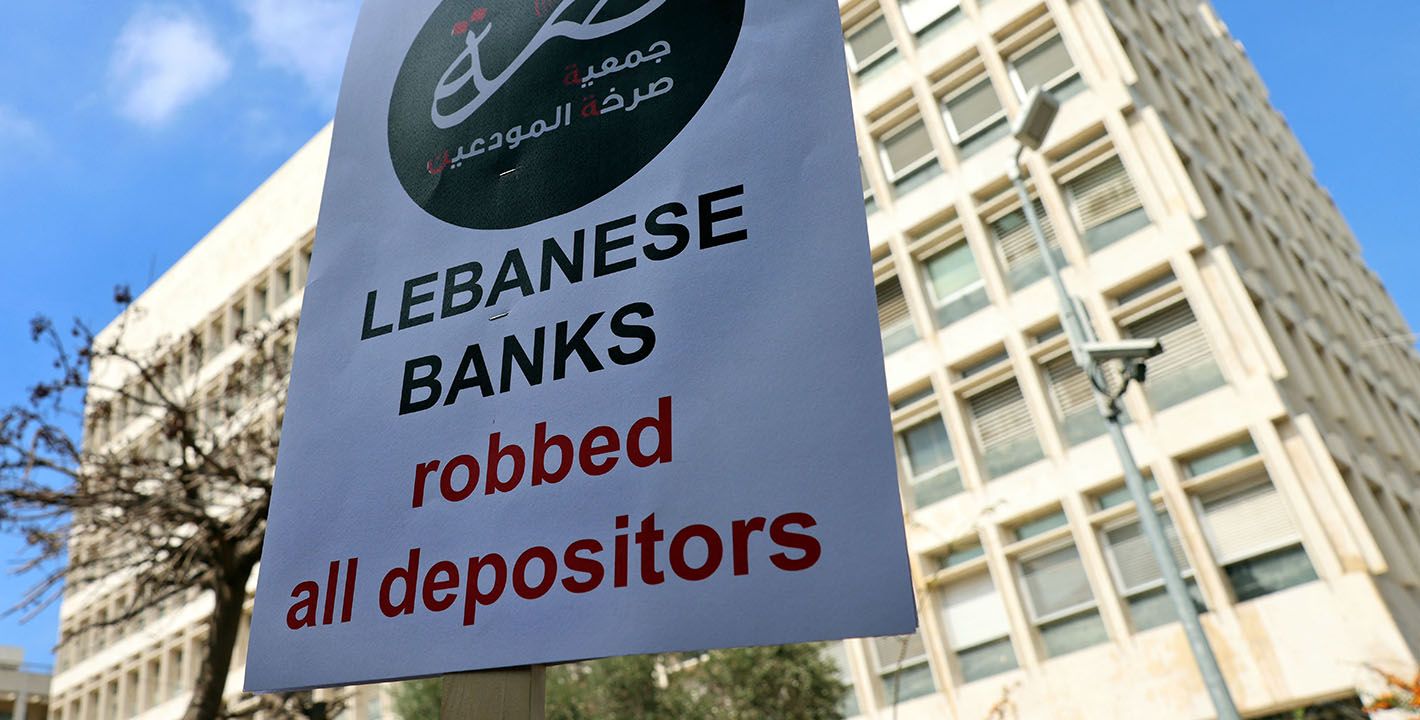
In an interview, Ishac Diwan looks at the merits and flaws in the draft legislation distributing losses from the financial collapse.

Michael Young
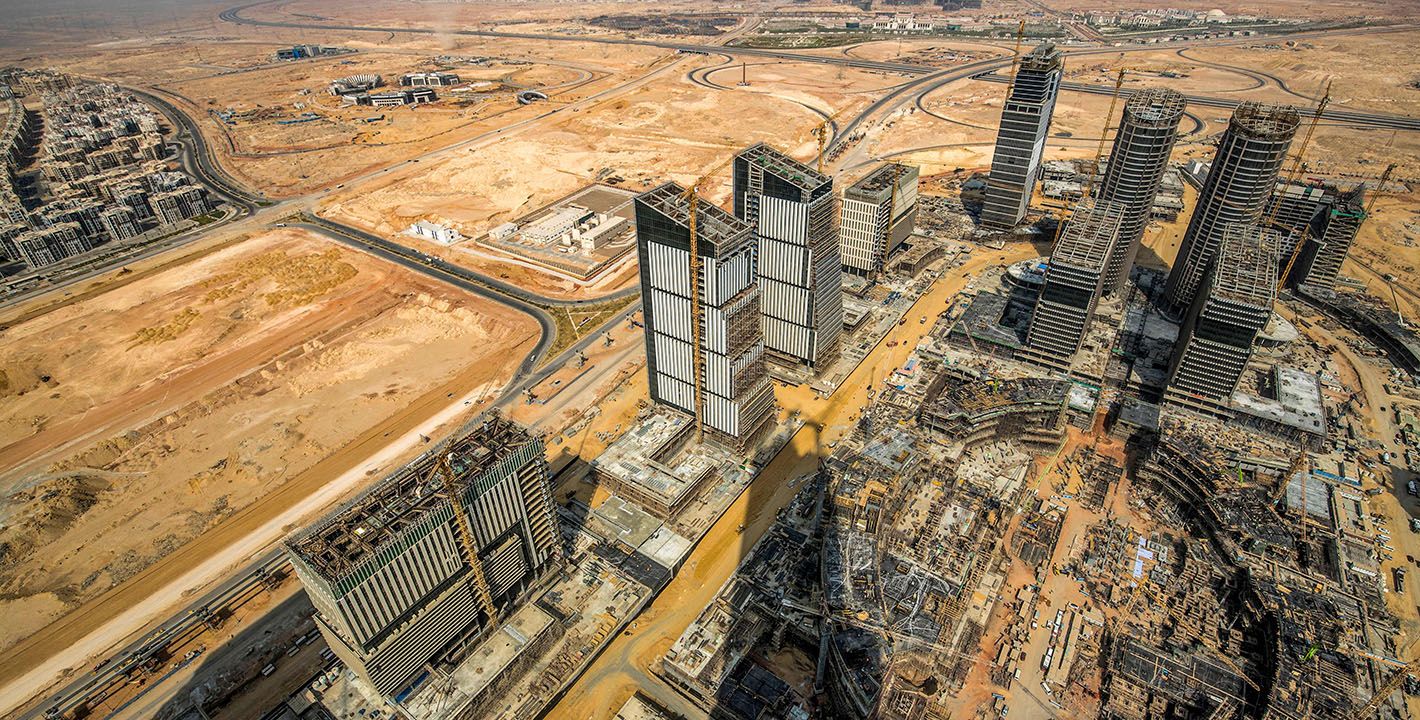
Mustaqbal Misr has expanded its portfolio with remarkable speed, but a lack of transparency remains.
Yezid Sayigh

Arab diaspora business communities in Egypt often mirror the same systemic challenges facing Egyptian businesses.

Nur Arafeh, Yezid Sayigh, Qaboul al-Absi, …