

Commentary
In an interview, Jim Lamson discusses the ongoing regional conflict and sees an unclear picture when it comes to winners and losers.
Michael Young
{
  "authors": [],
  "type": "other",
  "centerAffiliationAll": "dc",
  "centers": [
    "Carnegie Endowment for International Peace"
  ],
  "collections": [],
  "englishNewsletterAll": "ctw",
  "nonEnglishNewsletterAll": "",
  "primaryCenter": "Carnegie Endowment for International Peace",
  "programAffiliation": "SCP",
  "programs": [
    "Sustainability, Climate, and Geopolitics"
  ],
  "projects": [],
  "regions": [
    "North America",
    "United States"
  ],
  "topics": [
    "Climate Change"
  ]
}
Source: Getty
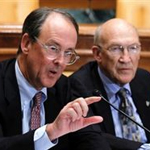
Given preliminary findings from an ongoing analysis of the U.S. transportation system's contribution to the national deficit, there are three important principles that the National Commission on Fiscal Responsibility and Reform should consider in its final report to the President.
Source: November 5

Dear Chairman Bowles and Chairman Simpson,
We write as Co-Chairs of the Leadership Initiative for Transportation Solvency, an initiative formed by the Carnegie Endowment for International Peace. Under our leadership, this initiative will conduct an analysis of strategies to end the U.S. transportation system’s burden on the national deficit. Strategies will be politically realistic but also serve to make transportation better, greener, and more fiscally sound.
The U.S. highway trust fund is broke, unaccountable spending undermines long-term strategic priorities, and infrastructure is crumbling. Failure to reform the transportation system risks deepening U.S. dependence on oil, climate change challenges, and eroding economic competitiveness. Waiting to make real improvements only drives up future costs whereas responsible policies can improve transportation and reduce the national deficit today.
Enclosed is an explanation of our preliminary findings from the initiative with recommendations. In summary, we recommend that the National Commission on Fiscal Responsibility and Reform:
END WASTEFUL SPENDING ON EXISTING SURFACE TRANSPORTATION ACCOUNTS
Create in the next transportation reauthorization bill a Transportation Realignment and Accountability Commission. The commission could review all non-core surface transportation programs and recommend, based on performance against their original legislative justifications, whether they should be continued or terminated.
INVEST IN INFRASTRUCTURE TO GROW THE ECONOMY
Smart investments will grow the economy. Require all federal capital surface transportation investments, other than assistance for reconstruction and state of good repair programs, to be distributed on a competitive basis and subject to rigorous economic analysis. Funding should be predicated on projects meeting minimum benefit-cost requirements.
FULLY FUND A REFORMED FEDERAL SURFACE TRANSPORTATION PROGRAM WITH NEW REVENUE SOURCES
Publicly-funded or financed transportation investment programs should add revenue to the general fund of the U.S. Treasury. We further recommend that this funding goal be achieved through pricing of carbon emissions from within the transportation sector, either through (1) increased gas taxes, (2) a sales tax (or other tax indexed to price and inflation) on gasoline, (3) emission-based user fees for access to capacity on the National Transportation System (NTS), or (4) a fee on oil consumption imposed at the well-head or the point of importation of oil or refined oil products.
We look forward to working with you on this important matter.
Sincerely,

The Honorable William W. Bradley

The Honorable Thomas J. Ridge

The Honorable David M. Walker
Carnegie does not take institutional positions on public policy issues; the views represented herein are those of the author(s) and do not necessarily reflect the views of Carnegie, its staff, or its trustees.
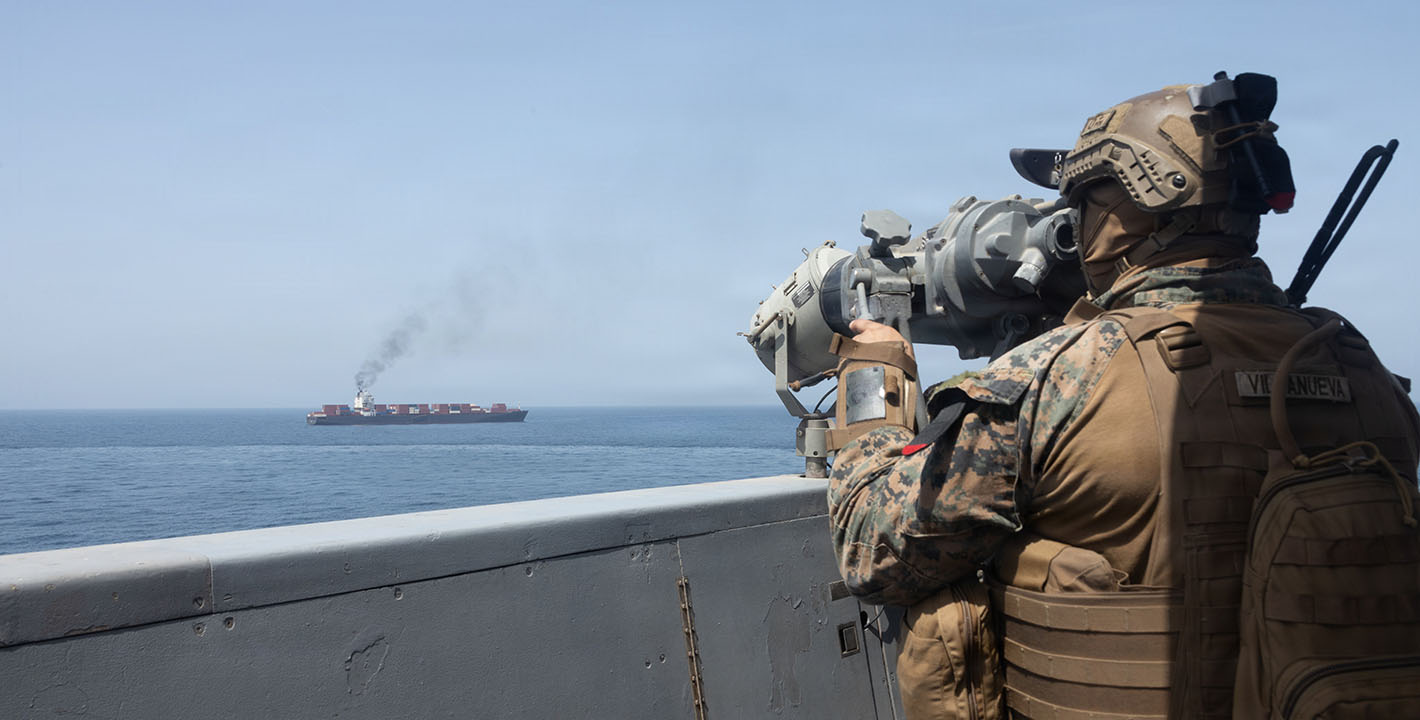
In an interview, Jim Lamson discusses the ongoing regional conflict and sees an unclear picture when it comes to winners and losers.

Michael Young

Unless Beirut lowers expectations, any setbacks will end up bolstering Hezbollah’s narrative.

Mohanad Hage Ali
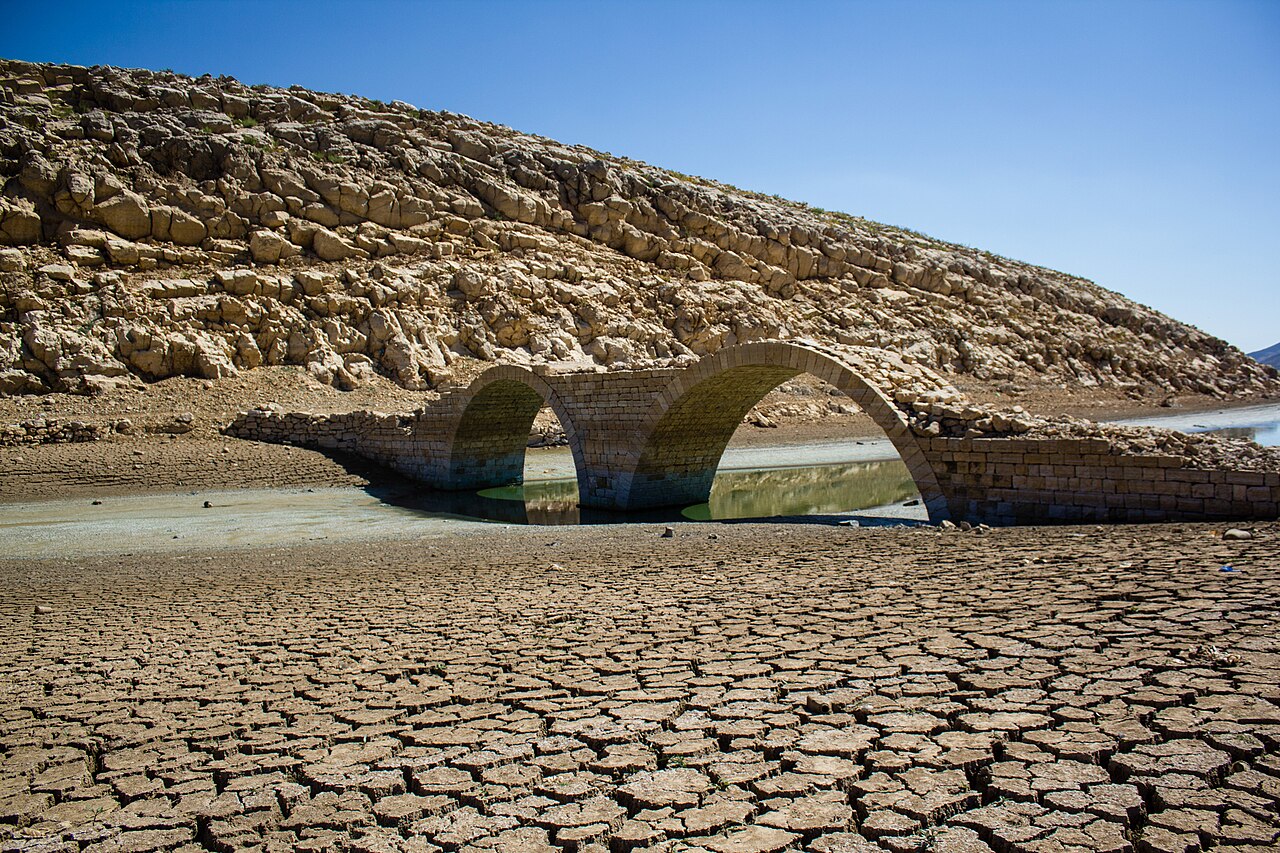
Lebanon’s largest water reservoir is a house of many mansions when it comes to converging failures.
Camille Ammoun
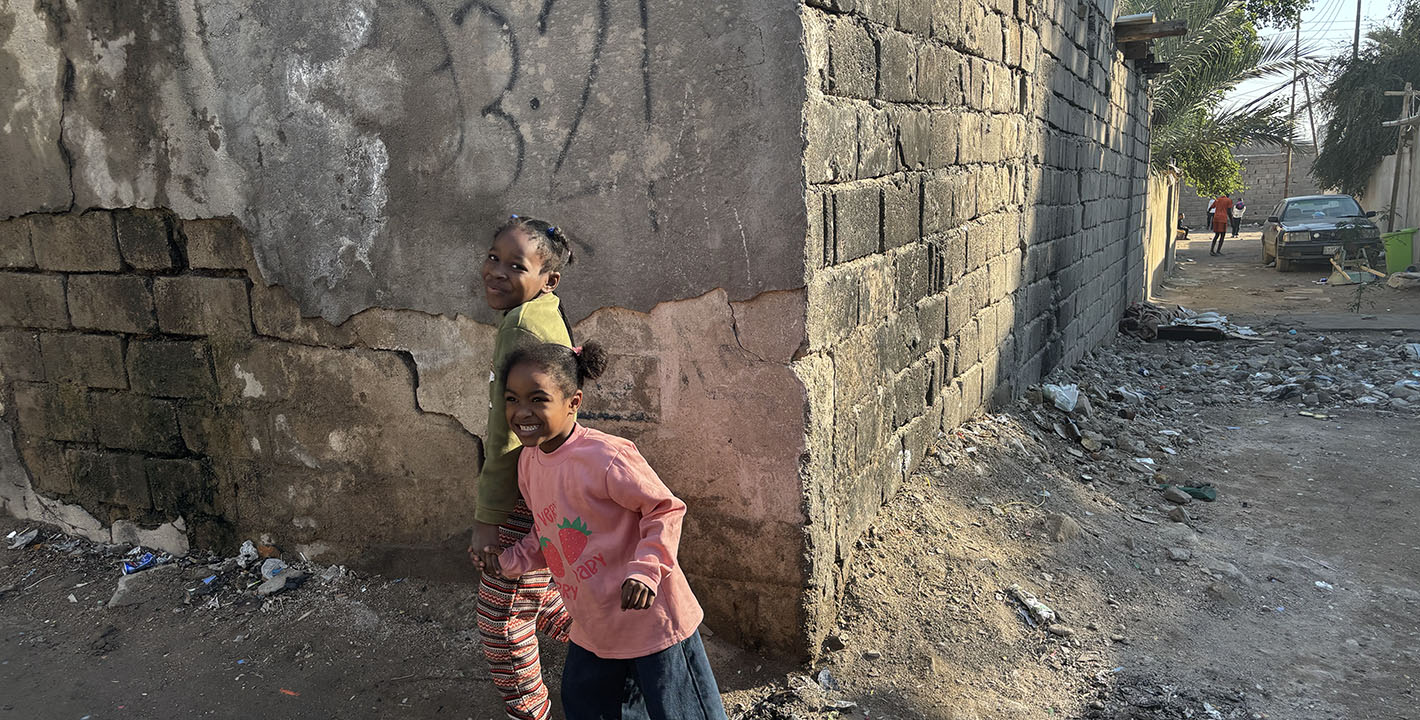
Afro-Iraqis experience political, economic, and social marginalization and discrimination, which exposes the poorest members of the community to the harsh realities of the region’s climate disaster.

Zeinab Shuker

Mitigating the repercussions of climate change in Kuwait is crucial for lessening economic disparities and achieving social justice.
Courtney Freer