

In The Media
David Rothkopf
{
  "authors": [
    "David Rothkopf"
  ],
  "type": "legacyinthemedia",
  "centerAffiliationAll": "",
  "centers": [
    "Carnegie Endowment for International Peace"
  ],
  "collections": [],
  "englishNewsletterAll": "",
  "nonEnglishNewsletterAll": "",
  "primaryCenter": "Carnegie Endowment for International Peace",
  "programAffiliation": "",
  "programs": [],
  "projects": [],
  "regions": [
    "East Asia",
    "China"
  ],
  "topics": [
    "Political Reform",
    "Economy"
  ]
}
Source: Getty
Although China is growing rapidly, it faces challenges from internal unrest and a lack of full integration into the global economy.
Source: CNBC
On CNBC’s The Kudlow Report, David Rothkopf argued that the popular uprising in Egypt could prove contagious to China, whose regime has faced 70,000 to 80,000 demonstrations a year in the past years. Rothkopf argued that China’s political problems, its inability to communicate clearly with the international community, and its failure to fully integrate into the global economy undermine claims that the nation's rapidly growing GDP will make it a world leader.
Former Visiting Scholar
David Rothkopf was a visiting scholar at the Carnegie Endowment as well as the former CEO and editor in chief of the FP Group.
Recent Work
David Rothkopf
David Rothkopf
Carnegie does not take institutional positions on public policy issues; the views represented herein are those of the author(s) and do not necessarily reflect the views of Carnegie, its staff, or its trustees.

The armed forces champion a form of capitalism that is generating revenue, but its reliance on rent faces diminishing returns, leaving the country with massive sunk costs and deferred returns, deepening dependency on external borrowing.

Yezid Sayigh
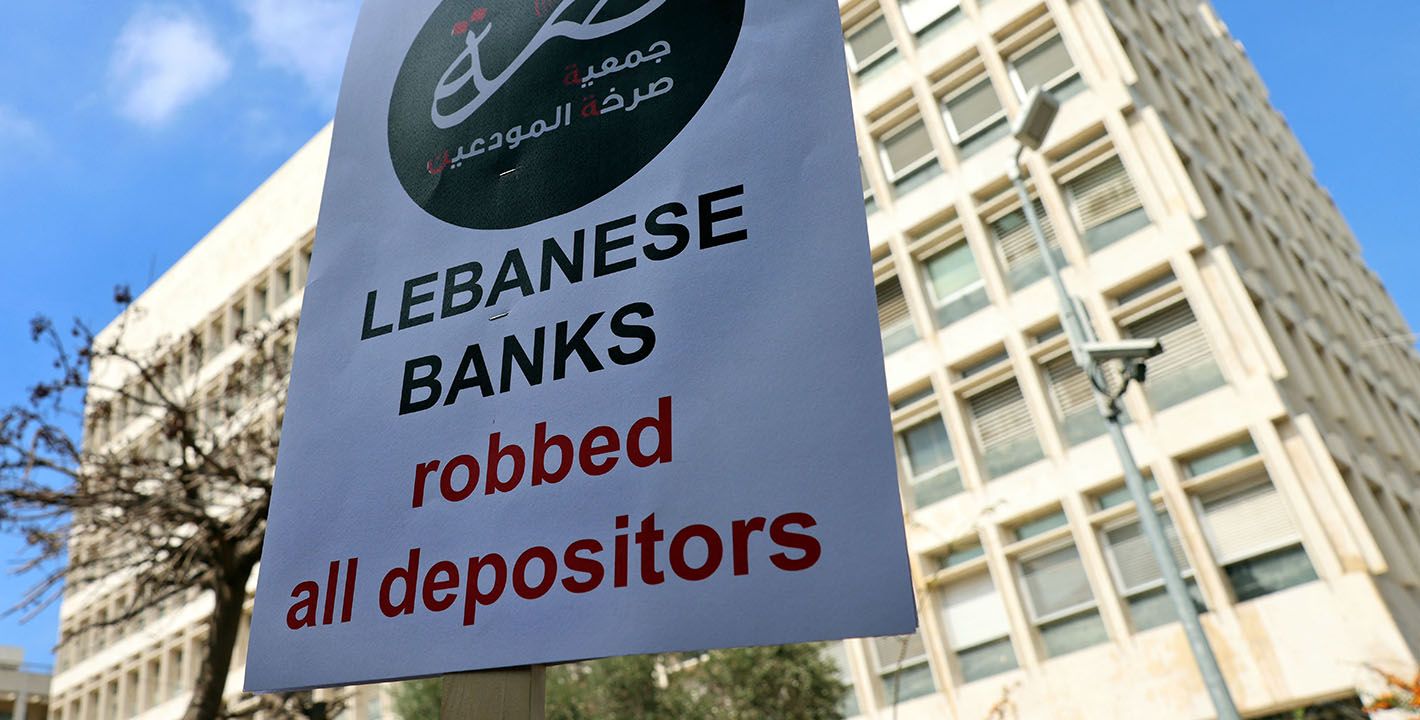
In an interview, Ishac Diwan looks at the merits and flaws in the draft legislation distributing losses from the financial collapse.

Michael Young

Mustaqbal Misr has expanded its portfolio with remarkable speed, but a lack of transparency remains.
Yezid Sayigh
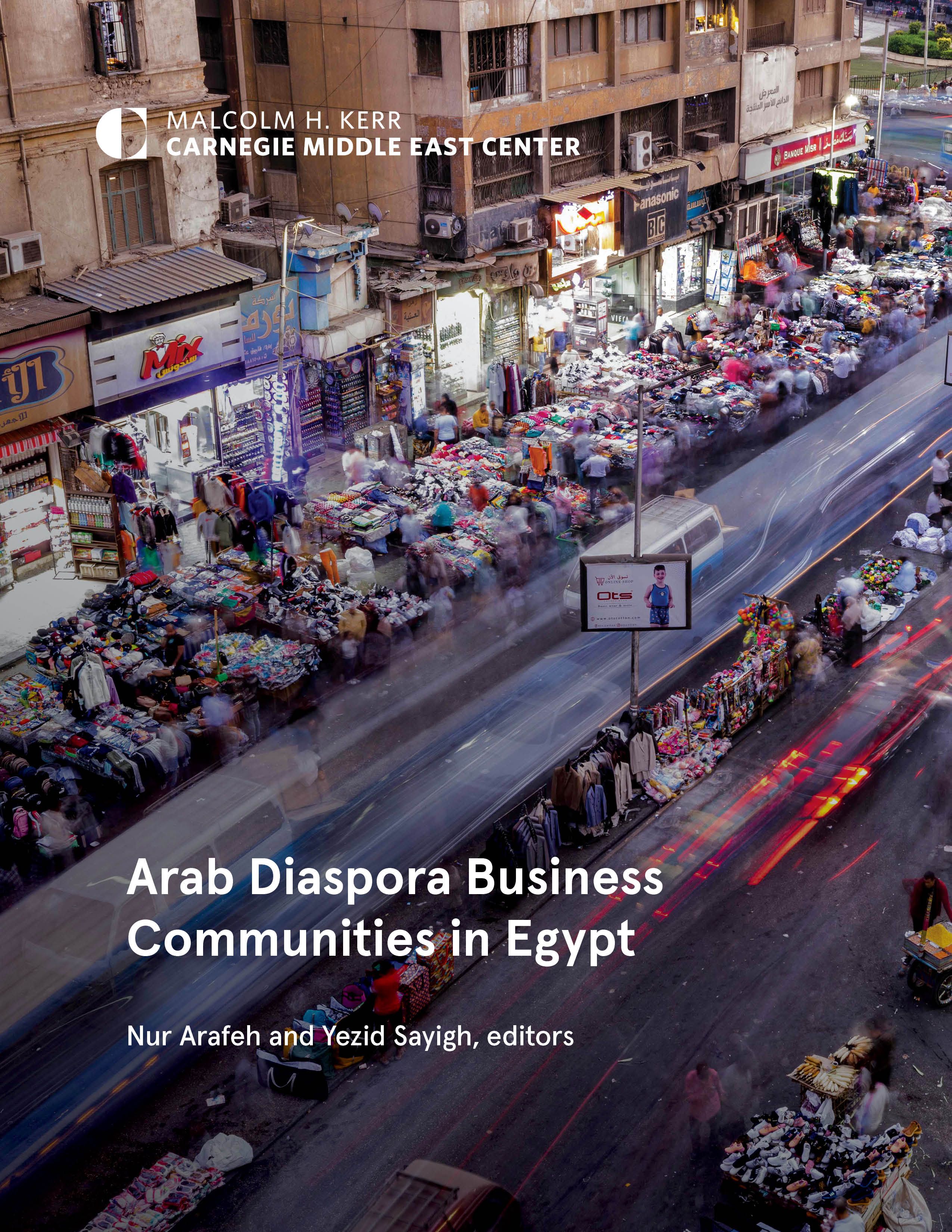
Arab diaspora business communities in Egypt often mirror the same systemic challenges facing Egyptian businesses.
Nur Arafeh, Yezid Sayigh, Qaboul al-Absi, …

Largely characterized thus far by a single-minded focus on extractivism, Riyadh must commit to greater equitability in its approach to investment and development deals with Sudan, Ethiopia, and Eritrea.
Hesham Alghannam