

Paper
James M. Acton, Ankit Panda
{
  "authors": [
    "James M. Acton"
  ],
  "type": "legacyinthemedia",
  "centerAffiliationAll": "dc",
  "centers": [
    "Carnegie Endowment for International Peace"
  ],
  "collections": [],
  "englishNewsletterAll": "ctw",
  "nonEnglishNewsletterAll": "",
  "primaryCenter": "Carnegie Endowment for International Peace",
  "programAffiliation": "NPP",
  "programs": [
    "Nuclear Policy"
  ],
  "projects": [],
  "regions": [
    "East Asia",
    "Japan"
  ],
  "topics": [
    "Nuclear Policy",
    "Nuclear Energy"
  ]
}
Source: Getty
Japan has evacuated its citizens from the area within nineteen miles of the damaged Fukushima nuclear reactors, but there are concerns that the country might not be able to feed or shelter more evacuees if the region in danger grows.
Source: CBS
While the Japanese government has called for its citizens to evacuate the area within twelve miles of the damaged Fukushima nuclear reactors, the United States is evacuating U.S. citizens if they are within 50 miles of the plants. Carnegie’s James Acton explained to Erica Hill of CBS’ Early Show that there is a good reason for this discrepancy. Japan has already evacuated more than half a million people. If they were to extend the evacuation, they risk being unable to feed or shelter evacuees, who would then be in graver danger than if they remained at home. Acton added that houses actually provide better radiation protection than would ordinarily be assumed.
Turning to the damaged reactors themselves, Acton said that conflicting perspectives and widespread uncertainty surround the spent fuel pools. A Department of Energy report and a study from the National Academy of the Sciences offer contradictory opinions on whether exposed spent fuel rods could catch fire – a matter of great concern at Fukushima, as water is depleted in multiple spent fuel pools.

Jessica T. Mathews Chair, Co-director, Nuclear Policy Program
Acton holds the Jessica T. Mathews Chair and is co-director of the Nuclear Policy Program at the Carnegie Endowment for International Peace.
Recent Work

James M. Acton, Ankit Panda
James M. Acton
Carnegie does not take institutional positions on public policy issues; the views represented herein are those of the author(s) and do not necessarily reflect the views of Carnegie, its staff, or its trustees.

In an interview, Marc Lynch discusses his new book decrying the post-1990 U.S.-dominated order in the Middle East.

Michael Young
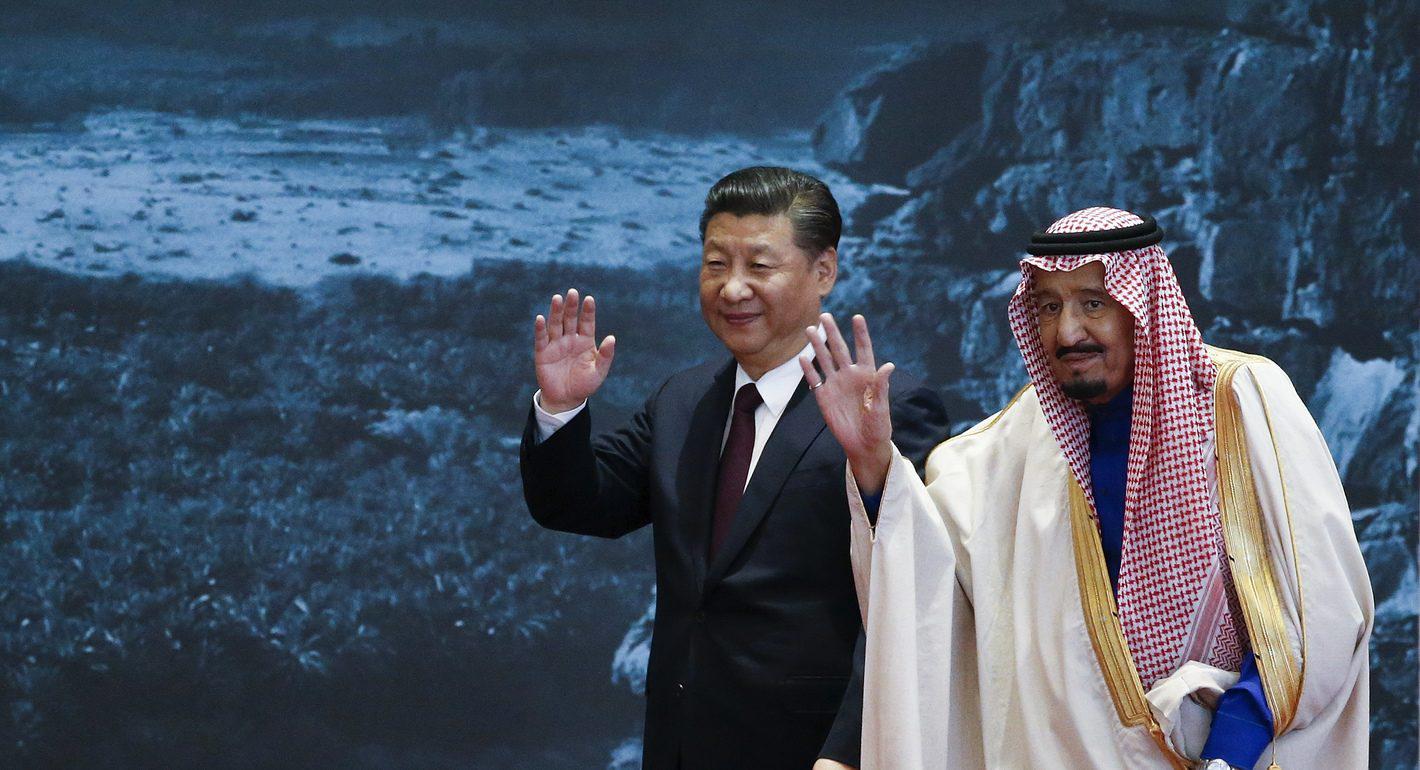
The advantage that China has over other global powers, especially America, is that its foreign policy is closely aligned with those of many of the Middle Eastern countries.


Jin Liangxiang, Maha Yahya, Hesham Alghannam
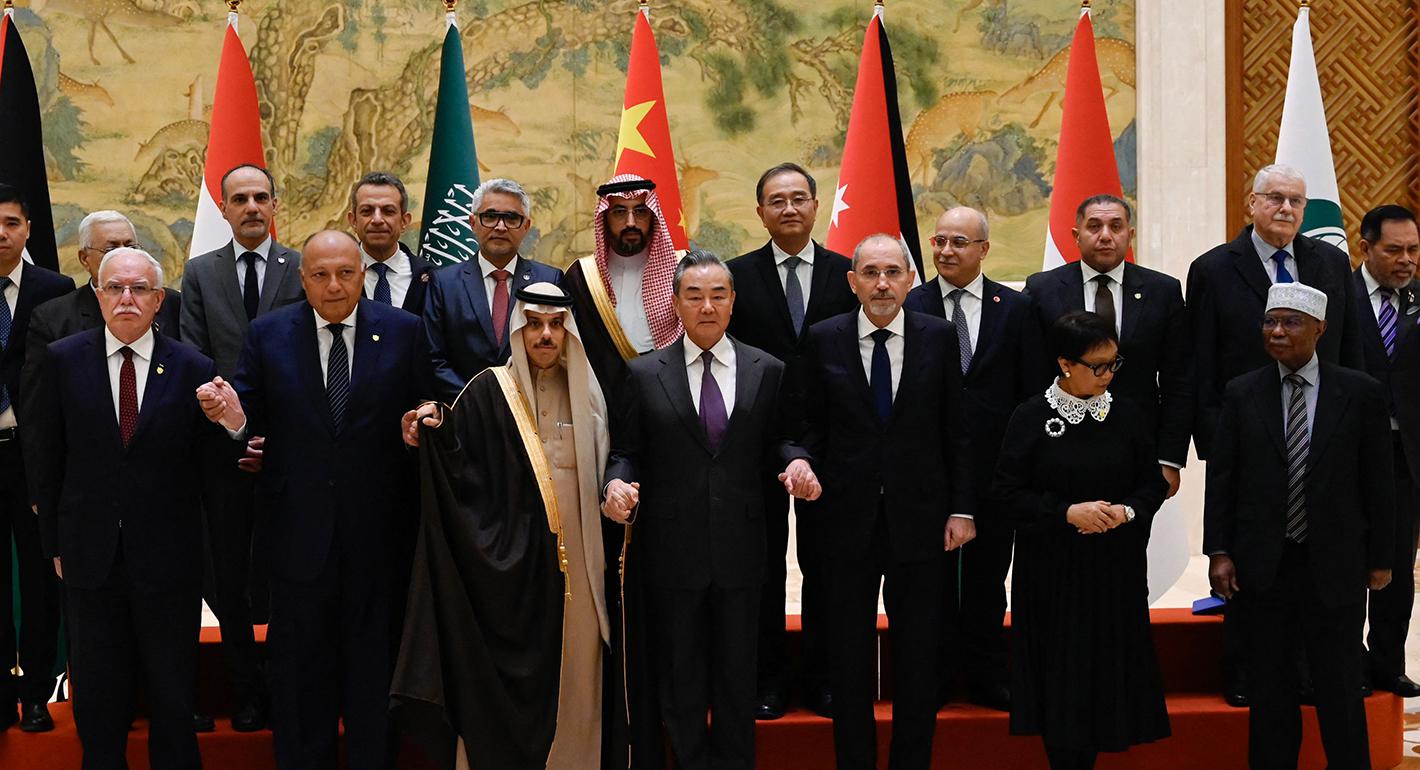
To create an environment more conducive to cooperation and development, U.S. and Chinese efforts should seek the endorsement of neighboring countries and regional organizations. Otherwise, regional and geopolitical rivalries will remain barriers.
Abdullah Baabood
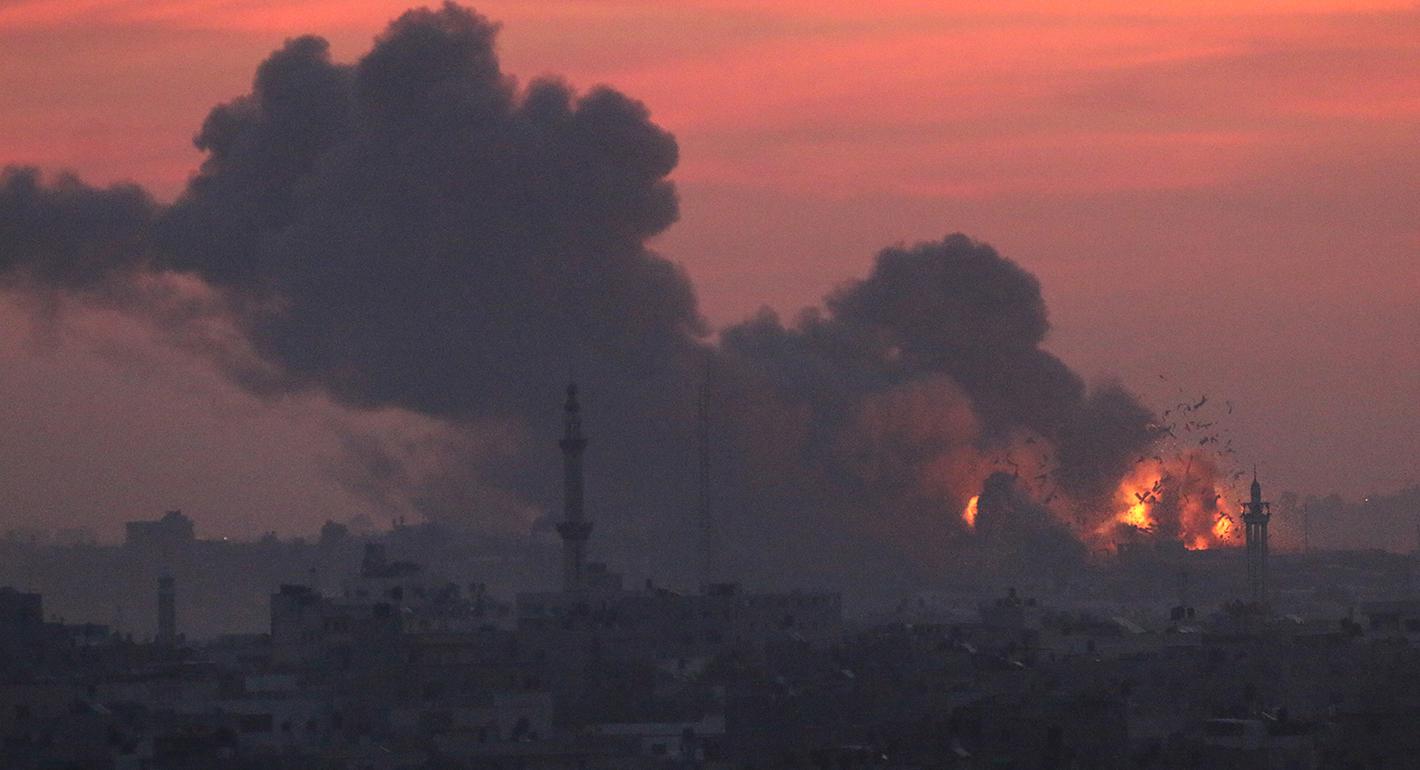
Scholars from Carnegie’s global network comment on how the ongoing conflict between Israelis and Palestinians is affecting their areas of interest, and what the implications of this may be.


Maha Yahya, Rosa Balfour, Judy Dempsey, …
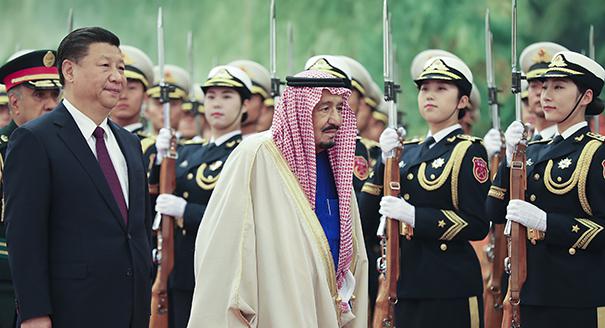
In an interview, Abdullah Baabood discusses Beijing’s evolving role in the Gulf region, where its priority is stability.
Michael Young