

Paper
James M. Acton, Ankit Panda
{
  "authors": [
    "James M. Acton"
  ],
  "type": "legacyinthemedia",
  "centerAffiliationAll": "dc",
  "centers": [
    "Carnegie Endowment for International Peace"
  ],
  "collections": [],
  "englishNewsletterAll": "ctw",
  "nonEnglishNewsletterAll": "",
  "primaryCenter": "Carnegie Endowment for International Peace",
  "programAffiliation": "NPP",
  "programs": [
    "Nuclear Policy"
  ],
  "projects": [],
  "regions": [
    "East Asia",
    "Japan"
  ],
  "topics": [
    "Nuclear Policy",
    "Nuclear Energy"
  ]
}
Source: Getty
In Japan’s damaged Fukushima nuclear plant, six spent fuel pools and three reactor cores have the potential to release significant radiation into the atmosphere.
Source: CBS
KATIE COURIC, CBS ANCHOR: James Acton in Washington is a nuclear safety expert with the Carnegie Endowment. James, what is the biggest cause for concern at this point?
JAMES ACTON, CARNEGIE ENDOWMENT: Well, Katie right now the biggest cause for concern is probably the highly radioactive used nuclear fuel, because that material is sitting outside of the heavily reinforced containment building. And all that`s standing between it and the outside world is a big pool of water, and a weak outer containment shell.
COURIC: The head of the Nuclear Regulatory Commission said today that it believes that around the reactor site, there are high levels of radiation, potentially lethal doses that may prevent emergency workers from getting near the reactors. What is your reaction to that?
ACTON: It is clearly deeply concerning. But we’ve seen in the limited history of nuclear disasters some extraordinary acts of heroism, and I’m thinking here in particular of the Soviet workers during the Chernobyl accident who after that massive explosion that blew a hole in the roof, went up on the roof and literally with shovels, put used nuclear fuel back down into the reactor core. And I have no doubt whatsoever that if the need calls -- and we very much hope it doesn`t -- but if the need calls for those Japanese workers they`re going to show every bit the same level of bravery.
COURIC: If the situation doesn`t improve, James, what is the worst- case scenario here?
ACTON: You know, we now have nine different areas of concern. We have six spent fuel pools, and we have three reactor cores. And all of those have the potential to lead to significant releases of radiation into the environment. I think the worst case here, which is very serious, is long-term, it would be an increase in the rate of cancer as a result of radiation. But I think, again, it`s worth emphasizing -- we`re unlikely to see a catastrophic release of radiation on the scale of Chernobyl, and the number of deaths that result from this reactor incident is likely to be far below the number killed in the tsunami.
COURIC: James Acton.

Jessica T. Mathews Chair, Co-director, Nuclear Policy Program
Acton holds the Jessica T. Mathews Chair and is co-director of the Nuclear Policy Program at the Carnegie Endowment for International Peace.
Recent Work
James M. Acton, Ankit Panda
James M. Acton
Carnegie does not take institutional positions on public policy issues; the views represented herein are those of the author(s) and do not necessarily reflect the views of Carnegie, its staff, or its trustees.
In an interview, Marc Lynch discusses his new book decrying the post-1990 U.S.-dominated order in the Middle East.

Michael Young
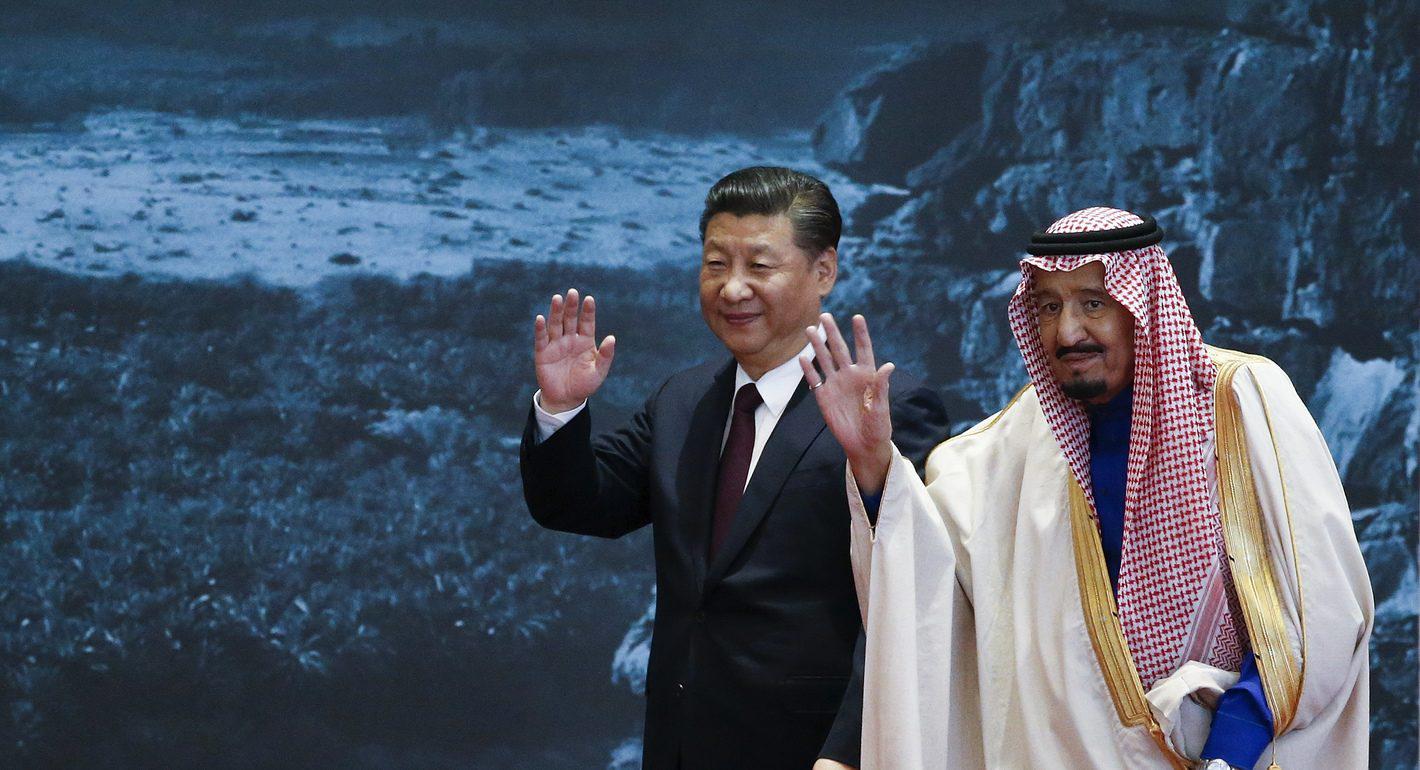
The advantage that China has over other global powers, especially America, is that its foreign policy is closely aligned with those of many of the Middle Eastern countries.

Jin Liangxiang, Maha Yahya, Hesham Alghannam
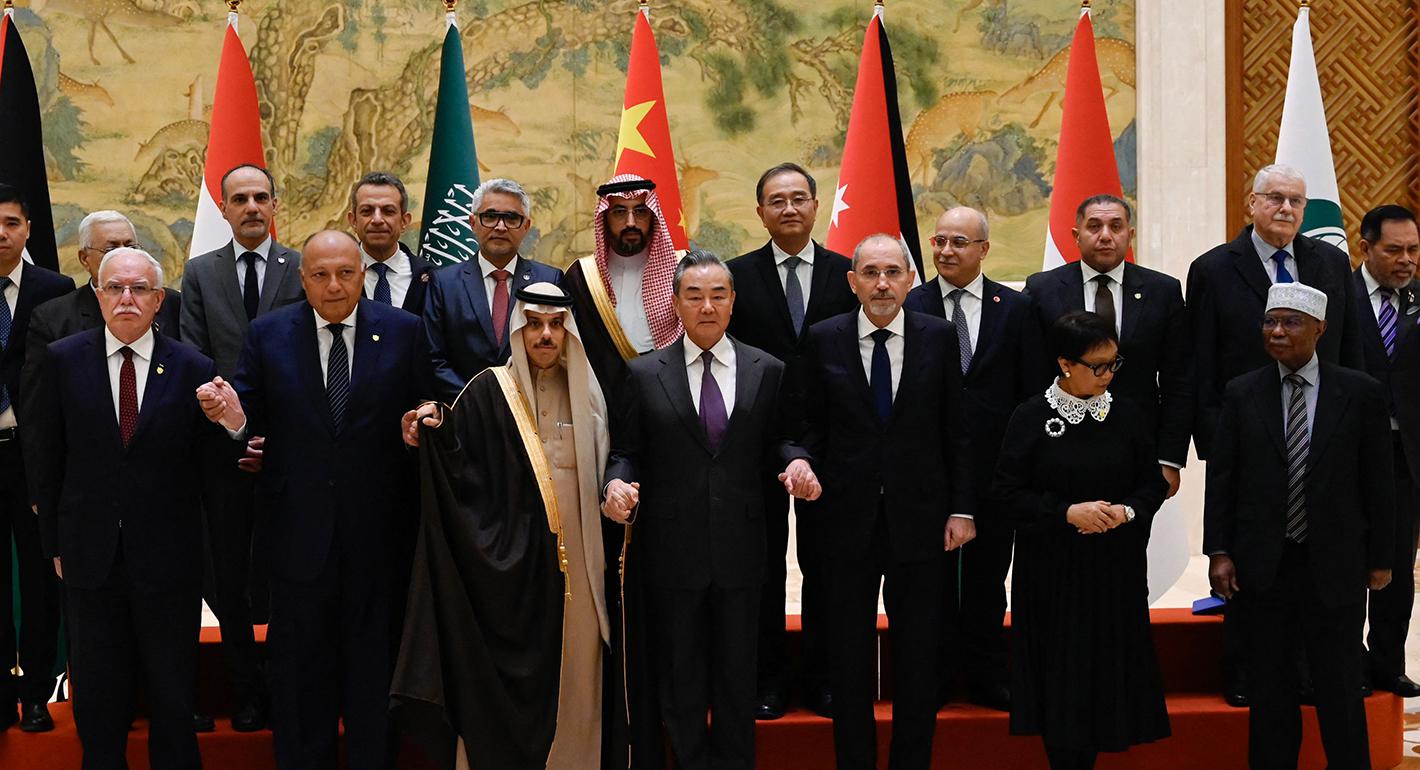
To create an environment more conducive to cooperation and development, U.S. and Chinese efforts should seek the endorsement of neighboring countries and regional organizations. Otherwise, regional and geopolitical rivalries will remain barriers.
Abdullah Baabood
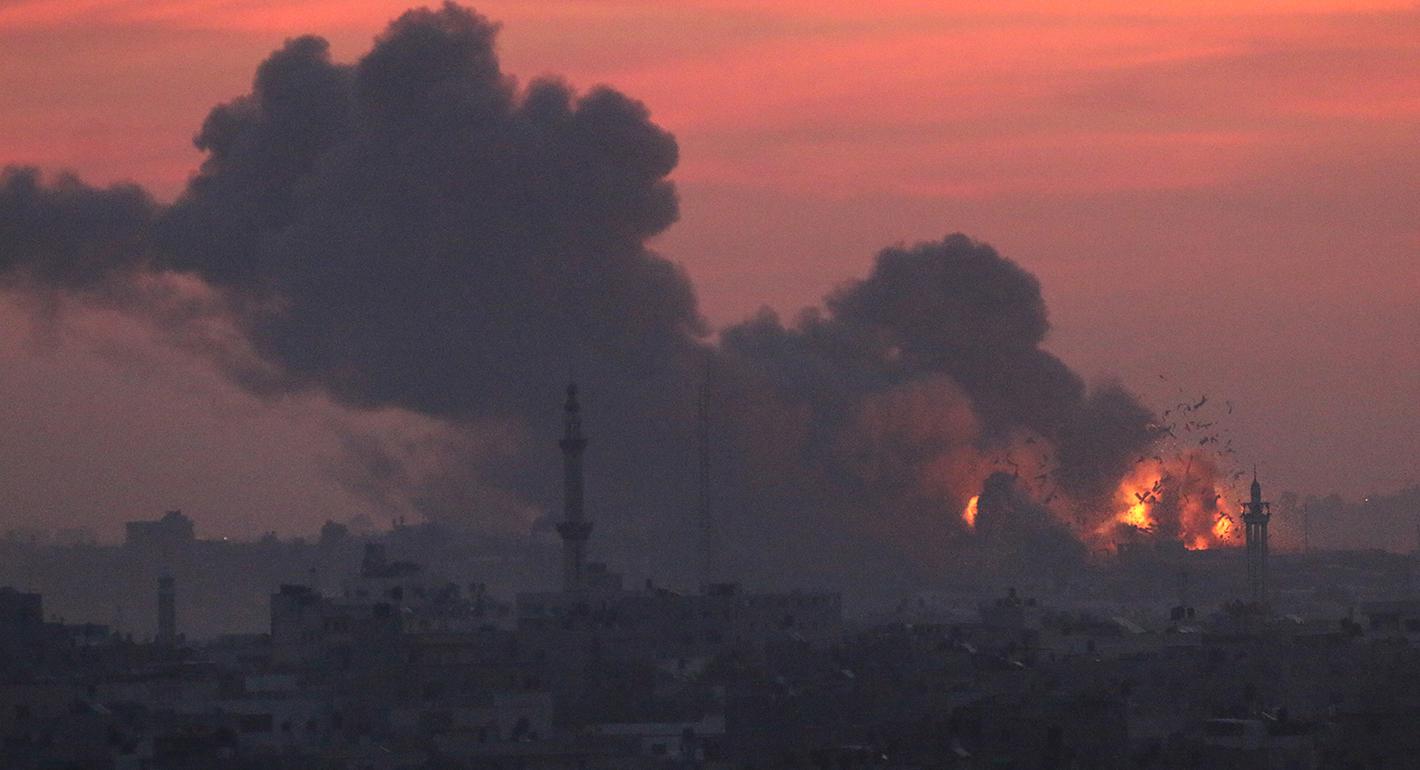
Scholars from Carnegie’s global network comment on how the ongoing conflict between Israelis and Palestinians is affecting their areas of interest, and what the implications of this may be.


Maha Yahya, Rosa Balfour, Judy Dempsey, …
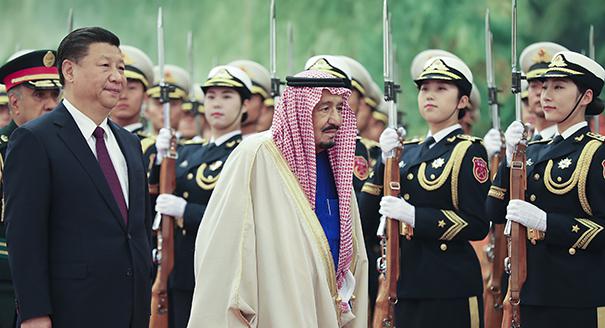
In an interview, Abdullah Baabood discusses Beijing’s evolving role in the Gulf region, where its priority is stability.
Michael Young