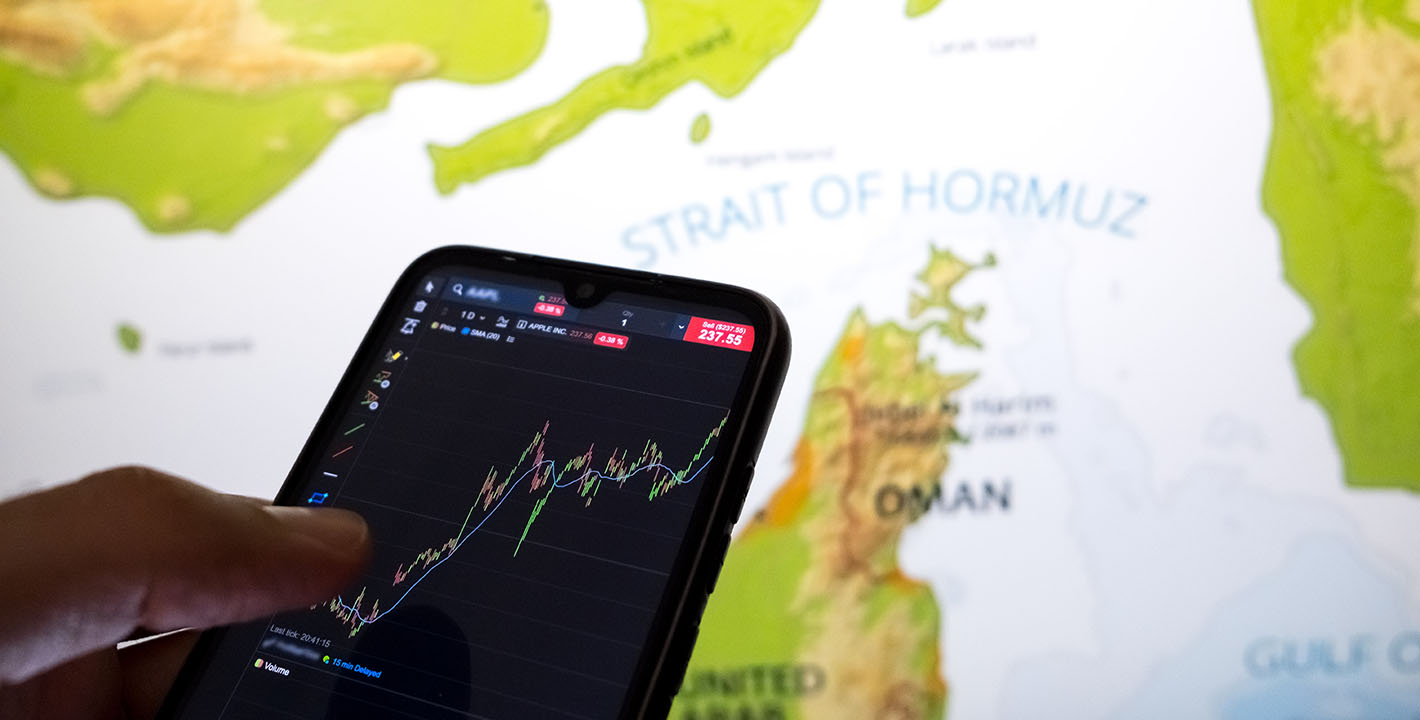
Yemen's failing economy and diminishing oil supply, combined with rising popular protests against the president, have placed the country in a tenuous position.
KAI RYSSDAL: In Yemen today, the parliament passed an emergency law, suspending the constitution, censoring the media even more, banning street protests and granting President Ali Abdullah Saleh a broad set of powers. Saleh's opponents are still demanding that he step down immediately.
We've called Christopher Boucek at the Carnegie Endowment for International Peace to get a little perspective. Good to talk to you.
CHRISTOPHER BOUCEK: Great to be here.
RYSSDAL: I wonder if you could give us the economic backdrop of some of these protests that are happening in Yemen. Does that country have the same economic problems that a lot of the region does -- young population, rising unemployment, low wages, all of that?
BOUCEK: Absolutely. The biggest problem in Yemen is the fact that it's a failing economy. You have unemployment that's officially about 35 percent, which would put it on par with the Great Depression in this country. Unofficially, it's probably closer to 50 percent unemployment. On top of that, you have chronic corruption, low wages. There are more people graduating, potentially entering the labor force, than there are jobs for them.
RYSSDAL: Well if it's failing, that implies that it hasn't really failed yet, the economy. What does it run on? What's driving the economy, if anything?
BOUCEK: So Yemen earns about 80 percent of its income from the sale of hydrocarbons, specifically oil. And oil's rapidly running out. So in 2003, the country's producing about 300,000 to 400,000 barrels per day. Today, probably 180,000 barrels per day. And in about 10 years, there will be no more oil. And there is no planning for what will replace that income stream.
RYSSDAL: So if the government's not planning for the post-oil economy, what is the government of Yemen absorbed by, then?
BOUCEK: The government is absorbed in number one, staying in power, and number two, dealing with two of the three insurgencies going on in the country. The civil war in the north against the Houthi-Zaidi rebels and the southern secessions movement.
RYSSDAL: So the U.S. interest there is what the Yemeni government can do for the United States in terms of counter-terrorism. What you're saying is that the Yemeni government is not at all aligned with what the American government's interested in, right? They're just trying to save their own skin.
BOUCEK: Right now, absolutely. I mean, terrorism and Al Qaeda are Washington's biggest concerns. They're not Yemen's biggest problems, and they are not even Yemen's priorities right now. They're not dealing the economy, they're not dealing with corruption with governance. We are concerned with terrorism, and we want the Yemeni government to deal with terrorism, but they're not.
RYSSDAL: Let me riff off that statement you made about not planning for a post-oil economy: here is Defense Secretary Gates today, talking about Yemen. He said, 'clearly there's a lot of unhappiness inside Yemen, but Washington,' he says, "We haven't done any post-Saleh planning," talking about the president there. So they're not even thinking about what comes next. Do you buy that?
BOUCEK: Oh absolutely. I think no one knows what will come after President Saleh. For 32 years, he's been in charge, and there is no one or no organization to fill his spot. President Saleh has made himself the one indispensable political actor in Yemen.
RYSSDAL: But there have been senior members in the military who have gone over to the opposition side. Could they step in as they did in Egypt?
BOUCEK: On Monday, there was a lot of reporting about senior military officials, especially General Ali Mohsen siding with protestors. And oftentimes, this was turned in the press as a defection. And I think it's important to note that he did not resign from the military; seems more what he did is try to position himself before a post-Saleh Yemen, to be part of the body that comes together to choose the next leader.
RYSSDAL: So which way does this go, then? Does this go the Libya way, with the government trying to keep itself in power by force, or does it go the Egypt way?
BOUCEK: I think the scenario we'll see is there will be some sort of the negotiated settlement amongst the power elite in Yemen to figure out some sort of a process by where President Saleh resigns and there's a transition to something else. We don't know what that process will be, or what will come after. And there is always a potential for things to go very, very wrong in Yemen. In a country with as many guns and grievances as there are, there's always a possibility for violence to kick off. And this is one of the things we need to be very much concerned about.
RYSSDAL: Christopher Boucek, he's in the Middle East program at the Carnegie Endowment for International Peace. Christopher, thanks a lot.
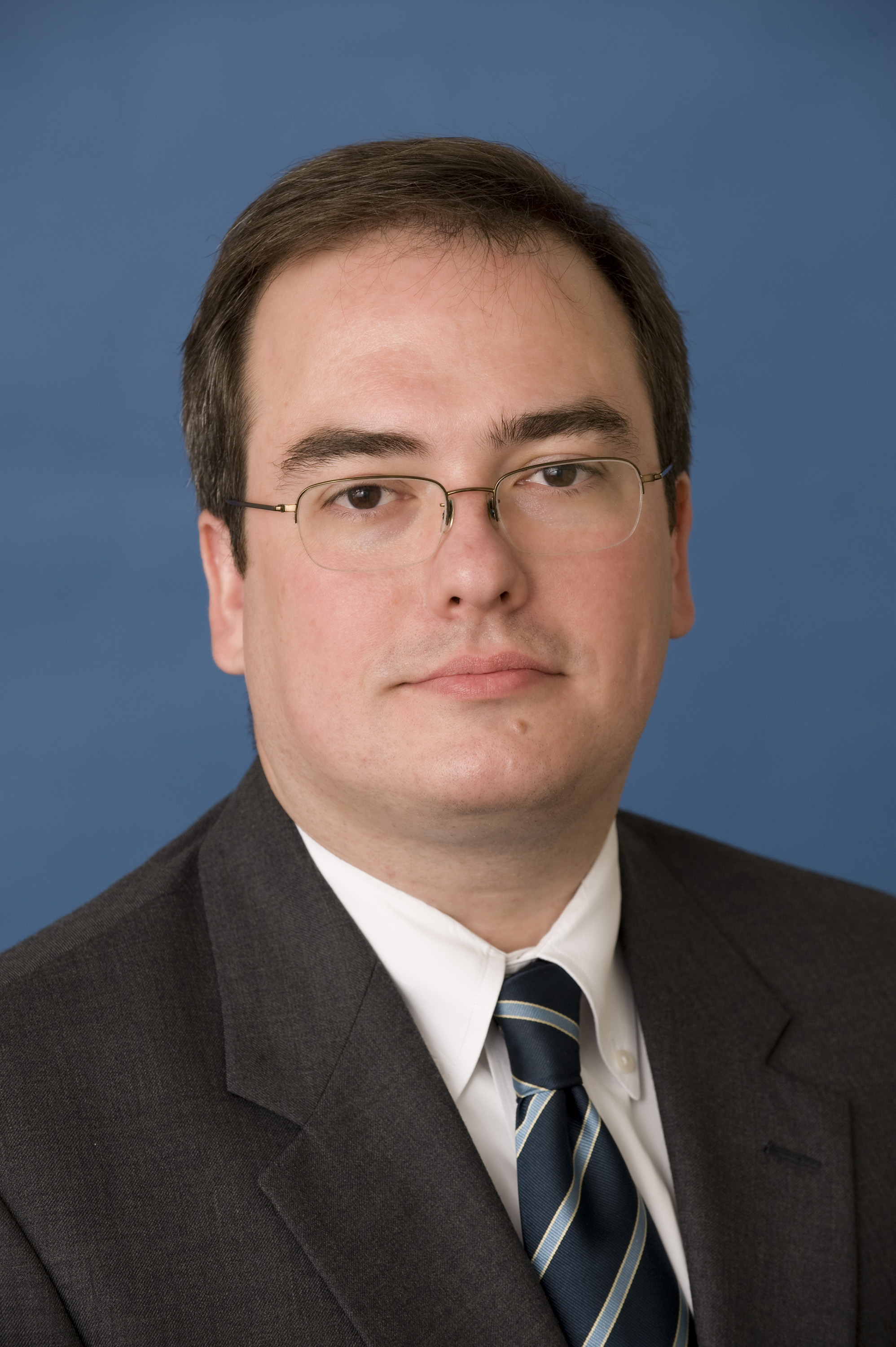
Boucek was an associate in the Carnegie Middle East Program where his research focused on security challenges in the Arabian Peninsula and Northern Africa.
Carnegie does not take institutional positions on public policy issues; the views represented herein are those of the author(s) and do not necessarily reflect the views of Carnegie, its staff, or its trustees.
More Work from Malcolm H. Kerr Carnegie Middle East Center