

Paper
James M. Acton, Ankit Panda
{
  "authors": [
    "James M. Acton"
  ],
  "type": "legacyinthemedia",
  "centerAffiliationAll": "dc",
  "centers": [
    "Carnegie Endowment for International Peace"
  ],
  "collections": [],
  "englishNewsletterAll": "ctw",
  "nonEnglishNewsletterAll": "",
  "primaryCenter": "Carnegie Endowment for International Peace",
  "programAffiliation": "NPP",
  "programs": [
    "Nuclear Policy"
  ],
  "projects": [],
  "regions": [
    "East Asia",
    "Japan"
  ],
  "topics": [
    "Nuclear Policy",
    "Nuclear Energy"
  ]
}
Source: Getty
As radiation levels fluctuate at the Daiichi reactors in Fukushima, there is increasing concern about the amount of radiation workers at the plant are being exposed to and how much radiation is leaking into the surrounding area.
Source: MSNBC
CHRIS MATTHEWS, MSNBC: Let's turn now to James Acton, by the way, who`s an associate with the nuclear policy program at the Carnegie Endowment for International Peace. I think you`re up near my house, that building of yours. Anyway, let`s talk about this thing. These reactors -- run through the dangers to people that are going on right now. When we cover this as news, were in terra incognita right now. Tell me what to worry about here now in terms of the people.
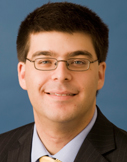
JAMES ACTON, CARNEGIE ENDOWMENT FOR INTERNATIONAL PEACE: Well, Chris, I think you have to distinguish between two very different dangers. The first danger is to the brave workers who are currently on site, who are working in an increasingly hostile, irradiated environment. Radiation levels are fluctuating wildly on site.
The second danger is to the wider community living around the reactor area, and here the news is marginally better because right now, the levels of radiation that have been released into the environment, though unacceptably high, are unlikely to pose a risk to the health of people outside the evacuation zone.
MATTHEWS: So go through what you`ve heard about these various reactors. There`s up to six of them. Tell me which one troubles you most in that order. Let`s do triage right now. What worries you most about what you hear of these reactors?
ACTON: Well, Chris, the first thing I should point out is that there is deep uncertainty at the moment about all of this. For various reasons, the plant operators even acknowledge they don`t know exactly what`s going on.
I think the top concern at the moment is the spent fuel pond in reactor number 4. It`s lost the water, and that means it`s lost the ability to cool and the ability to protect.
Reactors 2 and 3, the cores in those two reactors are both in serious states. There`s definitely been partial melting and there`s significant trouble in trying to cool them. Reactor 1 is still on the critical list. There was some indication it`s getting better today.
And then, finally, the spent fuel ponds in 5 and 6. We don`t know much about them yet. They are hot, but they don`t seem be as badly damaged as 4.
MATTHEWS: If you were director of public safety in Japan right now, give me your order of what you would be doing right now in terms of concern. You talked about the immediate sites. Do you think they`re being kept away far enough from that? The people say -- the word from the government in Japan, in Tokyo, is now 19 miles. Is that enough to keep people away from there? It seems like a very arbitrary number.
ACTON: You know, Chris, I don`t have the information to judge that independently. But let me make the following point. Five hundred thousand people in Japan have already had to be evacuated because of the earthquake and because of the tsunami. This was the biggest natural disaster in Japan`s history anyway.
And there`s all these people without shelter, without food and without water. So it`s extremely difficult to evacuate people if you don`t have anywhere to evacuate them to.
In many ways, the best option is, I suspect, to ask as many people to stay where they are, not to go outside. There`s no good option here, and the Japanese authorities are having to make it up as they go along, having been hit by this triple whammy.
MATTHEWS: If you don`t go outside -- sticking to the nuclear threat -- you know, I'm thinking of "On the Beach." I'm thinking of all the science fiction we've had to deal with. Luckily, it`s been fiction until now -- about nuclear danger to people. If it doesn`t get on you -- I mean, can you stay indoors and keep the particulates from getting on you?
ACTON: That`s exactly the idea. Avoiding inhaling the particulates, avoiding getting the particulates on the skin doesn`t avoid -- doesn`t avoid you getting irradiated by penetrating radiation, but it does take away some of the worst impacts.
MATTHEWS: Let`s talk about -- I don`t want to start a fear factor here. I don`t think there is yet in our country. We`re pretty quiet about in this country. We`re all watching this horror. We don`t feel like we`re engaged in it. Something can travel on airplanes. There`s still a lot of traffic out of Japan, air traffic. Can products, clothing, whatever that`s moving in the regular line of merchandising and commerce -- can that get to America and cause any danger here?
ACTON: It`s something to watch out for, and there are perhaps sensible precautions that could be taken. But again, I think the thing to emphasize here is that away from the plant in Japan, radiation levels are still relatively low. Ten times above background sounds terrifying, but in absolute terms, it`s no more extra radiation than about one-and-a-half CT scans.
MATTHEWS: OK. You’re a great guest. Thank you, James Acton.
ACTON: Thank you.
MATTHEWS: Thanks for coming on in this very strange time and dangerous time.

Jessica T. Mathews Chair, Co-director, Nuclear Policy Program
Acton holds the Jessica T. Mathews Chair and is co-director of the Nuclear Policy Program at the Carnegie Endowment for International Peace.
Recent Work

James M. Acton, Ankit Panda
James M. Acton
Carnegie does not take institutional positions on public policy issues; the views represented herein are those of the author(s) and do not necessarily reflect the views of Carnegie, its staff, or its trustees.
In an interview, Marc Lynch discusses his new book decrying the post-1990 U.S.-dominated order in the Middle East.

Michael Young
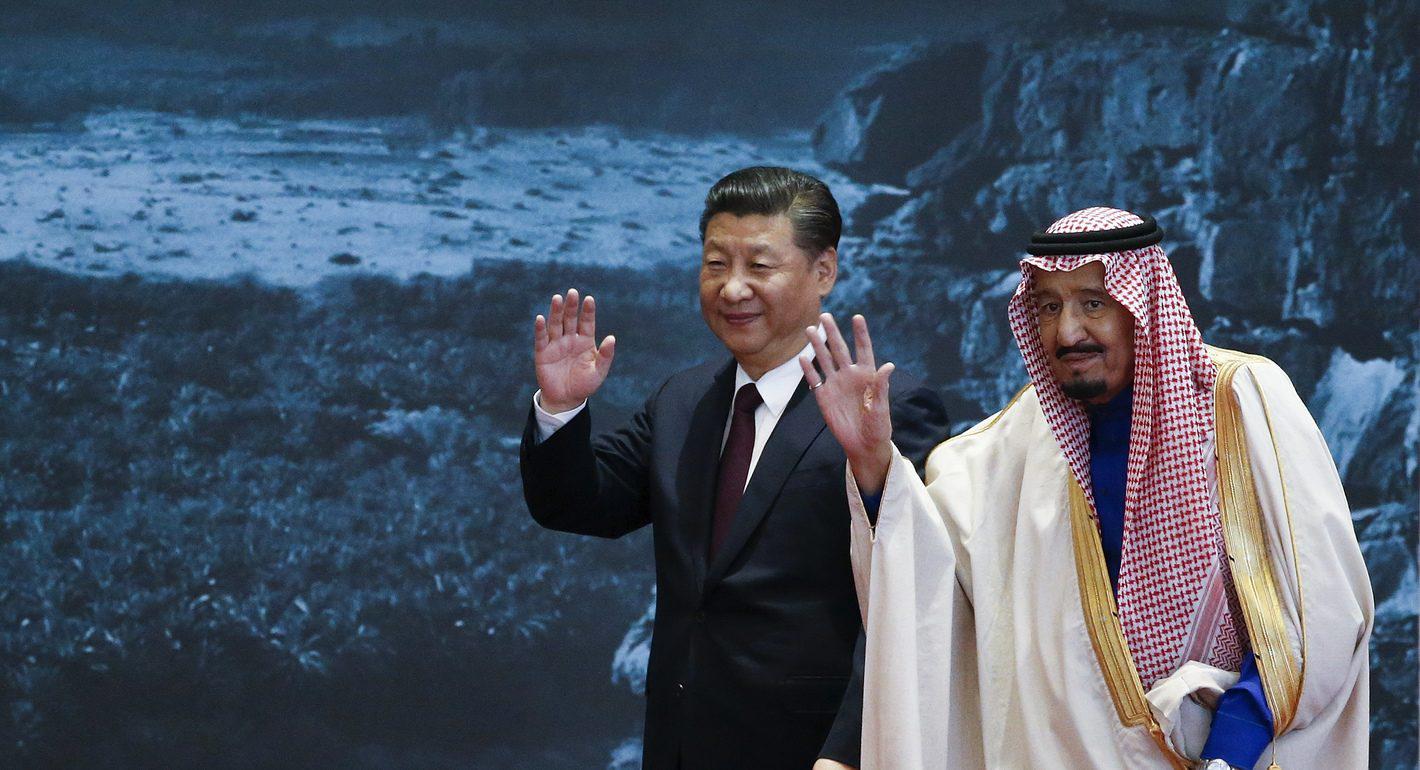
The advantage that China has over other global powers, especially America, is that its foreign policy is closely aligned with those of many of the Middle Eastern countries.


Jin Liangxiang, Maha Yahya, Hesham Alghannam
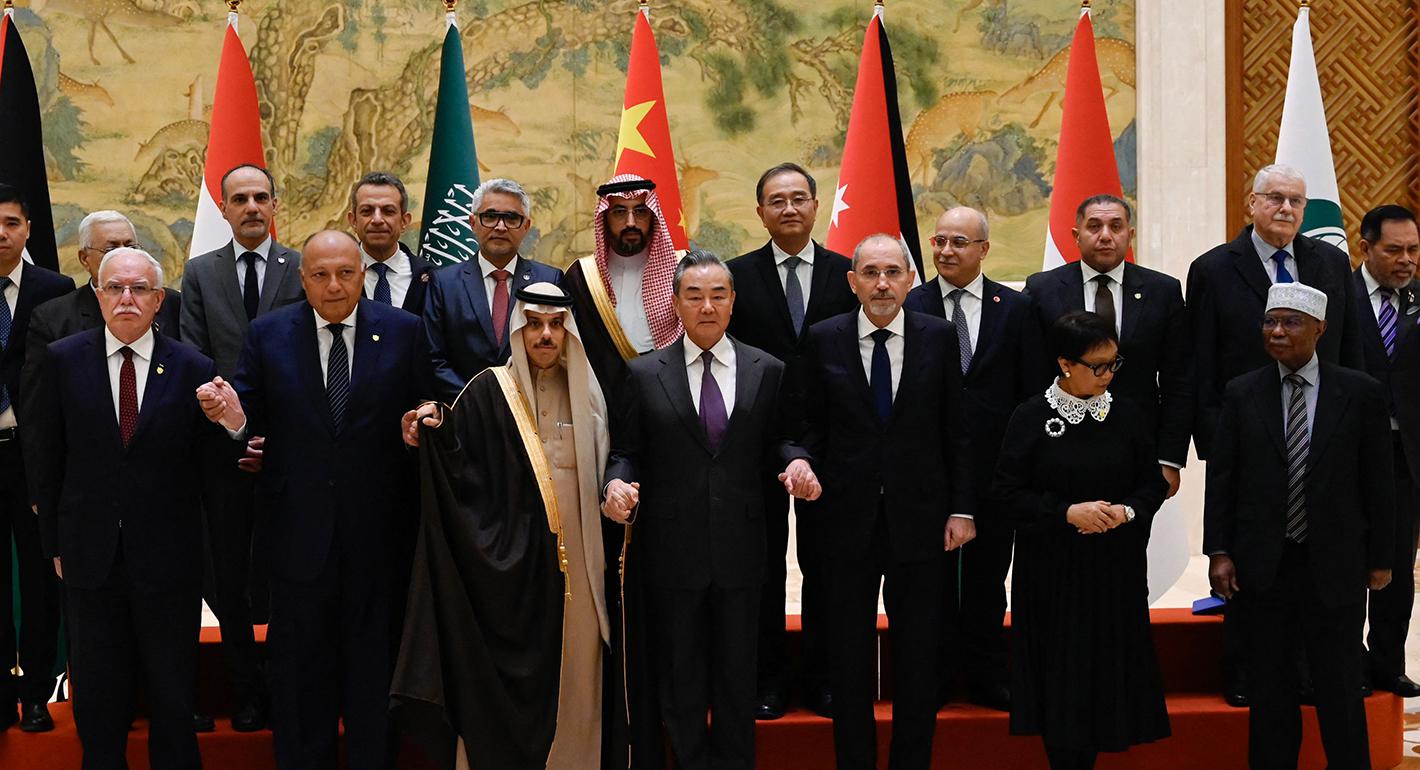
To create an environment more conducive to cooperation and development, U.S. and Chinese efforts should seek the endorsement of neighboring countries and regional organizations. Otherwise, regional and geopolitical rivalries will remain barriers.
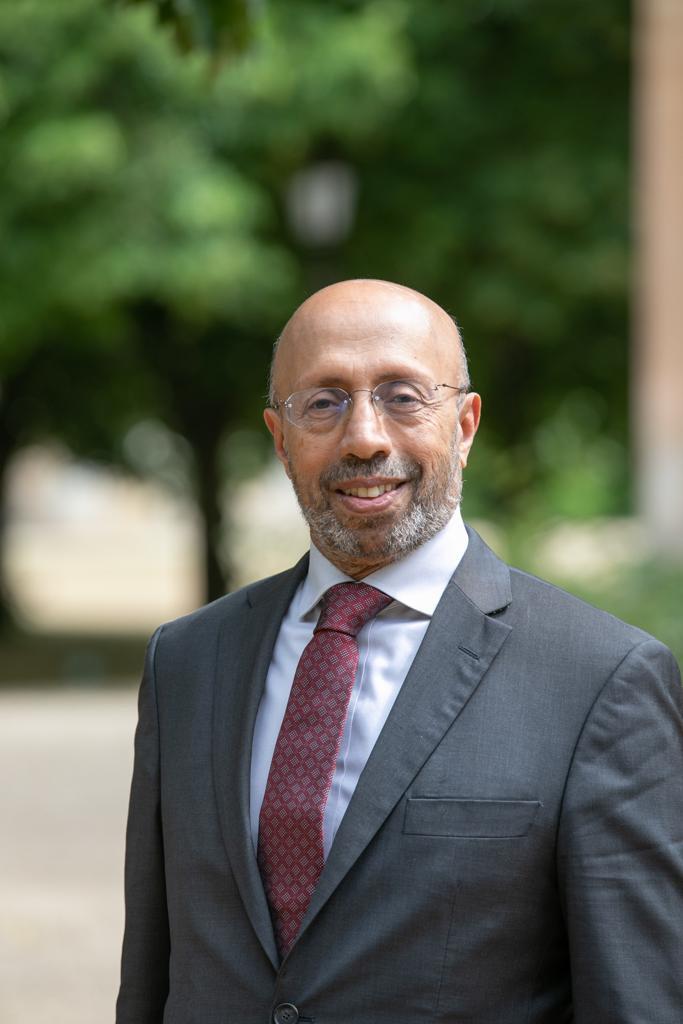
Abdullah Baabood
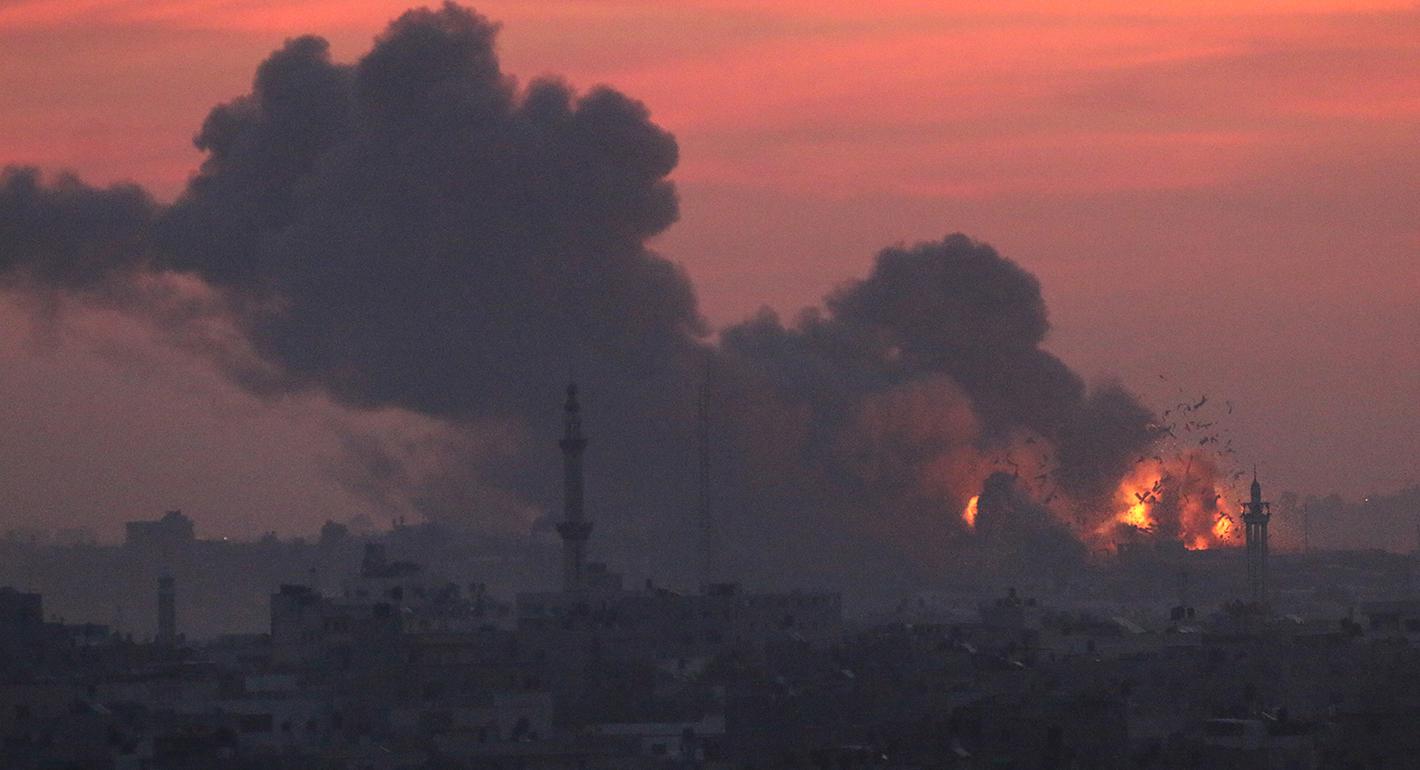
Scholars from Carnegie’s global network comment on how the ongoing conflict between Israelis and Palestinians is affecting their areas of interest, and what the implications of this may be.


Maha Yahya, Rosa Balfour, Judy Dempsey, …
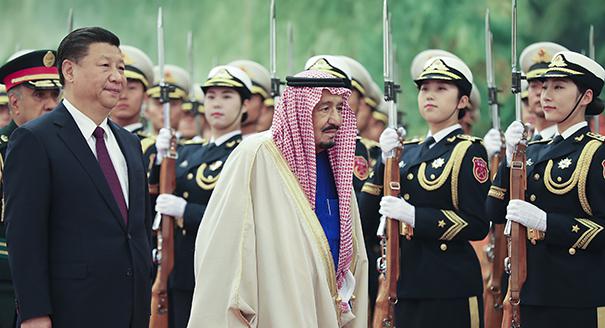
In an interview, Abdullah Baabood discusses Beijing’s evolving role in the Gulf region, where its priority is stability.
Michael Young