

Other
- +18
James M. Acton, Saskia Brechenmacher, Cecily Brewer, …
{
  "authors": [
    "James M. Acton"
  ],
  "type": "legacyinthemedia",
  "centerAffiliationAll": "dc",
  "centers": [
    "Carnegie Endowment for International Peace"
  ],
  "collections": [],
  "englishNewsletterAll": "ctw",
  "nonEnglishNewsletterAll": "",
  "primaryCenter": "Carnegie Endowment for International Peace",
  "programAffiliation": "NPP",
  "programs": [
    "Nuclear Policy"
  ],
  "projects": [],
  "regions": [
    "East Asia",
    "Japan"
  ],
  "topics": [
    "Nuclear Policy",
    "Nuclear Energy"
  ]
}
Source: Getty
Japanese engineers are attempting to find ways to cool the nuclear reactor core at Japan's Fukushima Daiichi reactors, in order to prevent a nuclear meltdown.
Source: MSNBC
When a nuclear power plant shuts down, it still continues to produce heat. Coolants and back-up power supplies come into play to gradually cool down the reactor core. However, in Japan, the external power supply and the back-up diesel generator have failed, said Carnegie’s James Acton in an interview with MSNBC. Examining the range of possibilities that could ensue at Japan’s Fukushima reactors, Acton explained that as the core is not being properly cooled, steam is building up in the reactor containment vessel. Japanese engineers have vented some of the fuel, after evacuating a two mile radius around the plants.
The crucial question that remains is whether the fuel in the core will melt the surrounding metal. If such a meltdown were to occur, it could proceed in a few hours or over the course of multiple days. Acton emphasized that a meltdown is not necessarily imminent; a wide range of potential outcomes exists, from the release of limited radioactive steam to extensive radiation leakage.

Jessica T. Mathews Chair, Co-director, Nuclear Policy Program
Acton holds the Jessica T. Mathews Chair and is co-director of the Nuclear Policy Program at the Carnegie Endowment for International Peace.
Recent Work


James M. Acton, Saskia Brechenmacher, Cecily Brewer, …
James M. Acton
Carnegie does not take institutional positions on public policy issues; the views represented herein are those of the author(s) and do not necessarily reflect the views of Carnegie, its staff, or its trustees.
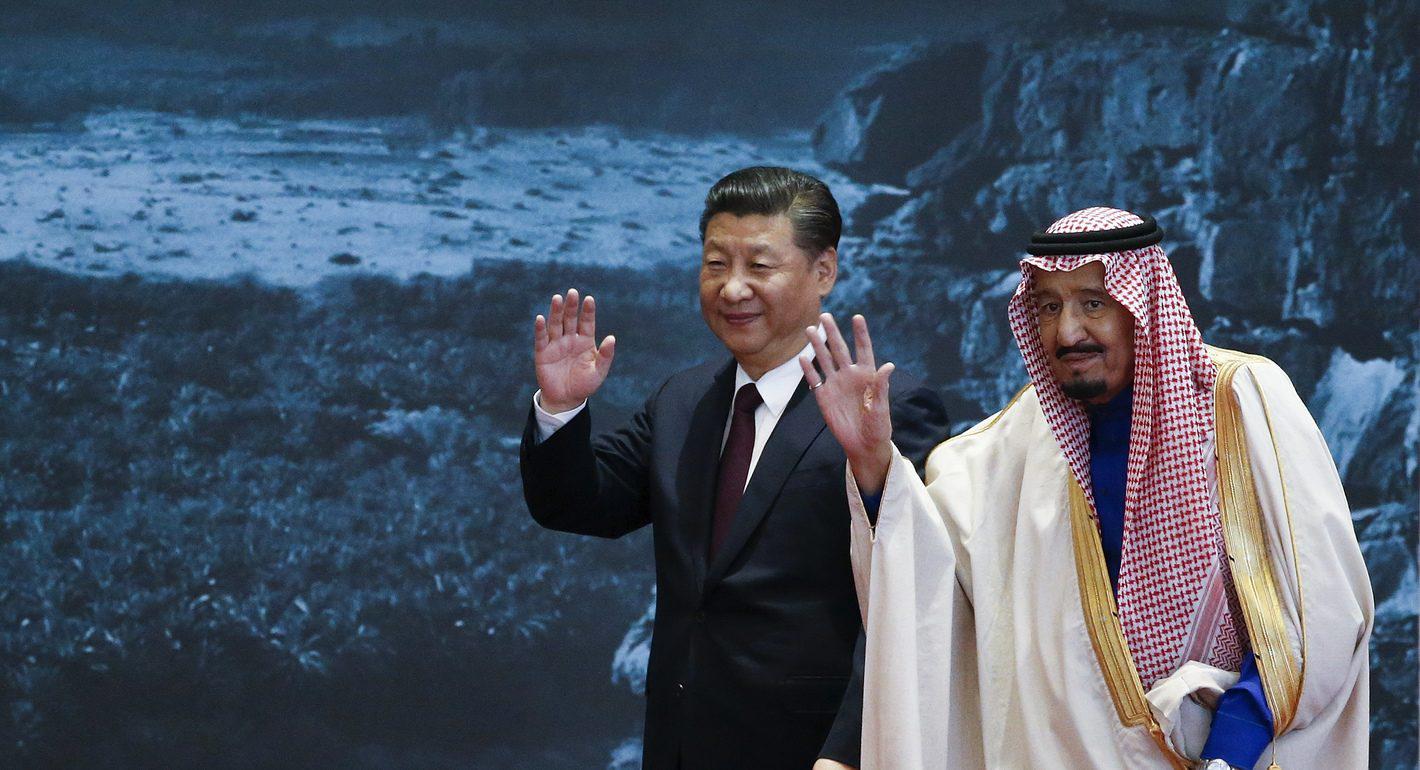
The advantage that China has over other global powers, especially America, is that its foreign policy is closely aligned with those of many of the Middle Eastern countries.
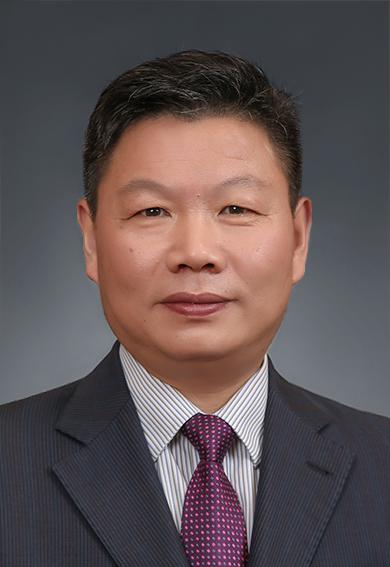


Jin Liangxiang, Maha Yahya, Hesham Alghannam
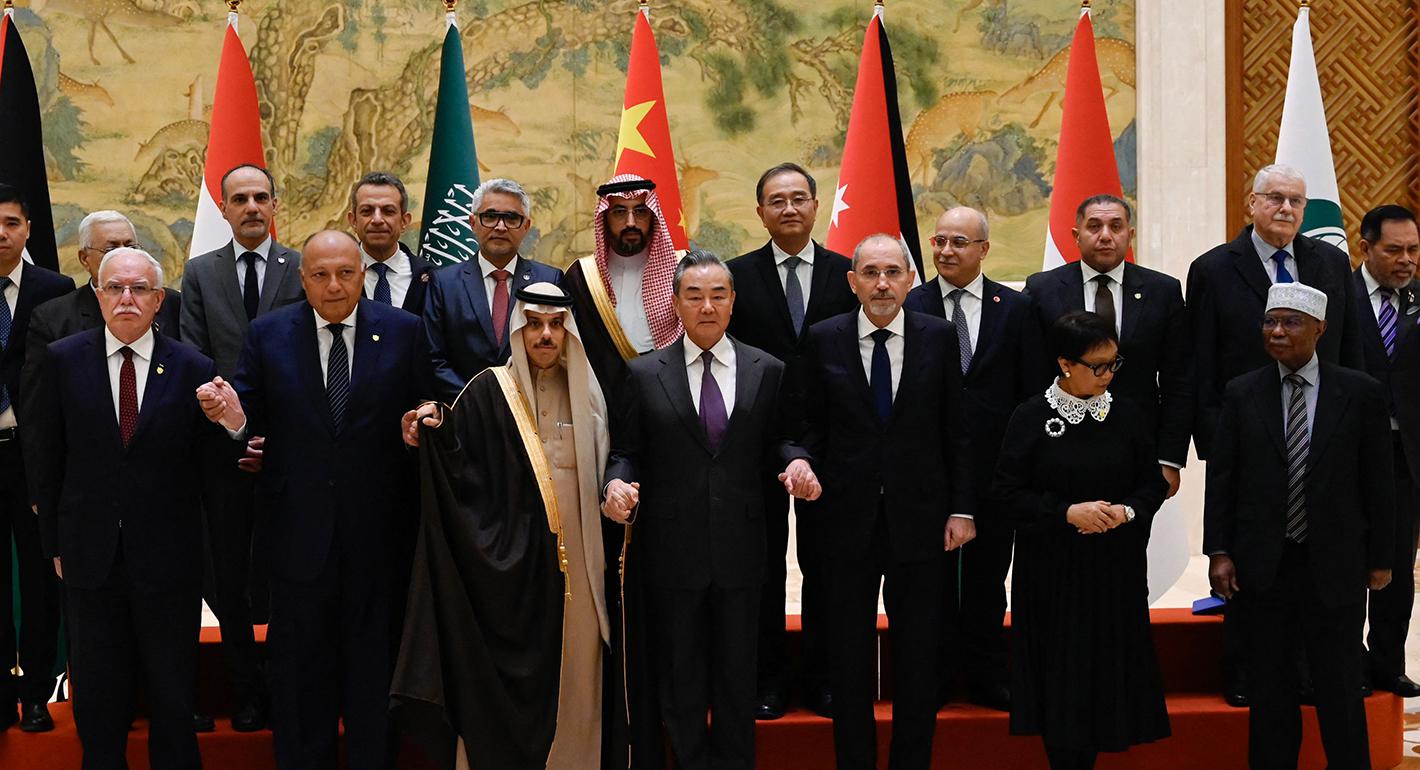
To create an environment more conducive to cooperation and development, U.S. and Chinese efforts should seek the endorsement of neighboring countries and regional organizations. Otherwise, regional and geopolitical rivalries will remain barriers.
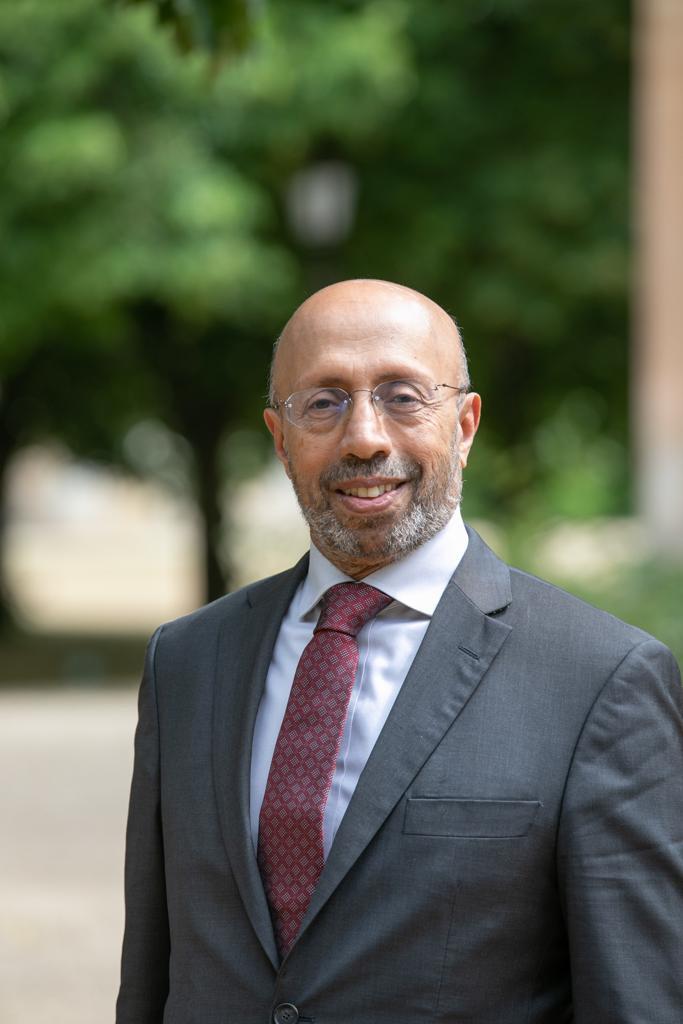
Abdullah Baabood
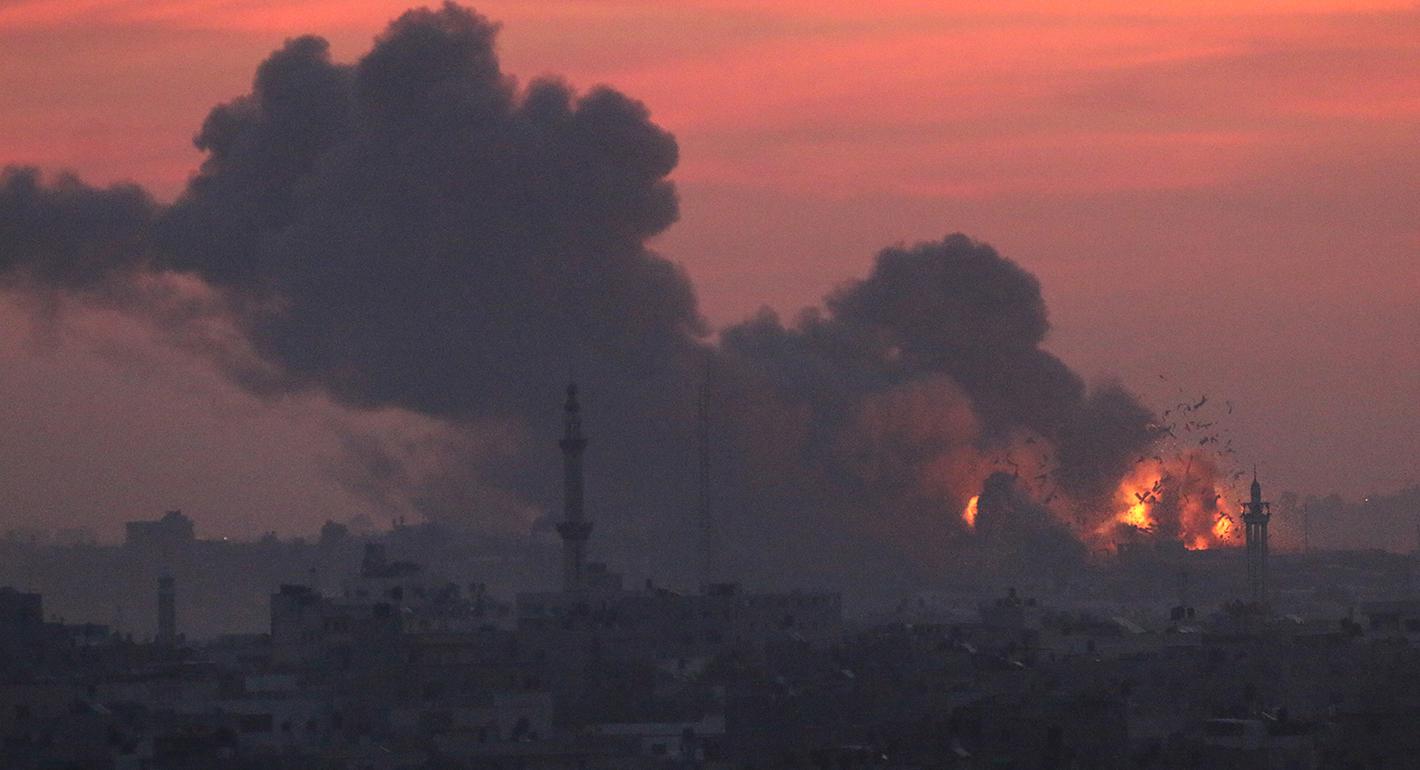
Scholars from Carnegie’s global network comment on how the ongoing conflict between Israelis and Palestinians is affecting their areas of interest, and what the implications of this may be.


Maha Yahya, Rosa Balfour, Judy Dempsey, …
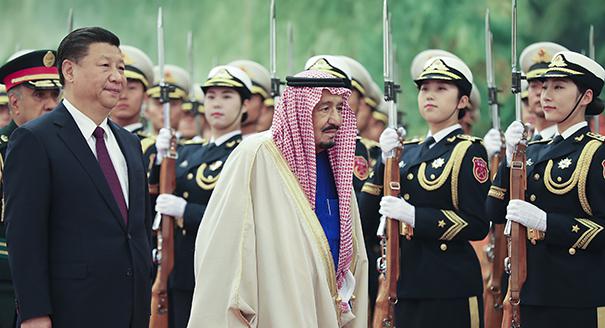
In an interview, Abdullah Baabood discusses Beijing’s evolving role in the Gulf region, where its priority is stability.

Michael Young
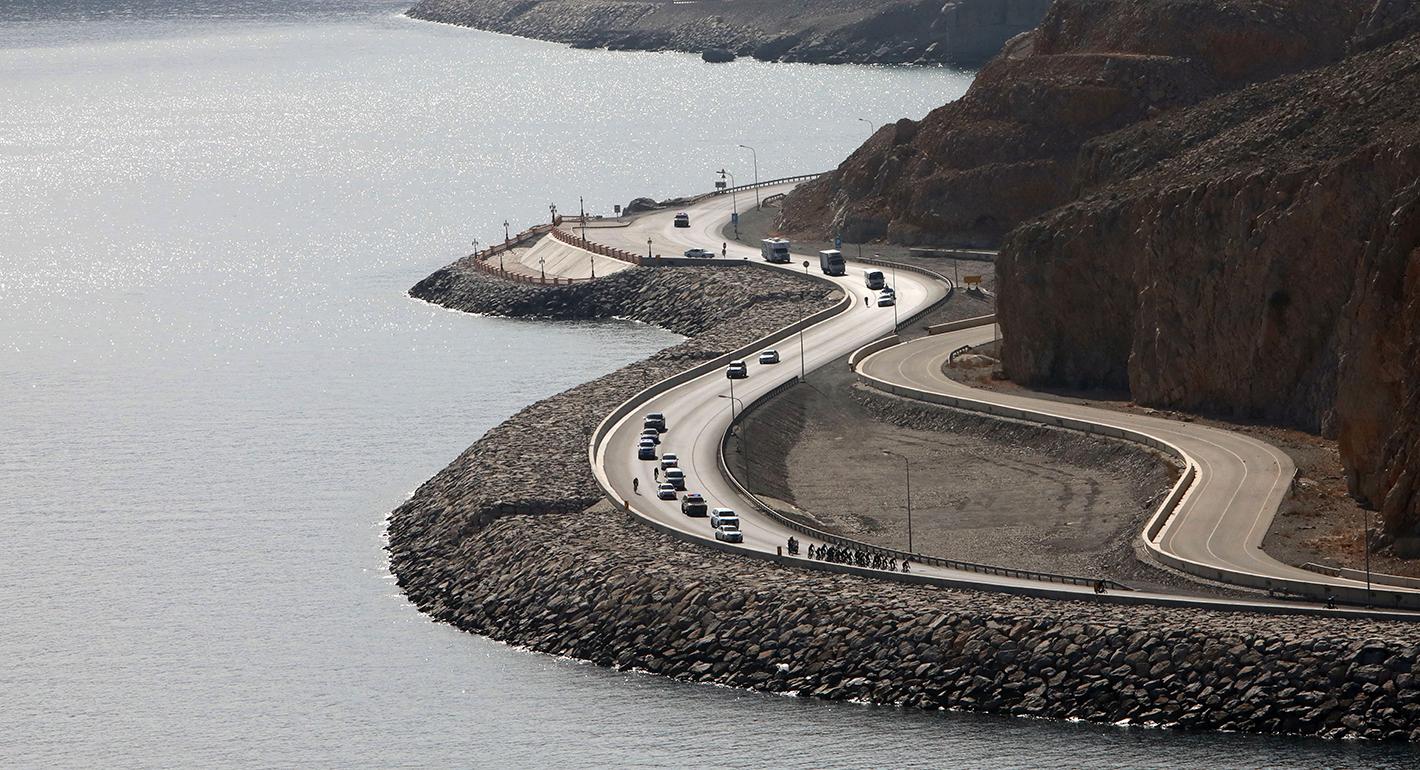
Because of its reliance on the Gulf region for much of its oil and gas, China has a strong interest in preserving security in the region, an early example of which was its mediation of the recent Saudi Arabia-Iran reconciliation.
Abdullah Baabood