

Q&A
Christopher Boucek
{
  "authors": [
    "Christopher Boucek"
  ],
  "type": "legacyinthemedia",
  "centerAffiliationAll": "dc",
  "centers": [
    "Carnegie Endowment for International Peace",
    "Malcolm H. Kerr Carnegie Middle East Center"
  ],
  "collections": [
    "Arab Awakening"
  ],
  "englishNewsletterAll": "menaTransitions",
  "nonEnglishNewsletterAll": "",
  "primaryCenter": "Carnegie Endowment for International Peace",
  "programAffiliation": "MEP",
  "programs": [
    "Middle East"
  ],
  "projects": [],
  "regions": [
    "Middle East",
    "Yemen",
    "Gulf"
  ],
  "topics": [
    "Political Reform",
    "Security"
  ]
}
Source: Getty
If the current unrest and protests in Yemen bring about the fall of the country’s regime, Al-Qaeda in the Arabian Peninsula will be able to operate with fewer constraints and present an even greater threat to the United States.
Source: Fox News
Al-Qaeda in the Arabian Peninsula (AQAP), the organization behind the attempted Christmas Day 2009 attack and last October’s cargo bomb plot, is the biggest threat to America’s homeland security emanating from a terrorist organization, explained Carnegie’s Christopher Boucek on Fox News’ Happening Now. The rising unrest in Yemen, while not instigated by AQAP, benefits the organization. Buocek warned that instability in Yemen, particularly if it leads to the fall of the Yemeni regime, will allow AQAP to operate with fewer constraints and further threaten the United States.
The United States should help the Yemeni government grow its capacity to govern as well as its capacity to thwart AQAP, Boucek said. He noted, “our rhetoric needs to match our resources when it comes to AQAP.”
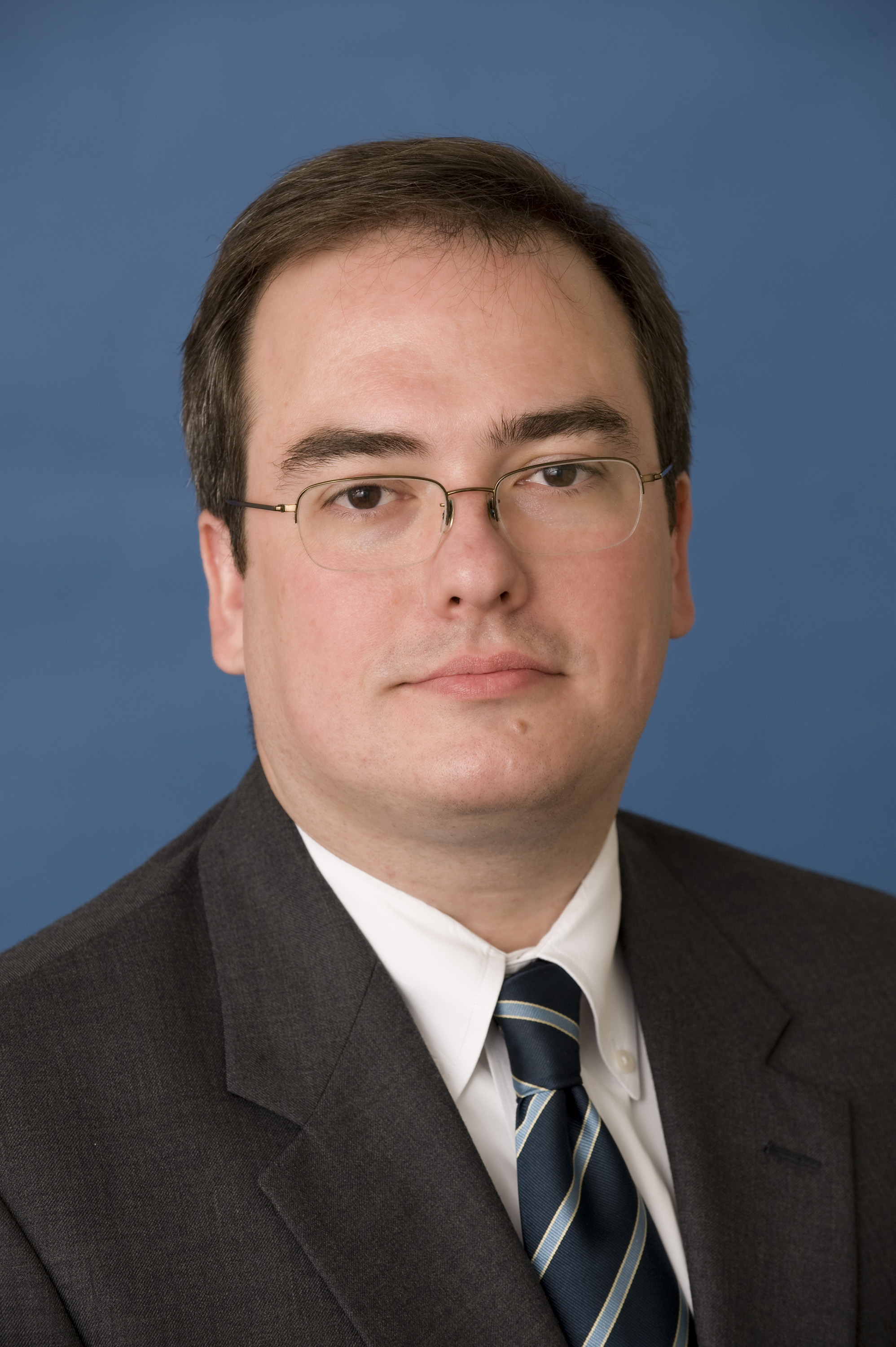
Former Associate, Middle East Program
Boucek was an associate in the Carnegie Middle East Program where his research focused on security challenges in the Arabian Peninsula and Northern Africa.
Recent Work
Christopher Boucek

Christopher Boucek, Karim Sadjadpour
Carnegie does not take institutional positions on public policy issues; the views represented herein are those of the author(s) and do not necessarily reflect the views of Carnegie, its staff, or its trustees.

As the U.S. stumbles in its war with Iran, we are likely to see an acceleration of its disengagement from the region.

Michael Young

Middle Eastern states should welcome an accelerated U.S. disengagement from their region.
Michael Young

The accord represents a pivotal moment in the region to avert a security vacuum in the Gulf.


Azeema Cheema, Mohanad Hage Ali

In an interview, Jason Burke discusses his sweeping account of the “revolutionists” who so shaped the 1970s and early 1980s.
Michael Young

Morocco and Algeria, each in its own way, are having to navigate the global economic fallout of the U.S.-Israeli military campaign against Iran.

Yasmine Zarhloule