

Paper
James M. Acton, Ankit Panda
{
  "authors": [
    "James M. Acton"
  ],
  "type": "legacyinthemedia",
  "centerAffiliationAll": "dc",
  "centers": [
    "Carnegie Endowment for International Peace"
  ],
  "collections": [],
  "englishNewsletterAll": "ctw",
  "nonEnglishNewsletterAll": "",
  "primaryCenter": "Carnegie Endowment for International Peace",
  "programAffiliation": "NPP",
  "programs": [
    "Nuclear Policy"
  ],
  "projects": [],
  "regions": [
    "East Asia",
    "Japan"
  ],
  "topics": [
    "Nuclear Policy",
    "Nuclear Energy"
  ]
}
Source: Getty
Although the nuclear reactor crisis in Japan will likely launch a debate about safety, there are stark differences between Japan and the United States in the environmental scenarios that must be considered when designing U.S. nuclear reactors.
Source: CNBC
In an interview with CNBC, James Acton explored the implications of Japan’s nuclear crisis on resurgent interest in nuclear energy in the United States. Acton explained that Japan’s Fukushima reactors were not designed to withstand an earthquake and a tsunami of the magnitude that struck the island on March 11. While this crisis will re-kindle a debate on nuclear safety in the United States and prompt a reassessment of earthquake preparedness, Acton stressed that any method used to generate electricity has associated risks. A crisis like the one facing the Japanese boiling water reactor in Fukushima underscores the need for the nuclear industry to be forthright about the challenges it faces in ensuring reactor safety. Acton concluded, however, that it is important to remember that reactors have advanced considerably in the last three decades and modern reactors have safety systems designed to avoid crises like the one presently unfolding in Japan.

Jessica T. Mathews Chair, Co-director, Nuclear Policy Program
Acton holds the Jessica T. Mathews Chair and is co-director of the Nuclear Policy Program at the Carnegie Endowment for International Peace.
Recent Work

James M. Acton, Ankit Panda
James M. Acton
Carnegie does not take institutional positions on public policy issues; the views represented herein are those of the author(s) and do not necessarily reflect the views of Carnegie, its staff, or its trustees.
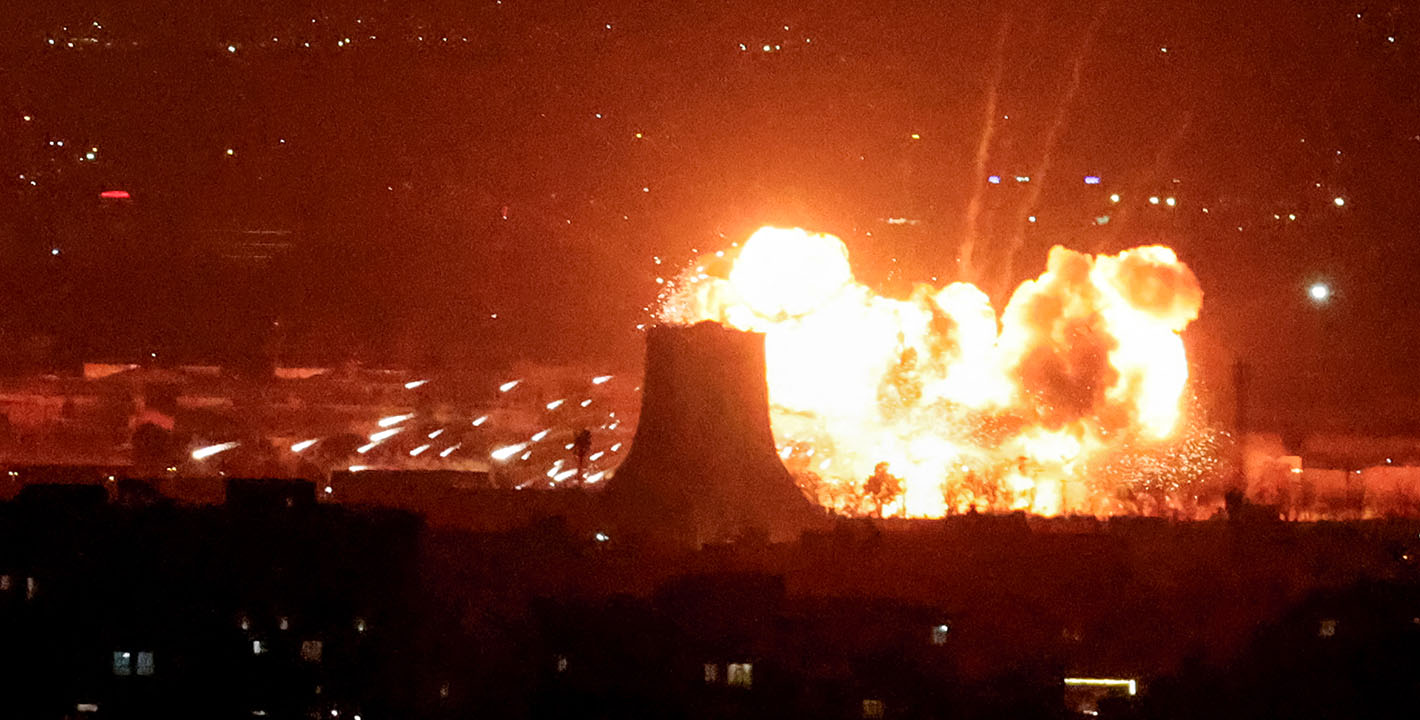
In an interview, Marc Lynch discusses his new book decrying the post-1990 U.S.-dominated order in the Middle East.

Michael Young
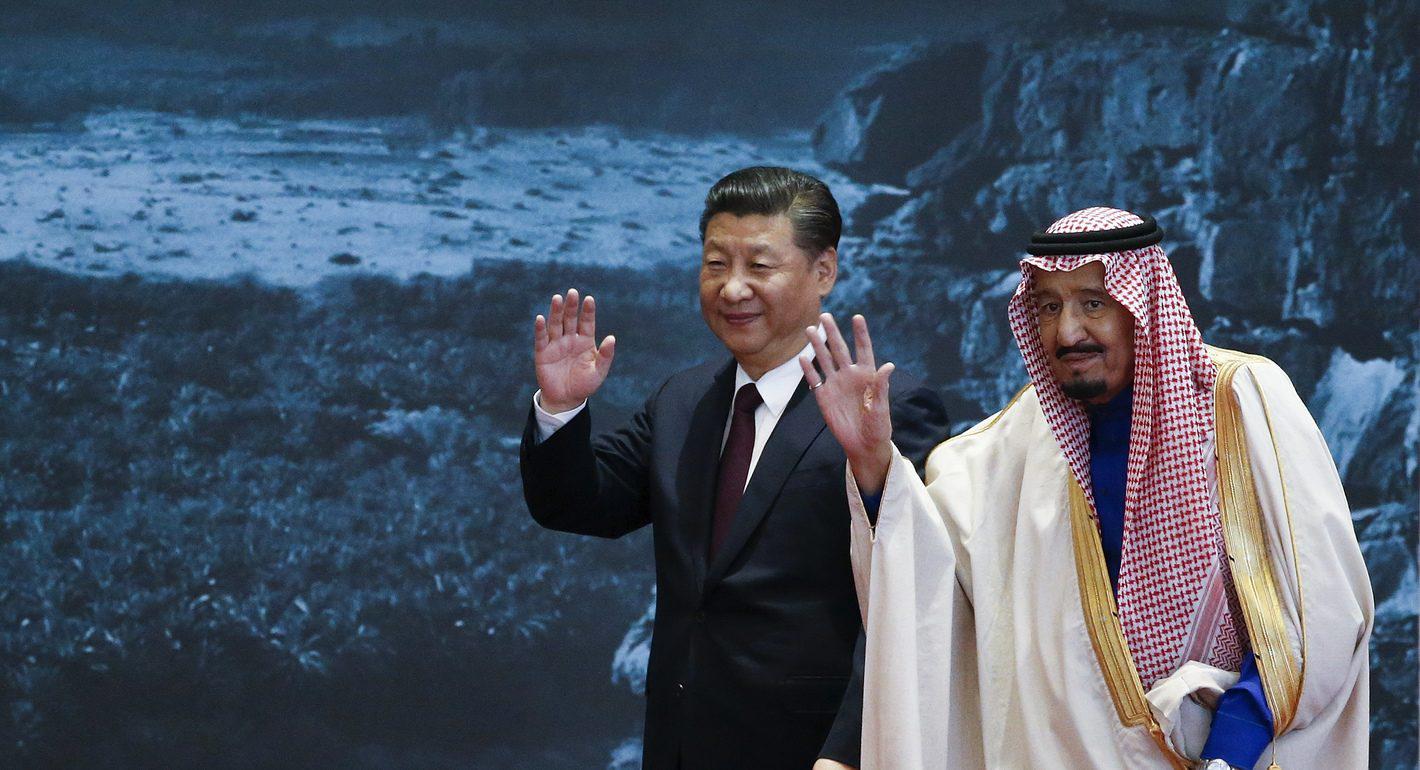
The advantage that China has over other global powers, especially America, is that its foreign policy is closely aligned with those of many of the Middle Eastern countries.


Jin Liangxiang, Maha Yahya, Hesham Alghannam
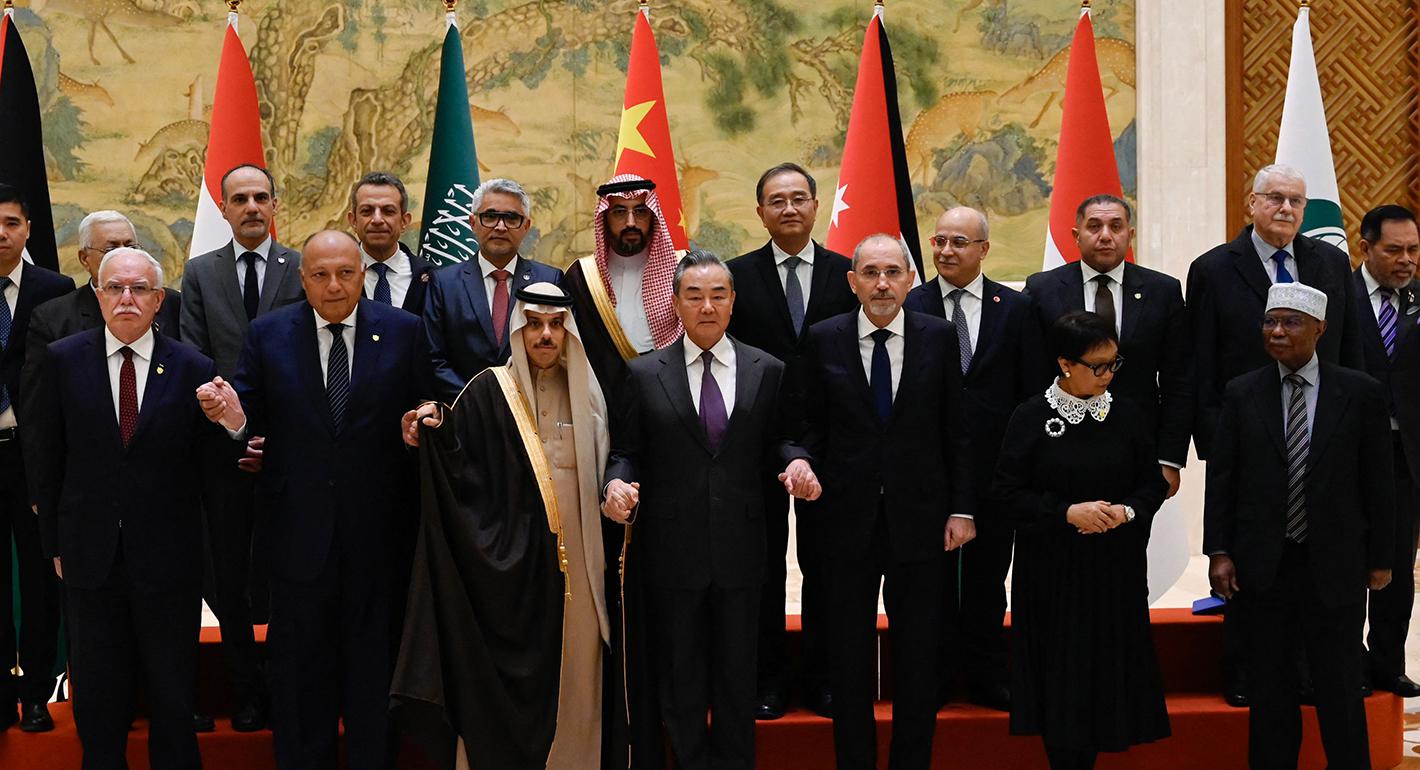
To create an environment more conducive to cooperation and development, U.S. and Chinese efforts should seek the endorsement of neighboring countries and regional organizations. Otherwise, regional and geopolitical rivalries will remain barriers.
Abdullah Baabood
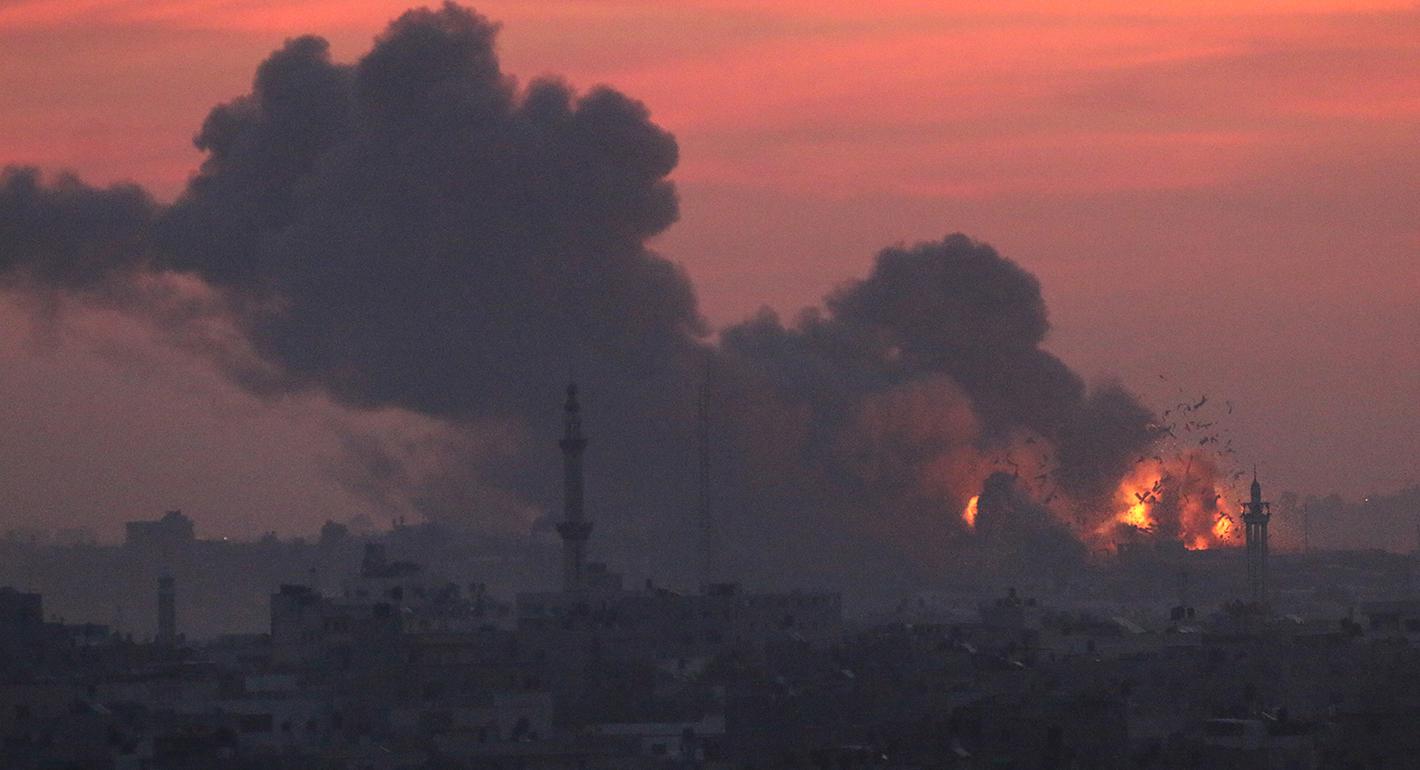
Scholars from Carnegie’s global network comment on how the ongoing conflict between Israelis and Palestinians is affecting their areas of interest, and what the implications of this may be.


Maha Yahya, Rosa Balfour, Judy Dempsey, …
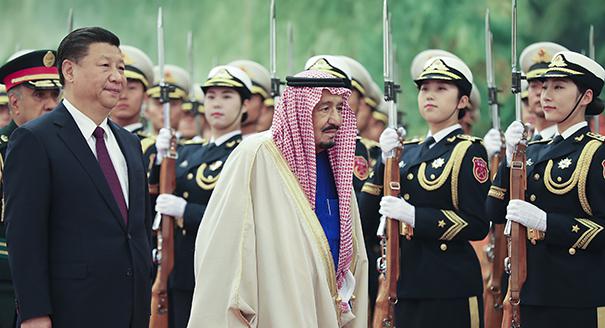
In an interview, Abdullah Baabood discusses Beijing’s evolving role in the Gulf region, where its priority is stability.
Michael Young