

Paper
James M. Acton, Ankit Panda
{
  "authors": [
    "James M. Acton"
  ],
  "type": "legacyinthemedia",
  "centerAffiliationAll": "dc",
  "centers": [
    "Carnegie Endowment for International Peace"
  ],
  "collections": [],
  "englishNewsletterAll": "ctw",
  "nonEnglishNewsletterAll": "",
  "primaryCenter": "Carnegie Endowment for International Peace",
  "programAffiliation": "NPP",
  "programs": [
    "Nuclear Policy"
  ],
  "projects": [],
  "regions": [
    "East Asia",
    "Japan"
  ],
  "topics": [
    "Nuclear Policy",
    "Nuclear Energy"
  ]
}
Source: Getty
As Japanese plant operators attempt to cool the remaining reactor cores at the damaged Fukushima nuclear plant, they must work with limited information, since the reactor buildings are highly radioactive, making it too dangerous to send workers in to get more accurate readings.
Source: Fox News
The lack of reliable information is making it difficult for analysts examining the crisis at Fukushima’s Daiichi nuclear reactors. Carnegie’s James Acton spoke on Fox News’ Happening Now about why so little is known about the status of the three reactor cores and six spent fuel pools in Fukushima. He explained that the reactor buildings are highly radioactive and filled with steam; making it too dangerous to send workers into the buildings. Measurement gauges in the buildings have been badly damaged. Accordingly, Acton said, plant operators are working to mitigate a crisis they did not anticipate and without detailed and accurate knowledge about the progression of the crisis.
Asked about the possibility of the reactor core exploding at one of the three remaining reactors where the core has yet to cool, Acton emphasized that such a scenario is extremely unlikely. However, he said that smaller explosions in the reactor building – but not in the core – are possible.

Jessica T. Mathews Chair, Co-director, Nuclear Policy Program
Acton holds the Jessica T. Mathews Chair and is co-director of the Nuclear Policy Program at the Carnegie Endowment for International Peace.
Recent Work

James M. Acton, Ankit Panda
James M. Acton
Carnegie does not take institutional positions on public policy issues; the views represented herein are those of the author(s) and do not necessarily reflect the views of Carnegie, its staff, or its trustees.
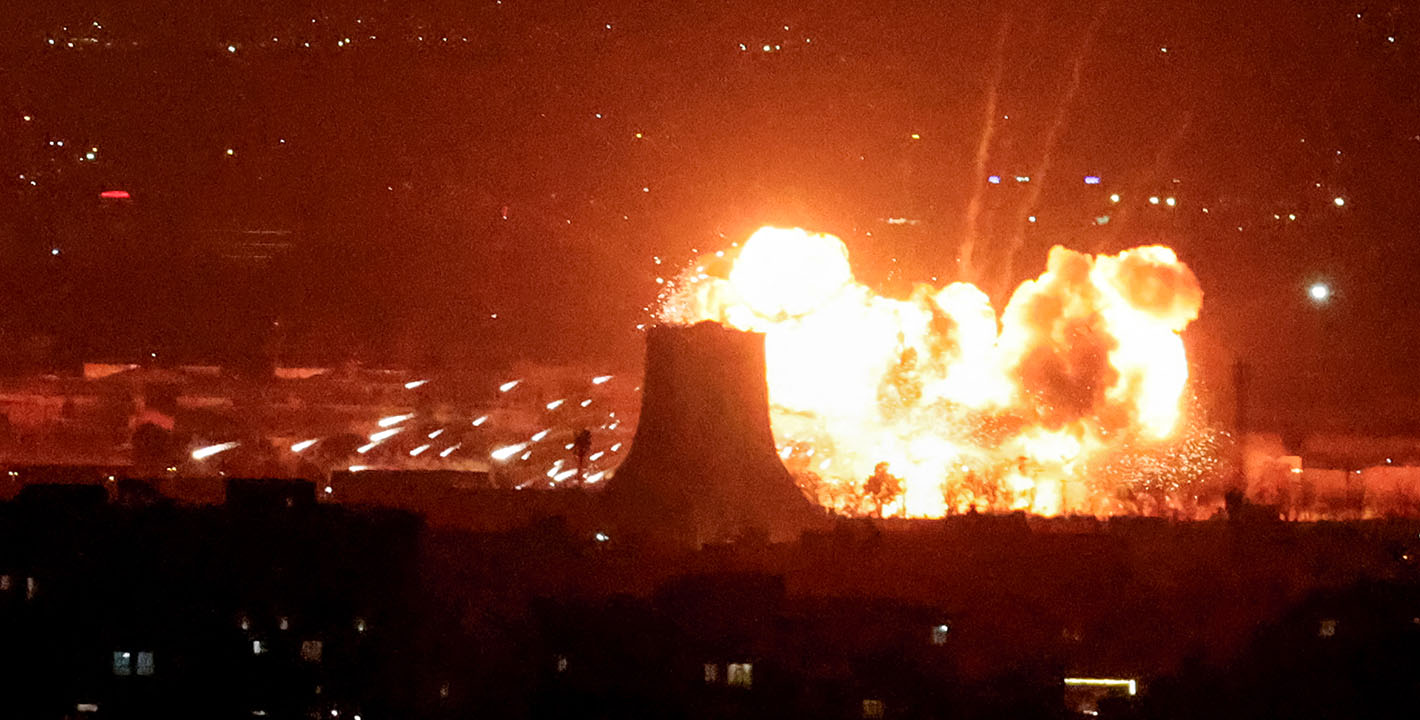
In an interview, Marc Lynch discusses his new book decrying the post-1990 U.S.-dominated order in the Middle East.

Michael Young
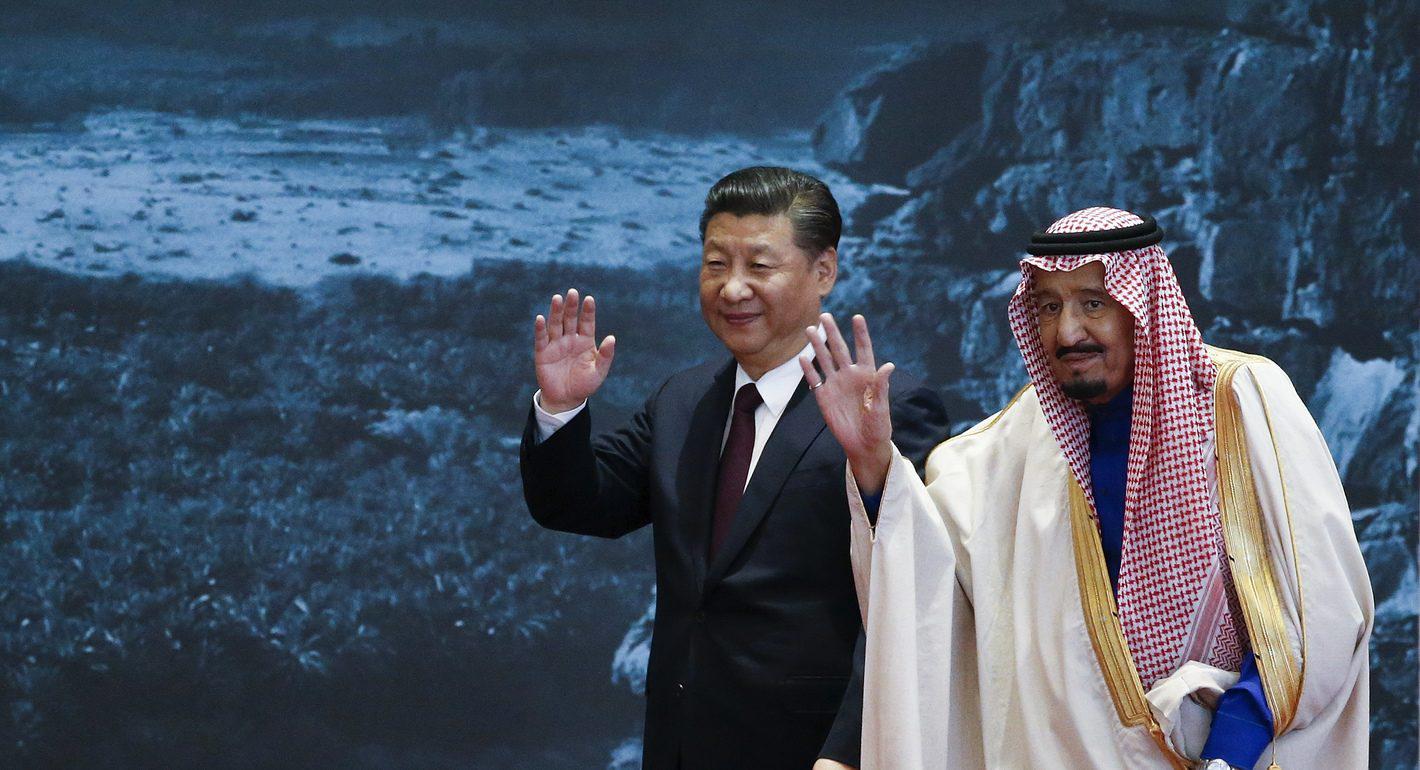
The advantage that China has over other global powers, especially America, is that its foreign policy is closely aligned with those of many of the Middle Eastern countries.


Jin Liangxiang, Maha Yahya, Hesham Alghannam
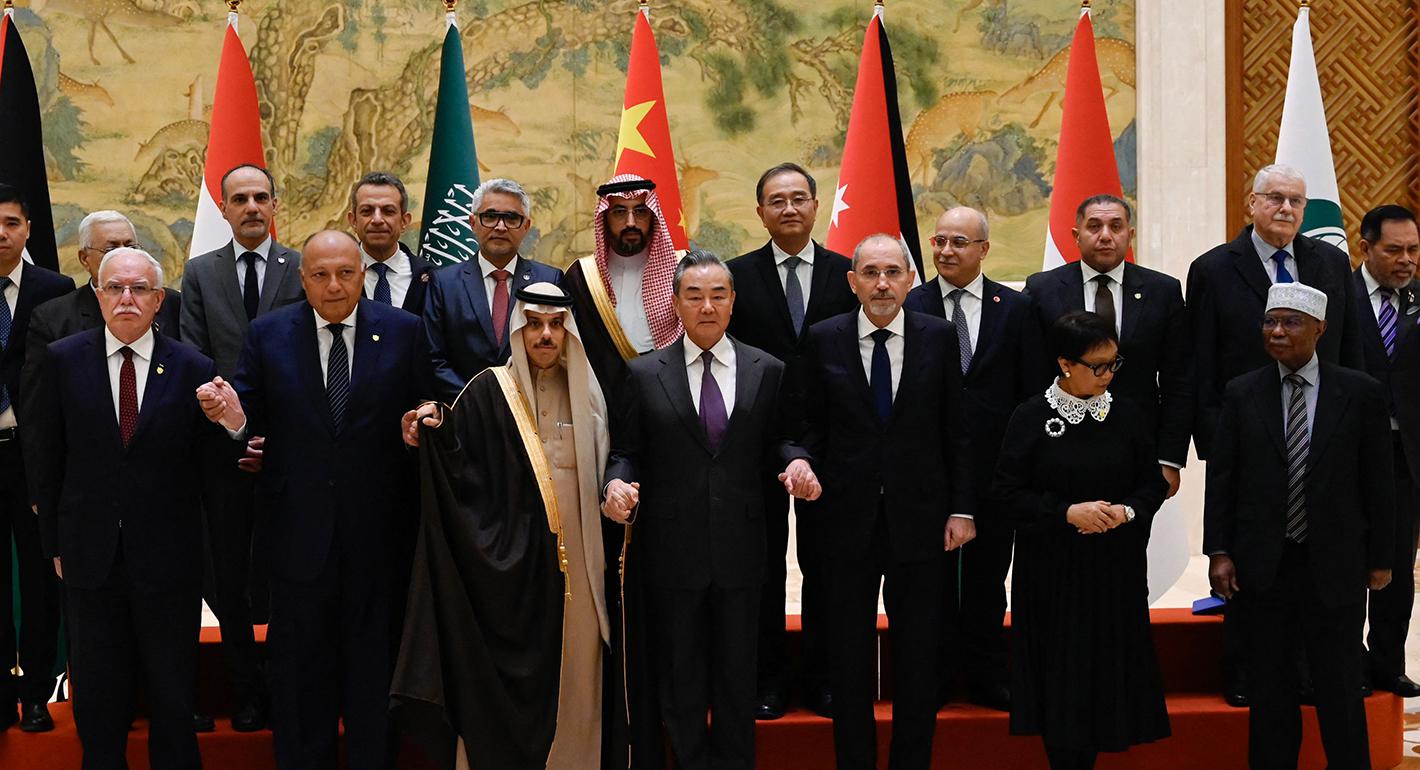
To create an environment more conducive to cooperation and development, U.S. and Chinese efforts should seek the endorsement of neighboring countries and regional organizations. Otherwise, regional and geopolitical rivalries will remain barriers.
Abdullah Baabood
Scholars from Carnegie’s global network comment on how the ongoing conflict between Israelis and Palestinians is affecting their areas of interest, and what the implications of this may be.


Maha Yahya, Rosa Balfour, Judy Dempsey, …
In an interview, Abdullah Baabood discusses Beijing’s evolving role in the Gulf region, where its priority is stability.
Michael Young