

Other
- +18
James M. Acton, Saskia Brechenmacher, Cecily Brewer, …
{
  "authors": [
    "James M. Acton"
  ],
  "type": "legacyinthemedia",
  "centerAffiliationAll": "dc",
  "centers": [
    "Carnegie Endowment for International Peace"
  ],
  "collections": [],
  "englishNewsletterAll": "ctw",
  "nonEnglishNewsletterAll": "",
  "primaryCenter": "Carnegie Endowment for International Peace",
  "programAffiliation": "NPP",
  "programs": [
    "Nuclear Policy"
  ],
  "projects": [],
  "regions": [
    "East Asia",
    "Japan"
  ],
  "topics": [
    "Nuclear Policy",
    "Nuclear Energy"
  ]
}
Source: Getty
As power is being restored to the Fukushima nuclear reactors, which were severely damaged by Japan's recent earthquake and tsunami, crucial questions remain about whether the cooling system will be functional and the likelihood of further radiation leaks.
Source: CBS
While conditions have substantially improved at Fukushima’s Daiichi reactors, which were damaged by Japan’s recent earthquake and tsunami, crucial questions and dangers persist. As power is being restored to the nuclear reactors, it remains unclear if the cooling pumps, needed to prevent overheating in the reactor cores, have become unusable. Some have begun arguing that it is time to entomb the reactors in concrete to prevent further radiation leaks, effectively abandoning the reactors, but in an interview with CBS’ Early Show, Carnegie’s James Acton argued that there is still time to stabilize and finish the cooling process. The dangers at the Fukushima plants are serious, but have receded, Acton said, although there is the potential for further degradation of nuclear materials. In particular, reactor unit three has been emitting smoke inexplicably, which is causing increasing concern. Nonetheless, Acton expressed cautious optimistic about progress at the reactor site.

Jessica T. Mathews Chair, Co-director, Nuclear Policy Program
Acton holds the Jessica T. Mathews Chair and is co-director of the Nuclear Policy Program at the Carnegie Endowment for International Peace.
Recent Work


James M. Acton, Saskia Brechenmacher, Cecily Brewer, …
James M. Acton
Carnegie does not take institutional positions on public policy issues; the views represented herein are those of the author(s) and do not necessarily reflect the views of Carnegie, its staff, or its trustees.

The advantage that China has over other global powers, especially America, is that its foreign policy is closely aligned with those of many of the Middle Eastern countries.



Jin Liangxiang, Maha Yahya, Hesham Alghannam
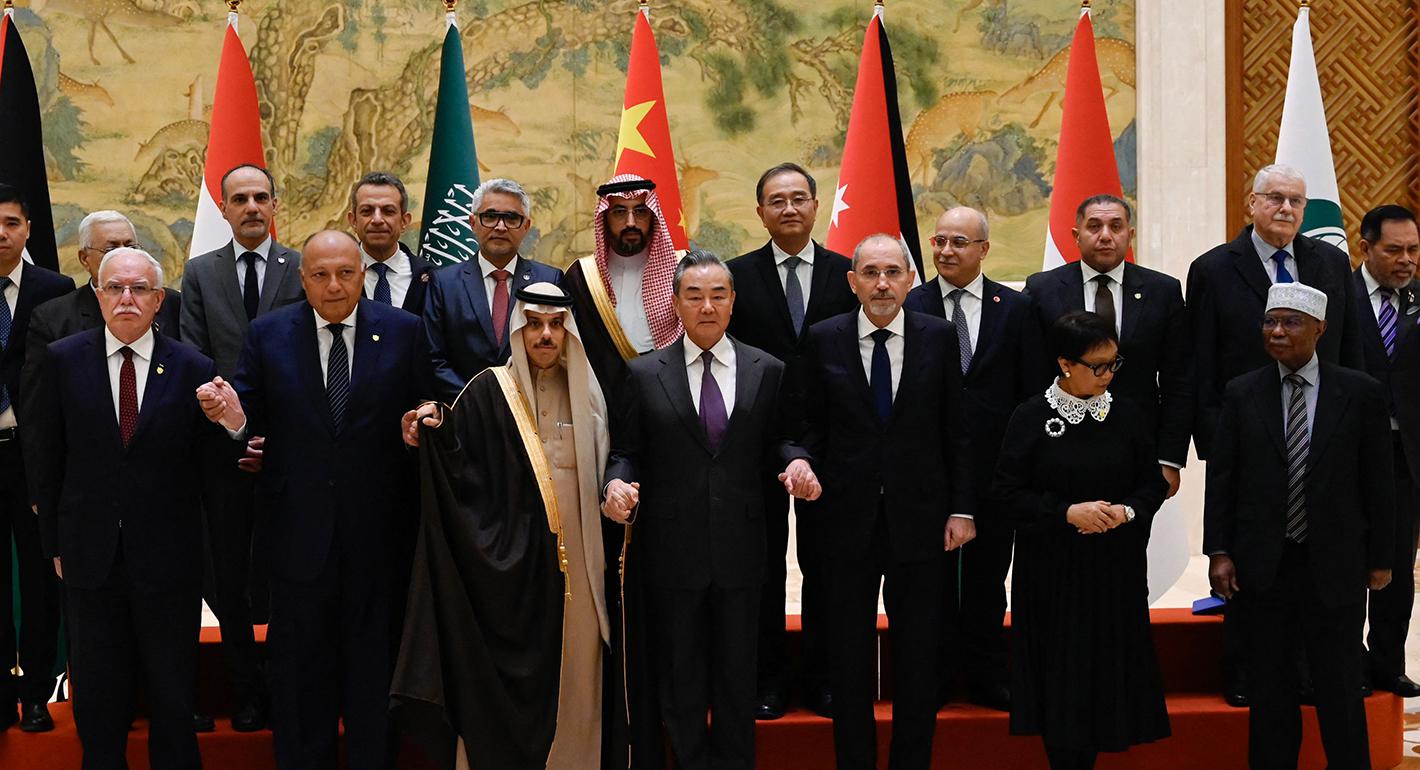
To create an environment more conducive to cooperation and development, U.S. and Chinese efforts should seek the endorsement of neighboring countries and regional organizations. Otherwise, regional and geopolitical rivalries will remain barriers.
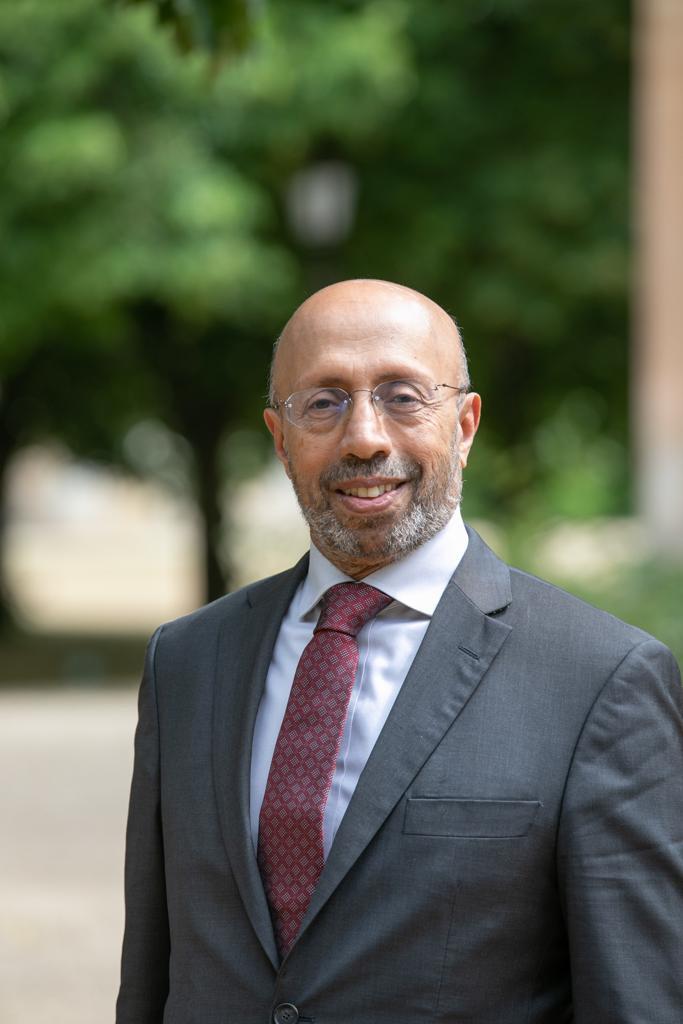
Abdullah Baabood
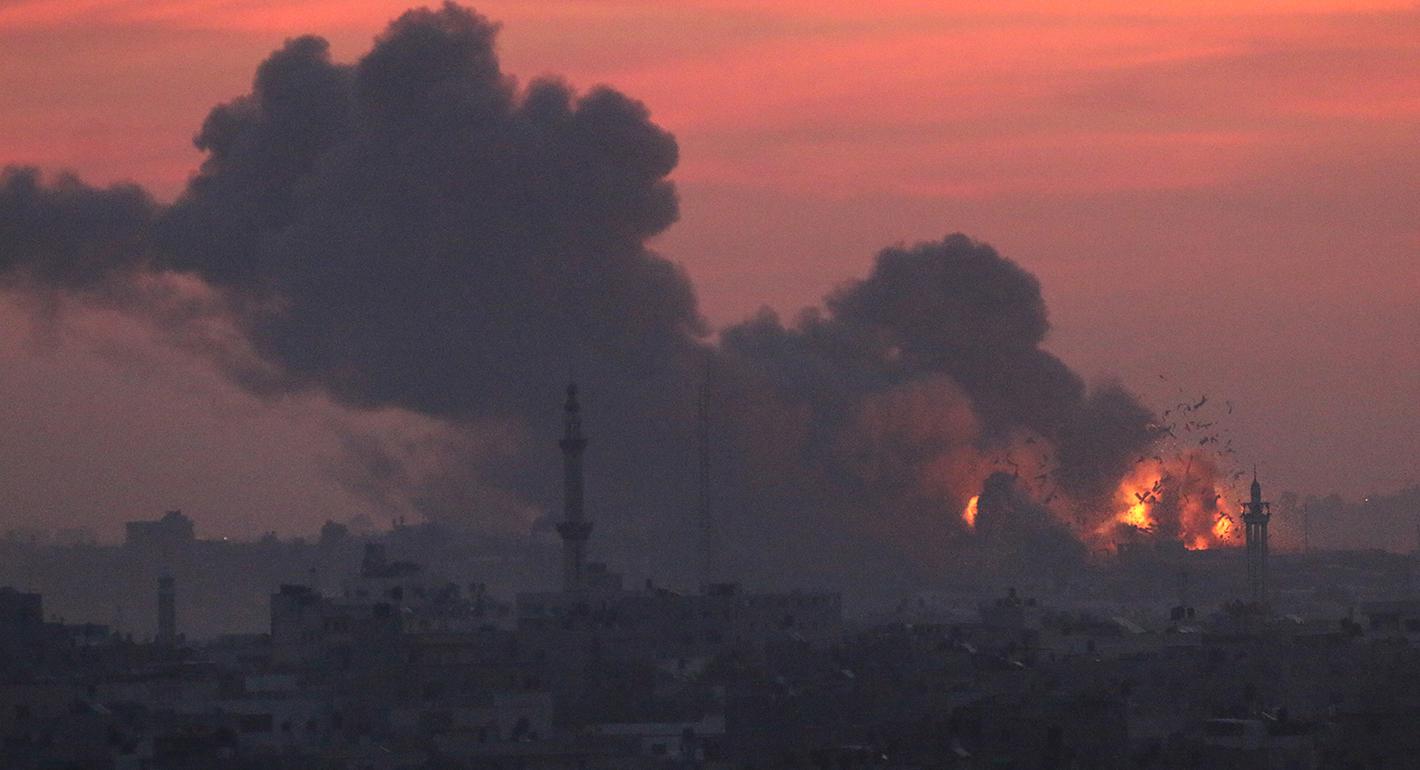
Scholars from Carnegie’s global network comment on how the ongoing conflict between Israelis and Palestinians is affecting their areas of interest, and what the implications of this may be.


Maha Yahya, Rosa Balfour, Judy Dempsey, …
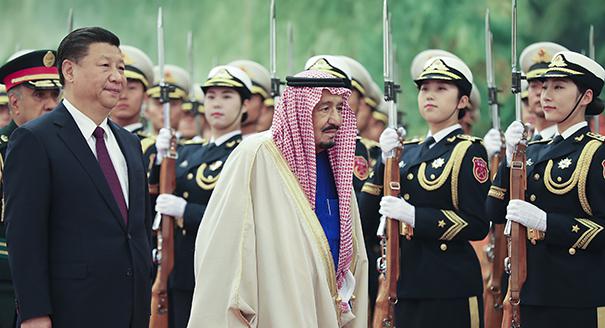
In an interview, Abdullah Baabood discusses Beijing’s evolving role in the Gulf region, where its priority is stability.

Michael Young

Because of its reliance on the Gulf region for much of its oil and gas, China has a strong interest in preserving security in the region, an early example of which was its mediation of the recent Saudi Arabia-Iran reconciliation.
Abdullah Baabood