

Paper
James M. Acton, Ankit Panda
{
  "authors": [
    "James M. Acton"
  ],
  "type": "legacyinthemedia",
  "centerAffiliationAll": "dc",
  "centers": [
    "Carnegie Endowment for International Peace"
  ],
  "collections": [],
  "englishNewsletterAll": "ctw",
  "nonEnglishNewsletterAll": "",
  "primaryCenter": "Carnegie Endowment for International Peace",
  "programAffiliation": "NPP",
  "programs": [
    "Nuclear Policy"
  ],
  "projects": [],
  "regions": [
    "East Asia",
    "Japan"
  ],
  "topics": [
    "Nuclear Policy",
    "Nuclear Energy"
  ]
}
Source: Getty
Japanese engineers are hoping that by restoring power to the cooling system in one of the damaged nuclear reactors at Japan’s Fukushima power plant, they will be able to restart cooling the reactor core.
Source: Rachel Maddow Show
RACHEL MADDOW, MSNBC: Joining us now is a physicist named Dr. James Acton, who joins us in order to understand -- to help understand the course of events at Fukushima. Dr. Acton, thanks very much for joining us. I really appreciate your time.
JAMES ACTON, Carnegie Endowment for International Peace: My pleasure, Rachel.
MADDOW: Engineers were able to connect an external grid power line cable to unit two today. How important is that? How will connecting power to the unit two reactor help the overall safety situation at Daiichi?
ACTON: Well, Rachel, you focused in your introduction on this issue of the spent fuel pools. And that`s one thing we`re worried about. But if you remember, this crisis started off and continued with the issue of these rods in the reactor core, the rods that we`re worried about overheating and melting. And the hope is that when you connect power to unit two, the cooling systems are going to start up again and you`ll be able to get the core under control. But the key point was what you said at the end of your intro, which is that we don`t know whether the systems within the reactor are working.
MADDOW: In terms of reactor two -- obviously, when we look at the images of the entire Daiichi plant, unit two seems to be in the best physical shape in terms of what we can see of the external containment structure. Is there reason to assume that the -- that there`s likely to be more to plug into at reactor two than at any of the other sites? Is it likely that that`s why they are focusing on getting power back to that site, because it can do the most good there?
ACTON: I`m not exactly sure why they made the decision to go for unit two first. But if you remember, a couple of days ago, there was an explosion. And unlike the explosions we saw at one and three that led to all that mangled mess on the outside of the plant, the explosion at two was on the inside of the plant, and it has potentially damaged that key giant concrete and reinforced -- reinforced concrete and steel, tomb-like internal containment structure.
So, my guess, and this is only just a guess, is that when they made the decision about where they were going to lay this line to, they decided that reactor two was the one they were most worried about the core melting, and that`s why they decided to go for that reactor rather than the others. But as I say, that`s just my best guess.
MADDOW: In terms of what might happen and how they`re sort of triaging the different reactors and the different areas of this plant that require attention, how concerned are you about the fission, nuclear fission process starting again, about there being a re-criticality in one of these reactors or in one of the spent fuel pools?
ACTON: Well, the truth is, Rachel, it`s actually very hard to know. These reactors and these spent fuel pools are in a regime that they were never designed to operate in. And there`s actually a lot of disagreement within the technical and scientific communities about exactly what the risks are here.
Let me give you one example. On this issue of whether the fuel rods in the spent fuel pools can start burning if the water level drops -- you know, the National Academy of Science wrote a report in 2006 saying this was something they were worried about. The Department of Energy is reported to have done a report in which they say they thought this was very unlikely or would at least take a very long time. And if it doesn`t start burning and melting, then you can`t get this radioactive mush. So, the truth is part of the challenge here is the risks are exceptionally hard to assess.
MADDOW: In terms of what the -- what we can read from the actions of the people who are closest to the
disaster, it`s striking that as the United States, as the U.S. Nuclear Regulatory Commission was highlighting their concerns about the spent fuel pool at reactor four, the Japanese started concentrating their most desperate efforts, dropping liquid from helicopters, using fire hoses and water cannons from the ground, they started focusing their efforts on reactor three.
What we know is different about reactor three is that it uses a different kind of fuel. It uses a fuel they call
MOX, a Mixed Oxide Fuel. Should we take their focus on reactor three as a sign of concern that a reactor with that kind of fuel is potentially more dangerous than another if something bad happens?
ACTON: Probably not I think is the answer to that one. I don`t know why they decided to focus their energies on getting the water into the spent fuel pool three. But the reports that I`ve heard coming out of Japan are that both pool three and pool four are short of water. So maybe they decided that the situation at pool three was more critical than the situation at pool four. I don`t think this decision was primarily motivated by the MOX fuel issue.
MADDOW: OK. You have had I know a chance to look at some of the radiation readings from Japan outside the 12-mile evacuation zone. What are you able to tell from those readings in terms of how far the radiation has spread and what that means in terms of human health consequences?
ACTON: Well, on site, the radiation levels are pretty high at the moment and worryingly so. Off site, the radiation levels are above background and substantially so. But the good news is that as they stand at the moment, they don`t pose a significant threat to human health. Now, that might change. If they stay at their elevated levels for a significant length of time, something on the order of three or four months, then there might be an increased long-term cancer rate at key points. If the plants spew out significantly larger amounts of radiation and so the levels of site rise, then there`s likely to be health consequences.
But right now, as it stands in this very uncertain fluid situation, the data that I saw today off plant radiation readings was reassuring.
MADDOW: James Acton, associate in the nuclear policy program at the Carnegie Endowment for International Peace -- thank you very much for your time tonight. I`m sorry that I had to introduce you while watching basketball. But it didn`t knock you off your stride, and for that I`m doubly appreciative. Thank you.
ACTON: Thank you for having me, Rachel.

Jessica T. Mathews Chair, Co-director, Nuclear Policy Program
Acton holds the Jessica T. Mathews Chair and is co-director of the Nuclear Policy Program at the Carnegie Endowment for International Peace.
Recent Work

James M. Acton, Ankit Panda
James M. Acton
Carnegie does not take institutional positions on public policy issues; the views represented herein are those of the author(s) and do not necessarily reflect the views of Carnegie, its staff, or its trustees.
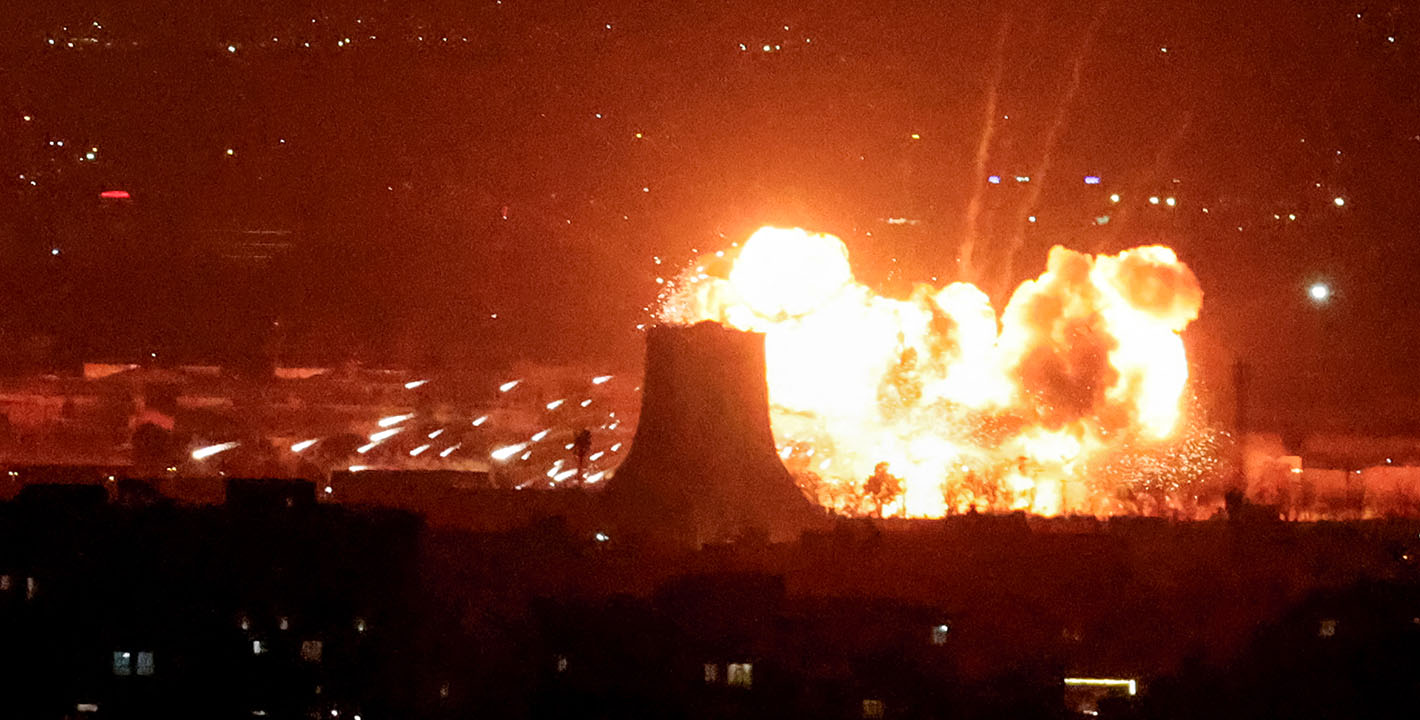
In an interview, Marc Lynch discusses his new book decrying the post-1990 U.S.-dominated order in the Middle East.

Michael Young
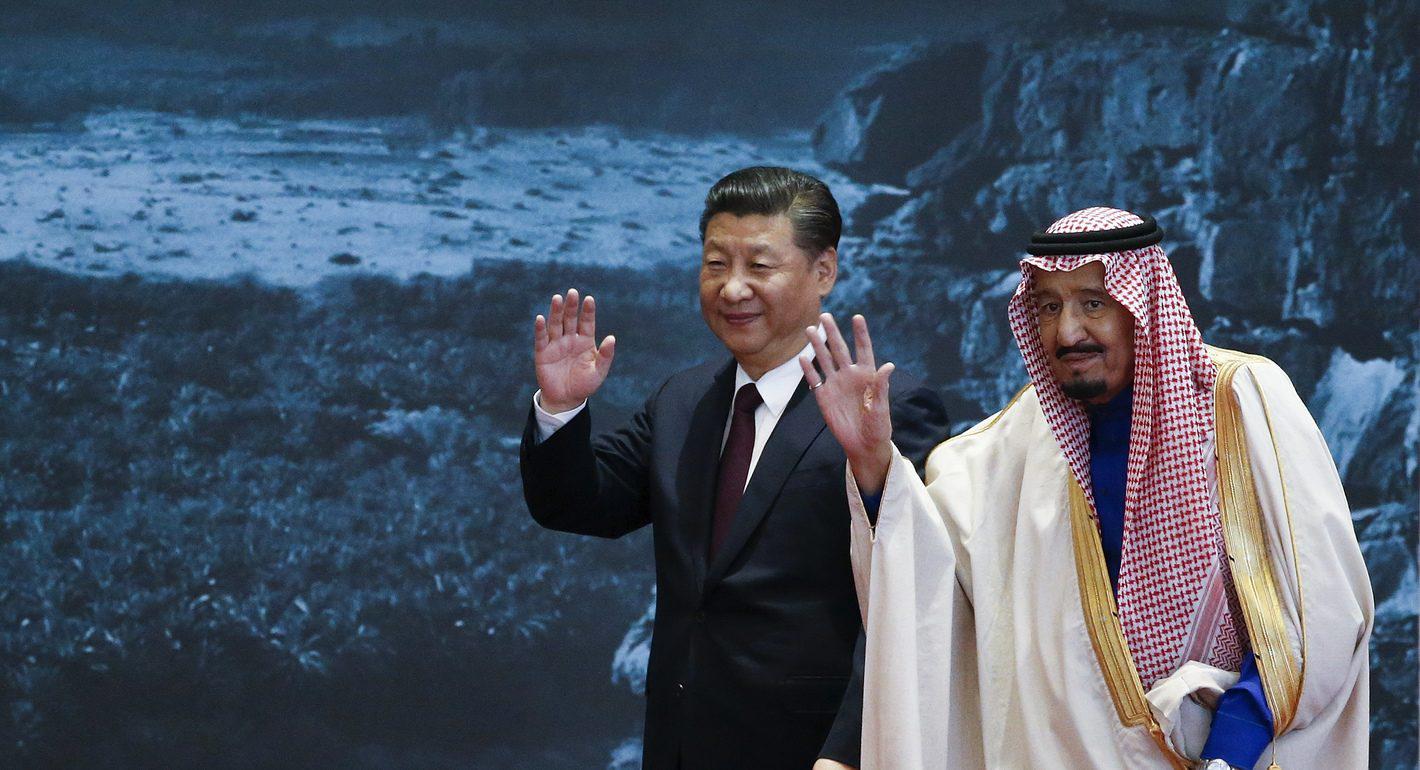
The advantage that China has over other global powers, especially America, is that its foreign policy is closely aligned with those of many of the Middle Eastern countries.


Jin Liangxiang, Maha Yahya, Hesham Alghannam
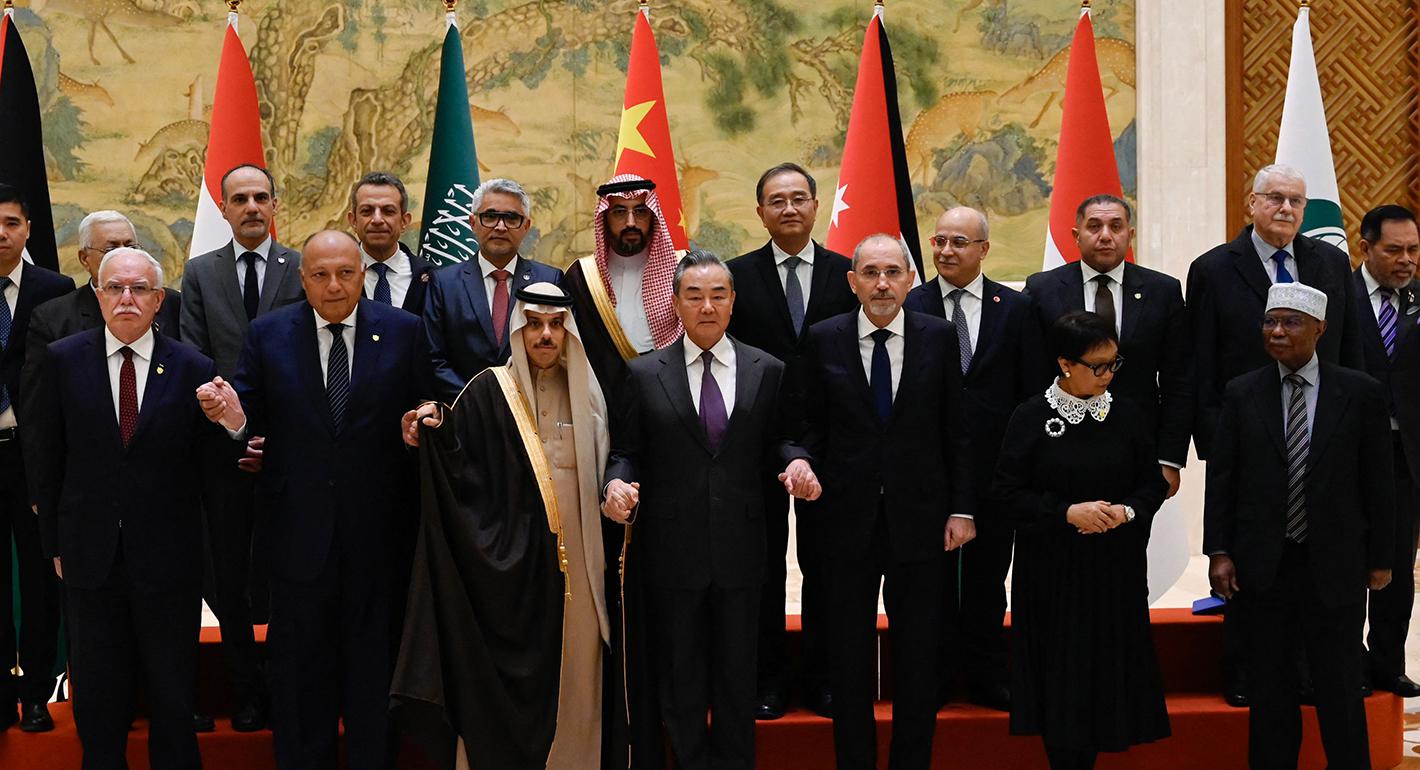
To create an environment more conducive to cooperation and development, U.S. and Chinese efforts should seek the endorsement of neighboring countries and regional organizations. Otherwise, regional and geopolitical rivalries will remain barriers.
Abdullah Baabood
Scholars from Carnegie’s global network comment on how the ongoing conflict between Israelis and Palestinians is affecting their areas of interest, and what the implications of this may be.


Maha Yahya, Rosa Balfour, Judy Dempsey, …
In an interview, Abdullah Baabood discusses Beijing’s evolving role in the Gulf region, where its priority is stability.
Michael Young