• Research
  • Diwan
  • About
  • Experts
Carnegie Middle East logoCarnegie lettermark logo
LebanonIran
{
  "authors": [
    "Christopher Boucek"
  ],
  "type": "legacyinthemedia",
  "centerAffiliationAll": "dc",
  "centers": [
    "Carnegie Endowment for International Peace",
    "Malcolm H. Kerr Carnegie Middle East Center"
  ],
  "collections": [
    "Arab Awakening"
  ],
  "englishNewsletterAll": "menaTransitions",
  "nonEnglishNewsletterAll": "",
  "primaryCenter": "Carnegie Endowment for International Peace",
  "programAffiliation": "MEP",
  "programs": [
    "Middle East"
  ],
  "projects": [],
  "regions": [
    "Middle East",
    "Yemen",
    "Gulf"
  ],
  "topics": [
    "Political Reform"
  ]
}
Source: Getty

In The Media

The Regime of President Ali Abdullah Saleh is Teetering

An orderly transition of power in Yemen that avoids creating a vacuum with the departure of President Saleh is critical in order to meet the demands of the protesters and maintain stability in the country.

Link Copied
By Christopher Boucek
Published on Apr 7, 2011

Source: Leonard Lopate Show

Yemeni President Ali Abdullah Saleh has been able to stay in power for over three decades by being a shrewd political tactician, explained Carnegie’s Christopher Boucek on The Leonard Lopate Show. Yemen is an extremely fractious country and Saleh has skillfully played different sides off of each other to ensure that no one group or figure can attain enough power to challenge him. Christopher Boucek noted that “Saleh is the only indispensable political actor in Yemen,” which makes Saleh’s abdication of power extremely problematic. The key to meeting the demands of Yemeni protesters and creating an environment conducive to stability will be to organize an orderly transition of power that does not create a vacuum after the departure of Saleh.

About the Author

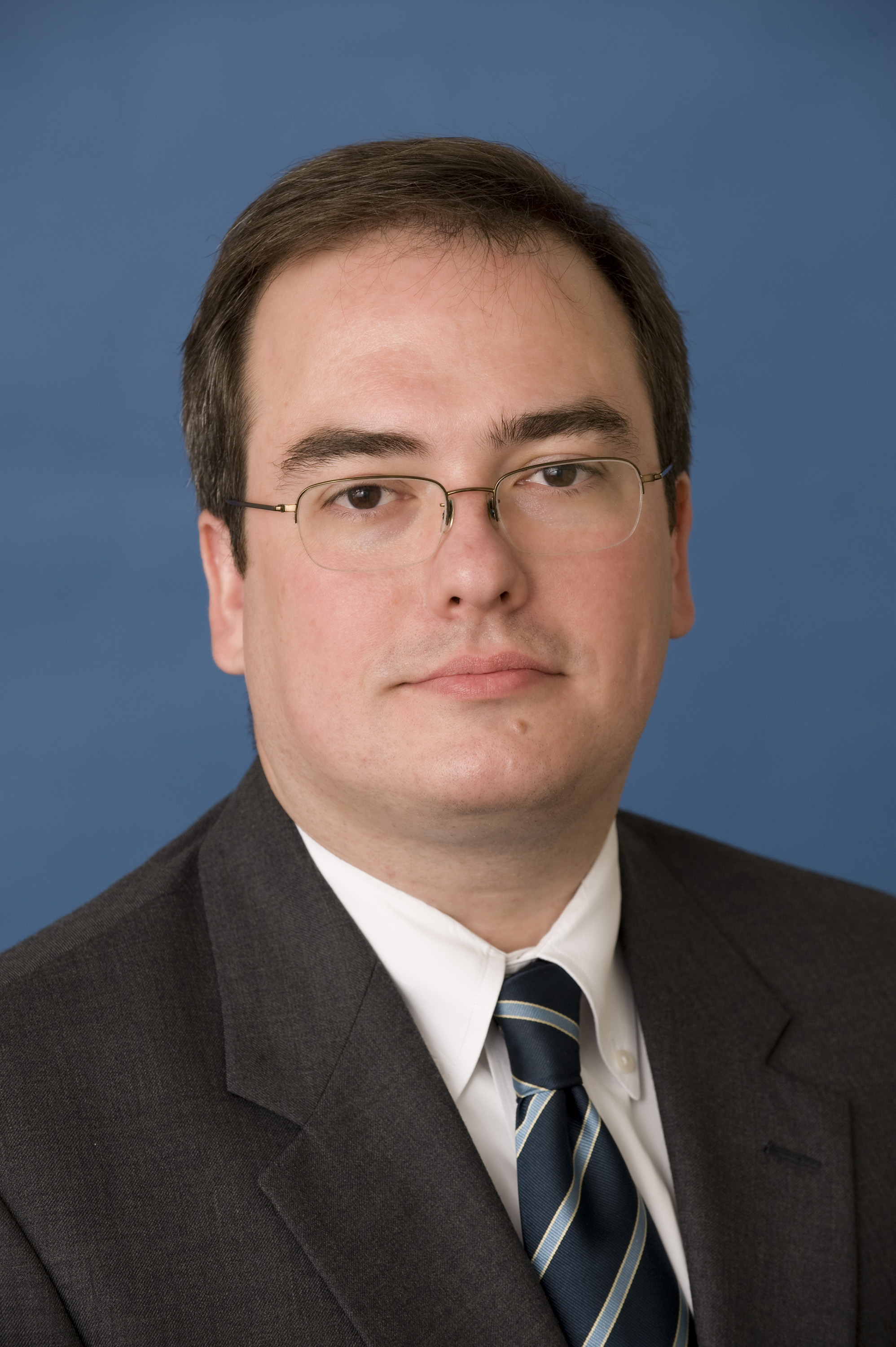
Christopher Boucek

Former Associate, Middle East Program

Boucek was an associate in the Carnegie Middle East Program where his research focused on security challenges in the Arabian Peninsula and Northern Africa.

    Recent Work

  • Q&A
    Yemen After Saleh’s Return and Awlaki’s Exit

      Christopher Boucek

  • Q&A
    Rivals—Iran vs. Saudi Arabia

      Christopher Boucek, Karim Sadjadpour

Christopher Boucek
Former Associate, Middle East Program
Christopher Boucek
Political ReformMiddle EastYemenGulf

Carnegie does not take institutional positions on public policy issues; the views represented herein are those of the author(s) and do not necessarily reflect the views of Carnegie, its staff, or its trustees.
More Work from Malcolm H. Kerr Carnegie Middle East Center

  • Commentary
    Diwan
    Corrupted by Absolute Power

    In an interview, Marc Lynch discusses his new book decrying the post-1990 U.S.-dominated order in the Middle East.

      Michael Young

  • Commentary
    Diwan
    Why Does the Middle East Suffer “Forever Wars”?

    Because perpetual conflict enhances control, offers economic benefits, and allows leaders to ignore popular preferences.

      • Angie Omar

      Angie Omar

  • Commentary
    Diwan
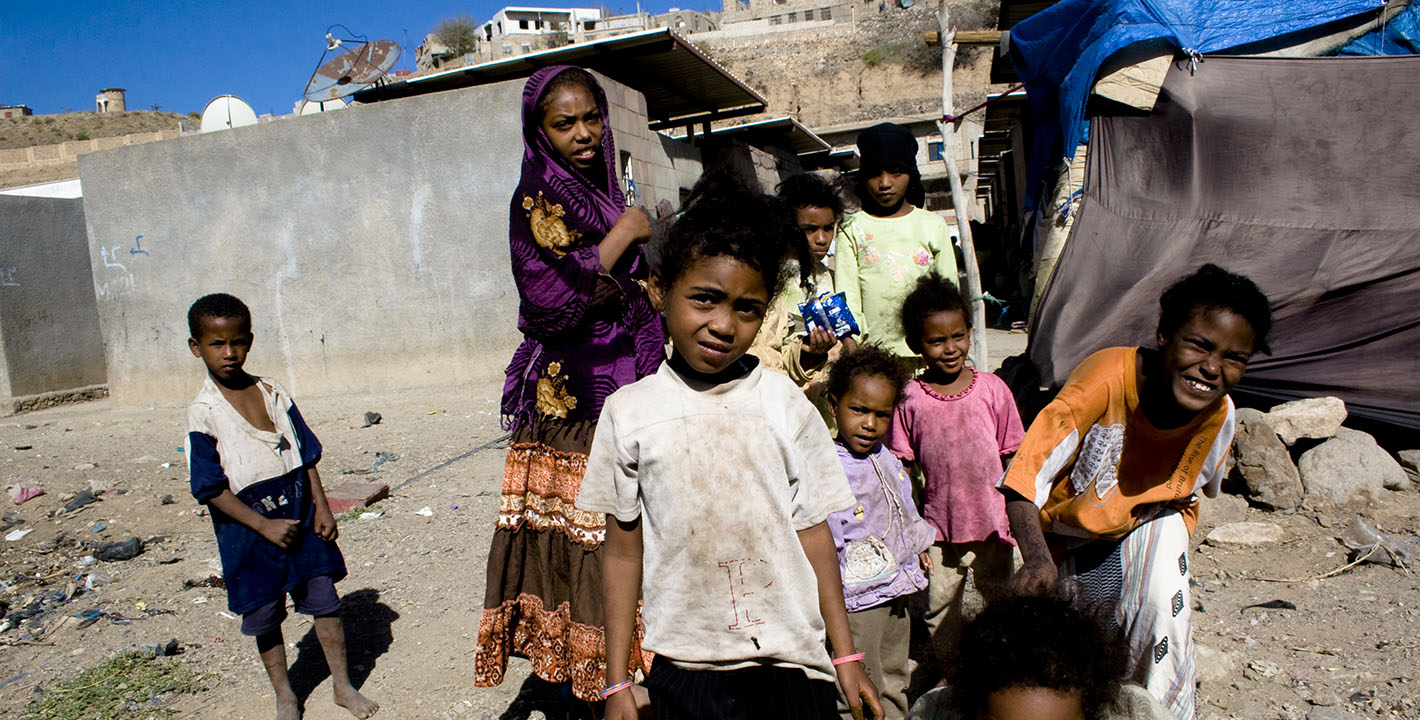
    Climate Worsens the Distress of Yemen’s Muhammasheen

    The community already suffers social discrimination, so addressing inequalities requires sustained interventions.

      Musaed Aklan , Mohammad Al-Saidi
  • Commentary
    Diwan
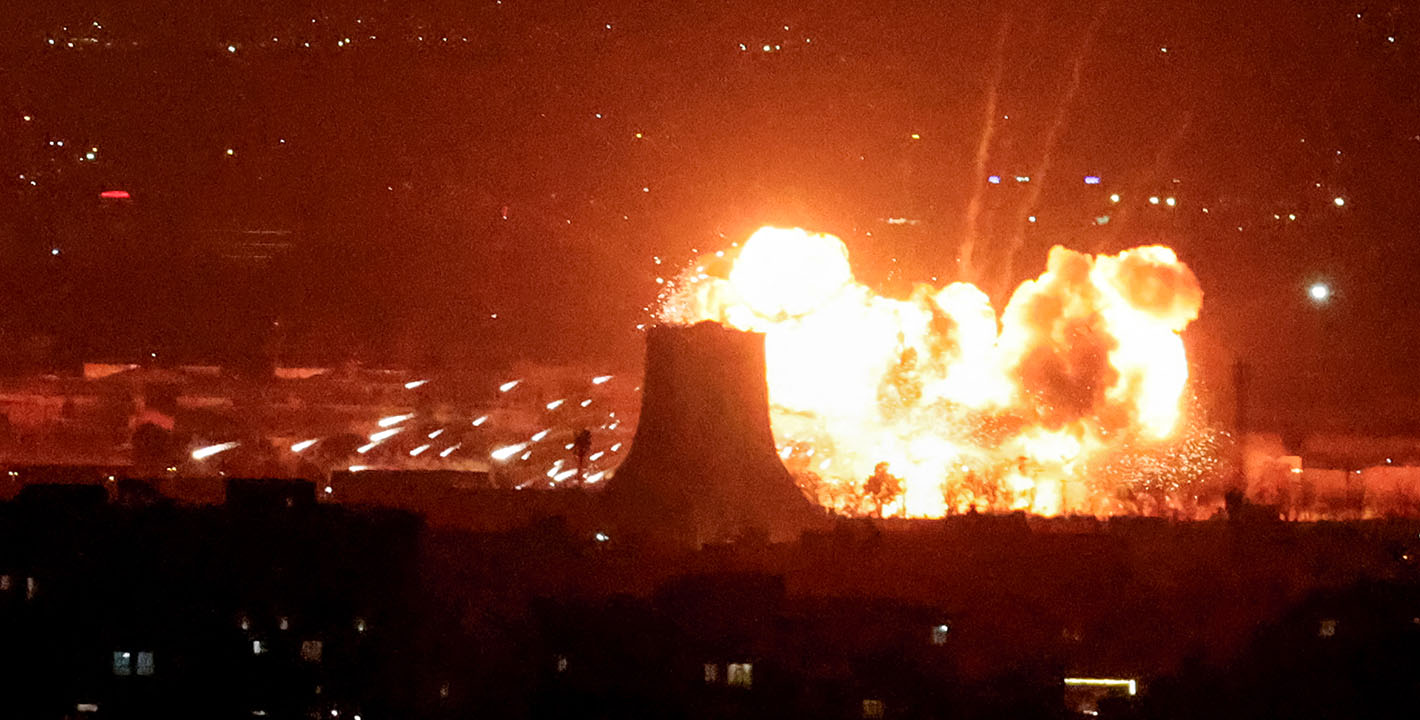
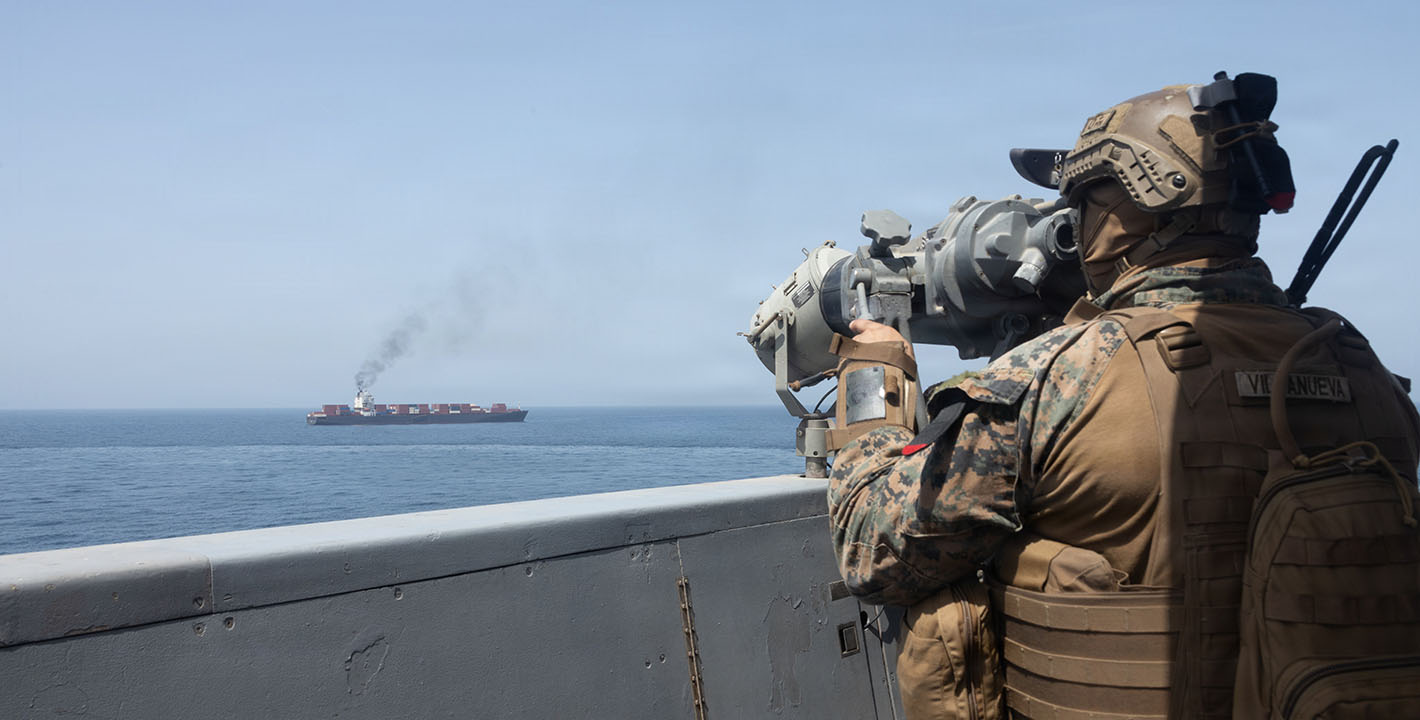
    A Military Balance Sheet in the U.S. and Israeli War With Iran

    In an interview, Jim Lamson discusses the ongoing regional conflict and sees an unclear picture when it comes to winners and losers. 

      Michael Young
  • Article
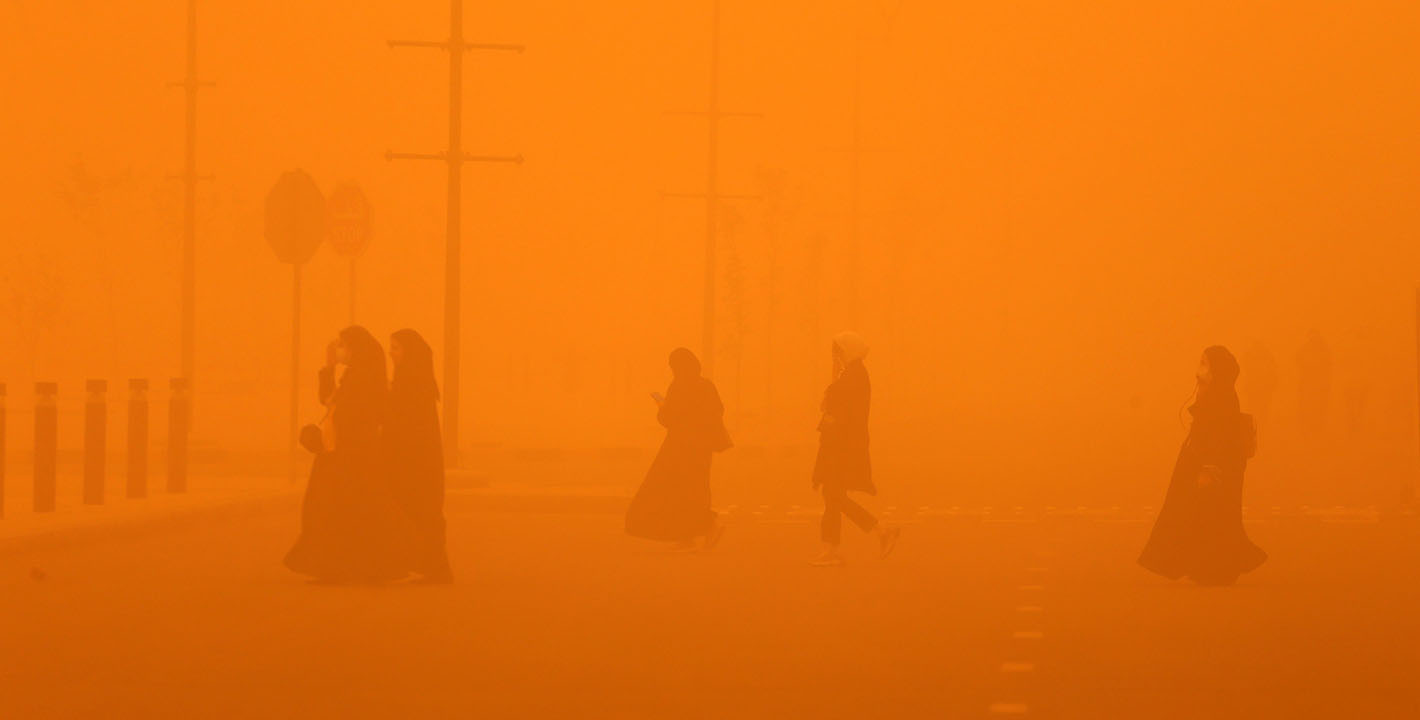
    Kuwait’s Bidun in the Face of Climate Change are Invisible, yet Exposed

    Mitigating the repercussions of climate change in Kuwait is crucial for lessening economic disparities and achieving social justice.
      Courtney Freer

Get more news and analysis from
Malcolm H. Kerr Carnegie Middle East Center
Carnegie Middle East logo, white
  • Research
  • Diwan
  • About
  • Experts
  • Projects
  • Events
  • Contact
  • Careers
  • Privacy
  • For Media
Get more news and analysis from
Malcolm H. Kerr Carnegie Middle East Center
© 2026 Carnegie Endowment for International Peace. All rights reserved.