

Commentary
In an interview, Marc Lynch discusses his new book decrying the post-1990 U.S.-dominated order in the Middle East.
Michael Young
{
  "authors": [
    "Toby Dalton",
    "George Perkovich"
  ],
  "type": "legacyinthemedia",
  "centerAffiliationAll": "dc",
  "centers": [
    "Carnegie Endowment for International Peace"
  ],
  "collections": [],
  "englishNewsletterAll": "ctw",
  "nonEnglishNewsletterAll": "",
  "primaryCenter": "Carnegie Endowment for International Peace",
  "programAffiliation": "NPP",
  "programs": [
    "Nuclear Policy"
  ],
  "projects": [],
  "regions": [
    "South Asia",
    "Pakistan"
  ],
  "topics": [
    "Nuclear Policy"
  ]
}
Source: Getty
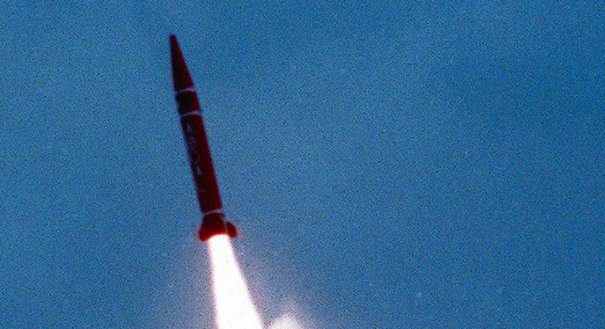
The debate over the security of Pakistan’s nuclear arsenal is evidence of a growing gulf in trust between Pakistan and the United States. Rebuilding trust may require setting aside the nuclear security debate and working together on building Pakistan’s economy.
Source: Politico

No matter what happens, Western officials and commentators ask, “What does this mean about the nukes?” In fact, Pakistan’s nuclear weapons are probably quite secure from terrorists — the nukes are its crown jewels. The army cares about them in ways that it does not about bin Laden’s whereabouts or fighting the Haqqani network.
But Islamabad is at a fever pitch about whether its nuclear facilities are safe from Americans.
The nuclear issue looks different from Pakistan. For most of the world, the question is, can terrorists steal the nuclear weapons? In Islamabad it’s, can the United States or India steal them?
The SEAL raid on bin Laden’s compound shakes Pakistanis. The stealth with which U.S. commandos slipped into and out of Pakistan — seemingly without provoking a Pakistani response — is read in Pakistan as evidence that such a mission could be successfully directed against nuclear facilities.
Pakistan’s security establishment is humiliated that bin Laden was holed up within sight of its top military academy. Whether the Pakistani army and intelligence services were complicit has no bearing on the nuclear security question. But the alternative — that the security forces are incompetent — should be alarming.
Pakistan’s military is regarded as its only national institution that works. It is supposed to be omnipresent — with eyes and ears across the country. In that respect, it does not seem credible that no one in the establishment knew bin Laden’s whereabouts.
Unless, of course, that image is overblown and incorrect. This is the real concern.
Western analysts were quick to pounce on the nuclear security implications of incompetence. According to The New York Times: “It has raised the issue of whether any assurance provided by the Pakistani military can be trusted, including the security of its nuclear arsenal.”
In Pakistan, however, the adequacy of its nuclear security triggers different alarms. There, the fear is that the United States or India will launch a pre-emptive strike to destroy or steal Pakistan’s nuclear weapons. This is a longstanding fear, cultivated since the 1980s, when Pakistan’s bomb program was clandestine.
In recent years, it has been bolstered by conspiracy theories surrounding the growing U.S. presence in Pakistan. Fueled by wild stories in the free-wheeling Pakistani media, many Pakistanis believe that the large-muscled Westerners wearing shalwar kameez and driving big SUVs are in search of the country’s nuclear weapons, not Al Qaeda.
This was evident in the rumors surrounding the Raymond Davis affair, in which Islamabad detained a CIA contractor.
Kamran Khan, on his nightly Geo TV talk show, asked provocatively: “We had the belief that our defense was impenetrable but look what has happened. Such a massive intrusion, and it went undetected. ... What is the guarantee that our strategic assets and security installations are safe?”
He was not wondering whether the nuclear weapons are safe from terrorists but from the U.S.
This concern is not confined to media commentators and armchair analysts. Pakistani Army Corps commanders, a powerful group, met days after the killing to discuss the events. The group signaled its interest in kicking all U.S. military and intelligence personnel out of the country and reaffirmed that the Pakistani nuclear arsenal would be secure against U.S. and Indian threats.
This paranoia is unfounded — killing one person in a stealthy raid is a far different proposition than capturing nuclear weapons and material in multiple, heavily guarded facilities. But even the perception worries Pakistan’s generals, which is detrimental to the U.S.-Pakistan relationship.
Both Pakistani and U.S. experts lament the growing gulf in trust between the two countries. The nuclear security debate is the clearest evidence of this gap.
It is impossible to build a strategic relationship when one partner can’t be trusted to prevent nuclear terrorism and the other can’t be trusted not to exploit its intelligence and military presence to steal or destroy the other’s nuclear deterrent.
Instead of more handwringing and conspiracy theorizing — which are partly to blame for the trust deficit — it is time to set aside the nuclear-security debate and move on to issues on which U.S. and Pakistani interests align. Critical work can be done to build Pakistan’s economy, revamp its energy system and boost regional trade. Progress in these areas would be good for Pakistanis and stabilizing for the region.

Senior Fellow and Co-director, Nuclear Policy Program
Toby Dalton is a senior fellow and co-director of the Nuclear Policy Program at the Carnegie Endowment. An expert on nonproliferation and nuclear energy, his work addresses regional security challenges and the evolution of the global nuclear order.

Japan Chair for a World Without Nuclear Weapons, Senior Fellow
George Perkovich is the Japan Chair for a World Without Nuclear Weapons and a senior fellow in the Carnegie Endowment for International Peace’s Nuclear Policy Program. He works primarily on nuclear deterrence, nonproliferation, and disarmament issues.
Carnegie does not take institutional positions on public policy issues; the views represented herein are those of the author(s) and do not necessarily reflect the views of Carnegie, its staff, or its trustees.
In an interview, Marc Lynch discusses his new book decrying the post-1990 U.S.-dominated order in the Middle East.

Michael Young
The interaction of national armed forces and private business sectors offers a useful lens for viewing the politics of numerous countries of the so-called Global South. A rising trend of military political activism—often accompanied by military commercial activity—underlines the importance of drivers and outcomes in these relationships.

Yezid Sayigh, Hamza Meddeb
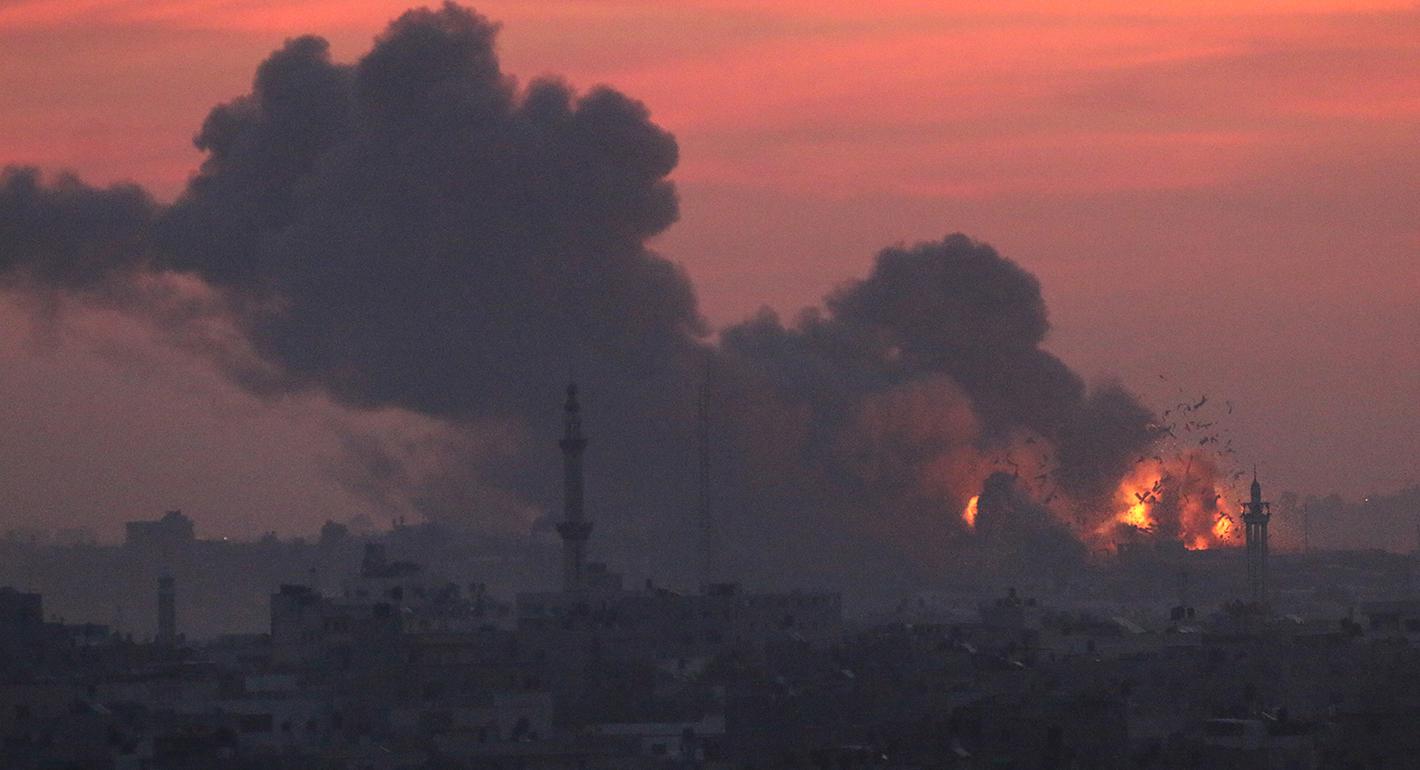
Scholars from Carnegie’s global network comment on how the ongoing conflict between Israelis and Palestinians is affecting their areas of interest, and what the implications of this may be.



Maha Yahya, Rosa Balfour, Judy Dempsey, …
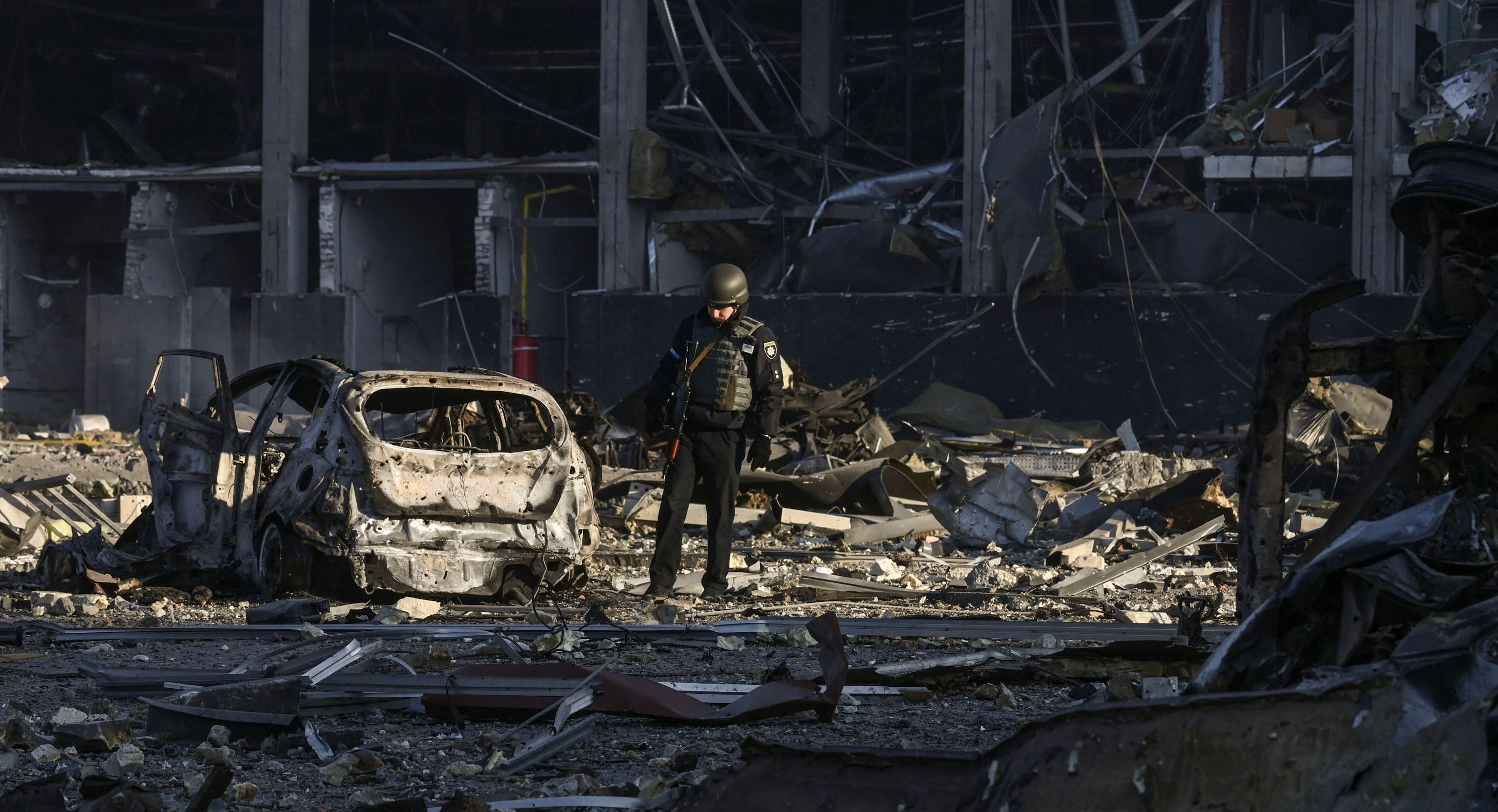
Both events also could force Washington to rethink or revive its Middle East partnerships.

Karim Sadjadpour
Disagreement between the United States and Iran over a revived nuclear accord may anchor volatile competition.
George Perkovich