

Commentary
Michael Pettis
{
  "authors": [
    "Michael Pettis"
  ],
  "type": "legacyinthemedia",
  "centerAffiliationAll": "dc",
  "centers": [
    "Carnegie Endowment for International Peace"
  ],
  "collections": [],
  "englishNewsletterAll": "asia",
  "nonEnglishNewsletterAll": "",
  "primaryCenter": "Carnegie Endowment for International Peace",
  "programAffiliation": "AP",
  "programs": [
    "Asia"
  ],
  "projects": [],
  "regions": [
    "East Asia",
    "China"
  ],
  "topics": [
    "Economy",
    "Trade"
  ]
}
Source: Getty
Persistent imbalances in China's economy are likely to pose a serious threat to the country's growth unless Beijing significantly revalues its currency, raises real interest rates, and continues to increase wages.
Source: Bloomberg
Carnegie’s Michael Pettis spoke on Bloomberg Television’s On the Move Asia about China's economy, central bank monetary policy, and currency. China’s consumer prices rose 5.3 percent in April compared to a year earlier, exceeding the government’s full-year target for a fourth straight month.
Although China's April inflation figures were slightly lower than the previous month, Pettis noted that many experts had predicted inflation rates would peak in July or August of this year. Thus, it remains to be seen whether inflation has started a long-term declining trend. Pettis added that although it may seem counterintuitive, raising interest rates may not be an effective way for Beijing to stem inflation, since such an action will increase household income and consumption, thus adding to inflationary pressure.
In order to rebalance its economy, Pettis suggested that Beijing needs to adopt a comprehensive approach that includes revaluing its currency, raising interest rates, and raising wages. Although wages are rising in real terms, after adjusting for inflation and productivity growth differentials, "the currency is barely appreciating in real terms," Pettis said. Most importantly, although nominal interest rates have gone up, real interest rates have actually been negative. Thus, Pettis stated, "In the aggregate, it is very hard to say that China is rebalancing."
These continued imbalances were discussed in a recent IMF report which noted that consumption growth in China slowed last year, Pettis noted. Moreover, massive increases in investment in China are becoming increasingly misallocated and ineffective, which historically has always been associated with an unsustainable rise in debt. If such trends continue, this excessive investment will pose a serious threat to China's growth.

Nonresident Senior Fellow, Carnegie China
Michael Pettis is a nonresident senior fellow at the Carnegie Endowment for International Peace. An expert on China’s economy, Pettis is professor of finance at Peking University’s Guanghua School of Management, where he specializes in Chinese financial markets.
Recent Work
Michael Pettis
Michael Pettis

The armed forces champion a form of capitalism that is generating revenue, but its reliance on rent faces diminishing returns, leaving the country with massive sunk costs and deferred returns, deepening dependency on external borrowing.

Yezid Sayigh

Morocco and Algeria, each in its own way, are having to navigate the global economic fallout of the U.S.-Israeli military campaign against Iran.

Yasmine Zarhloule
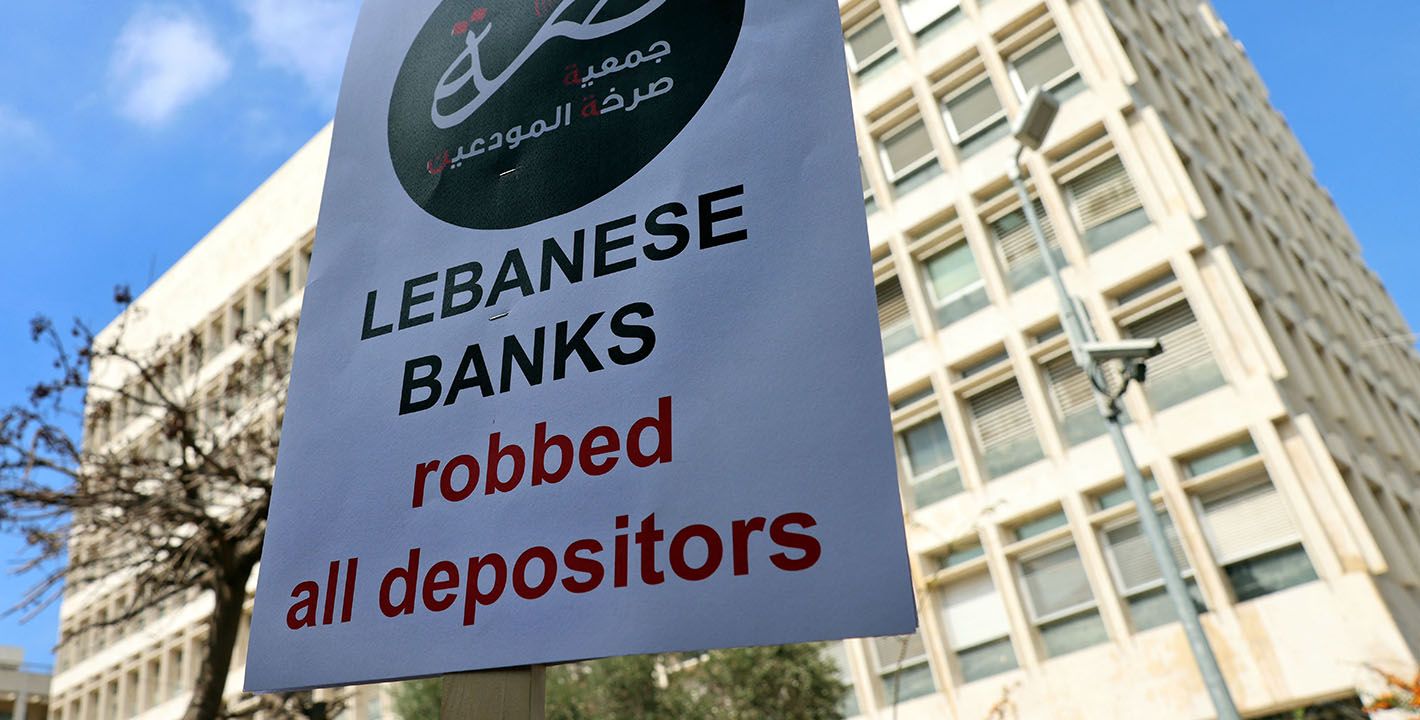
In an interview, Ishac Diwan looks at the merits and flaws in the draft legislation distributing losses from the financial collapse.

Michael Young

Mustaqbal Misr has expanded its portfolio with remarkable speed, but a lack of transparency remains.
Yezid Sayigh

Arab diaspora business communities in Egypt often mirror the same systemic challenges facing Egyptian businesses.

Nur Arafeh, Yezid Sayigh, Qaboul al-Absi, …