• Research
  • Diwan
  • About
  • Experts
Carnegie Middle East logoCarnegie lettermark logo
PalestineSyria
{
  "authors": [
    "Martha Brill Olcott"
  ],
  "type": "testimony",
  "centerAffiliationAll": "dc",
  "centers": [
    "Carnegie Endowment for International Peace",
    "Carnegie Russia Eurasia Center"
  ],
  "collections": [],
  "englishNewsletterAll": "",
  "nonEnglishNewsletterAll": "",
  "primaryCenter": "Carnegie Endowment for International Peace",
  "programAffiliation": "russia",
  "programs": [
    "Russia and Eurasia"
  ],
  "projects": [
    "Eurasia in Transition"
  ],
  "regions": [
    "Central Asia",
    "Kyrgyz Republic"
  ],
  "topics": [
    "Security"
  ]
}

Source: Getty

Testimony

Addressing Ethnic Tension in Kyrgyzstan

The international community should focus on pressing the Kyrgyz government to respect the basic human rights of all their citizens and emphasize the importance of equality and accountability before the law.

Link Copied
By Martha Brill Olcott
Published on Jun 22, 2011
Project hero Image

Project

Eurasia in Transition

Learn More

Source: June 22

The Independent International Commission of Inquiry recently issued its final report on last June’s clashes between ethnic Kyrgyz and ethnic Uzbeks. In testimony before the Helsinki Commission, Martha Olcott explains the local reaction to the report and the social and political implications for Kyrgyzstan.

U.S. Policy Recommendations:

  • Help ensure accountability: The United States should support efforts to identify, apprehend, and prosecute those responsible for last summer’s violence.
     
  • Urge equal protection under law: The United States should press the Kyrgyz government to guarantee the basic human rights of all its citizens, and to afford them the same opportunities regardless of ethnicity.
     
  • Stick to the basics:  The United States should emphasize a simple and universally applicable message of equality and accountability before the law and not dilute the primacy of this message by focusing on more controversial questions like renaming the country, or changing the constitutional status of minority languages, as the Independent Commission did.

Olcott concludes that the international community should focus on pressing the Kyrgyz government “to respect the basic human rights of all their citizens.” She argues that “this more limited approach might make us more effective in trying to ensure that peace prevails in Kyrgyzstan’s south. But there will be no guarantees.”
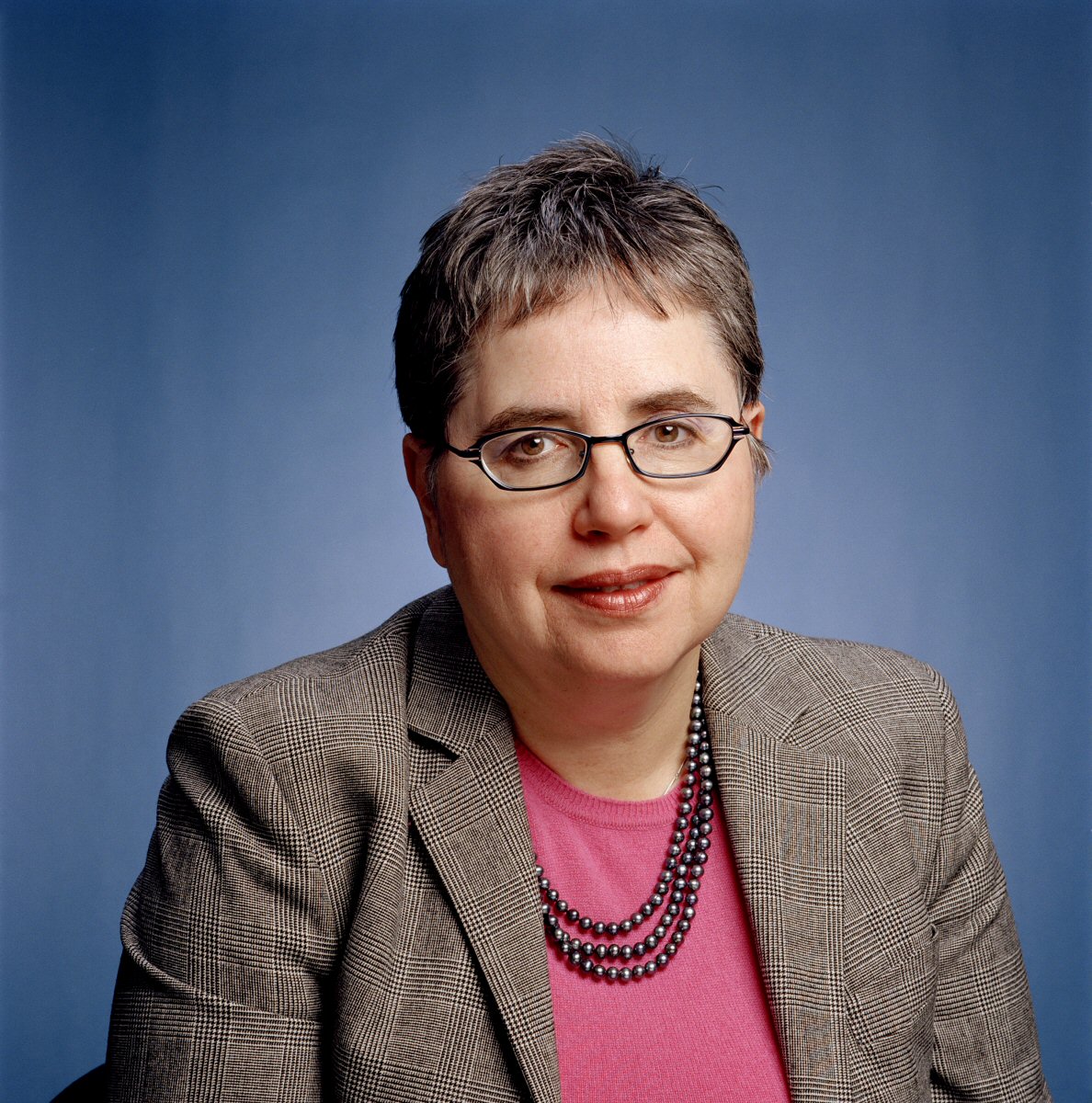
About the Author

Martha Brill Olcott

Former Senior Associate, Russia and Eurasia Program and, Co-director, al-Farabi Carnegie Program on Central Asia

Olcott is professor emerita at Colgate University, having taught political science there from 1974 to 2002. Prior to her work at the endowment, Olcott served as a special consultant to former secretary of state Lawrence Eagleburger.

    Recent Work

  • In The Media
    After Crimea: Will Kazakhstan be Next in Putin’s Reintegration Project?

      Martha Brill Olcott

  • Article
    China’s Unmatched Influence in Central Asia

      Martha Brill Olcott

Martha Brill Olcott
Former Senior Associate, Russia and Eurasia Program and, Co-director, al-Farabi Carnegie Program on Central Asia
Martha Brill Olcott
SecurityCentral AsiaKyrgyz Republic

Carnegie does not take institutional positions on public policy issues; the views represented herein are those of the author(s) and do not necessarily reflect the views of Carnegie, its staff, or its trustees.

More Work from Malcolm H. Kerr Carnegie Middle East Center

  • Commentary
    Carnegie Politika
    Baku Proceeds With Caution as Ethnic Azeris Join Protests in Neighboring Iran

    Baku may allow radical nationalists to publicly discuss “reunification” with Azeri Iranians, but the president and key officials prefer not to comment publicly on the protests in Iran.

      Bashir Kitachaev
  • Commentary
    Diwan
    Beirut Can Do More on Tom Barrack’s Proposal

    In addressing Hezbollah’s disarmament, the Lebanese state must start by increasing its own leverage.

      Michael Young
  • Commentary
    Diwan
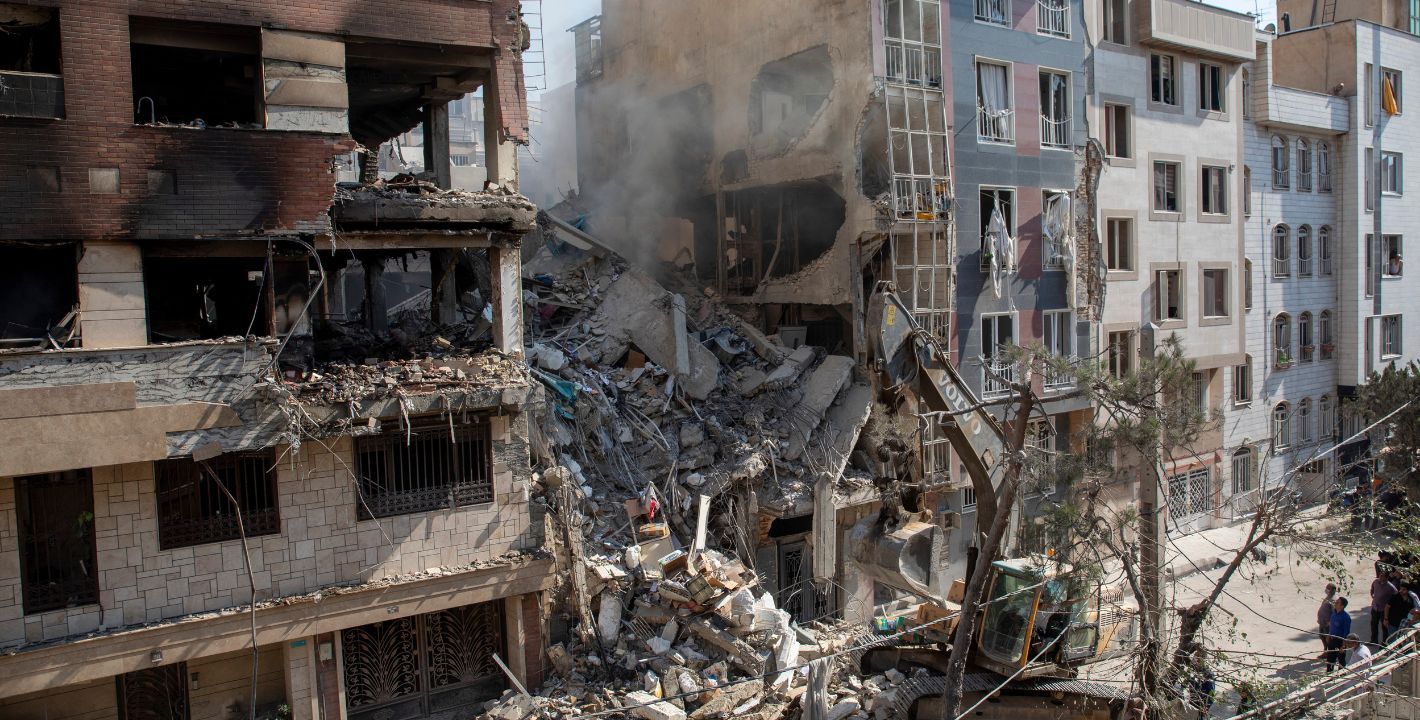
    Iran After the Battle

    The country’s political and military establishment is still debating how to interpret the recent war’s outcome.
      • Nicole Grajewski Profile Picture

      Nicole Grajewski

  • Commentary
    Diwan
    The United States Has Attacked Iran’s Nuclear Facilities

    Spot analysis from Carnegie scholars on events relating to the Middle East and North Africa.

      Mohanad Hage Ali
  • Commentary
    Diwan
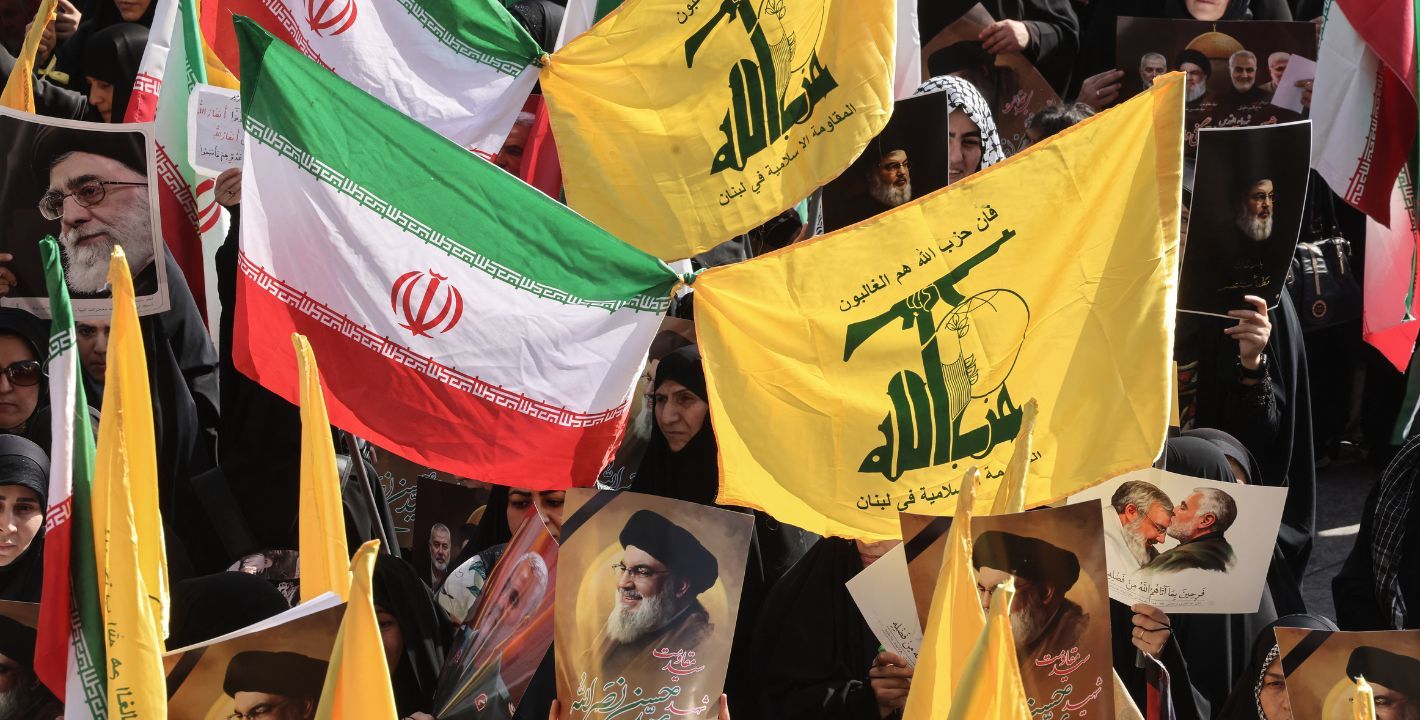
    Hezbollah’s Israeli-Iranian Quandary

    Will the party remain bound to Iran or prioritize its organizational survival and the needs of Lebanon’s Shiite population?

      Mohanad Hage Ali

Get more news and analysis from
Malcolm H. Kerr Carnegie Middle East Center
Carnegie Middle East logo, white
  • Research
  • Diwan
  • About
  • Experts
  • Projects
  • Events
  • Contact
  • Careers
  • Privacy
  • For Media
Get more news and analysis from
Malcolm H. Kerr Carnegie Middle East Center
© 2026 Carnegie Endowment for International Peace. All rights reserved.