

Research
- +10
Rosa Balfour, Frances Z. Brown, Yasmine Farouk, …
{
  "authors": [
    "Moisés Naím"
  ],
  "type": "legacyinthemedia",
  "centerAffiliationAll": "",
  "centers": [
    "Carnegie Endowment for International Peace"
  ],
  "collections": [],
  "englishNewsletterAll": "",
  "nonEnglishNewsletterAll": "",
  "primaryCenter": "Carnegie Endowment for International Peace",
  "programAffiliation": "",
  "programs": [],
  "projects": [],
  "regions": [
    "North America",
    "South America"
  ],
  "topics": [
    "Economy"
  ]
}
Source: Getty
With Brazil’s boom turning into a bubble, policy makers must act now to cool the economy before financial markets impose the necessary corrections in a more brutal way.
Source: Financial Times

It is a reasonable question because there is no doubt that Brazil’s economy is overheating. And while its economic successes have not yet resulted in a financial bubble, they soon could. Paradoxically, it is the reasons for the country’s success that are now the most important sources of concern.
During the past five years, credit has grown enormously and is now as large as 45 per cent of the economy. Brazilians have therefore been able to borrow money, many for the first time, to buy homes, motorcycles, refrigerators and other consumer goods. They do not seem to mind that the interest rates on these loans are the second highest in the world, or that Brazilian families today devote a fifth of their income to paying off their debts.
This credit and consumer boom is, of course, partly driven by the millions of new jobs and higher wages that have come from the economic upswing. Many wealthier economies shrank during the global financial crisis, but Brazil grew 5 per cent, rising to 7.5 per cent in 2010. Unemployment has fallen to the lowest level in decades, and in many sectors companies cannot find the workers they need. The high world prices of minerals and agricultural products, which Brazil exports, have fuelled this expansion.
International investors are also increasingly besotted. Foreign direct investment grew 90 per cent last year: a flood of money, attracted by high interest rates, that has forced the government to consider controls on capital. But these flows of foreign capital and export revenues have filled Brazil’s coffers too, pushing up its currency. The exchange rate, adjusted for inflation, is now 47 per cent higher than its average rate over the past decade, making the Brazilian real the most overvalued currency in the world.
Inevitably, this combination of a strong currency, foreign investor euphoria, increased consumption and bottlenecks that stifle the ability to respond to the growing demand make everything more expensive. Indeed, while Brazil remains a very poor nation, it is currently one of the most expensive in the world. Housing prices in Rio de Janeiro and São Paulo have nearly doubled since 2008. Renting offices in Rio is becoming more expensive than New York, while the salaries of executives in São Paulo are higher than London. Inflation is rising so quickly that Dilma Rousseff has declared it her main concern as president.
Take all this together, and it begins to look not just overheated, but worryingly like the beginnings of a bubble. And while Brazil’s progress and potential are not an illusion, its economy still rests on unsustainable features. Neither credit nor public spending can keep growing at their current pace. Former president Luiz Inácio Lula da Silva postponed a number of important structural reforms, such as raising Brazil’s retirement ages – currently among the lowest in the world. State infrastructure investment is also a meagre 1.5 per cent, compared with 12 per cent in China. All of this explains why the Brazilian economy is overheating, even though it is only likely to grow at a reasonable 4.5 per cent this year. The sobering fact remains that decrepit infrastructure makes Chinese-style growth of 10 per cent or higher unattainable. For now, the priority must be simply to stabilise the economy, before the bubble expands.
This means Ms Rousseff has a choice. She can take measures today to turn down the heat under her country’s economy, even if they involve politically unpopular decisions, such as reducing consumption growth. Or she can wait and see if small and gradual reforms will do the job. They won’t. In the meantime, investor sentiment could change in a heartbeat and bring the Brazilian boom to a sudden stop. This has been seen in emerging markets before – from Mexico and Russia to the fast-growing Asian economies. The danger is that Ms Rousseff does not act now and financial markets will in time impose the necessary corrections in a more brutal way. Exuberance and complacency are the two enemies threatening Brazil’s current success.

Distinguished Fellow
Moisés Naím is a distinguished fellow at the Carnegie Endowment for International Peace, a best-selling author, and an internationally syndicated columnist.
Recent Work



Rosa Balfour, Frances Z. Brown, Yasmine Farouk, …
Moisés Naím
Carnegie does not take institutional positions on public policy issues; the views represented herein are those of the author(s) and do not necessarily reflect the views of Carnegie, its staff, or its trustees.

The armed forces champion a form of capitalism that is generating revenue, but its reliance on rent faces diminishing returns, leaving the country with massive sunk costs and deferred returns, deepening dependency on external borrowing.

Yezid Sayigh
In an interview, Ishac Diwan looks at the merits and flaws in the draft legislation distributing losses from the financial collapse.

Michael Young
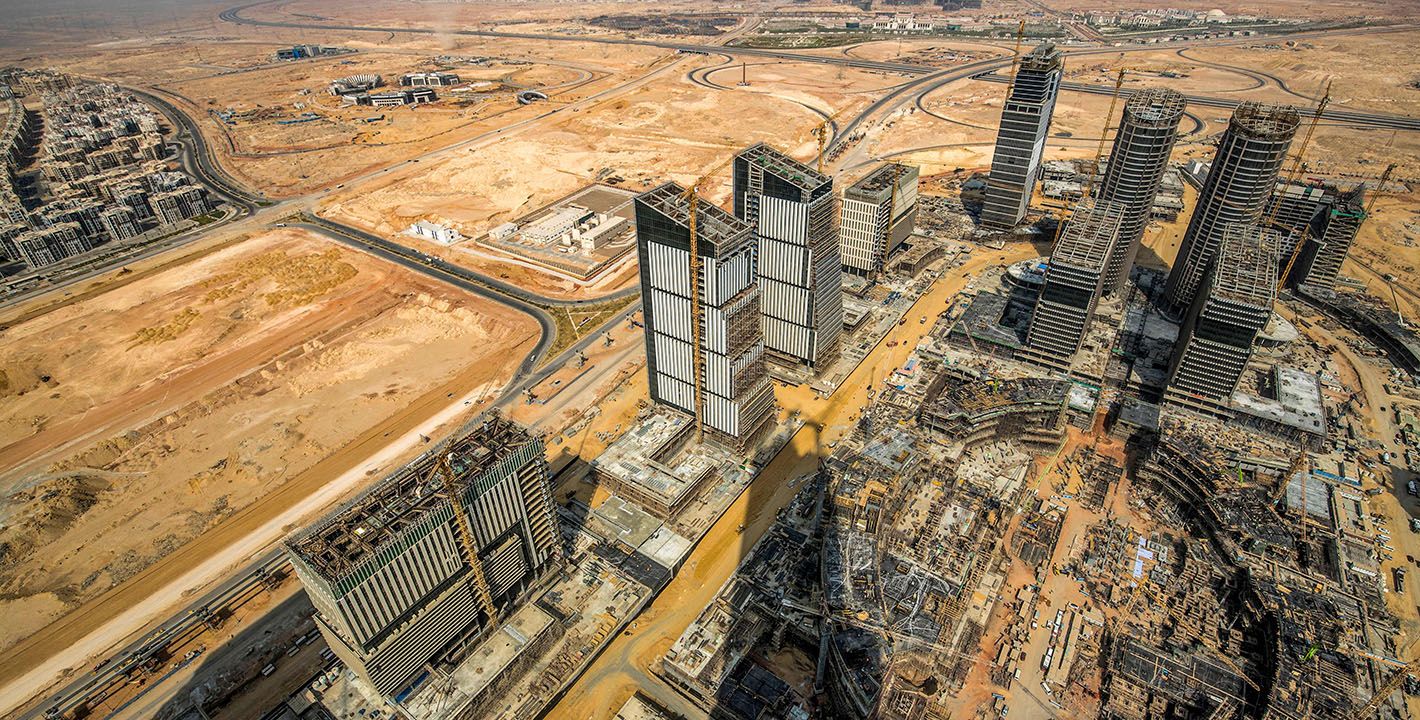
Mustaqbal Misr has expanded its portfolio with remarkable speed, but a lack of transparency remains.
Yezid Sayigh
Arab diaspora business communities in Egypt often mirror the same systemic challenges facing Egyptian businesses.

Nur Arafeh, Yezid Sayigh, Qaboul al-Absi, …
Largely characterized thus far by a single-minded focus on extractivism, Riyadh must commit to greater equitability in its approach to investment and development deals with Sudan, Ethiopia, and Eritrea.
Hesham Alghannam