

Commentary
By failing to address Palestinian representation, the current process is bound to lead to just another temporary arrangement.
Nathan J. Brown
{
  "authors": [
    "Uri Dadush",
    "William Shaw"
  ],
  "type": "legacyinthemedia",
  "centerAffiliationAll": "",
  "centers": [
    "Carnegie Endowment for International Peace"
  ],
  "collections": [],
  "englishNewsletterAll": "",
  "nonEnglishNewsletterAll": "",
  "primaryCenter": "Carnegie Endowment for International Peace",
  "programAffiliation": "",
  "programs": [],
  "projects": [],
  "regions": [
    "North America",
    "United States",
    "South Asia",
    "India",
    "East Asia",
    "China"
  ],
  "topics": [
    "Economy",
    "Trade"
  ]
}
Source: Getty
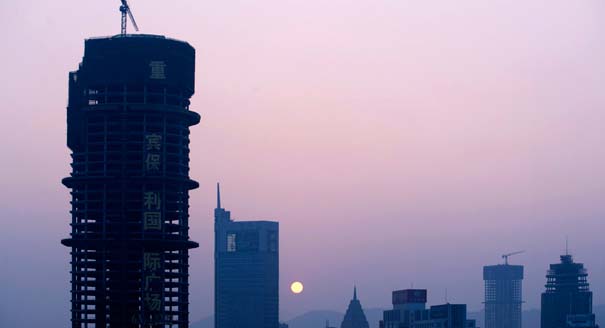
The fast rise of emerging economies brings an enormous opportunity to increase global prosperity, but also could generate dangerous conflicts. Global leaders must develop the means to mediate them.
Source: YaleGlobal

The rise of the emerging economic powers will reshape the world economy. GDP projections for the G20 nations – based on anticipated labor force growth, rates of investment and the speed of technological change – indicate that the global economy will more than triple in size by 2050. China, the United States and India – in that order – will emerge as the largest economies, and six of the seven largest economies will be drawn from today’s developing countries. More than 600 million people will emerge from poverty in the G20 alone, and an economically influential global middle and rich class will rise around the world, more than half located in developing countries.
Though developing countries will come to dominate the global economy, they will remain relatively poor. By 2050, China’s per capita income will be only 37 percent of the US level, and India’s just 11 percent, at market exchange rates. This dissociation between economic wealth and size will complicate the ability to reach international economic agreements, as relatively poor countries with growing influence are likely to have different perspectives on many issues from advanced countries. International institutions will need to adapt to reflect the emerging power relationships or gradually become marginalized. The recent promotion of the G20 over the G8 is just one signal that the power shift has already begun.
But this rapid progress is far from assured. The rise of the developing world will generate severe threats – from awakening the geopolitical tensions associated with great power transitions to increasing the risk of financial crisis and protectionist backlash. Higher living standards have already increased carbon emissions and heightened the potential for environmental disaster. And the rise of developing countries has made global cooperation to cope with all these issues more difficult. Copenhagen offers a good example. Meanwhile, the multilateral frameworks to facilitate it appear incapable of handling present challenges, not to mention the bigger ones to come.
As a result, the rise of developing countries will have profound implications for four main channels of globalization – trade, finance, migration and the global commons.
Developing countries will dominate global trade. Their share of global exports will rise from 30 percent today to 70 percent in 2050. Developed countries will become relatively less important as markets, developing countries will become the most important markets for developed countries, and trade among developing countries will grow. The comparative advantages among developing countries will shift, with Africa potentially taking the place of countries like China and India in low-wage manufactures. For example, other African countries will join Mauritius and South Africa as sources of manufactured exports.
The rise of developing countries will also present far-reaching opportunities in international finance: As their incomes rise, firms and individuals there will take advantage of international markets, while investors in advanced countries pounce on the opportunities their growth affords. However, the institutions and policy frameworks underpinning financial stability in developing countries are even less adequate than those of advanced countries, and developing countries are intrinsically more subject to volatility. Therefore, more than in trade, the rising weight of developing countries in finance will increase the potential for extremely costly systemic crises.
The pressures for increased migration will also build as 2050 approaches, particularly as populations in rich countries age and those in poorer countries especially in Africa, remain relatively young. But while barriers to global trade have largely fallen over the past 50 years, barriers to immigration have progressively increased during that time. In economic terms, this is perverse, as the gains from international migration surpass the gains from trade.
Conflicts surrounding the global commons – resources owned by no one but exploited by many – provide the most dramatic examples of the challenges that the rise of developing countries will pose for international cooperation. Depletion of fish stock in the oceans is a glaring example. These issues—from limiting climate change to maintaining air quality and avoiding the exhaustion of ocean resources—require cooperation within and among countries.
But such cooperation is becoming more challenging. The rapid growth and large populations of developing countries mean they are more active in exploiting resources, but their incomes, technological capabilities, political structures and social values differ greatly from those in advanced countries.
Though Sub-Saharan Africa has seen some progress lately, its low income means that it is a less influential driver than developing countries in Asia and South America. Many obstacles – from low savings rates to low productivity growth or weak governance – could hinder sustained progress.
At the same time, the rise of emerging economies will increase demand for Africa’s commodity exports and facilitate the diversification to manufactures. Whether Sub-Saharan African countries, home to about 900 million people, nearly half of whom live in absolute poverty, can take advantage of these new market opportunities – will be enormously important in human terms – even if Africa’s development does not critically affect the global economic shift toward developing countries.
Two principles, then, should guide efforts to achieve continued global growth and mitigate the serious risks presented by the rise of developing countries.
First, for better or for worse, the management of these historic forces will remain in the hands of sovereign nations – particularly the largest economies. Thus, global agreements – to limit climate change, expand the gains from migration, and avert financial crises, for example – will require the birth of a global conscience, that is, increased awareness within countries and their polities of how their fates are inextricably linked to global developments.
Second, current frameworks for international cooperation, which have contributed to economic progress since World War II, are no longer adequate to deal with the challenges to come. Global, consensus-based agreements – for example, current attempts to achieve the Doha trade round and restrain climate change – will either fail entirely or produce a lowest-common-denominator, and thus inadequate, result. The issues are too complex and the potential divergences too large for all countries to agree on everything, particularly as diversity among the major players increases. Instead, progress in global cooperation will require agreements among a critical mass of players on specific issues, with provisions to later include a broader group.
The rise of developing countries implies an enormous opportunity to bring hundreds of millions of people out of poverty and increase the prosperity of rich countries as well. But this will only occur if the global polity understands the substantial conflicts to come and develops the means to mediate them.

Former Senior Associate, International Economics Program
Dadush was a senior associate at the Carnegie Endowment for International Peace. He focuses on trends in the global economy and is currently tracking developments in the eurozone crisis.
Former Visiting Scholar, International Economics Program
Shaw was a visiting scholar in Carnegie’s International Economics Program. He is the co-author of Juggernaut: How Emerging Markets Are Reshaping Globalization.
Carnegie does not take institutional positions on public policy issues; the views represented herein are those of the author(s) and do not necessarily reflect the views of Carnegie, its staff, or its trustees.

By failing to address Palestinian representation, the current process is bound to lead to just another temporary arrangement.

Nathan J. Brown

The armed forces champion a form of capitalism that is generating revenue, but its reliance on rent faces diminishing returns, leaving the country with massive sunk costs and deferred returns, deepening dependency on external borrowing.

Yezid Sayigh

Morocco and Algeria, each in its own way, are having to navigate the global economic fallout of the U.S.-Israeli military campaign against Iran.

Yasmine Zarhloule
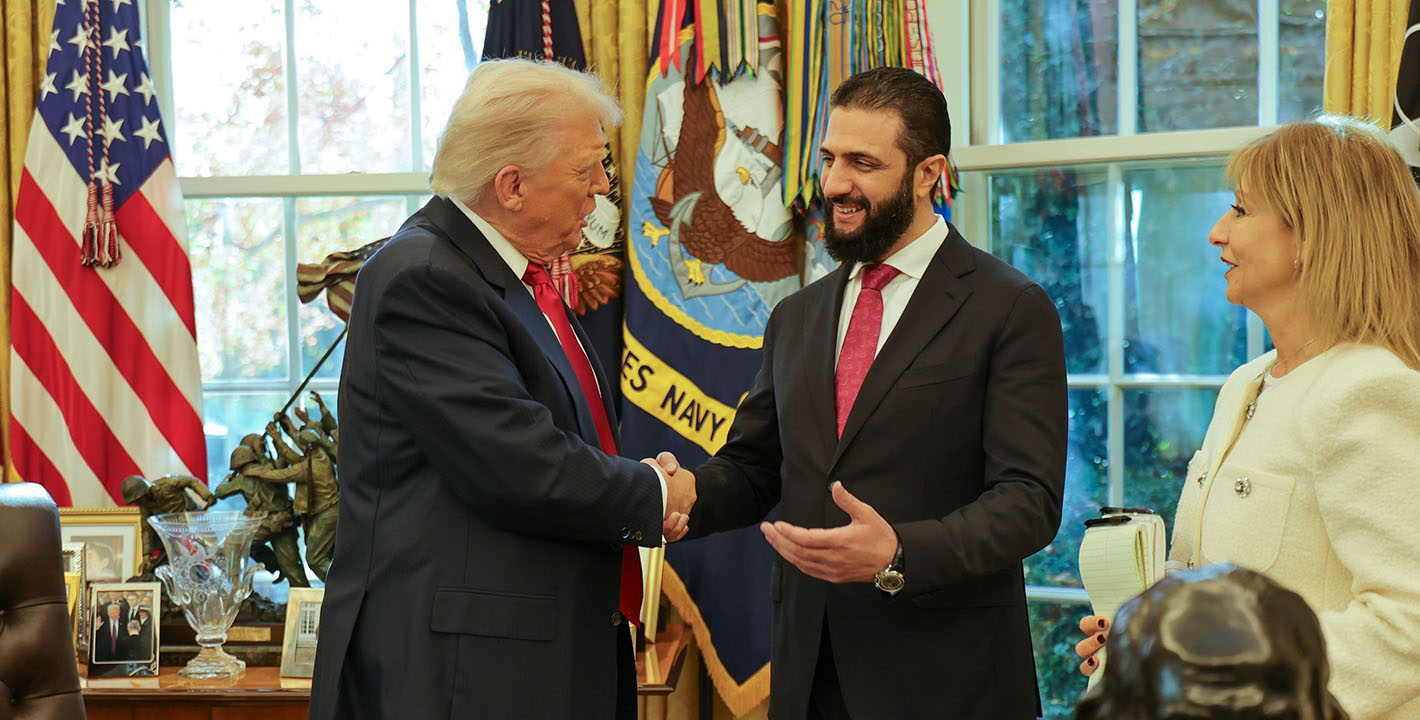
Any move by the United States to make good on Trump’s suggestion that Washington persuade Damascus to confront Hezbollah militarily would have catastrophic consequences.

Kheder Khaddour
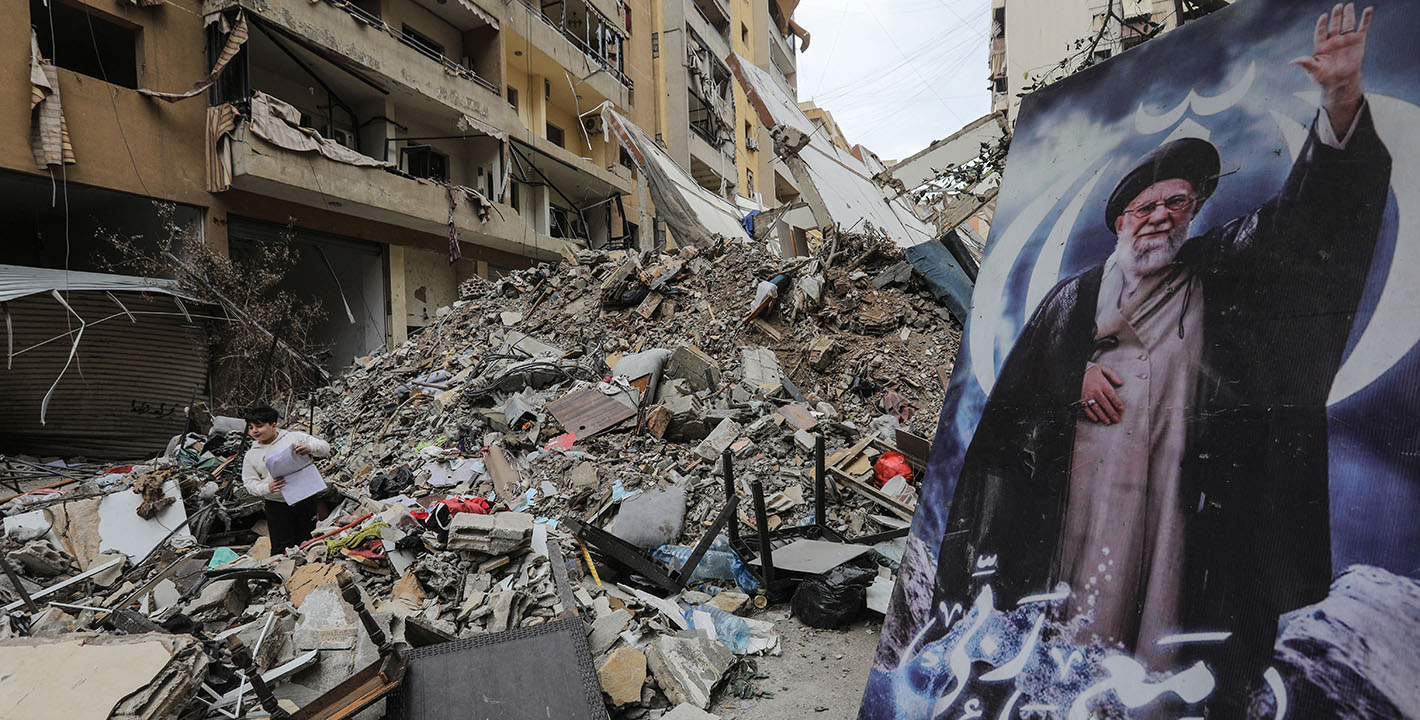
As talks begin between Washington and Tehran, Beirut has an opening to advance a regional plan for the party’s disarmament.

Michael Young