

Commentary
In an interview, Marc Lynch discusses his new book decrying the post-1990 U.S.-dominated order in the Middle East.
Michael Young
{
  "authors": [
    "James M. Acton",
    "Mark Hibbs"
  ],
  "type": "questionAnswer",
  "centerAffiliationAll": "dc",
  "centers": [
    "Carnegie Endowment for International Peace",
    "Carnegie Russia Eurasia Center"
  ],
  "collections": [],
  "englishNewsletterAll": "ctw",
  "nonEnglishNewsletterAll": "",
  "primaryCenter": "Carnegie Endowment for International Peace",
  "programAffiliation": "NPP",
  "programs": [
    "Nuclear Policy"
  ],
  "projects": [],
  "regions": [
    "East Asia",
    "Japan"
  ],
  "topics": [
    "Nuclear Policy",
    "Nuclear Energy"
  ]
}
Source: Getty
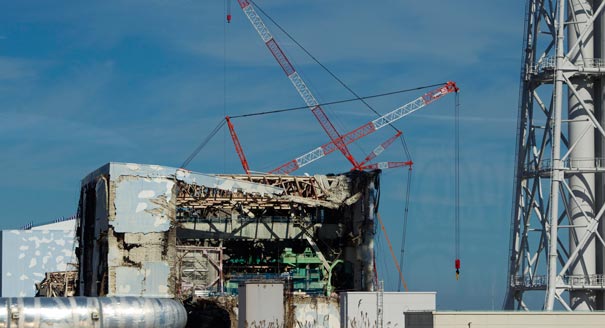
Three months after Japan's devastating earthquake and tsunami, the extent of the country's nuclear crisis is becoming clearer.
Three months after Japan’s devastating earthquake and tsunami, the extent of the country’s nuclear crisis is becoming clearer. In a new Q&A, James Acton and Mark Hibbs detail the latest information available about the Fukushima Daiichi plant at the center of Japan's nuclear emergency and analyze how the crisis will impact the use of nuclear energy around the world.
Yes. It is now clear that the accident became more serious, more quickly than could be confirmed at the time. Reactor units 1, 2, and 3 are all believed to have suffered extensive meltdowns in which much—or perhaps virtually all—of the fuel in their cores melted. Moreover, this appears to have happened quickly. On June 6, Japan’s nuclear regulator, the Nuclear and Industrial Safety Agency (NISA), released the results of an analysis suggesting that the meltdown in unit 1 occurred just five hours after the earthquake. If this is true, it would be roughly consistent with what happened during the Three Mile Island accident in the United States in 1979. In Three Mile Island unit 2, a larger reactor than Fukushima Daiichi units 1 to 3, about half of the fuel in the core melted within approximately four hours after the accident started.
The melting fuel at Fukushima apparently caused significant damage to the pressure vessels surrounding the cores of these three reactors, and, unlike at Three Mile Island, may have melted through the vessels in some cases. In addition, according to the owner and operator of the plant, Tokyo Electric Power Co. (Tepco), it appears that within the first 24 hours the high temperatures and pressures generated by overheating fuel also damaged the reactor containments (the reinforced structures surrounding the pressure vessels) at units 1 and 3, resulting in a loss of integrity and permitting radiation from uncovered and melting fuel to escape into the environment.
Fortunately, releases of radioactivity into the environment have not reached the worst-case estimates. Nonetheless, the quantity of radiation released has still been very large—estimated, so far, at about 15 percent of the amount of radiation released by the 1986 Chernobyl accident.
Unfortunately, there is still a real possibility of further significant releases of radioactivity into the environment. The water being pumped into the reactors to cool the cores—about 500 tons a day—is accumulating in various underground structures around the site. If remedial action is not taken, Tepco estimates that this water will start to overflow into the Pacific Ocean on June 20.
To prevent this, Tepco hopes to start operating a French-built water treatment facility on June 15. This facility will be capable of processing about 1,200 tons of water a day—enough to prevent an overflow and to slowly reduce underground accumulations. But the schedule is clearly tight and almost any delay could lead to radioactive water spilling into the ocean. Tepco is also working to build a large underground tank for holding radioactive water, but this will not be completed until August.
On April 17, Tepco released a “roadmap” for bringing the plant under control within six to nine months. This plan involved flooding the reactors’ containments with water and also installing new cooling systems. By mid-May, however, it had become clear that the primary containment vessels in all three units were too damaged to hold water, forcing Tepco to abandon plans to flood the reactors.
Tepco released a revised roadmap exactly a month later. To bring the plants into “cold shutdown,” Tepco plans to install new cooling systems. Although the revised plan did not alter the timeframe for bringing the plants under control, it is looking increasing unlikely that cold shutdown will be achieved this year. High levels of radioactivity around the site—including from the estimated 110,000 tons of radioactive water that have now accumulated—are making remediation work extremely difficult.
In the longer term, Japanese authorities will face the task of cleaning and managing contaminated areas surrounding the plant. The process could take decades to complete and the total cost is almost certain to run into the tens of billions of dollars.
In late May, the International Atomic Energy Agency (IAEA) sent a “fact finding” mission to Japan. The preliminary summary of their report essentially concludes that the accident was a failure of regulation and design, not of operation.
The report gives considerable praise to plant operators. It states that “dedicated, determined, and expert staff” took “the best approach to securing safety given the exceptional circumstances.” It also complements the Japanese government’s efforts to prevent public harm as “impressive and extremely well organized.”
By contrast, the report leaves little doubt that the IAEA team believes fault lies with the regulators and designers, even though it does not blame them explicitly. The report states that “the tsunami hazard for several sites was underestimated.” And, in a thinly veiled criticism of the fact that NISA is part of the ministry responsible for promoting nuclear energy, the report recommends that “nuclear regulatory systems…should ensure that regulatory independence and clarity of roles are preserved in all circumstances.”
The IAEA mission was also informed that there were problems in the interaction between Tepco and the central government and that these appeared to inhibit swift and effective emergency response during the critical initial stage of the accident. In Japan, like in the United States and other advanced nuclear countries, the power plant operator is squarely responsible for accident management and mitigation. But it appeared to visiting IAEA experts that Japan’s central government authorities micromanaged the response to the Fukushima accident during its early stages.
Even before Fukushima, very few new nuclear reactors were due to be built in the United States. Without a price on carbon to make nuclear power competitive with fossil fuels, few utilities were able to raise the capital for building new reactors at sufficiently attractive rates—even in spite of the offer of loan guarantees from the federal government. The Fukushima accident will likely make raising capital even harder. Notably, on April 19, the utility company NRG announced that it was suspending plans to build two new units in South Texas, because it could not “justify to [its] shareholders any further financial participation in the development.”
U.S. regulators can be expected to reconsider plans by some reactor owners to extend the lifetimes of older units, and to pay greater attention to how severe accidents should be managed and mitigated. Within two months after Fukushima, tornadoes and heavy storms in the United States caused temporary power outages at six nuclear power plants—serving as a warning that severe nuclear accidents can happen anywhere.
The most significant impact of the Fukushima accident on energy policy has been seen in Germany. After Chernobyl, public opposition to nuclear power in Germany was strong. And in 2001, the federal government, including the anti-nuclear Green Party, passed legislation to phase out nuclear power completely. More recently, however, a government of pro-nuclear parties elected in 2009 and led by Chancellor Angela Merkel permitted Germany’s oldest reactors to operate a few years longer.
The Fukushima accident immediately touched off a fresh wave of opposition to nuclear power in Germany. Merkel responded by reversing her government’s position on nuclear energy. Following this, all five parties in parliament committed to terminating nuclear power generation in Germany by 2022.
India and China are probably the two most important markets for nuclear power. China announced a pause in approvals for new plants while it conducts a safety review. However, its long-term policy of nuclear expansion is unchanged. For instance, the nuclear safety director at China’s Environmental Protection Ministry, Tian Jiashu, has said that “we're not going to stop eating for fear of choking.” Chinese central electricity supply planners now forecast that Fukushima-related delays in approvals and reactor construction in China will reduce the total nuclear generating capacity in 2020 by 10 gigawatts—representing about 10 reactors—compared to an originally anticipated 80 GW. India is also reviewing plant safety and plans to restructure its operator—but has likewise vowed to press on with nuclear expansion.
Elsewhere, a few countries—Peru, Switzerland, and perhaps Thailand—will be deterred from deploying new reactors after what happened at Fukushima. Others have reacted with caution because they have no alternative plans at this point for meeting the challenge of producing more electricity without increasing their carbon emissions.
There are also no dramatic changes to Japan’s plans for more nuclear power, but the true impact of Fukushima on the country’s nuclear program will be felt over the coming months and years. During this time, prefectural governors will decide whether the country’s power reactors are safe enough to continue routine operation and whether to give permission for the construction of new units.
Before Fukushima, as many as 50 countries worldwide—including many developing economies—had announced ambitious plans to deploy nuclear power reactors in the coming years. Nearly all of these countries remain steadfast in their resolve after the accident. But many of these plans deserve a rethink. The IAEA’s preliminary findings underscore concern that in a country without Japan’s extensive resources, decades of experience, technical know-how, and highly dedicated personnel, a similar accident could have had far graver consequences.
It bears emphasizing, however, that since Fukushima Daiichi is yet to be brought under control, it is probably too early to say anything definitive about the future of nuclear energy. Especially in Europe—but perhaps also in Asia—a great deal may depend on how long it takes Japan to successfully bring the Fukushima reactors to a stable state.

Jessica T. Mathews Chair, Co-director, Nuclear Policy Program
Acton holds the Jessica T. Mathews Chair and is co-director of the Nuclear Policy Program at the Carnegie Endowment for International Peace.

Nonresident Senior Fellow, Nuclear Policy Program
Hibbs is a Germany-based nonresident senior fellow in Carnegie’s Nuclear Policy Program. His areas of expertise are nuclear verification and safeguards, multilateral nuclear trade policy, international nuclear cooperation, and nonproliferation arrangements.
Carnegie does not take institutional positions on public policy issues; the views represented herein are those of the author(s) and do not necessarily reflect the views of Carnegie, its staff, or its trustees.
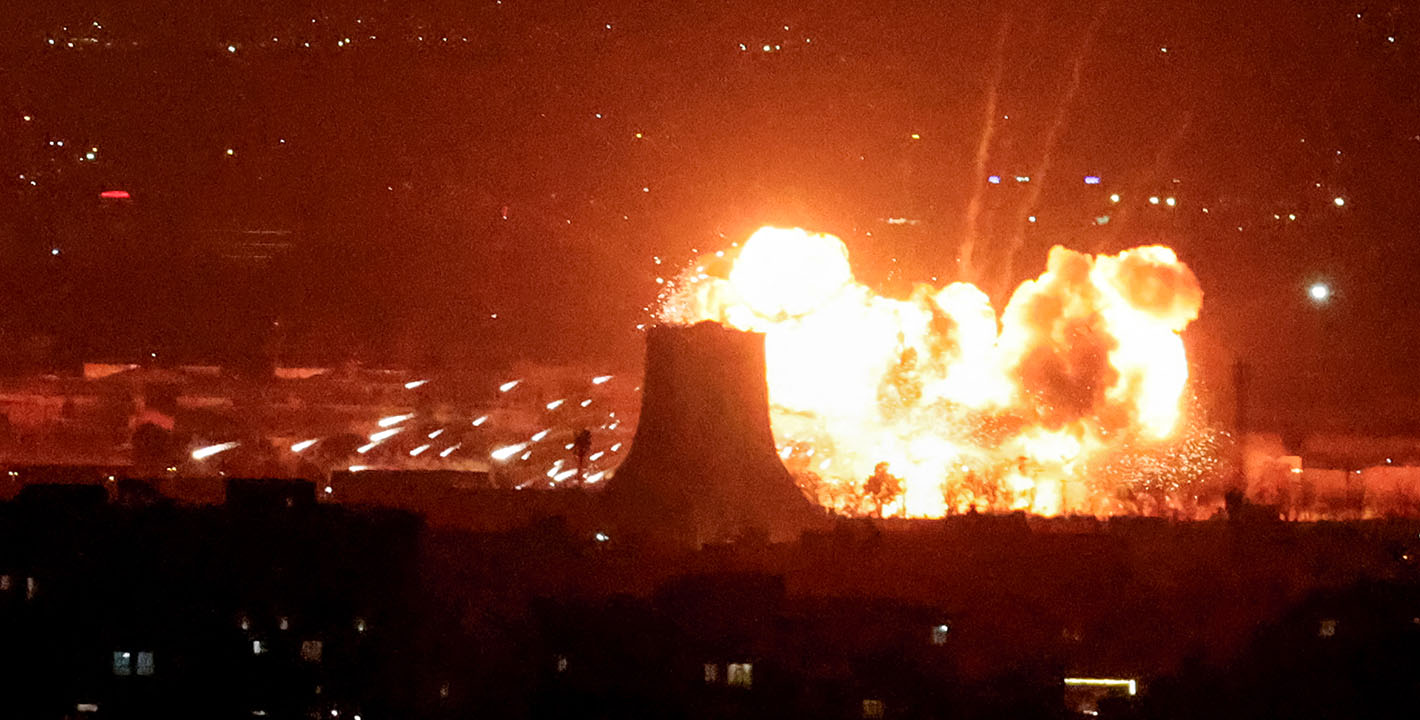
In an interview, Marc Lynch discusses his new book decrying the post-1990 U.S.-dominated order in the Middle East.

Michael Young
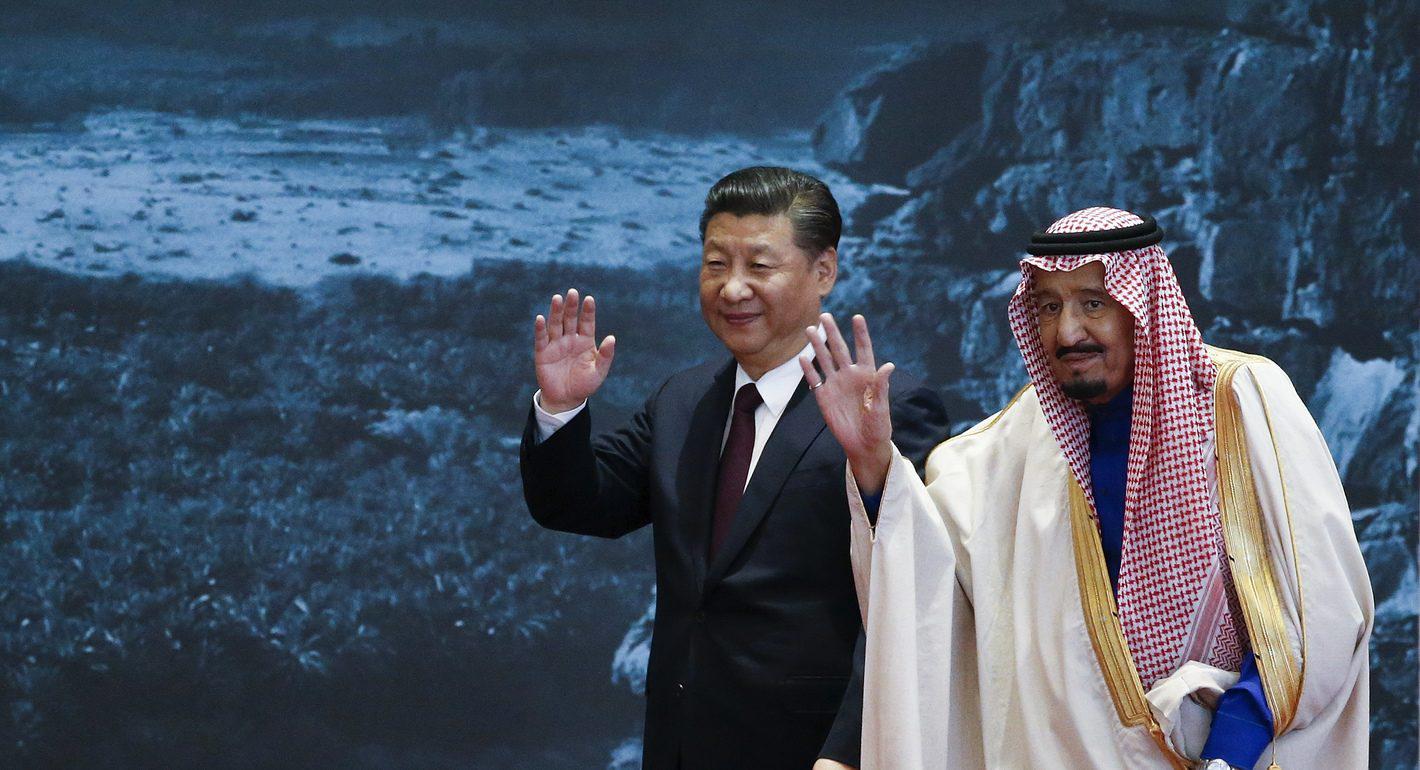
The advantage that China has over other global powers, especially America, is that its foreign policy is closely aligned with those of many of the Middle Eastern countries.


Jin Liangxiang, Maha Yahya, Hesham Alghannam
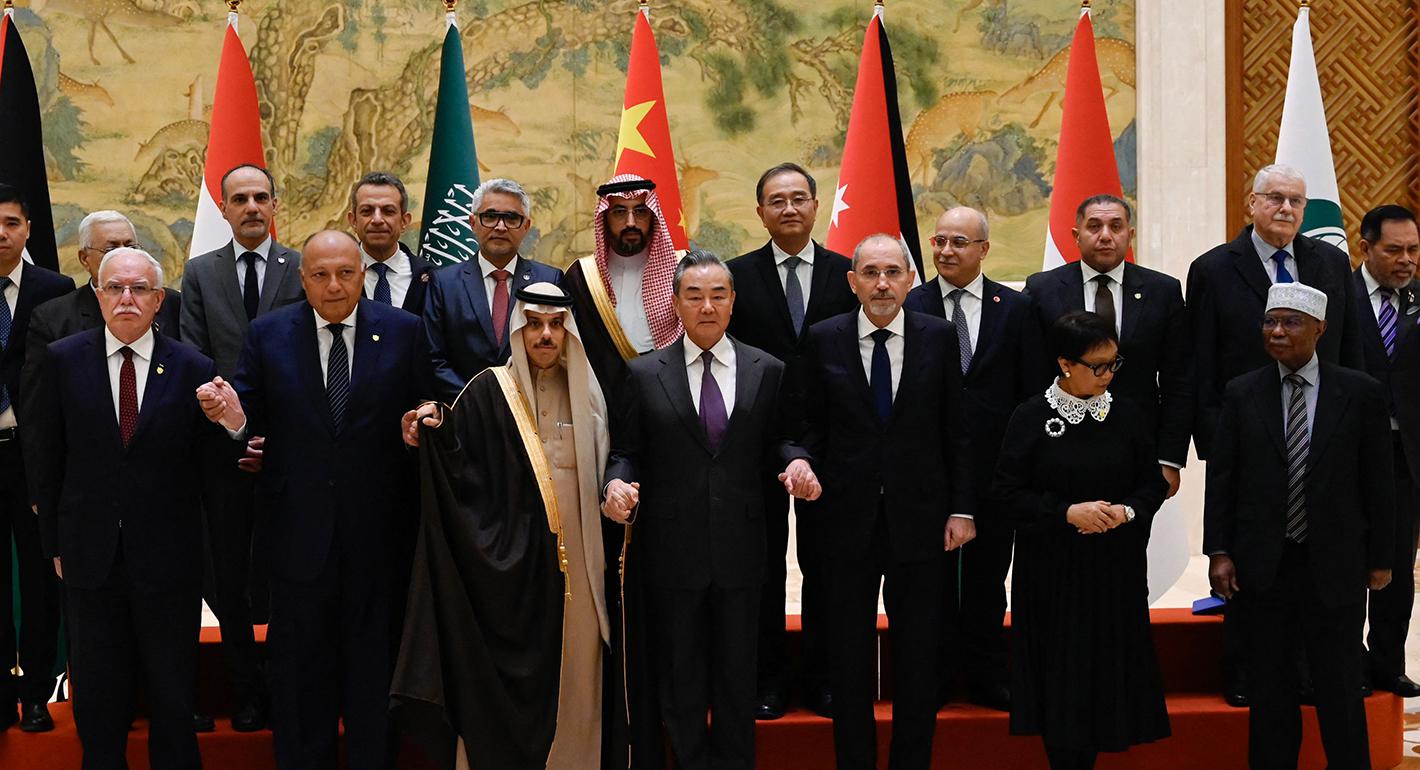
To create an environment more conducive to cooperation and development, U.S. and Chinese efforts should seek the endorsement of neighboring countries and regional organizations. Otherwise, regional and geopolitical rivalries will remain barriers.

Abdullah Baabood
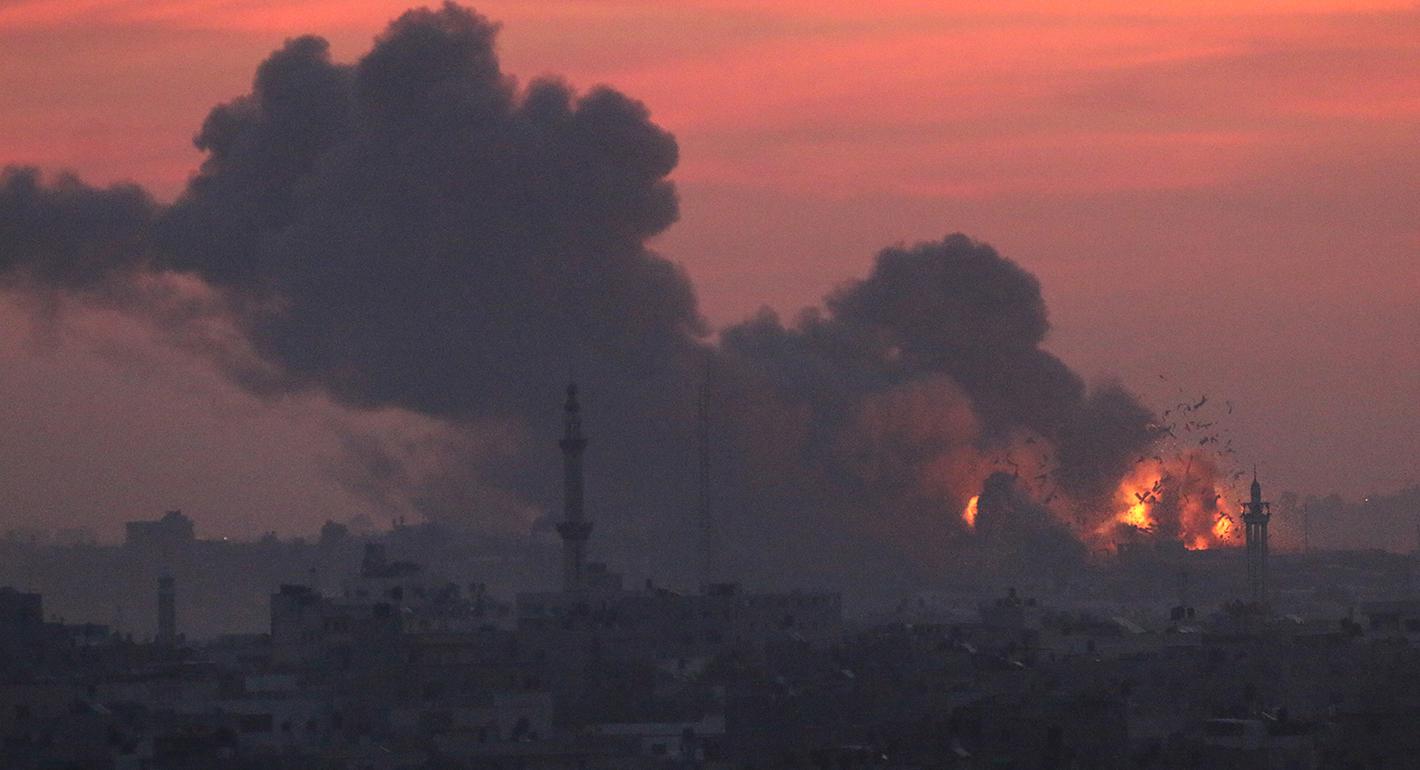
Scholars from Carnegie’s global network comment on how the ongoing conflict between Israelis and Palestinians is affecting their areas of interest, and what the implications of this may be.


Maha Yahya, Rosa Balfour, Judy Dempsey, …

In an interview, Abdullah Baabood discusses Beijing’s evolving role in the Gulf region, where its priority is stability.
Michael Young