

Commentary
In an interview, Rozina Ali discusses her new book on the rise and manifestations of Islamophobia in the United States.
Michael Young
{
  "authors": [
    "Deborah Gordon",
    "Daniel Sperling"
  ],
  "type": "legacyinthemedia",
  "centerAffiliationAll": "dc",
  "centers": [
    "Carnegie Endowment for International Peace",
    "Carnegie Europe"
  ],
  "collections": [],
  "englishNewsletterAll": "ctw",
  "nonEnglishNewsletterAll": "",
  "primaryCenter": "Carnegie Endowment for International Peace",
  "programAffiliation": "SCP",
  "programs": [
    "Sustainability, Climate, and Geopolitics"
  ],
  "projects": [
    "Carnegie Oil Initiative"
  ],
  "regions": [
    "North America",
    "United States",
    "South Asia",
    "India",
    "East Asia",
    "China",
    "Western Europe"
  ],
  "topics": [
    "Economy",
    "Climate Change"
  ]
}
Source: Getty
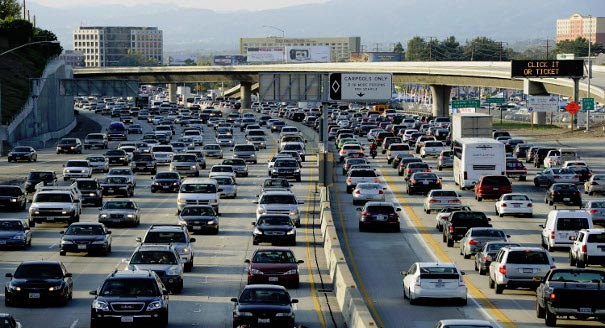
Emerging countries must decide if they want to follow developed, auto-dependent nations down an unsustainable path or if they will instead transform their national transportation system to encourage environmentally and economically sound choices.
Source: European Financial Review

We are at a critical crossroad. The global proliferation of vehicles presents many risks and opportunities. One seemingly easy way forward is to adopt last-century approaches that seek to accommodate the high demand for vehicles through cheap oil, free roads, sprawled development, and subsidized home ownership. A preferred alternative course beckons, however, one that promises new, low-carbon, location-efficient, economically productive mobility. Government, industry, and consumers—especially in emerging economies—can reinvent transportation models and employ innovative solutions to avoid a foreboding car monoculture.
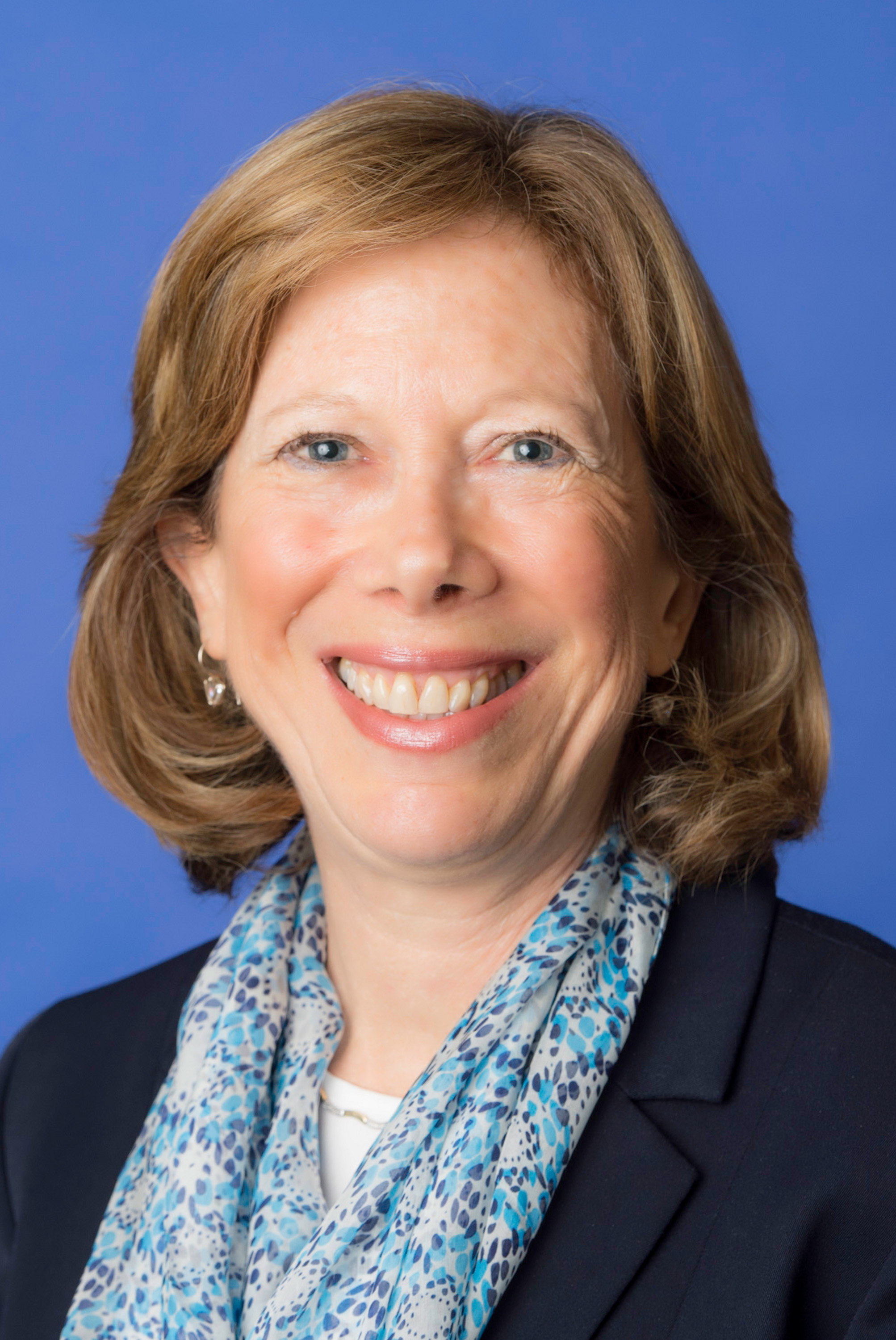
Former Director and Senior Fellow, Energy and Climate Program
Gordon was director of Carnegie’s Energy and Climate Program, where her research focuses on oil and climate change issues in North America and globally.
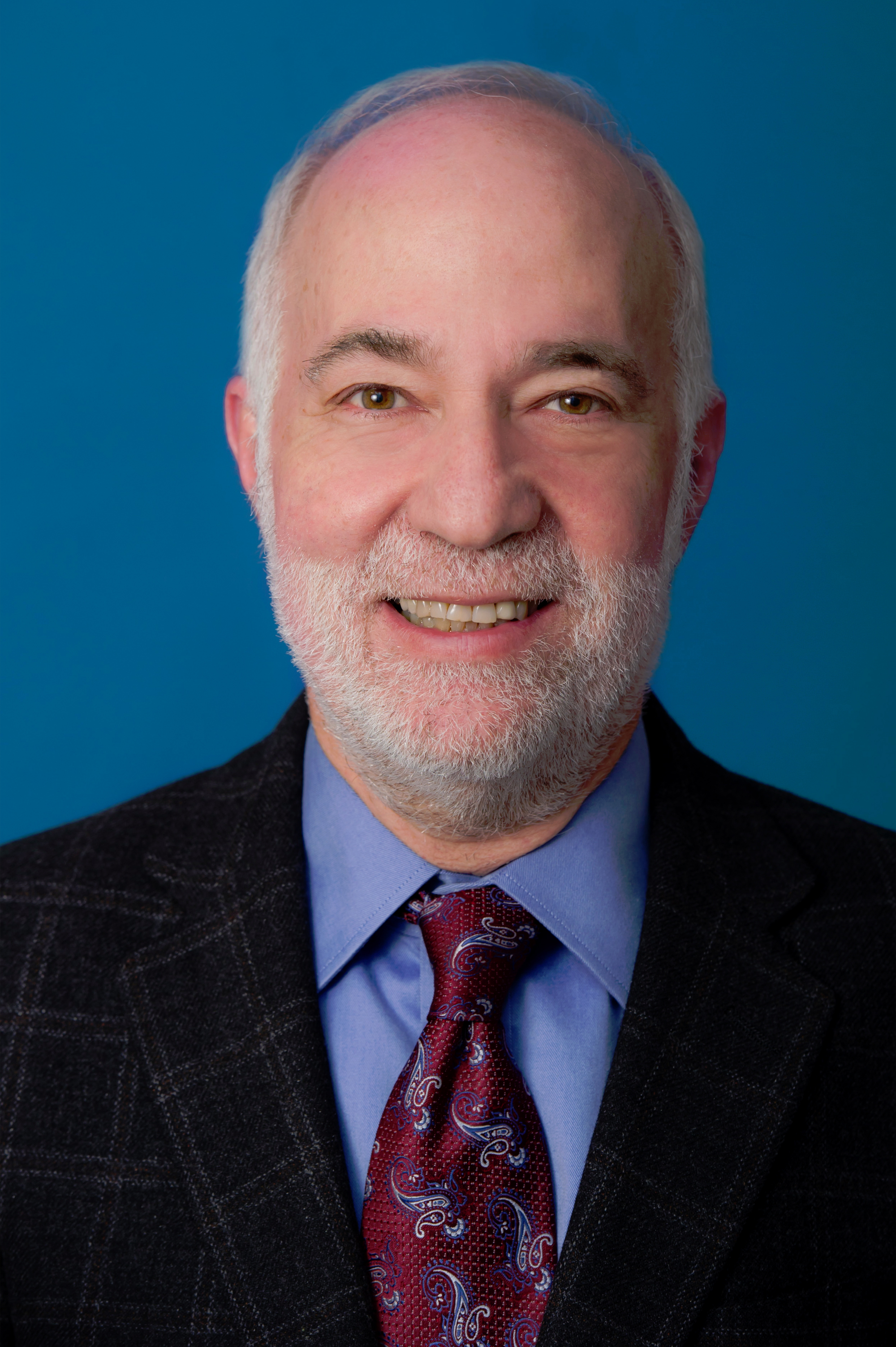
Former Visiting Scholar , Energy and Climate Program
Sperling was a visiting scholar in the Energy and Climate Program at the Carnegie Endowment. He is professor of civil engineering and environmental science and policy at the University of California, Davis. He is also founding director of the university’s Institute of Transportation Studies.
Carnegie does not take institutional positions on public policy issues; the views represented herein are those of the author(s) and do not necessarily reflect the views of Carnegie, its staff, or its trustees.

In an interview, Rozina Ali discusses her new book on the rise and manifestations of Islamophobia in the United States.

Michael Young

In an interview, Ian Lustick and Eli Clifton discuss their new book on why a prominent ally has so much influence in America.
Michael Young

As the U.S. stumbles in its war with Iran, we are likely to see an acceleration of its disengagement from the region.
Michael Young

Middle Eastern states should welcome an accelerated U.S. disengagement from their region.
Michael Young

In an interview, former ambassador Charles Freeman assesses the Trump administration’s war against Iran.
Michael Young