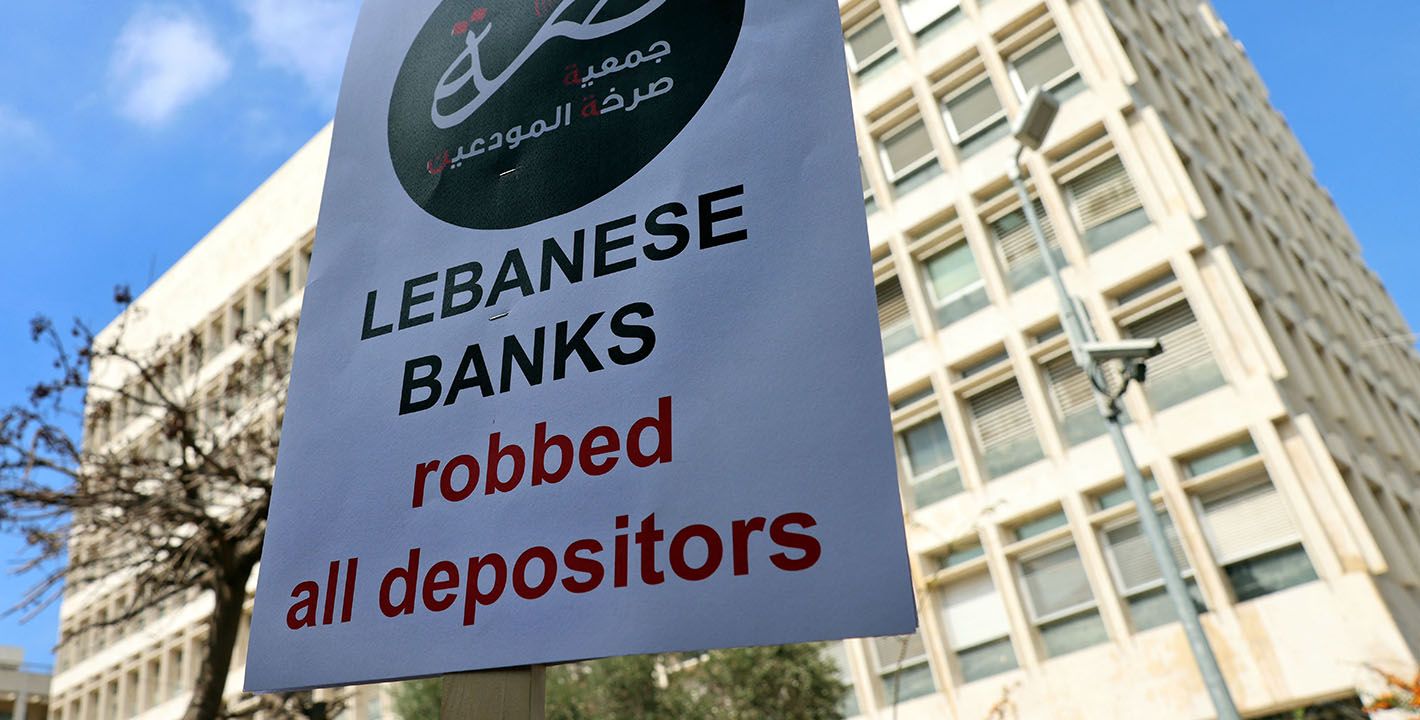

In an interview, Ishac Diwan looks at the merits and flaws in the draft legislation distributing losses from the financial collapse.
Michael Young
{
"authors": [
"Dmitri Trenin",
"Feng Shaolei"
],
"type": "legacyinthemedia",
"centerAffiliationAll": "",
"centers": [
"Carnegie Endowment for International Peace",
"Carnegie China",
"Carnegie Russia Eurasia Center"
],
"collections": [
"China’s Foreign Relations"
],
"englishNewsletterAll": "",
"nonEnglishNewsletterAll": "",
"primaryCenter": "Carnegie Russia Eurasia Center",
"programAffiliation": "",
"programs": [],
"projects": [
"Eurasia in Transition"
],
"regions": [],
"topics": [
"Economy"
]
}Source: Getty
The balance in Sino-Russian economic relations has shifted heavily in favor of the Chinese, and Moscow’s long-term strategy toward China will likely seek to make their relationship more equal.
Source: China Radio International's People In the Know

Trenin pointed out that over the last several decades, the economic balance between the two nations has shifted heavily in favor of the Chinese. Whereas Russia was once an exporter of technology and machinery to its Asian neighbor, now the tables have turned, with Russian exports consisting mostly of raw materials. This worries Moscow, Trenin said. Indeed, as China invests in Russia’s Far East, Trenin posited that the Kremlin will be weary of “overexposure” to Chinese labor and investment, reluctant to leave itself vulnerable. Trenin argued that Moscow’s long-term strategy toward China will likely seek to make their relationship more equal.
Trenin recognized that China is an important economic and political partner for Russia, but Moscow is also seeking other partners in the region. While China, for example, is the key energy consumer in the region, Russia would benefit greatly from diversifying its energy exports to other major economies such as Japan and South Korea. All in all, Trenin assessed the relationship as good, but not exactly where the Russians would like it.
Carnegie does not take institutional positions on public policy issues; the views represented herein are those of the author(s) and do not necessarily reflect the views of Carnegie, its staff, or its trustees.
In an interview, Ishac Diwan looks at the merits and flaws in the draft legislation distributing losses from the financial collapse.
Michael Young
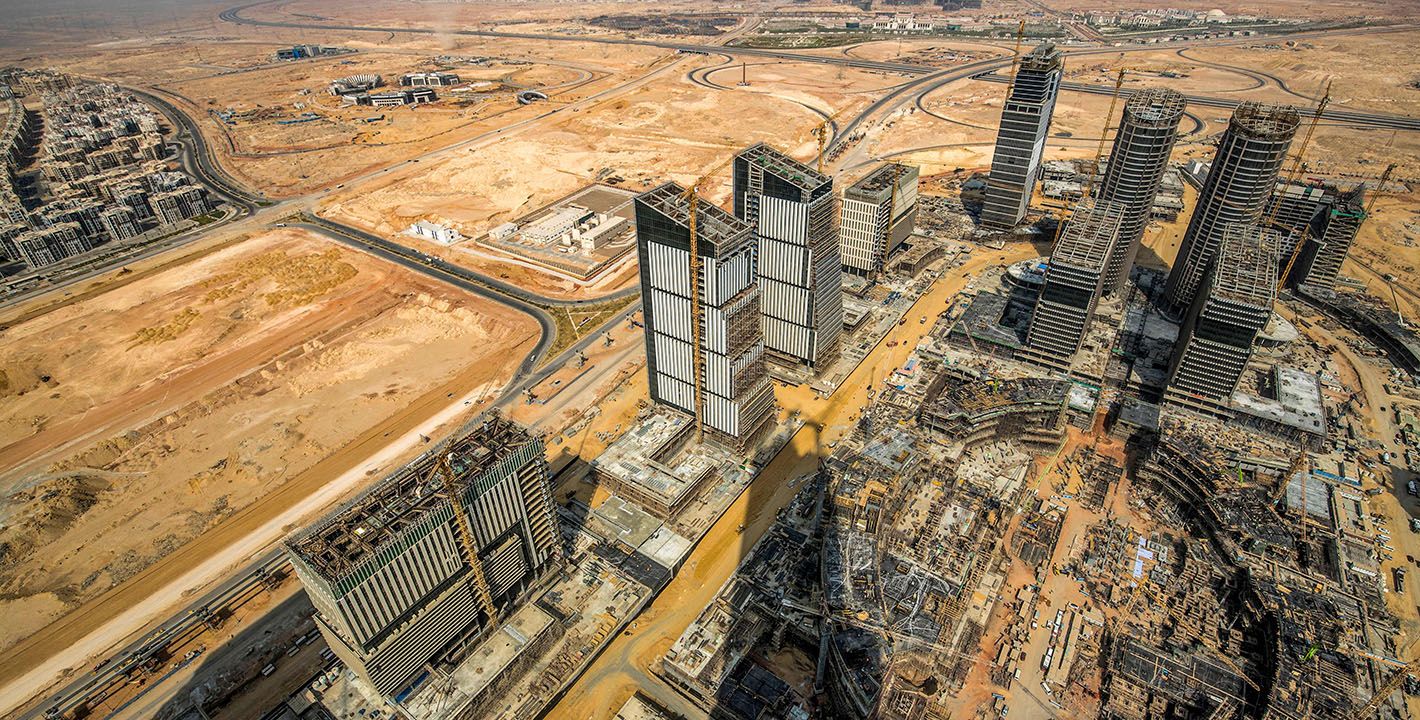
Mustaqbal Misr has expanded its portfolio with remarkable speed, but a lack of transparency remains.
Yezid Sayigh
Arab diaspora business communities in Egypt often mirror the same systemic challenges facing Egyptian businesses.
Nur Arafeh, Yezid Sayigh, Qaboul al-Absi, …
Largely characterized thus far by a single-minded focus on extractivism, Riyadh must commit to greater equitability in its approach to investment and development deals with Sudan, Ethiopia, and Eritrea.
Hesham Alghannam
Once Israel’s war in the territory is brought to an end, the foundational principles guiding reconstruction should be Palestinian self-determination, local agency, and sovereignty.
Nur Arafeh, Mandy Turner