• Research
  • Diwan
  • About
  • Experts
Carnegie Middle East logoCarnegie lettermark logo
LebanonIran
{
  "authors": [
    "Yukon Huang"
  ],
  "type": "legacyinthemedia",
  "centerAffiliationAll": "dc",
  "centers": [
    "Carnegie Endowment for International Peace"
  ],
  "collections": [],
  "englishNewsletterAll": "asia",
  "nonEnglishNewsletterAll": "",
  "primaryCenter": "Carnegie Endowment for International Peace",
  "programAffiliation": "AP",
  "programs": [
    "Asia"
  ],
  "projects": [],
  "regions": [
    "East Asia",
    "China"
  ],
  "topics": [
    "Economy",
    "Trade"
  ]
}

Source: Getty

In The Media

Slower Growth is Good for China

China has passed the point where double-digit growth alone can guarantee price stability and employment. It must now pursue more balanced and less rapid economic growth.

Link Copied
By Yukon Huang
Published on Oct 20, 2011

Source: Financial Times

Slower Growth is Good for ChinaThat China’s third quarter growth rate of 9.1 per cent, just marginally below forecasts, would spark a sell-off in the markets says a lot about the gloomy state of the global economy. Analysts have not yet decided whether a rate below expectations is good or bad, given the concerns about inflation.

Some have focused on the minor changes in sector growth patterns; evidence that China is finally rebalancing, with consumption rising relatively faster than output; and signs that fixed investment is becoming more judicious, with a slowdown in property development. While the general sense is that macroeconomic policies do not need major adjustments, globalists tend to worry more about whether China will continue to be a strong source of demand given the weakness of the US and eurozone economies.
 
Ostensibly, Beijing’s goal is to manage a “soft landing”. But even at home, many have not fully accepted the premise of the current five-year plan that slower, but higher quality growth, averaging seven per cent, is better. Skeptics believe that this target is no more credible than the 7.5 per cent target (compared with the actual 11 per cent achieved) in the just-completed plan.
 
Many recognise that slower growth would be more environmentally sustainable. Yet some vested interests still feel that these are issues for richer, more developed countries.
 
Thus making a credible case that seven per cent growth is better than ten means challenging the traditional objectives that have preoccupied China’s leaders during the post-Mao reform era. Two targets have been sacrosanct – price stability and employment generation – with the understanding that rapid economic growth makes them more achievable.
 
But times have changed. Keeping prices stable was much simpler when the main concern was providing access to a range of basic consumer goods at affordable prices. Having become the world’s assembly plant for such items has solved that problem. Instead, the current bout of inflation stem from the demand of a rising middle class for a varied diet of modern goods and services that are more costly to provide. Part of this is driven by the search for housing in cities where real estate prices have surged with urbanisation and speculative pressures. Pushing the economy to grow too fast will make it only harder to maintain price stability in the future.
 
However, employment generation made considerable sense when the stock of surplus labour in the countryside and in bloated state enterprises had to be absorbed by a small, but expanding, private industrial sector. China had to grow out of its past distortions and inefficiencies. But its employment needs today are quite different from those a generation ago. Faced with a declining labor force due to a rapidly aging population, creating copious, but relatively low-skilled, jobs is no longer the priority. The focus now is on fewer, but higher value-added, positions.
 
On both scores, Beijing and the rest of the world need to be more relaxed about China’s declining growth rates, provided that the process is managed well – which, of course, is a big if.

About the Author

Yukon Huang

Senior Fellow, Asia Program

Huang is a senior fellow in the Carnegie Asia Program where his research focuses on China’s economy and its regional and global impact.

    Recent Work

  • Commentary
    Three Takeaways From the Biden-Xi Meeting

      Yukon Huang, Isaac B. Kardon, Matt Sheehan

  • Commentary
    Europe Narrowly Navigates De-risking Between Washington and Beijing

      Yukon Huang, Genevieve Slosberg

Yukon Huang
Senior Fellow, Asia Program
Yukon Huang
EconomyTradeEast AsiaChina

Carnegie does not take institutional positions on public policy issues; the views represented herein are those of the author(s) and do not necessarily reflect the views of Carnegie, its staff, or its trustees.

More Work from Malcolm H. Kerr Carnegie Middle East Center

  • Commentary
    Diwan
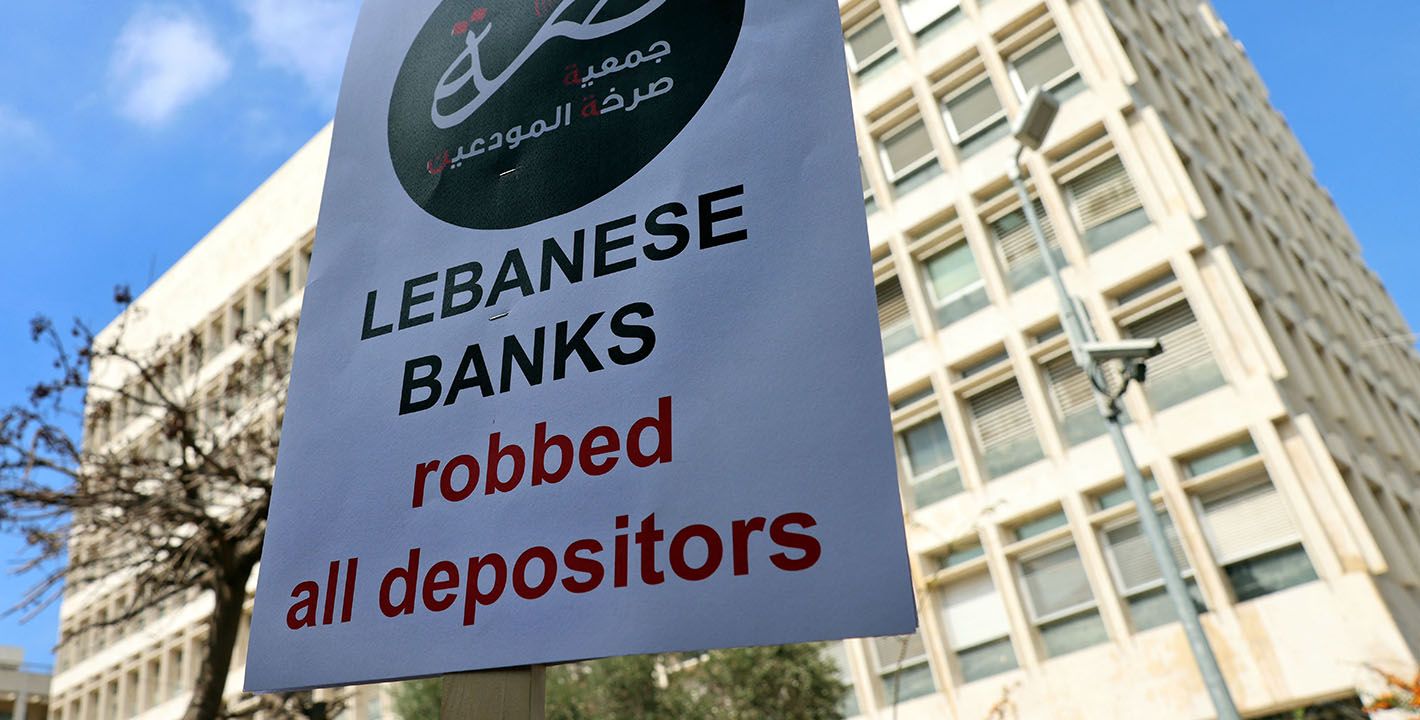
    Unpacking Lebanon’s Gap Law

    In an interview, Ishac Diwan looks at the merits and flaws in the draft legislation distributing losses from the financial collapse.

      Michael Young
  • Commentary
    Diwan
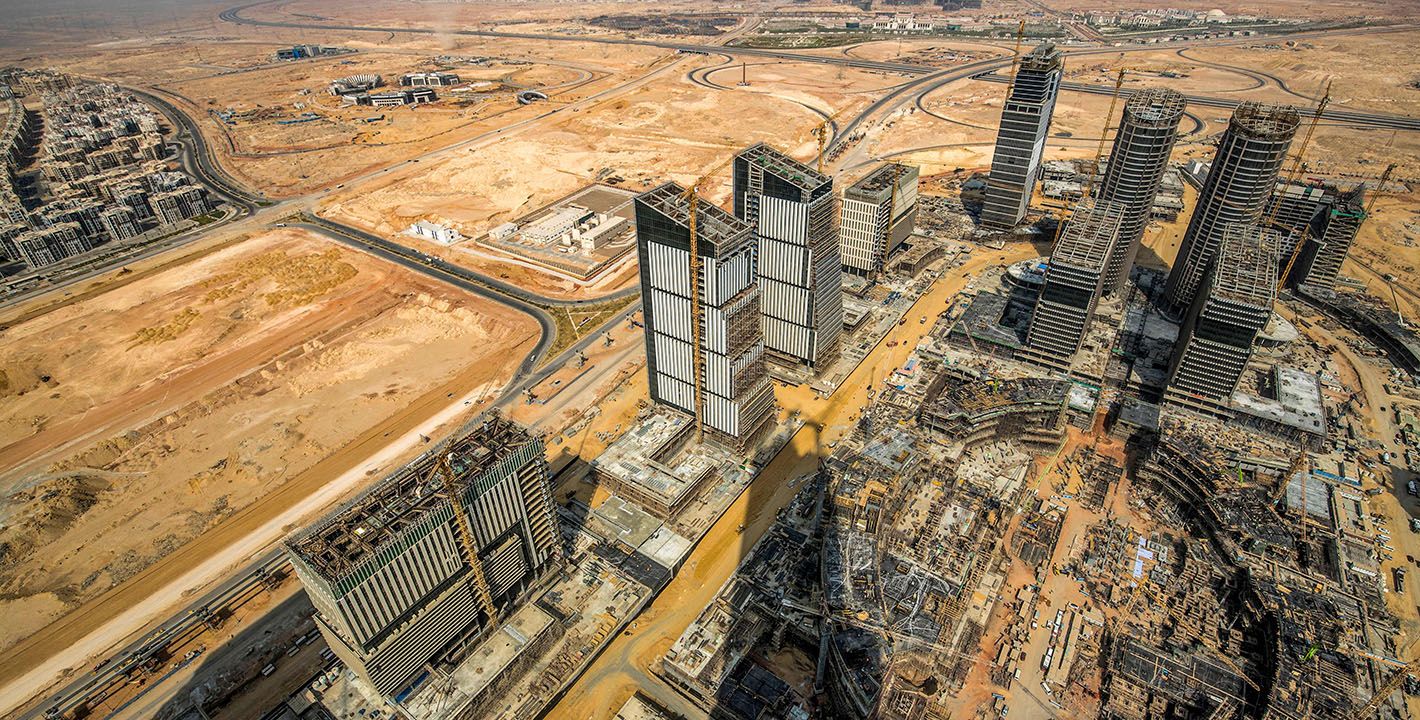
    Has Sisi Found a Competent Military Entrepreneur?

    Mustaqbal Misr has expanded its portfolio with remarkable speed, but a lack of transparency remains.

      Yezid Sayigh

  • Research
    Arab Diaspora Business Communities in Egypt

    Arab diaspora business communities in Egypt often mirror the same systemic challenges facing Egyptian businesses.

      • +4

      Nur Arafeh, Yezid Sayigh, Qaboul al-Absi, …

  • Article
    Saudi Arabia in Africa: Sound Economic and Geopolitical Strategy, or Resource Exploitation?

    Largely characterized thus far by a single-minded focus on extractivism, Riyadh must commit to greater equitability in its approach to investment and development deals with Sudan, Ethiopia, and Eritrea.

      Hesham Alghannam

  • A picture taken from a position at the Israeli border with the Gaza Strip shows the destruction due to Israeli bombardment in the besieged Palestinian territory on May 18, 2025
    Article
    Destruction, Disempowerment, and Dispossession: Disaster Capitalism and the Postwar Plans for Gaza

    Once Israel’s war in the territory is brought to an end, the foundational principles guiding reconstruction should be Palestinian self-determination, local agency, and sovereignty.

      Nur Arafeh, Mandy Turner

Get more news and analysis from
Malcolm H. Kerr Carnegie Middle East Center
Carnegie Middle East logo, white
  • Research
  • Diwan
  • About
  • Experts
  • Projects
  • Events
  • Contact
  • Careers
  • Privacy
  • For Media
Get more news and analysis from
Malcolm H. Kerr Carnegie Middle East Center
© 2026 Carnegie Endowment for International Peace. All rights reserved.