

Commentary
Muhammad Faour
{
  "authors": [
    "Muhammad Faour"
  ],
  "type": "legacyinthemedia",
  "centerAffiliationAll": "",
  "centers": [
    "Carnegie Endowment for International Peace",
    "Malcolm H. Kerr Carnegie Middle East Center"
  ],
  "collections": [],
  "englishNewsletterAll": "",
  "nonEnglishNewsletterAll": "",
  "primaryCenter": "Malcolm H. Kerr Carnegie Middle East Center",
  "programAffiliation": "",
  "programs": [],
  "projects": [],
  "regions": [
    "Egypt"
  ],
  "topics": [
    "Political Reform",
    "Education"
  ]
}
Source: Getty
Unless Cairo acts to promote tolerance and understanding of various religious identities to truly build a democratic, pluralistic society, sectarian conflict will continue to plague Egypt.
Source: National

A fundamental step in the right direction is the recent assertion of "basic freedoms" unveiled by Al Azhar, the highly respected religious authority among Sunni Muslims the world over.
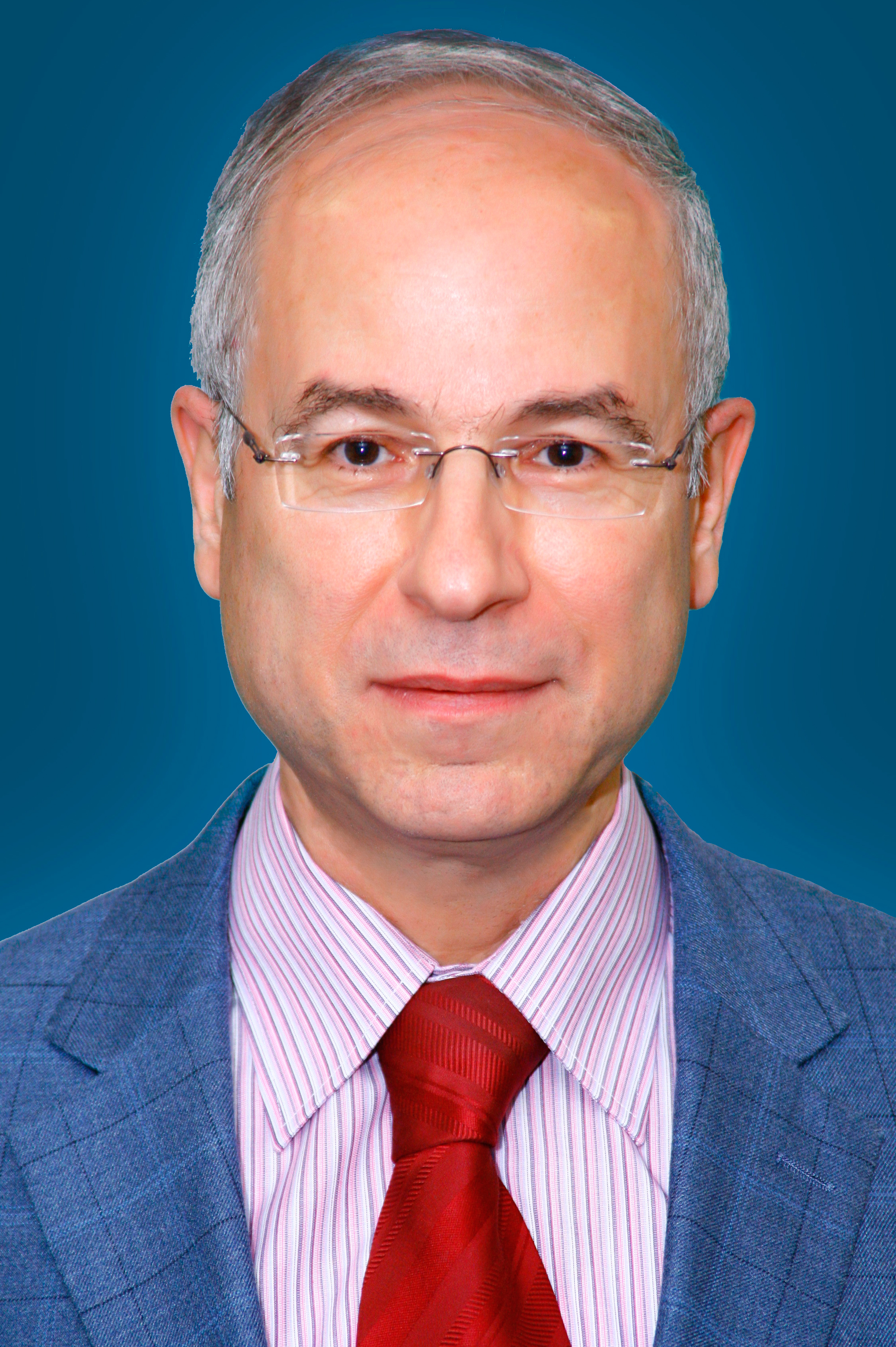
Former Senior Associate , Middle East Center
Faour was a senior associate at the Carnegie Middle East Center, where his research focused on education reform in Arab countries with an emphasis on citizenship education.
Recent Work
Muhammad Faour
Muhammad Faour
Carnegie does not take institutional positions on public policy issues; the views represented herein are those of the author(s) and do not necessarily reflect the views of Carnegie, its staff, or its trustees.

The armed forces champion a form of capitalism that is generating revenue, but its reliance on rent faces diminishing returns, leaving the country with massive sunk costs and deferred returns, deepening dependency on external borrowing.

Yezid Sayigh
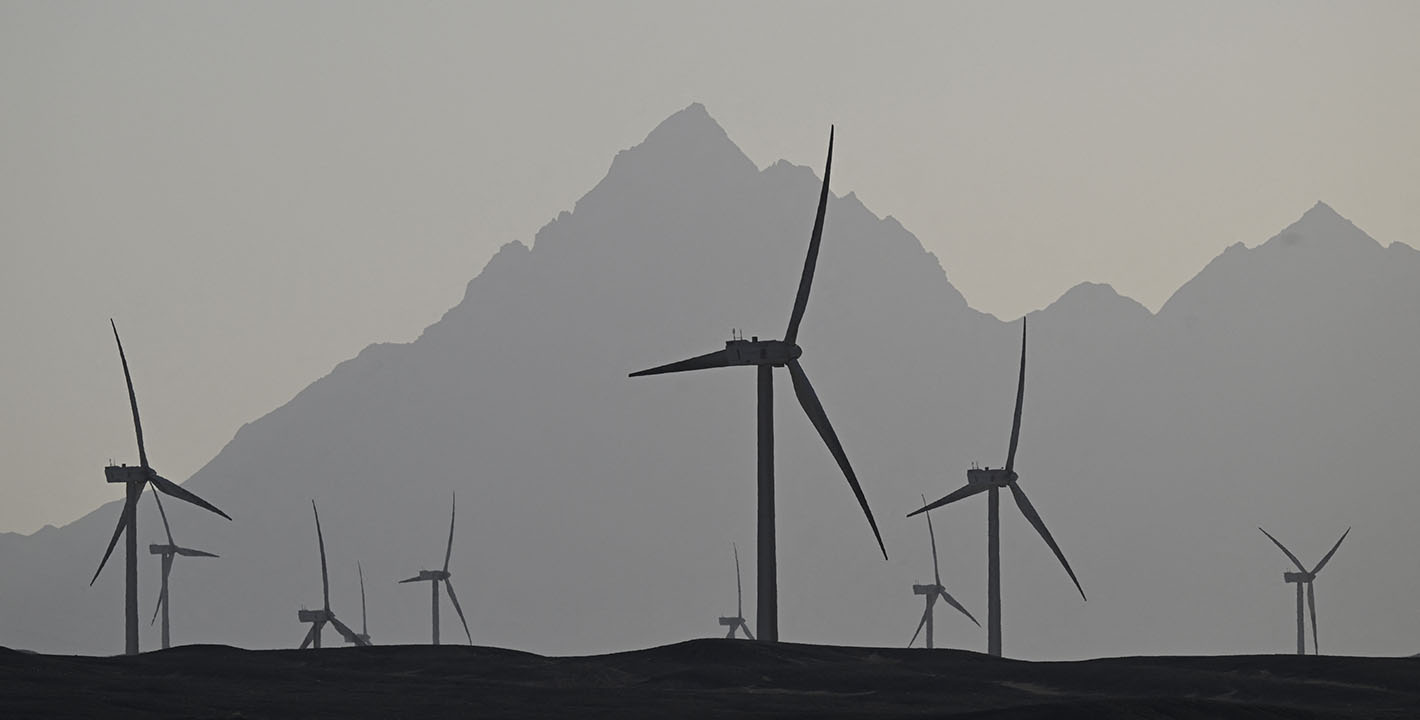
There is a disturbing structural parallel between the old global energy economy and the new green transition.

Angie Omar
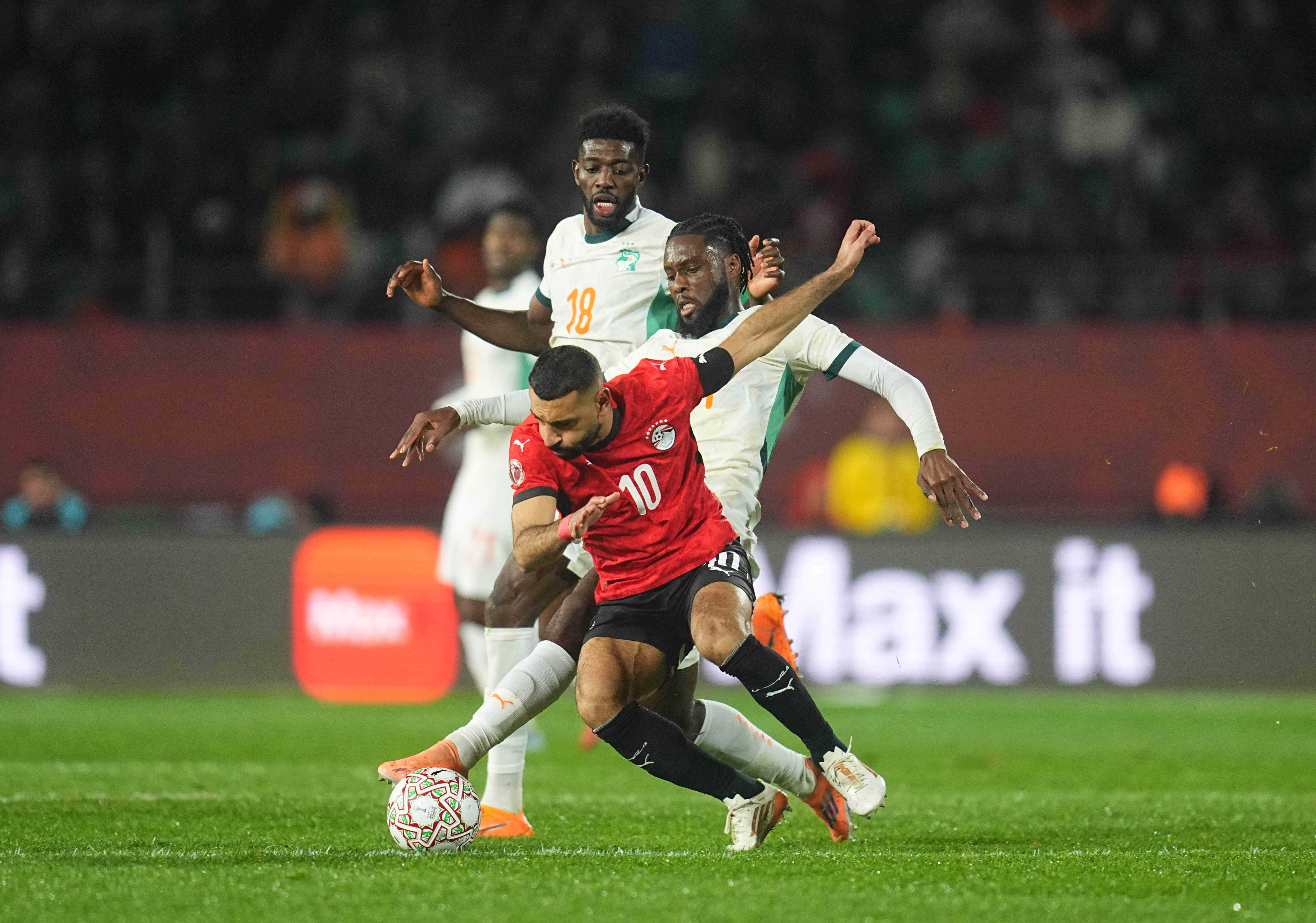
This will be the region’s most representative tournament, amid broad changes in its footballing landscape.

Issam Kayssi
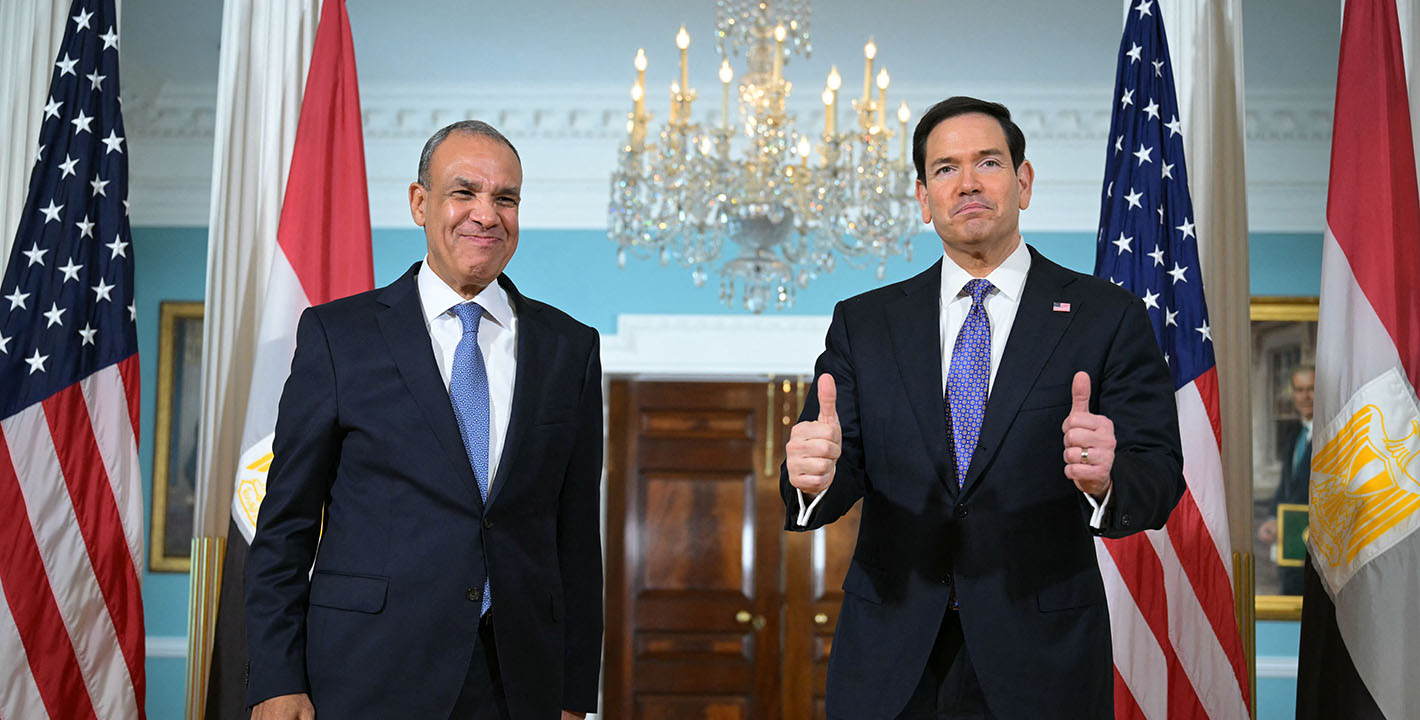
Cairo’s efforts send a message to the United States and the region that it still has a place at the diplomatic table.
Angie Omar
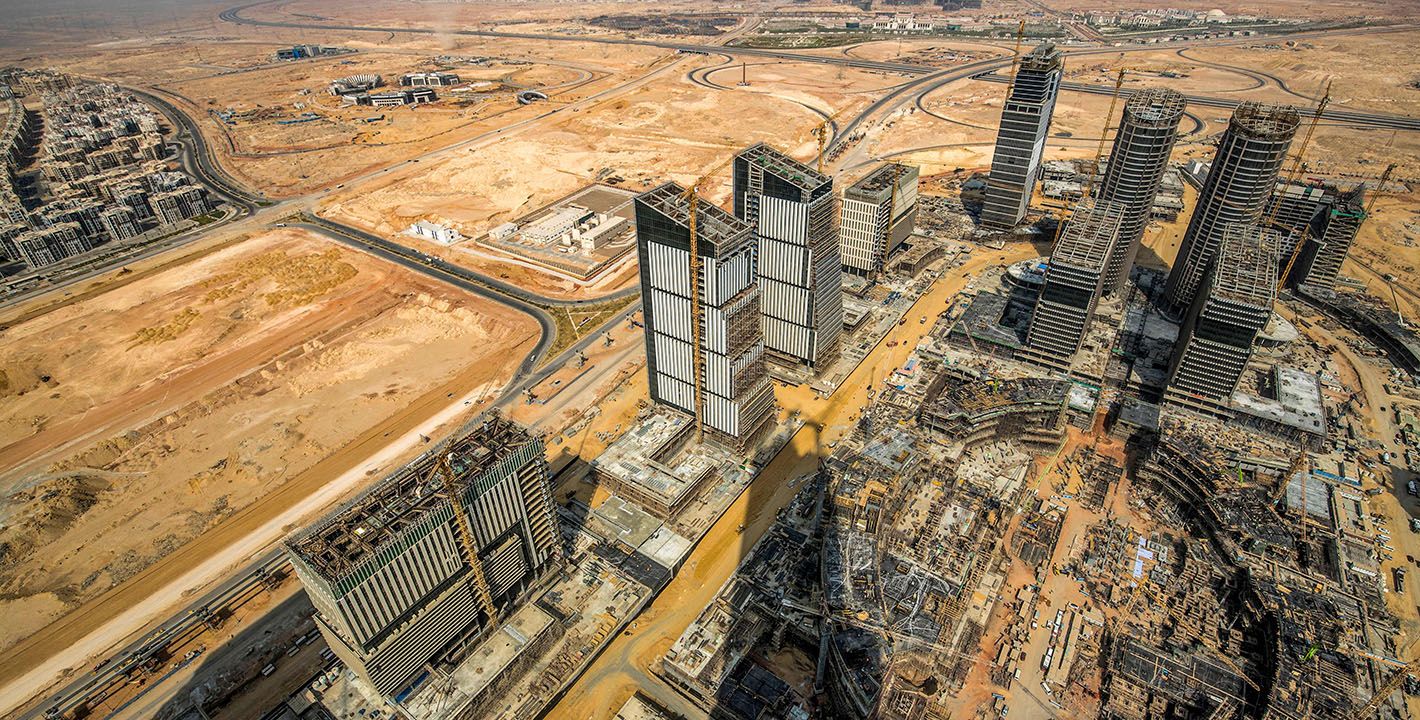
Mustaqbal Misr has expanded its portfolio with remarkable speed, but a lack of transparency remains.
Yezid Sayigh