

Article
Some of Russia’s war tactics in Ukraine mirror the strategies Moscow has employed in Syria. The international community should apply the lessons learned then to limit devastation and casualties now.
Emma Beals
{
  "authors": [
    "Matthew Rojansky",
    "Igor Munteanu",
    "William Hill"
  ],
  "type": "commentary",
  "centerAffiliationAll": "dc",
  "centers": [
    "Carnegie Endowment for International Peace"
  ],
  "collections": [],
  "englishNewsletterAll": "ctw",
  "nonEnglishNewsletterAll": "",
  "primaryCenter": "Carnegie Endowment for International Peace",
  "programAffiliation": "russia",
  "programs": [
    "Russia and Eurasia"
  ],
  "projects": [],
  "regions": [
    "Eastern Europe",
    "Moldova"
  ],
  "topics": []
}
REQUIRED IMAGE
Prolonged political stalemate in Moldova raises questions about the country’s ability to stay the course of reform despite the lack of immediate and gratifying results.
Prolonged political stalemate in Moldova raises questions about the country’s ability to stay the course of reform despite the lack of immediate and gratifying results. At the same time, December’s election of Yevgeny Shevchuk—a new and younger face in Transnistria—has again raised hopes for normalization of the decades-old conflict with the breakaway region. Is Moldova’s political deadlock proof that the democratic process is working or evidence of a failing system? Is Russia losing the ability to impose its own flagging brand of “sovereign democracy” in nearby separatist enclaves? What can the United States do to encourage Moldova’s slow, but steady progress toward greater implementation of Helsinki commitments?
Former Deputy Director, Russia and Eurasia Program
Rojansky, formerly executive director of the Partnership for a Secure America, is an expert on U.S. and Russian national security and nuclear-weapon policies.
Igor Munteanu
William Hill
Carnegie does not take institutional positions on public policy issues; the views represented herein are those of the author(s) and do not necessarily reflect the views of Carnegie, its staff, or its trustees.
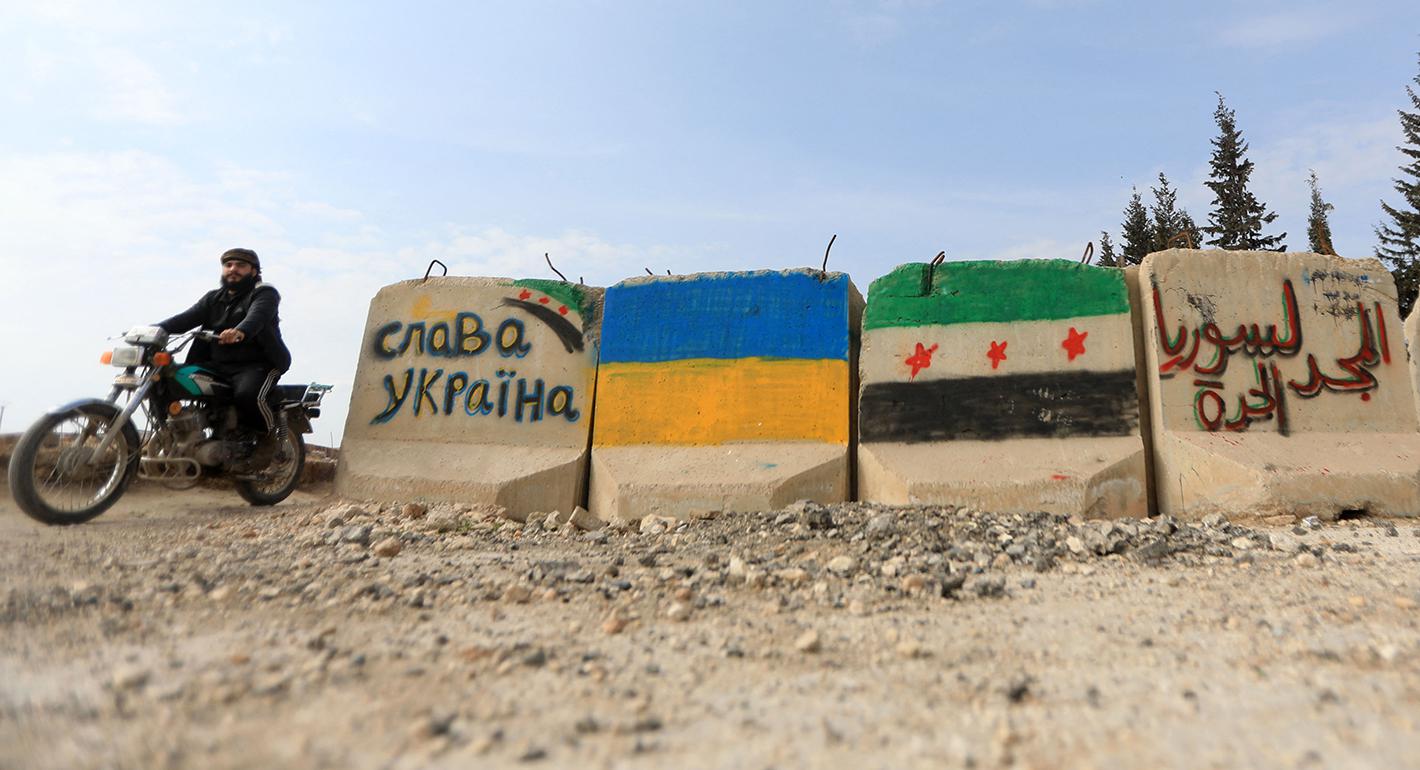
Some of Russia’s war tactics in Ukraine mirror the strategies Moscow has employed in Syria. The international community should apply the lessons learned then to limit devastation and casualties now.

Emma Beals
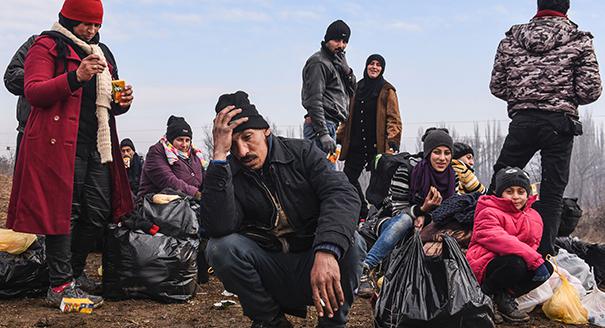
Very different Western reactions to the suffering in Ukraine and the Arab world show that there is a profound rift among cultures.

Michael Young
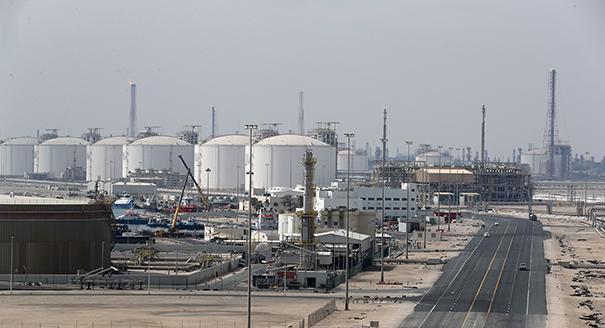
In an interview, Nikolay Kozhanov explains how the Ukraine conflict will affect Middle Eastern hydrocarbons production.
Michael Young
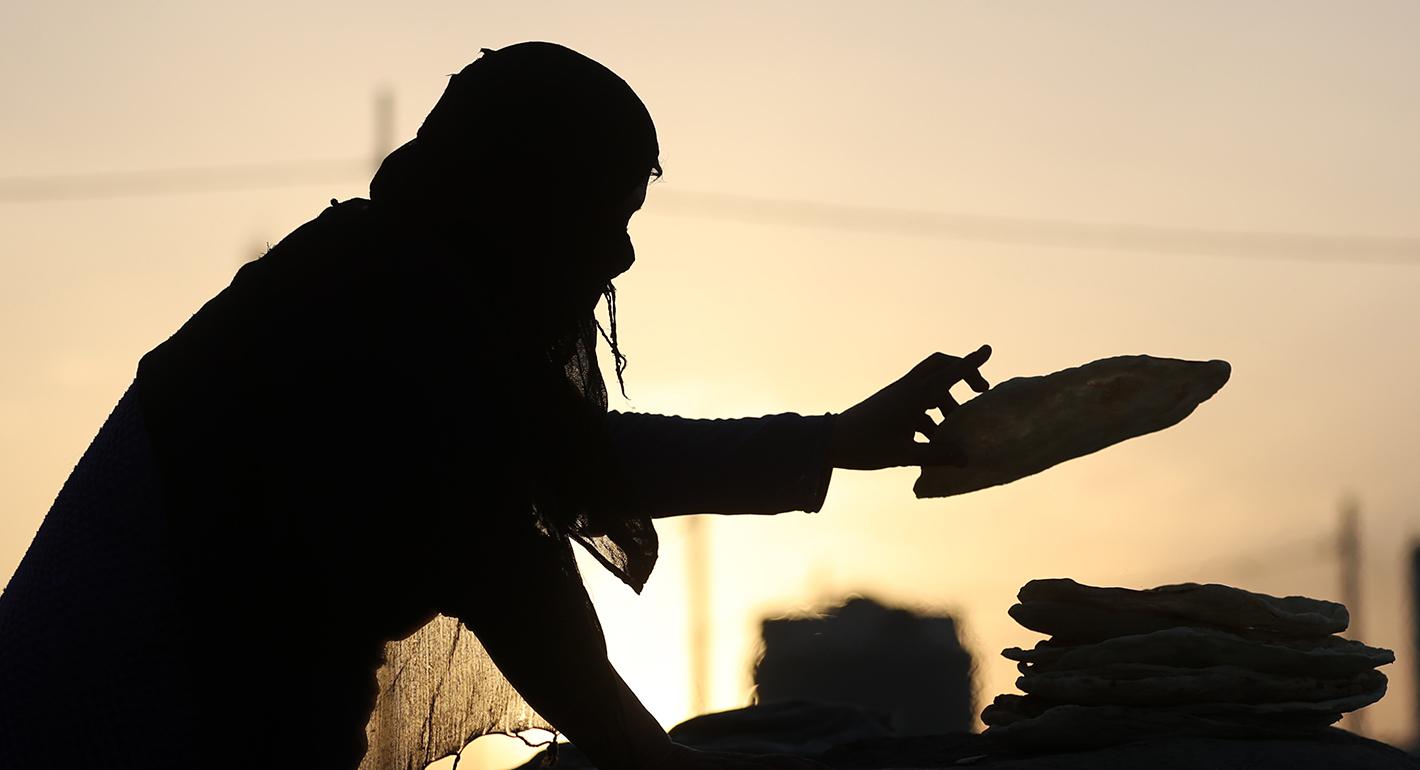
It’s about managing oil prices, bread prices, and strategic partnerships.



Amr Hamzawy, Karim Sadjadpour, Aaron David Miller, …
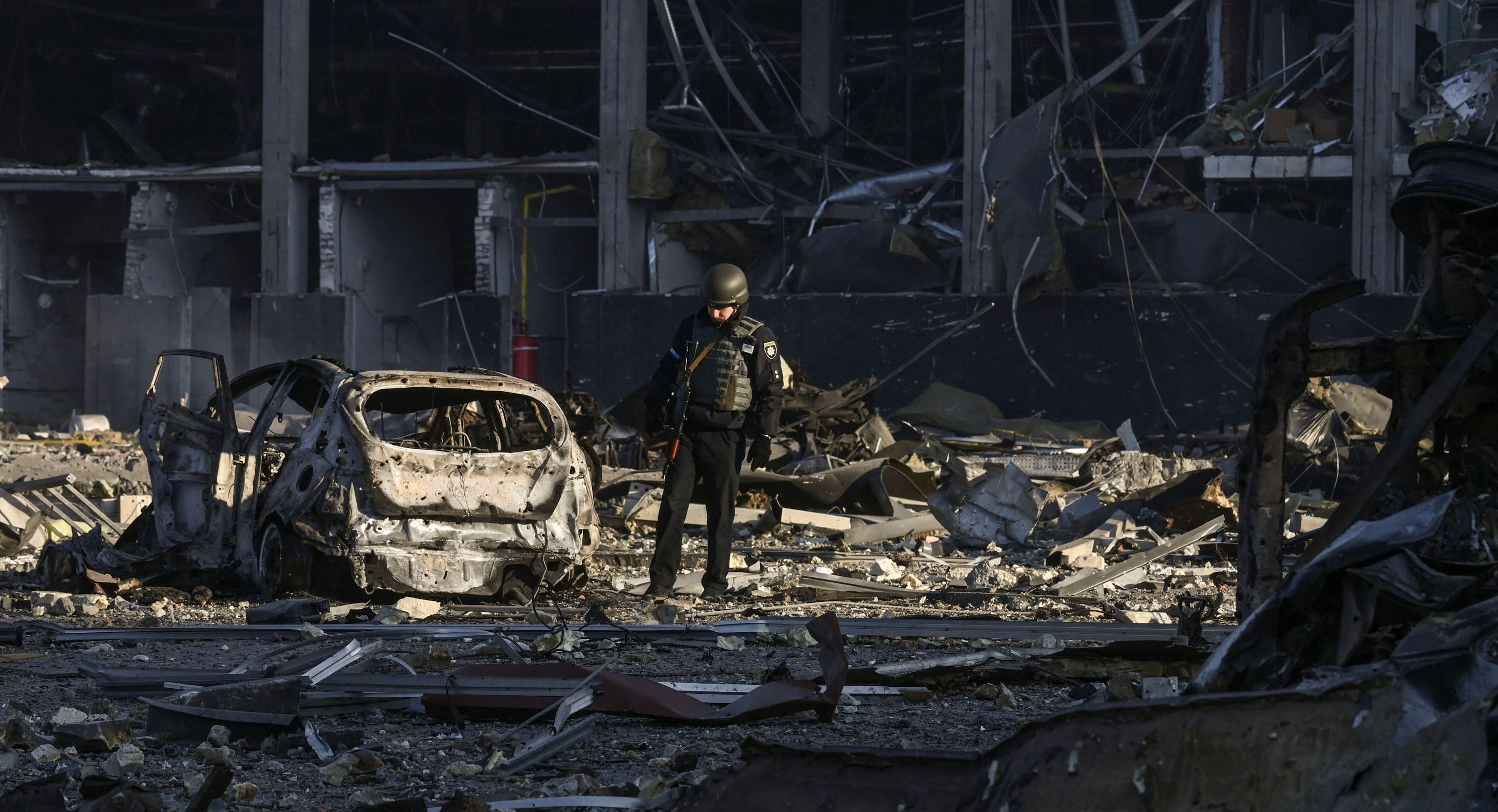
Both events also could force Washington to rethink or revive its Middle East partnerships.
Karim Sadjadpour