• Research
  • Diwan
  • About
  • Experts
Carnegie Middle East logoCarnegie lettermark logo
PalestineSyria
{
  "authors": [
    "Uri Dadush"
  ],
  "type": "other",
  "centerAffiliationAll": "",
  "centers": [
    "Carnegie Endowment for International Peace"
  ],
  "collections": [],
  "englishNewsletterAll": "",
  "nonEnglishNewsletterAll": "",
  "primaryCenter": "Carnegie Endowment for International Peace",
  "programAffiliation": "",
  "programs": [],
  "projects": [],
  "regions": [
    "Western Europe",
    "France",
    "Germany"
  ],
  "topics": [
    "Economy"
  ]
}
Source: Getty

Other

Recession in Europe

The festering sovereign debt crisis in the eurozone and its many repercussions on government spending and bank lending mean that the probability that Europe will experience a recession this year is high.

Link Copied
By Uri Dadush
Published on Jan 26, 2012
What is the likelihood that Europe will experience a recession this year and what steps can policymakers take to prevent it?
Uri Dadush
The festering sovereign debt crisis in the eurozone and its many repercussions on government spending and bank lending mean that the probability that Europe will experience a recession this year is high—despite recent slightly encouraging data on purchasing intentions. The recession could be mild under a business-as-usual scenario or extreme if the eurozone unravels.

Measures that policy makers could take to mitigate the recession (though it may be too late to prevent it as large economies cannot turn on a dime) come under four headings. In rough order of importance, they are:

1. Build a firewall to reassure investors that Italy and Spain will be protected—in my view this requires adding about a trillion dollars to IMF resources and another trillion dollars to the combined European rescue funds. These are large sums designed to ensure that Italy and Spain can fund their maturing debts and ongoing primary deficits for three years, giving them time to adjust under strict IMF supervision.

2. The European Central Bank should cut its policy rate to zero, continue to provide and expand its three-year lending facility for banks as needed, and continue to provide a temporary and limited backstop to buy government bonds while the expanded IMF-EU facilities are being put in place.

3. Germany, the Netherlands, and other European countries with large current account surpluses should expand government spending and/or reduce taxes and encourage higher wage settlements.

4. Structural reforms must accompany the budget cutting that is an inevitable part of nursing the periphery back to health. These reforms are needed to reestablish competitiveness in the periphery and reignite its growth. Even though they can take a long time to work, their effect on confidence in the short run is considerable.

A depreciation of the euro will also help mitigate the European recession and restore the competitiveness of the periphery. In addition, Europeans will need help from the rest of the world, both in the form of support for expanded IMF facilities and in increasing demand for their exports. The United States should contribute to expanded IMF facilities, contrary to its present stance, because the fund is an insurance policy against a possible global depression that would hurt all Americans.

About the Author

Uri Dadush

Former Senior Associate, International Economics Program

Dadush was a senior associate at the Carnegie Endowment for International Peace. He focuses on trends in the global economy and is currently tracking developments in the eurozone crisis.

    Recent Work

  • Commentary
    The Labors of Tsipras

      Uri Dadush

  • In The Media
    Greece, Complacency, and the Euro

      Uri Dadush

Uri Dadush
Former Senior Associate, International Economics Program
Uri Dadush
EconomyWestern EuropeFranceGermany

Carnegie does not take institutional positions on public policy issues; the views represented herein are those of the author(s) and do not necessarily reflect the views of Carnegie, its staff, or its trustees.

More Work from Malcolm H. Kerr Carnegie Middle East Center

  • Commentary
    Diwan
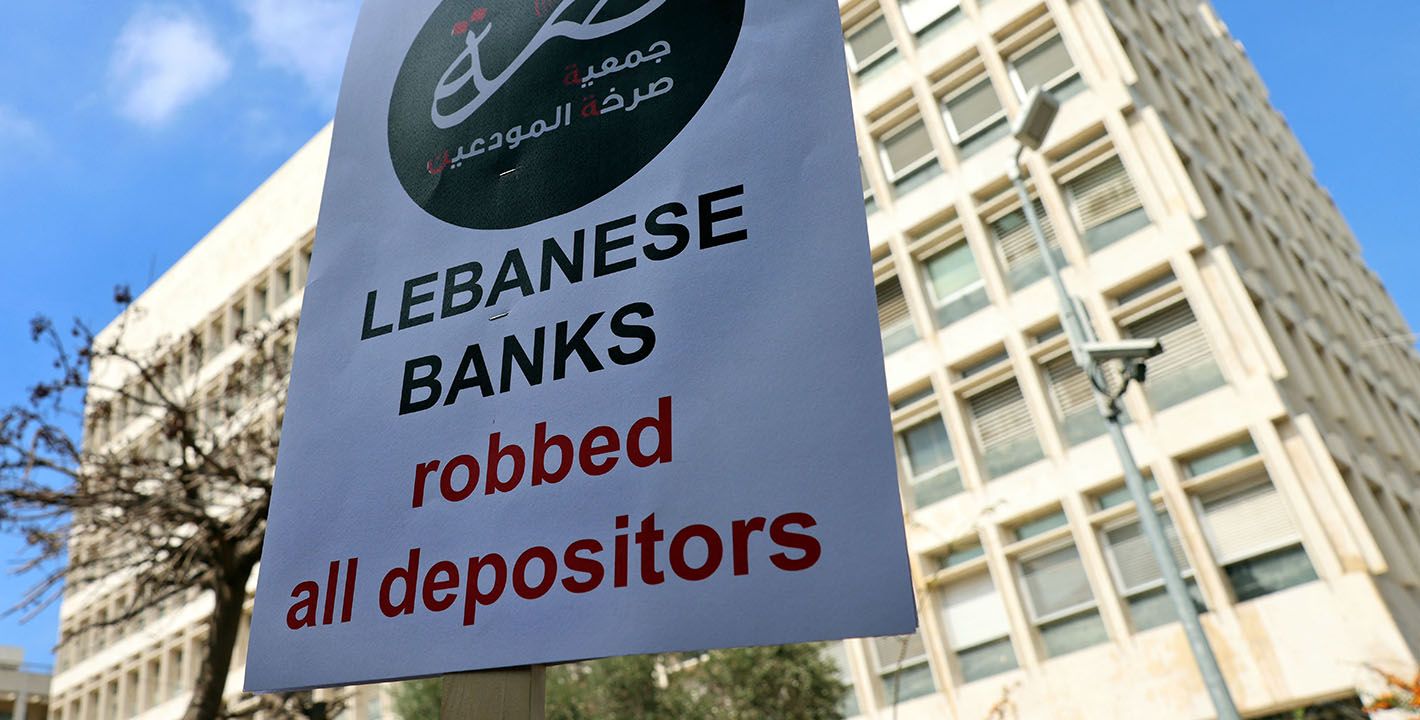
    Unpacking Lebanon’s Gap Law

    In an interview, Ishac Diwan looks at the merits and flaws in the draft legislation distributing losses from the financial collapse.

      Michael Young
  • Commentary
    Diwan
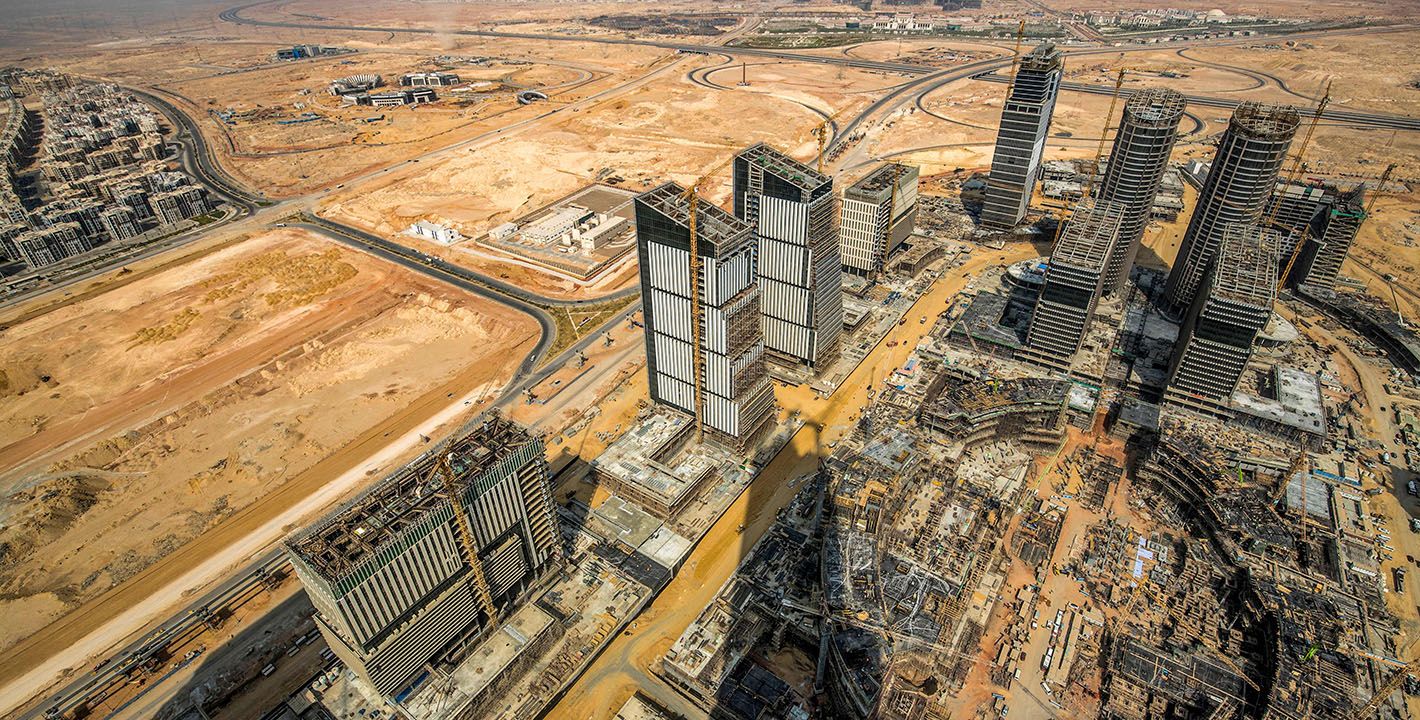
    Has Sisi Found a Competent Military Entrepreneur?

    Mustaqbal Misr has expanded its portfolio with remarkable speed, but a lack of transparency remains.

      Yezid Sayigh
  • Research
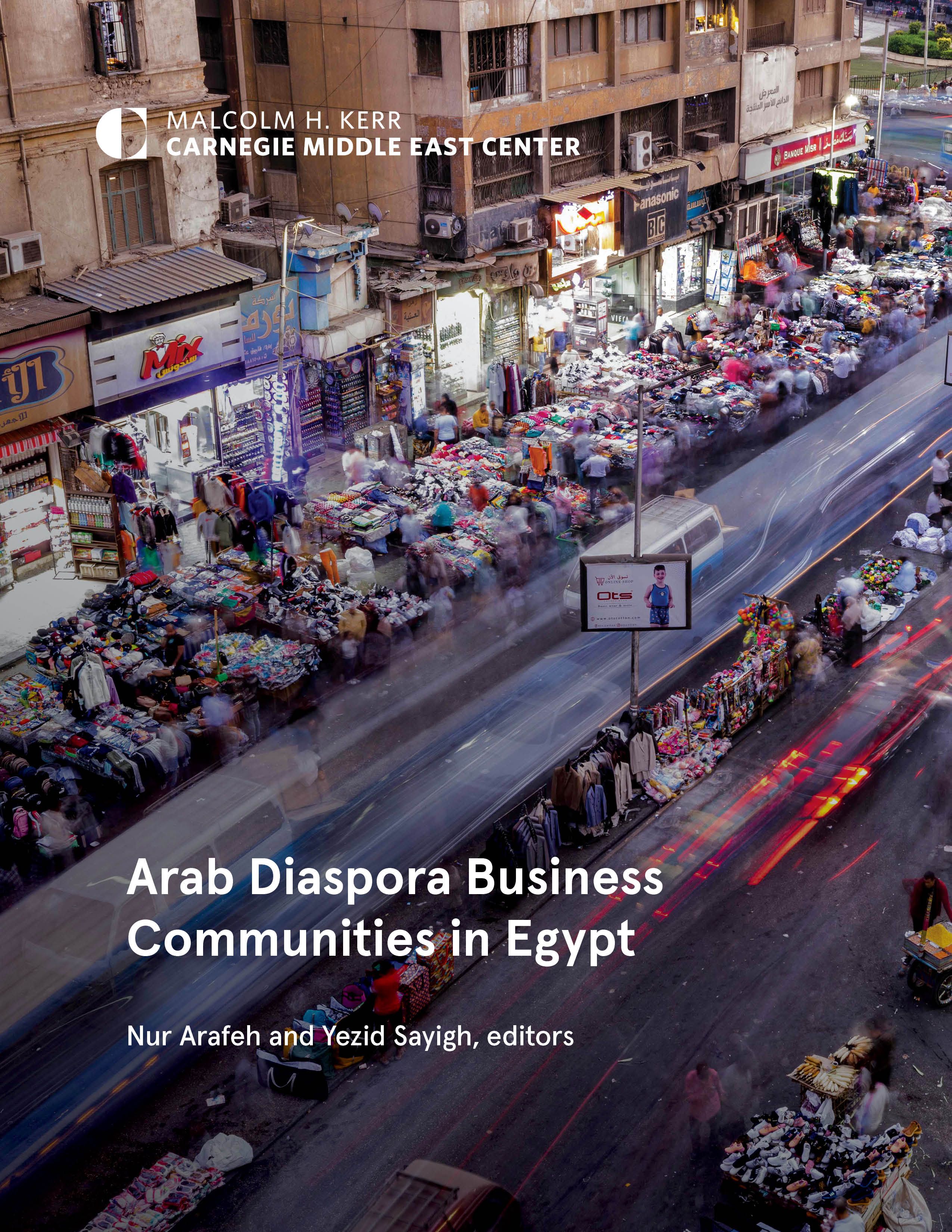
    Arab Diaspora Business Communities in Egypt

    Arab diaspora business communities in Egypt often mirror the same systemic challenges facing Egyptian businesses.
      • +4

      Nur Arafeh, Yezid Sayigh, Qaboul al-Absi, …

  • Article
    Saudi Arabia in Africa: Sound Economic and Geopolitical Strategy, or Resource Exploitation?

    Largely characterized thus far by a single-minded focus on extractivism, Riyadh must commit to greater equitability in its approach to investment and development deals with Sudan, Ethiopia, and Eritrea.

      Hesham Alghannam

  • A picture taken from a position at the Israeli border with the Gaza Strip shows the destruction due to Israeli bombardment in the besieged Palestinian territory on May 18, 2025
    Article
    Destruction, Disempowerment, and Dispossession: Disaster Capitalism and the Postwar Plans for Gaza

    Once Israel’s war in the territory is brought to an end, the foundational principles guiding reconstruction should be Palestinian self-determination, local agency, and sovereignty.

      Nur Arafeh, Mandy Turner

Get more news and analysis from
Malcolm H. Kerr Carnegie Middle East Center
Carnegie Middle East logo, white
  • Research
  • Diwan
  • About
  • Experts
  • Projects
  • Events
  • Contact
  • Careers
  • Privacy
  • For Media
Get more news and analysis from
Malcolm H. Kerr Carnegie Middle East Center
© 2026 Carnegie Endowment for International Peace. All rights reserved.