

In The Media
Petr Topychkanov
{
  "authors": [
    "Petr Topychkanov"
  ],
  "type": "legacyinthemedia",
  "centerAffiliationAll": "",
  "centers": [
    "Carnegie Endowment for International Peace",
    "Carnegie Russia Eurasia Center"
  ],
  "collections": [],
  "englishNewsletterAll": "",
  "nonEnglishNewsletterAll": "",
  "primaryCenter": "Carnegie Russia Eurasia Center",
  "programAffiliation": "",
  "programs": [],
  "projects": [
    "Eurasia in Transition"
  ],
  "regions": [],
  "topics": []
}
Source: Getty
Russia lacks the resources for dealing with the situation in Syria and, despite its current support of the Bashar al-Assad government, will likely lose influence in the country regardless of the future political situation.
Source: Voice of Russia's Inside View

Speaking on Voice of Russia, Carnegie Moscow Center’s Peter Topychkanov argued that Russia lacks the resources for dealing with the situation in Syria and, despite its current support of the Assad government, will likely lose influence in the country regardless of the future political situation. Even if Assad is able to stay in power, Topychkanov said, he will have learned a lesson about Moscow’s decreased international leverage, forcing him to look elsewhere for allies, possibly to China and Iran.
While Topychkanov was hesitant to speculate on the endgame in Syria, he acknowledged that a “Libyan scenario” is possible, but suggested that the international community should focus more on near-term options to curb the violence and better understand the situation on the ground instead of attempting to predict an outcome.
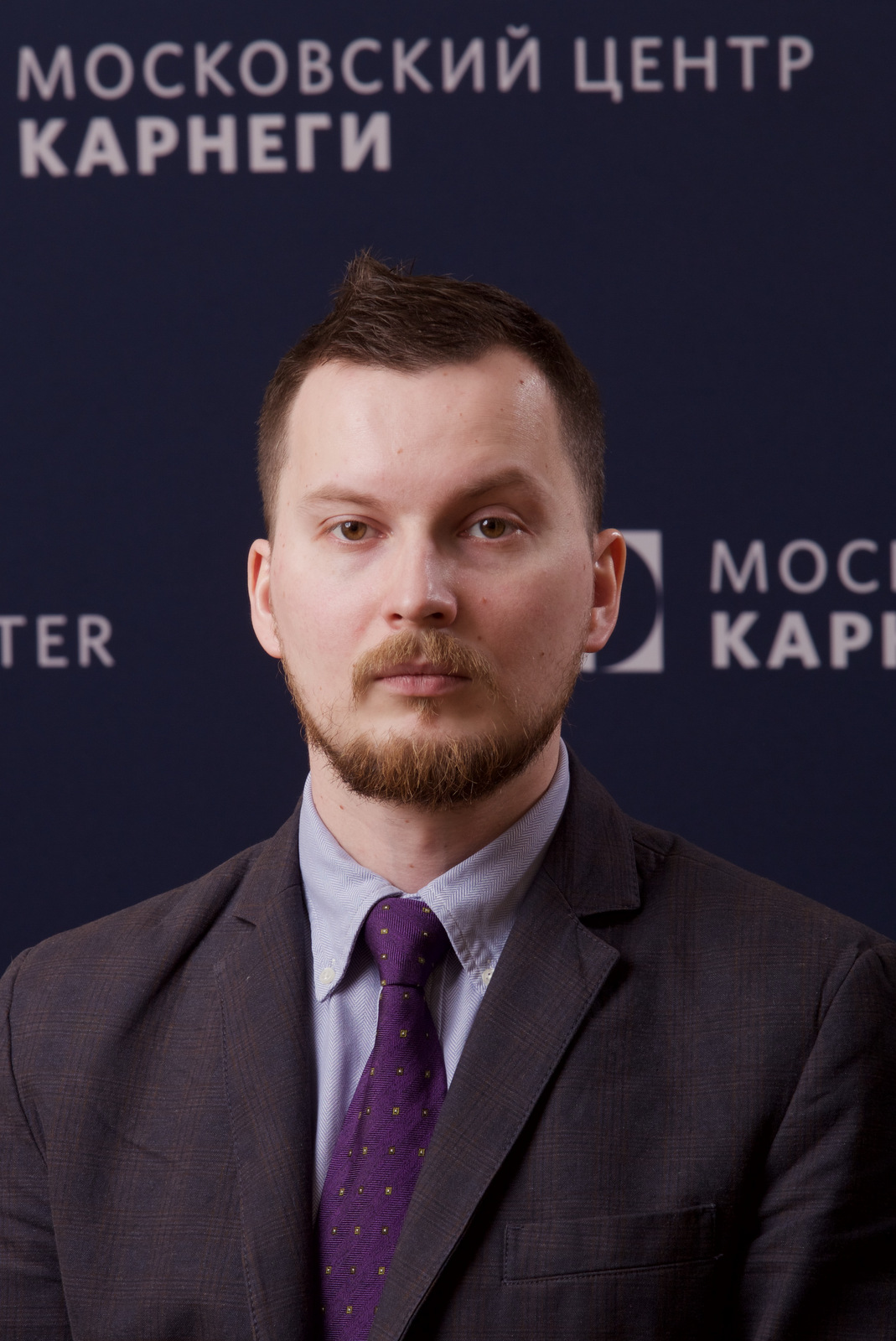
Former Fellow, Nonproliferation Program, Moscow Center
Topychkanov was a fellow in the Carnegie Moscow Center’s Nonproliferation Program.
Recent Work
Petr Topychkanov
Petr Topychkanov
Carnegie does not take institutional positions on public policy issues; the views represented herein are those of the author(s) and do not necessarily reflect the views of Carnegie, its staff, or its trustees.